
Scientists have discovered a European ant that can create genetic clones of another species—an evolutionary first.
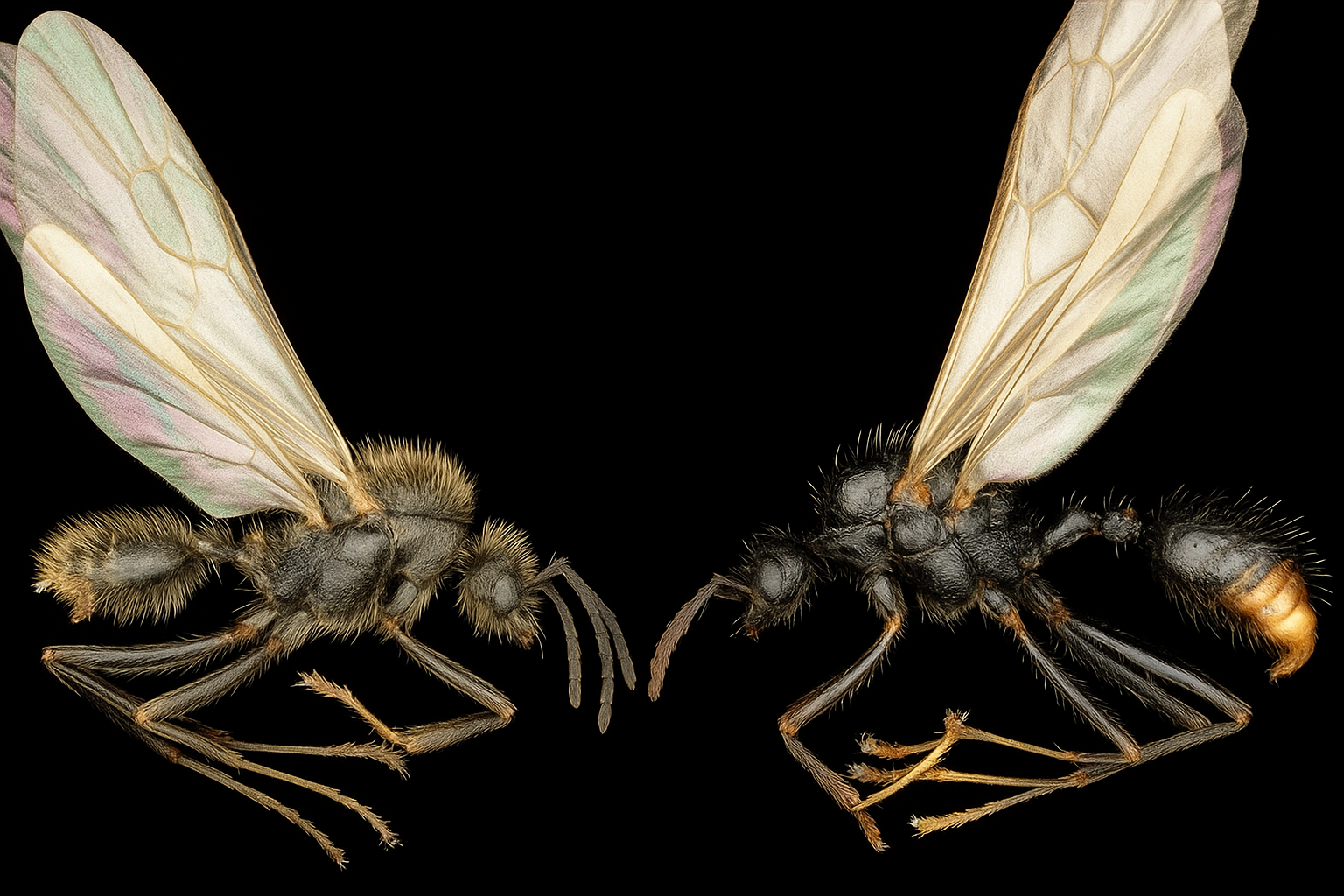
In a discovery that’s leaving biologists astonished, researchers have identified a European ant species capable of cloning members of another species. The study, published in Current Biology, reveals that the parasitic ant Strongylognathus cf. italicus can reproduce genetically identical copies of its host species, Tetramorium alpestre. This is the first known example of one animal cloning another. The finding challenges long-held ideas about reproduction, parasitism, and how far evolution can push the boundaries of biology itself.
1. Scientists Discover an Ant That Can Clone Another Species
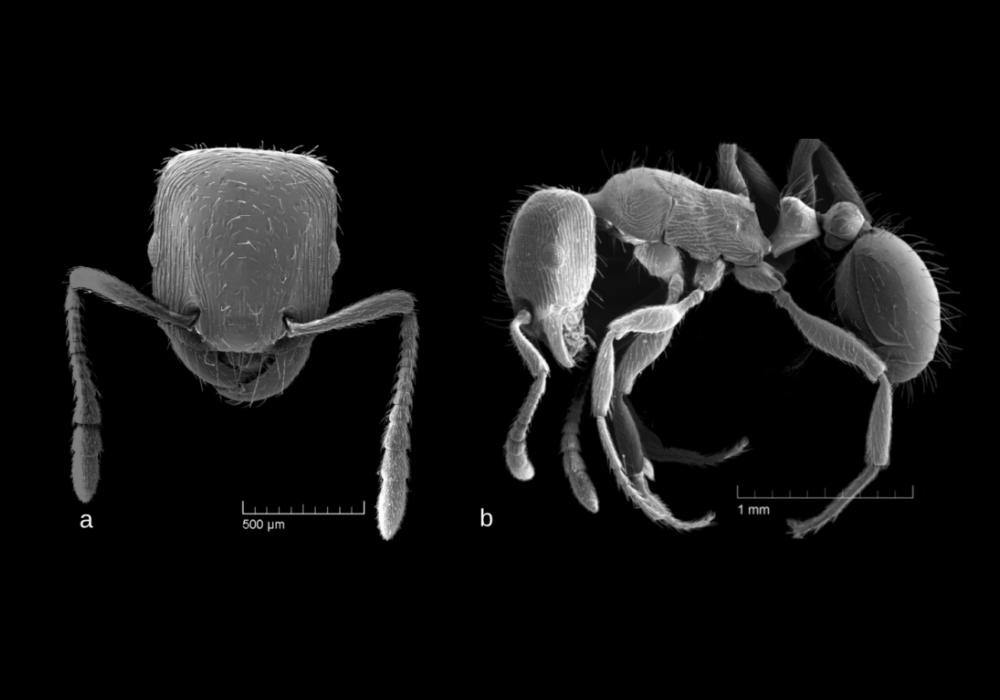
Researchers studying parasitic ants in the Alps made a stunning discovery: one species can produce exact genetic copies of another. The ant, Strongylognathus cf. italicus, is capable of cloning individuals from its host species, Tetramorium alpestre, a behavior never before seen in the animal kingdom.
The finding, published in Current Biology, marks the first known example of an animal cloning another species — a process previously thought to be biologically impossible in nature.
2. The Discovery Was Made in the Mountains of Europe

The groundbreaking research took place in the Alps, where scientists have been studying parasitic ant behavior for years. The European ant Strongylognathus cf. italicus lives alongside colonies of another species, Tetramorium alpestre, which it relies on for survival.
During DNA testing, scientists noticed something extraordinary: the genetic material of some ants in the colony didn’t match their parents — instead, it matched the parasitic species, revealing a process of cross-species cloning.
3. The Cloning Happens During the Reproductive Process
Rather than using traditional mating, the parasitic ants appear to manipulate their hosts’ reproductive systems to produce offspring genetically identical to themselves. The mechanism involves hijacking the eggs of the host species and reprogramming them with the parasite’s DNA.
This allows the parasitic ants to sustain their population without needing to mate, a remarkable evolutionary shortcut that effectively lets them reproduce through another species.
4. It’s the First Time Scientists Have Seen Cross-Species Cloning in Nature

While cloning can be performed artificially in labs — as with Dolly the sheep — this is the first documented case of one animal naturally cloning another. Researchers say it challenges everything we thought we knew about how reproduction and genetic inheritance work.
Until now, scientists believed natural cloning across species boundaries was impossible because of fundamental genetic incompatibilities. The discovery shows nature may have already solved that problem.
5. The Ant Is a Parasitic Species That Depends on Its Host
Strongylognathus cf. italicus doesn’t build its own colonies. Instead, it infiltrates the nests of Tetramorium alpestre, forcing the host ants to feed and care for its offspring. This behavior is known as “social parasitism,” a rare but well-documented phenomenon among ants.
However, the cloning twist adds an entirely new layer — it suggests the parasites don’t just exploit the host’s labor but also its reproductive machinery, a strategy that ensures their dominance generation after generation.
6. The Cloning Strategy May Help the Parasites Outsmart Their Hosts
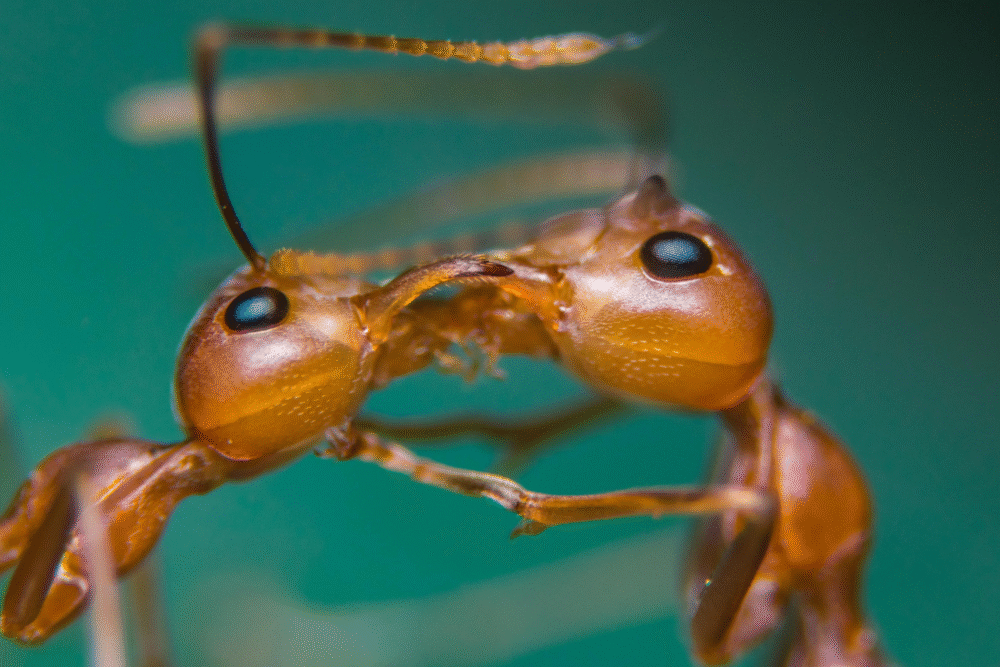
By reproducing within the genetic framework of their hosts, the parasitic ants may avoid detection. Since cloned offspring resemble the host species closely enough to escape recognition, they can integrate seamlessly into the colony.
This hidden infiltration could explain how parasitic colonies sustain themselves for long periods without being attacked or expelled by their hosts — a form of biological mimicry on a genetic level.
7. DNA Analysis Confirmed the Shocking Results

To verify the discovery, scientists sequenced the DNA of both species and compared it across generations. The genetic fingerprints revealed that some offspring had identical DNA to the parasites rather than the hosts that physically produced them.
These results ruled out contamination or error, confirming that true cross-species cloning had occurred — a natural transfer of genetic identity unlike anything seen before in animal biology.
8. The Mechanism Behind the Cloning Is Still a Mystery
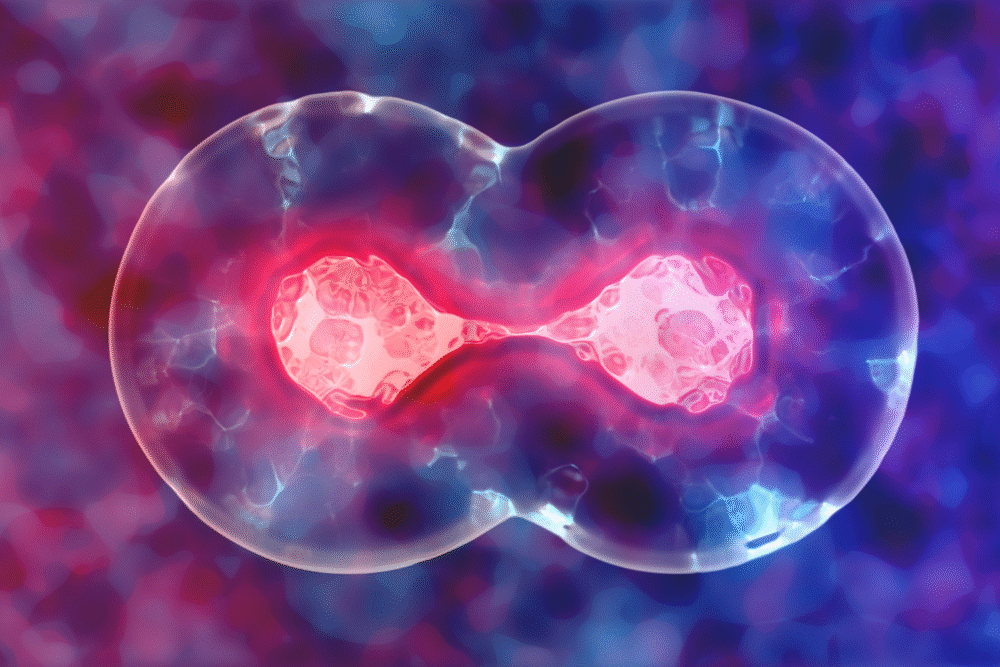
Although researchers confirmed that cross-species cloning is taking place, they don’t yet understand how it works. The process could involve genetic reprogramming, hybridization, or a form of parthenogenesis — where development occurs without fertilization.
Whatever the cause, the ants’ ability to replicate another species’ DNA suggests that evolution can create genetic systems far more complex — and surprising — than scientists once imagined.
9. The Discovery Challenges How We Define Individual Species
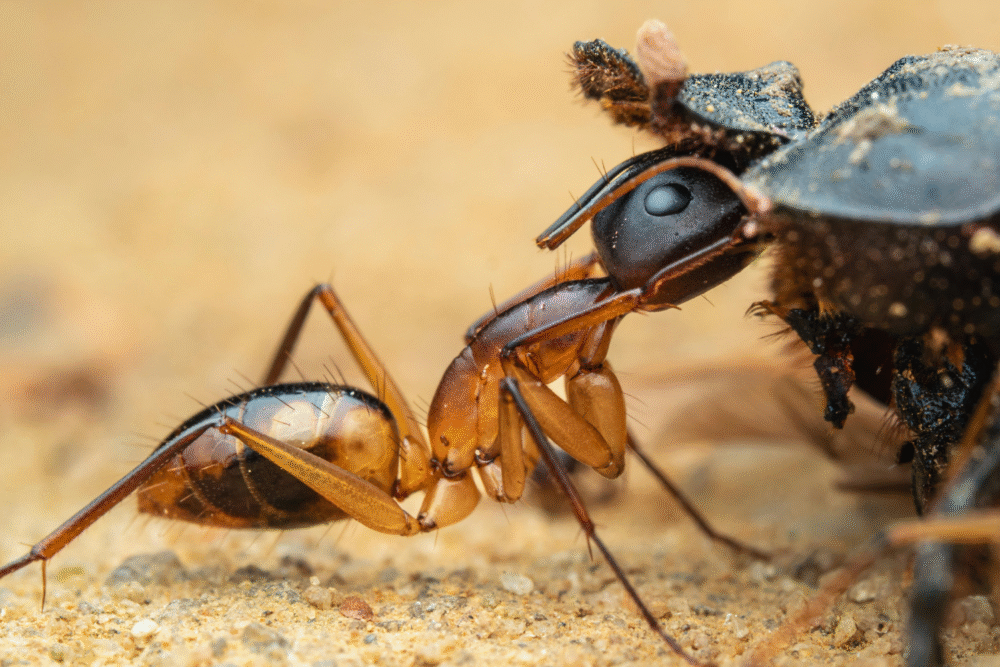
If one species can generate exact copies of another, it raises questions about where one organism’s identity ends and another begins. The boundaries between species, once considered fixed, may be blurrier than previously believed.
The study suggests that some parasitic relationships could evolve into shared or overlapping genetic identities — a startling concept that reshapes how scientists view evolution and biodiversity.
10. The Finding Could Change How Scientists Understand Evolution

Cross-species cloning may represent a new evolutionary pathway — a way for parasites to pass on their genes without traditional reproduction. This discovery suggests evolution isn’t limited to competition or cooperation; it can also involve full genetic takeover.
Such mechanisms could explain other mysterious cases of hybridization in insects and microorganisms, hinting that this process might not be unique to ants after all.
11. Ants Have Long Been Masters of Genetic Innovation
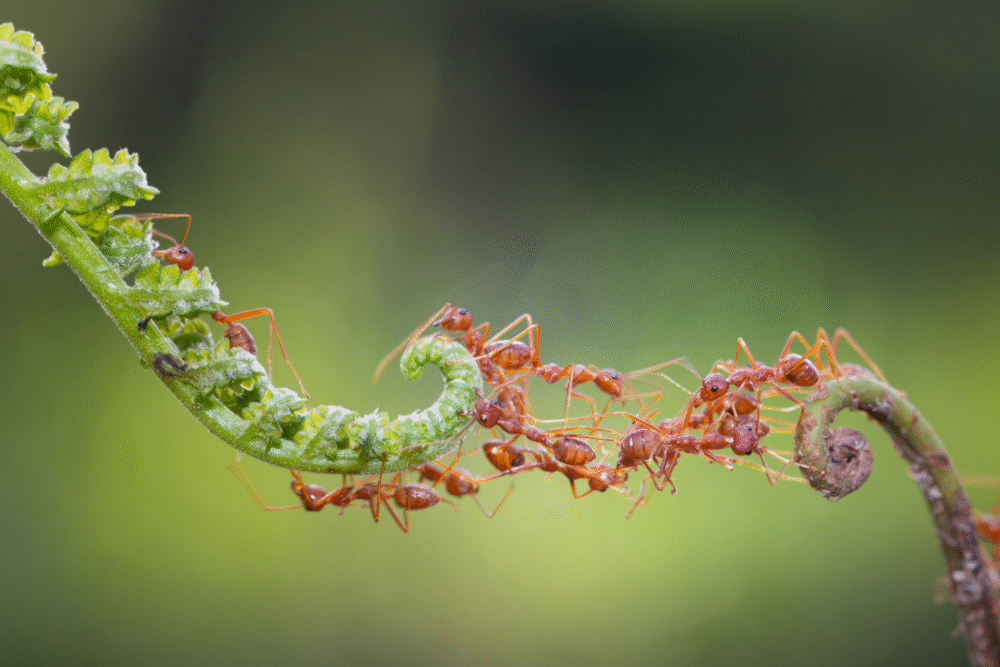
Ants are known for their complex social structures and evolutionary creativity. Some species farm fungi, others herd aphids — and now one has been found cloning another species. This makes ants one of the most behaviorally and genetically diverse groups on Earth.
The ability of Strongylognathus cf. italicus to manipulate another species’ reproduction showcases how evolution continues to invent astonishing survival strategies even in familiar ecosystems.
12. Scientists Say the Discovery Opens a New Frontier in Genetics
Researchers believe this discovery could inspire future studies into how genetic information transfers across species in nature. Understanding this process might help scientists explore new ways of preserving biodiversity or studying gene function.
For now, the European ant’s behavior remains a rare natural marvel — one that blurs the line between science fact and science fiction, proving once again that evolution’s imagination knows no limits.