
A chain-bound burial near Jerusalem is prompting historians to rethink early Christian faith and sacrifice.

Archaeologists excavating a Byzantine-era monastery near Jerusalem have uncovered a skeleton wrapped in chains, believed to belong to an early Christian ascetic. A single tooth provided the breakthrough: protein analysis showed the remains likely belonged to a woman.
The discovery challenges the long-held assumption that extreme ascetic practices, like self-restraint and self-mortification, were exclusive to men. Dating to roughly 350–650 A.D., the find offers the first physical evidence that women may have taken part in these rigorous spiritual traditions.
1. The Discovery Took Place in a Byzantine Monastery Near Jerusalem

During excavations of a Byzantine-period monastery just outside Jerusalem’s Old City, archaeologists uncovered human remains bound in chains. The site dates to between the 4th and 7th centuries A.D., when Christian monasticism flourished throughout the region.
Researchers believe the individual was buried within a small monastic cemetery, possibly among fellow ascetics. The unusual nature of the burial immediately drew attention—especially the presence of corroded metal chains wrapped around parts of the skeleton.
2. The Burial Matches Descriptions of Extreme Early Christian Ascetics
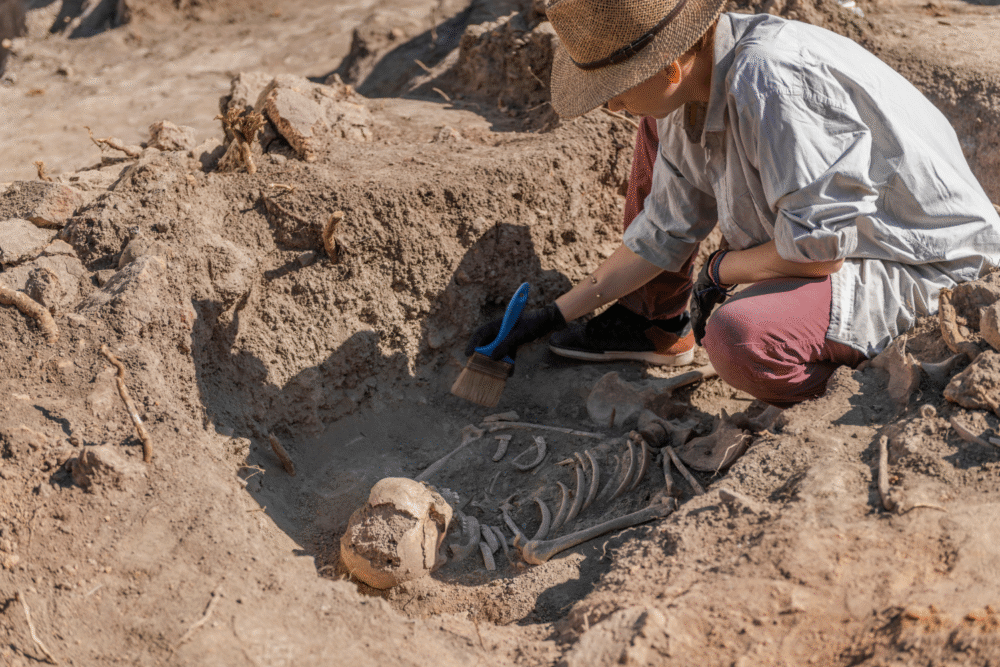
Ancient Christian writings describe individuals who lived in self-imposed suffering as an act of devotion, sometimes binding themselves in chains as a symbol of penitence and humility. Until now, those accounts were largely considered literary or symbolic.
This burial provided the first direct archaeological confirmation that such extreme practices were real and not merely moral allegories. The find links historical text and physical evidence in a way rarely possible for early Christianity.
3. Chains Found With the Skeleton Were Worn in Life, Not Added After Death

Analysis of corrosion patterns and bone placement suggests the chains were not ceremonial additions. Instead, the person likely wore them in life, as the metal left clear impressions consistent with prolonged contact with the skin.
This conclusion supports the idea that the individual lived as an ascetic devoted to spiritual endurance, echoing practices of early Christian hermits who renounced comfort and endured physical hardship as a form of continuous prayer.
4. The Remains Were Determined to Be Female Through Tooth Protein Analysis

The key discovery came from a single tooth. Using advanced protein testing, scientists identified the presence of the X-linked version of the amelogenin protein—found in female enamel—but no trace of the Y-linked version associated with males.
This result indicates with high probability that the skeleton belonged to a woman. It marks one of the earliest pieces of physical evidence showing that women, too, participated in extreme ascetic traditions once thought reserved for men.
5. The Finding Challenges Long-Held Assumptions About Gender and Devotion

For decades, historians assumed the most extreme ascetic acts—such as chaining the body or refusing all comfort—were performed exclusively by male hermits and monks. The Jerusalem find directly contradicts that belief.
By confirming that the chain-bound individual was likely female, the discovery expands the historical understanding of women’s roles within early Christian communities, suggesting that female ascetics may have been more common and influential than written sources imply.
6. The Burial Dates to the Height of Byzantine Monasticism

Archaeological dating places the monastery and burial between 350 and 650 A.D., coinciding with the golden age of Christian monasticism in the eastern Mediterranean. This was when monasteries spread rapidly across the Holy Land, emphasizing self-denial and spiritual purification.
The dating situates the woman’s life in a period of growing diversity among ascetics—from stylites who lived atop pillars to hermits who secluded themselves in caves. Her chain-bound devotion fits within this broader movement of extreme piety.
7. Women Likely Played Larger Roles in Early Monastic Life Than Recorded
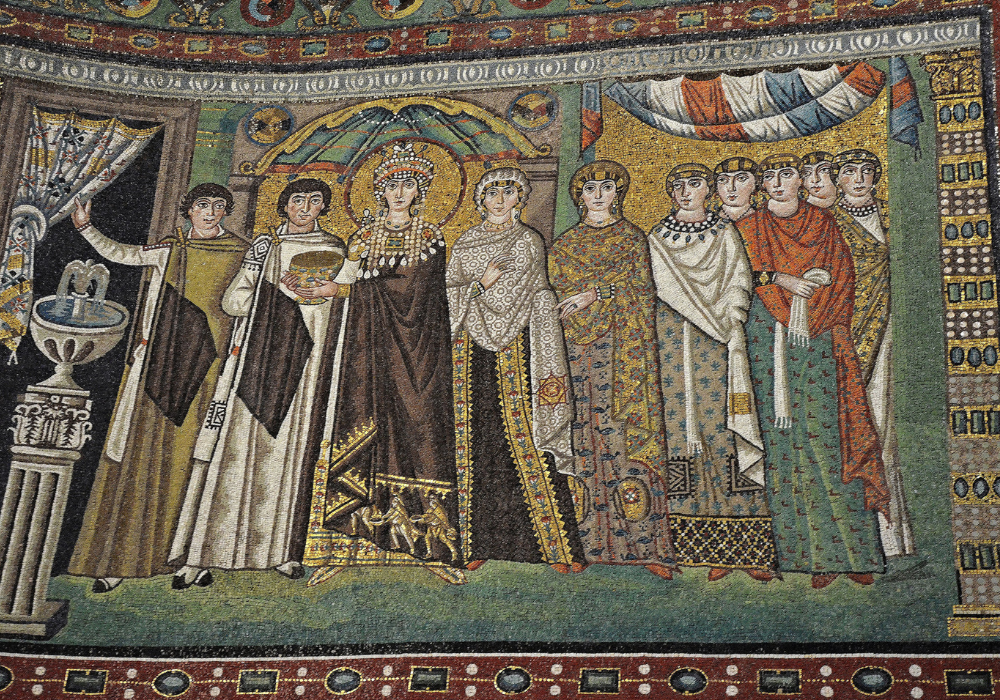
While historical sources often emphasize male monastic leaders, archaeological evidence increasingly points to women’s active participation in religious communities. Cemeteries associated with monasteries across the Levant contain both male and female remains.
The Jerusalem discovery reinforces this pattern, suggesting that women not only joined ascetic communities but may also have embraced their harshest disciplines—contradicting centuries of theological and social assumptions about gender roles in early Christianity.
8. The Discovery Highlights the Power of Modern Archaeological Science

Traditional skeletal analysis could not determine sex because the bones were too degraded. By applying cutting-edge proteomic testing, researchers could extract molecular clues preserved in the tooth’s enamel, allowing them to reconstruct identity with surprising precision.
This method demonstrates how modern science is reshaping the study of ancient religion. Even a single tooth can now challenge centuries of written interpretation and broaden our understanding of who practiced early Christian devotion.
9. Scholars Urge Caution Before Drawing Final Conclusions

Experts emphasize that while the protein evidence strongly supports a female identification, absolute certainty requires replication and further analysis. Environmental conditions or protein degradation could, in rare cases, obscure faint male markers.
Nevertheless, the context—the monastery, the chains, and the burial placement—makes it clear that this individual was part of a monastic environment. Whether nun, hermit, or lay devotee, her devotion was unmistakably ascetic in nature.
10. The Find Redefines How Historians View Early Christian Asceticism
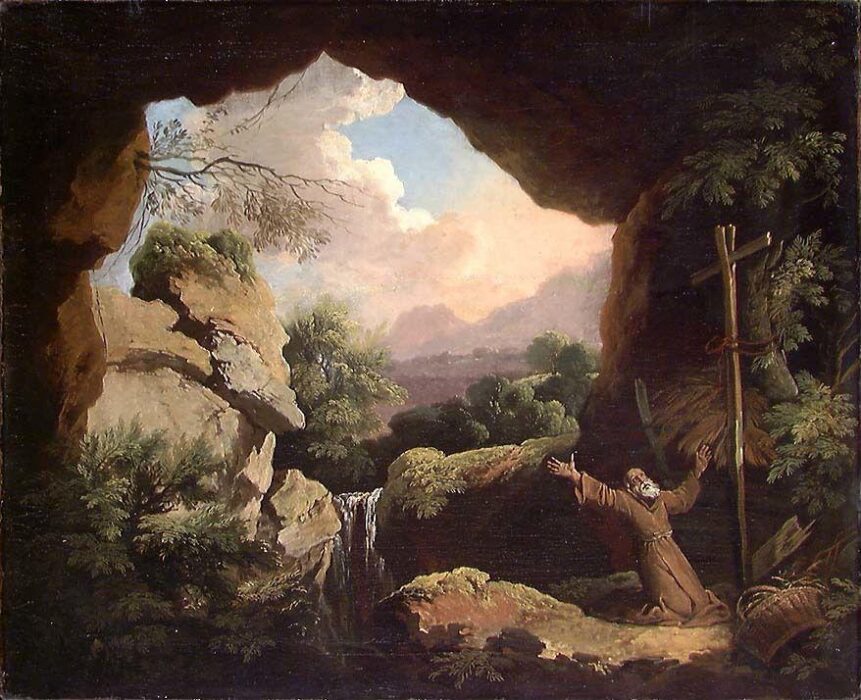
Instead of a male-dominated phenomenon, asceticism now appears more inclusive, encompassing women who embraced physical suffering as spiritual purification. The Jerusalem skeleton stands as physical proof that extreme devotion transcended gender boundaries.
This discovery encourages scholars to reexamine other ascetic references in early Christian literature, which may have downplayed or erased women’s participation to align with later church hierarchies.
11. Future Excavations Could Reveal More Female Ascetics
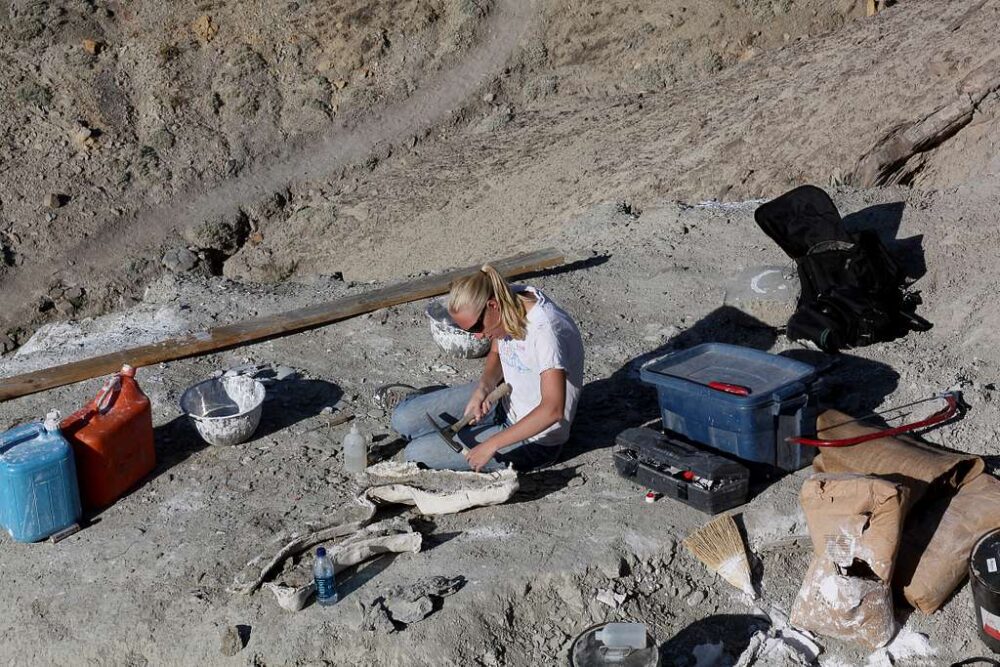
Archaeologists plan to expand excavations in and around the monastery to determine whether other chain-bound burials exist. Finding additional examples could confirm that women’s asceticism was not an isolated case but part of a broader religious culture.
Researchers also hope to compare these remains with others from Byzantine sites across the Middle East. Each new discovery could help complete the overlooked story of women who sought holiness through endurance, devotion, and sacrifice.