
A new U.N. report warns that global funding for climate adaptation is falling just as climate disasters intensify.
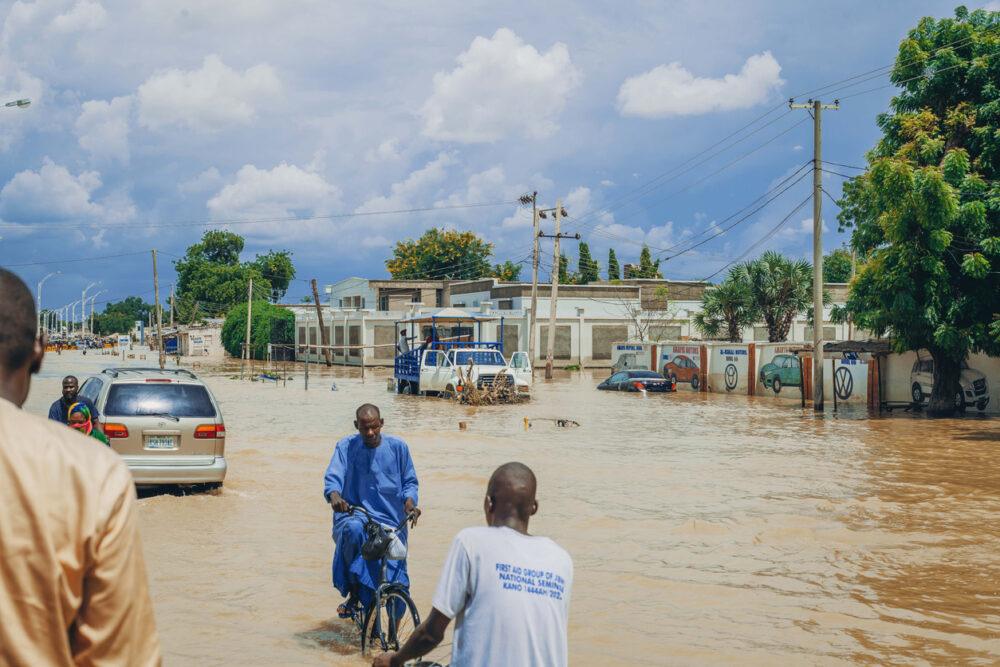
The United Nations has issued a stark warning: international funding to help developing nations cope with climate disasters is shrinking, even as floods, droughts, and extreme heat become more frequent. In its latest Adaptation Gap Report, the U.N. Environment Programme found that support for climate resilience dropped by roughly 15 percent last year. Officials say the shortfall leaves vulnerable countries increasingly exposed to climate-driven crises, threatening decades of progress on poverty reduction and sustainable development.
1. U.N. Report Warns Climate Adaptation Funds Are Declining
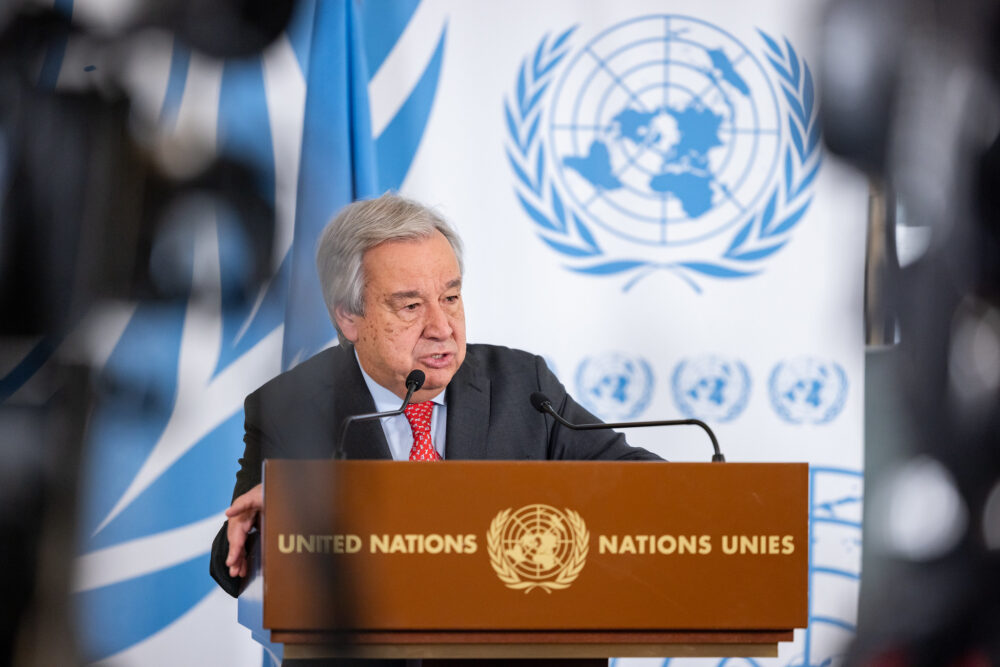
According to the United Nations Environment Programme’s Adaptation Gap Report, global funding for projects that help vulnerable nations withstand floods, droughts, and rising seas has fallen sharply. The report found that international contributions dropped by about 15 percent in the past year.
Officials warn that this decline comes at the worst possible time, as climate disasters intensify worldwide. Developing nations are being left without the resources they need to protect lives, food systems, and infrastructure.
2. Poor Nations Are Bearing the Brunt of Climate Impacts

The U.N. report emphasizes that developing nations—those least responsible for global emissions—are suffering the most severe consequences of climate change. Countries across Africa, South Asia, and the Pacific are facing mounting economic losses from floods, heat waves, and storms.
These regions also receive the smallest share of adaptation funding. Experts say that without rapid investment, climate-driven displacement, food insecurity, and health emergencies will accelerate across already fragile economies.
3. Adaptation Needs Have Grown Far Faster Than Funding

Researchers estimate that low- and middle-income nations now need between $215 billion and $387 billion annually to adapt to worsening climate impacts. Yet current international aid covers only a fraction of that—about one-tenth of what’s required.
The gap between what’s needed and what’s being delivered is widening every year. The U.N. warns that this shortfall could undo progress on global poverty reduction and force millions into extreme vulnerability as weather extremes worsen.
4. Record Heat, Floods, and Droughts Are Driving Urgency
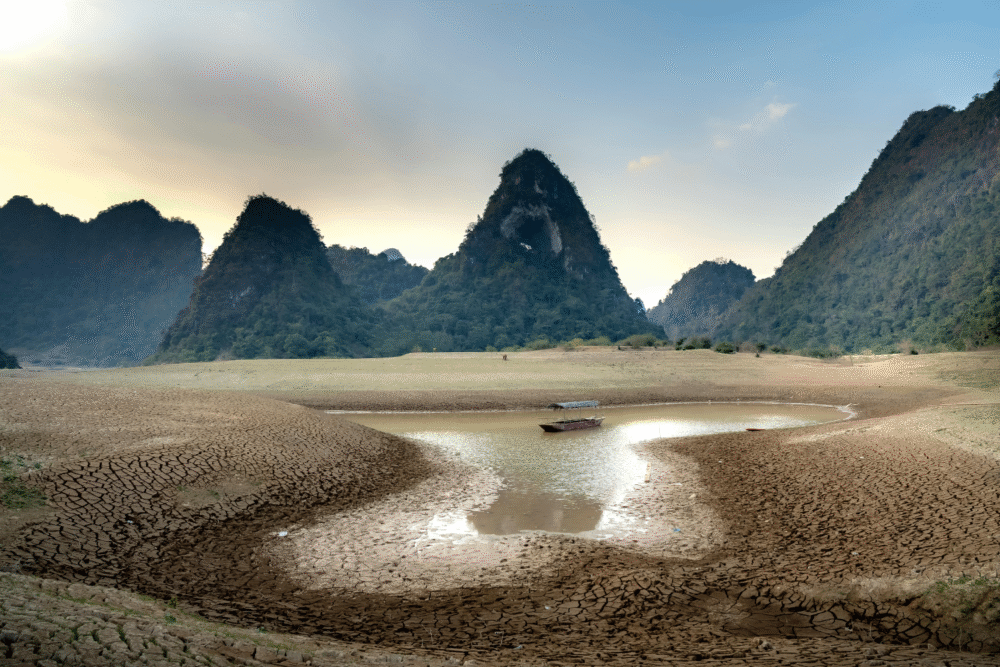
The past year brought unprecedented climate disasters—from deadly floods in Libya and Pakistan to prolonged drought in the Horn of Africa. Many of these nations lack the infrastructure to withstand such events.
Scientists say adaptation funding is essential for building early-warning systems, strengthening water supplies, and protecting agriculture. Yet as temperatures and damages rise, funding commitments from wealthy nations are falling rather than increasing, leaving the world less prepared for the next crisis.
5. Wealthy Nations Have Fallen Short on Climate Pledges

Under the Paris Agreement, developed countries pledged $100 billion annually to help poorer nations mitigate and adapt to climate change. But the U.N. report finds that these promises have repeatedly gone unmet.
Many industrialized nations have shifted focus toward domestic green investments or debt relief programs, leaving adaptation budgets underfunded. The failure to meet commitments has strained trust between wealthy and developing countries ahead of upcoming international climate negotiations.
6. Loss and Damage Funding Still Falls Short of Reality

Last year’s U.N. climate summit saw the creation of a “loss and damage” fund intended to help nations recover from disasters. But the Adaptation Gap Report notes that the fund remains largely symbolic, with limited financing pledged.
Analysts warn that without immediate capital, this initiative cannot fulfill its purpose. Climate disasters in poorer nations now cause tens of billions of dollars in losses each year—far more than the international community is providing in relief or rebuilding aid.
7. Private Investment in Adaptation Remains Minimal

While renewable energy has attracted major private-sector interest, adaptation projects—such as flood defenses or drought-resistant farming—receive little commercial investment. These efforts often yield social benefits rather than quick profits, making them less attractive to investors.
The U.N. calls for new financial mechanisms to draw private capital into adaptation. Proposals include risk-sharing programs, insurance-based incentives, and green bonds targeted toward infrastructure resilience and community protection.
8. Women and Rural Workers Face the Greatest Risks
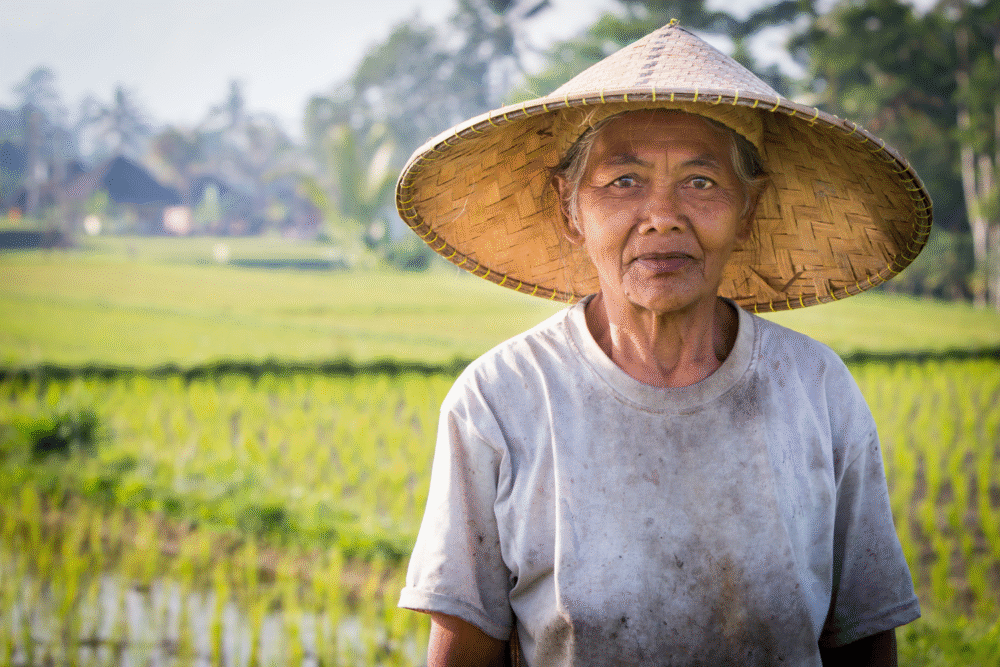
The report highlights that women, children, and agricultural workers are among those most affected by insufficient climate adaptation. In rural areas of Africa and Asia, heat waves and water shortages are already disrupting livelihoods and threatening food security.
Adaptation funding helps provide drought-resistant crops, irrigation systems, and health services. Without it, experts warn that gender and economic inequalities will deepen, leaving millions more exposed to hunger and forced migration.
9. The Shortfall Could Destabilize Global Economies
Economists warn that failing to fund adaptation now will cost far more in the future. Each dollar spent on resilience can save up to ten in disaster recovery, according to the U.N. Development Programme.
As climate disasters intensify, uninsured economic losses are piling up across developing countries. These financial shocks can ripple globally, affecting trade, migration, and security. Experts say the economic case for adaptation is now as compelling as the moral one.
10. U.N. Leaders Call for Urgent Action Before COP30
With the next round of global climate talks approaching, U.N. officials are urging nations to close the funding gap and renew trust in the Paris Agreement. They argue that adaptation is not charity—it’s an investment in global stability and shared prosperity.
The report warns that if wealthy nations continue to underfund adaptation, future climate summits risk losing credibility. For millions already living on the front lines of climate change, the consequences of inaction could be catastrophic and irreversible.