
U.S. scientists are conducting new subcritical tests to ensure the reliability of aging nuclear weapons.
For the first time in years, U.S. officials have conducted new nuclear weapons experiments—without detonating an actual bomb. The tests, carried out deep underground at the Nevada National Security Site, are part of ongoing efforts to assess the safety and reliability of the nation’s aging nuclear arsenal. Known as “subcritical” tests, they use high explosives and plutonium but stop short of triggering a nuclear chain reaction. The data helps scientists verify that America’s warheads remain stable without full-scale explosions.
1. The U.S. Recently Conducted a New Type of Nuclear Test
The Department of Energy confirmed that scientists at the Nevada National Security Site carried out a new round of experiments involving nuclear materials. These are not traditional detonations but rather precision tests using small amounts of plutonium and high explosives.
Officials say the purpose is to collect data on how aging nuclear components behave over time. The results help maintain confidence in the reliability of the U.S. stockpile without violating the global moratorium on nuclear test explosions.
2. Subcritical Tests Don’t Create a Nuclear Explosion
Unlike full-scale nuclear detonations, subcritical tests stop short of triggering a chain reaction. They are called “subcritical” because the amount of plutonium used never reaches the critical mass needed for a self-sustaining blast.
The experiments use high-speed sensors and X-ray imaging to measure how materials inside a weapon behave under extreme pressure. This data provides insight into weapon safety and performance while ensuring no explosion occurs underground.
3. These Experiments Are Legal Under Global Treaties

The United States signed the Comprehensive Nuclear-Test-Ban Treaty in 1996, which prohibits explosive testing of nuclear weapons. Although the treaty has not been ratified by Congress, the U.S. continues to observe its terms voluntarily.
Subcritical tests are allowed under the treaty because they do not produce a nuclear yield. They enable scientists to maintain readiness and safety standards while upholding the spirit of international non-proliferation commitments.
4. The Nevada National Security Site Remains America’s Test Hub

Located about 65 miles northwest of Las Vegas, the Nevada National Security Site has been the center of U.S. nuclear testing since the 1950s. More than 900 underground detonations took place there before full-scale testing ended in 1992.
Today, the site is used for subcritical experiments, emergency response training, and radiation detection research. Its remote desert terrain and extensive underground tunnels make it ideal for experiments requiring containment and security.
5. The Tests Support the Stockpile Stewardship Program
Since 1995, the United States has relied on the Stockpile Stewardship Program to maintain its nuclear arsenal without live detonations. The initiative combines computer modeling, laboratory analysis, and limited physical experiments like subcritical tests.
The program ensures that existing warheads remain safe, secure, and effective as they age. Scientists at national laboratories such as Los Alamos, Lawrence Livermore, and Sandia use the data to simulate nuclear performance with greater accuracy than ever before.
6. Aging Warheads Are the Primary Concern
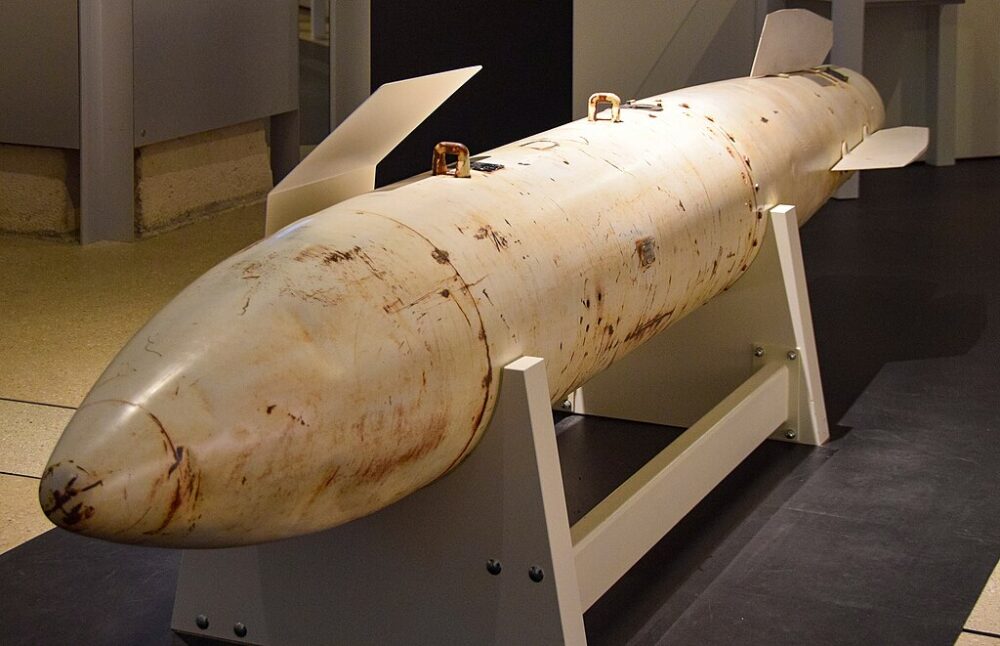
The U.S. nuclear arsenal is decades old. Some components in modern warheads date back to designs from the 1970s and 1980s. Over time, radioactive decay, corrosion, and environmental conditions can alter how materials behave.
Subcritical testing allows researchers to study these changes directly. By understanding how plutonium and other elements age, scientists can determine whether maintenance or modernization is needed to preserve safety and performance.
7. The Data Helps Scientists Model Nuclear Reactions Safely

Each subcritical test produces an enormous amount of high-resolution data captured by specialized cameras, sensors, and diagnostic tools. These instruments record microsecond-level reactions when explosives compress plutonium samples.
The results feed into supercomputer simulations that model nuclear detonations with remarkable detail. This approach allows researchers to study the physics of explosions without conducting dangerous or environmentally harmful nuclear blasts.
8. Critics Say the Tests Could Send the Wrong Message

While the experiments are non-explosive, some arms control advocates argue they might still undermine international confidence in non-proliferation efforts. They worry that continued testing—however limited—signals that nuclear weapons remain central to U.S. defense strategy.
Officials counter that transparency about the experiments and their scientific purpose helps reduce suspicion. They emphasize that the tests are necessary to ensure the existing arsenal remains safe without resorting to actual detonations.
9. Russia and China Are Also Modernizing Their Nuclear Programs

U.S. officials note that other nuclear powers, including Russia and China, are conducting their own research on warhead design and testing methods. Satellite imagery has shown increased activity at known test sites in both countries.
These developments have fueled debate in Washington about whether the United States must increase its research pace to maintain deterrence. The current policy, however, remains focused on stewardship rather than resuming explosive testing.
10. The Last Full Nuclear Test Was Conducted in 1992

The United States has not conducted an explosive nuclear test in more than three decades. The last one, known as “Divider,” took place at the Nevada Test Site in September 1992. Since then, the moratorium has held across multiple administrations.
Advances in simulation, high-speed imaging, and material science have allowed researchers to replace live detonations with digital and laboratory-based methods. These tools make it possible to test theories safely and with greater precision.
11. Subcritical Testing Ensures Safety Without Breaking Global Norms
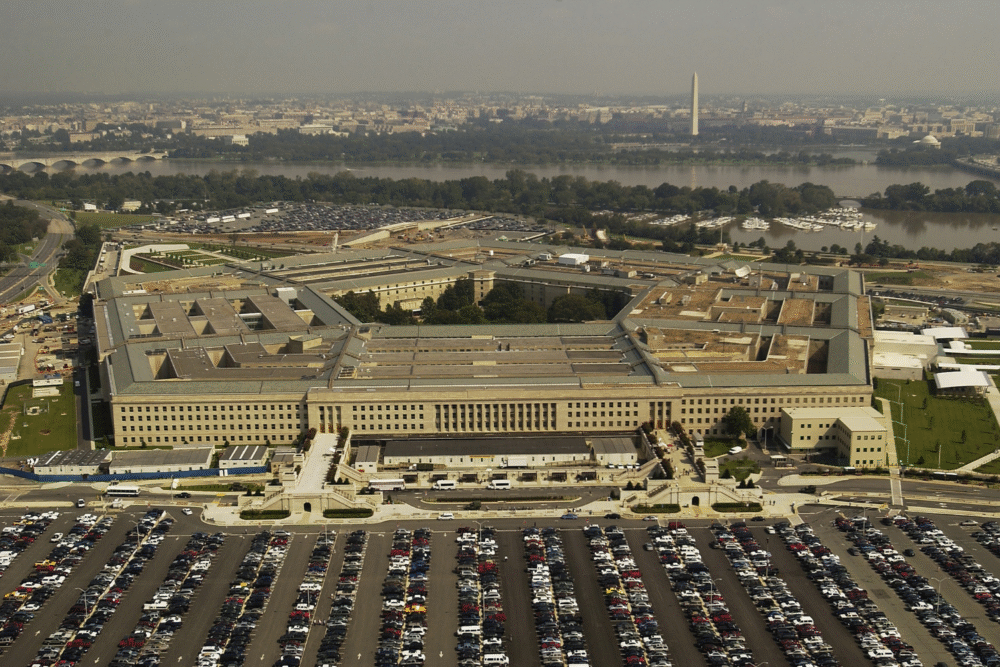
The recent experiment is part of a continuing series that demonstrates how the U.S. can verify its weapons’ reliability while respecting international standards. It shows that technological innovation can replace destructive testing while preserving deterrence.
Scientists say the data collected will help guide modernization projects and inform the next generation of safeguards. The approach reflects a broader strategy: keeping nuclear stockpiles stable, secure, and scientifically understood without reigniting an era of explosive testing.