
New research suggests DNA incompatibility between humans and Neanderthals may have hastened their demise.

A new genetic study offers fresh insight into why Neanderthals disappeared after interbreeding with early modern humans. Researchers found that DNA incompatibilities between the two species may have made hybrid offspring less fertile or healthy, weakening Neanderthal populations over time. The findings add a new twist to the long-debated question of why Neanderthals vanished about 40,000 years ago. Scientists say this subtle genetic divide could have tilted the evolutionary balance in favor of Homo sapiens.
1. Scientists Explore Why Neanderthals Vanished While Humans Survived
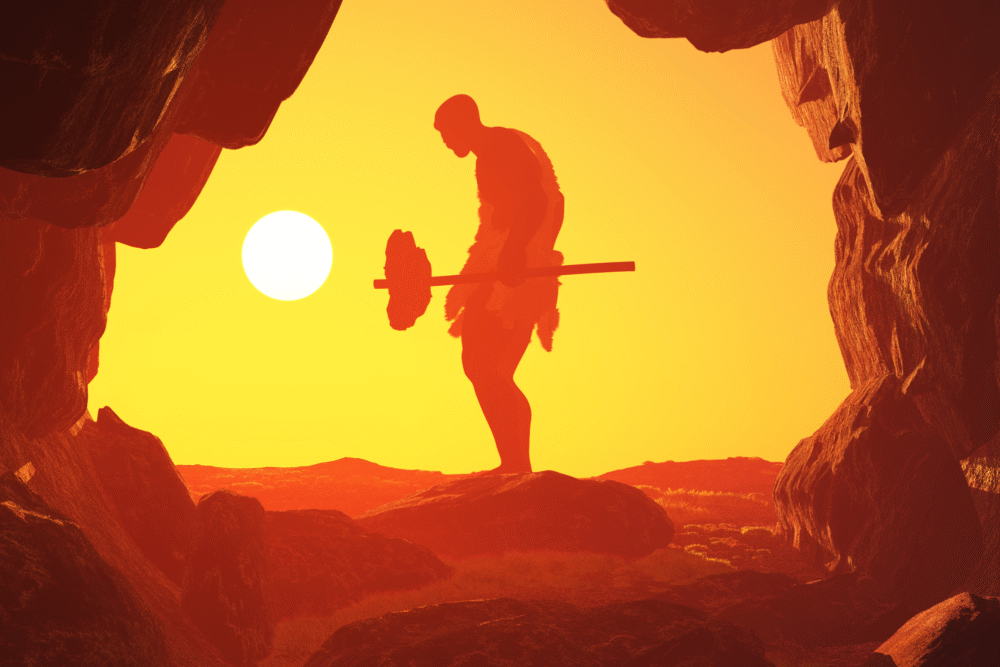
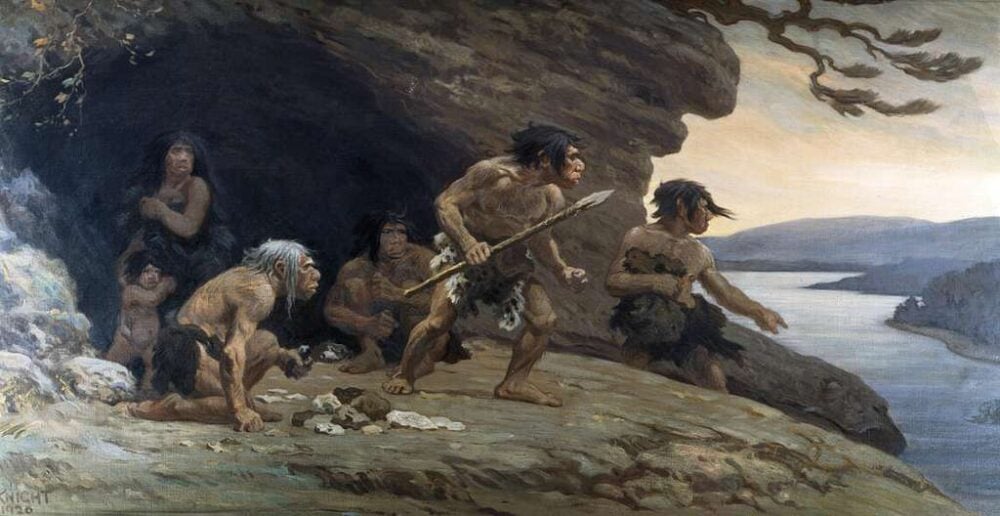
Researchers have long debated why Neanderthals, who thrived in Europe and Asia for hundreds of thousands of years, disappeared roughly 40,000 years ago. Climate shifts, changing food sources, and competition with early humans have all been proposed as causes.
Now, new genetic evidence adds another possibility: subtle DNA incompatibilities between Neanderthals and Homo sapiens may have weakened the hybrids that resulted from interbreeding. Over time, this could have reduced Neanderthal fertility and survival rates, accelerating their extinction.
2. DNA Studies Reveal a Complex Relationship Between Species

Modern humans and Neanderthals were closely related, sharing about 99.7 percent of their DNA. Genetic evidence shows that the two species interbred multiple times between 60,000 and 40,000 years ago, leaving traces of Neanderthal DNA in all non-African populations today.
However, the mix wasn’t seamless. Scientists analyzing ancient genomes found that certain Neanderthal gene sequences are underrepresented in modern humans, suggesting those regions may have been harmful to survival or reproduction—an early clue that genetic incompatibilities existed.
3. Genetic Incompatibility May Have Weakened Hybrids
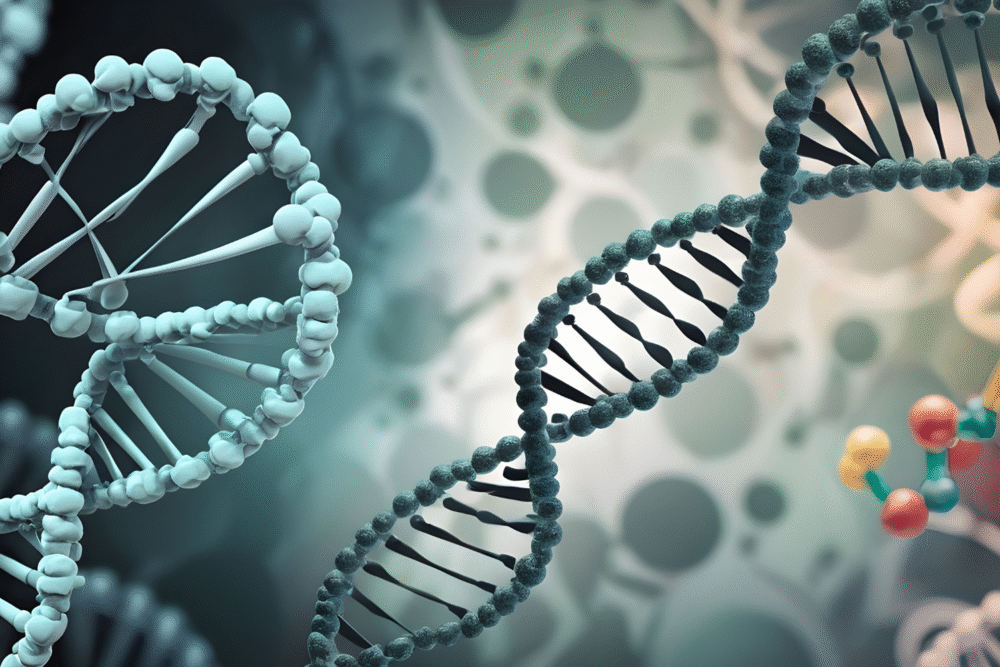
The new research focuses on the idea that some combinations of human and Neanderthal genes didn’t work well together. When these mismatched genes combined in hybrid offspring, they may have disrupted biological functions, leading to lower fertility or reduced health.
Over generations, this would have created a natural disadvantage for Neanderthal populations, which were already smaller and more isolated. Even mild genetic incompatibility could have pushed them closer to extinction as Homo sapiens expanded across Eurasia.
4. Neanderthals Had Smaller Populations and Less Genetic Diversity

Neanderthals lived in relatively small, scattered groups compared to the growing populations of early modern humans. This limited genetic diversity made them more vulnerable to environmental change and disease.
When interbreeding occurred, the influx of new DNA might have introduced genetic problems instead of benefits. Researchers believe that the combination of small population size and reduced compatibility may have made it harder for Neanderthals to recover from population declines.
5. Evidence Comes from Genome Comparisons Across Species
To test the compatibility theory, scientists compared ancient Neanderthal DNA with genomes from both ancient and modern humans. They found regions of the genome where Neanderthal DNA is almost entirely absent in modern people.
These “deserts” of Neanderthal DNA suggest that some hybrid combinations were less viable. The genetic incompatibility may have been subtle but persistent, reducing the success of Neanderthal reproduction over thousands of years until their disappearance became irreversible.
6. Interbreeding Didn’t Cause Extinction—But It May Have Helped It Along

Most experts agree that interbreeding alone didn’t wipe out Neanderthals. They faced multiple pressures, including shifting climates and competition for food. Still, genetic incompatibility may have tipped the balance when combined with other stresses.
In evolutionary terms, even a small fertility disadvantage can dramatically affect survival over many generations. The genetic barrier likely contributed to the gradual decline of Neanderthals while Homo sapiens continued to thrive and spread.
7. Some Neanderthal Genes Did Survive in Modern Humans

Despite possible incompatibilities, many Neanderthal genes remain part of the modern human genome. These genes have been linked to traits such as skin pigmentation, immune response, and metabolism.
This shows that not all interbreeding outcomes were negative. Some Neanderthal DNA provided useful adaptations that helped humans adjust to new environments outside Africa. What disappeared were likely the harmful or incompatible genetic combinations that natural selection removed over time.
8. Hybridization Left Uneven Traces in Human DNA

The amount of Neanderthal DNA in modern humans varies across populations, averaging about one to two percent. Some groups have more or less, depending on where and when their ancestors interbred with Neanderthals.
This patchy pattern supports the idea that some regions of Neanderthal DNA were selected against, while others proved advantageous. The uneven genetic legacy provides a detailed map of how interbreeding shaped our species and how incompatibility may have influenced evolutionary outcomes.
9. Climate and Competition Still Played a Major Role
Genetic factors may have weakened Neanderthal populations, but environmental pressures likely dealt the final blow. As ice-age climates fluctuated, Neanderthals faced shrinking habitats and food shortages.
At the same time, modern humans were more adaptable and better organized, using new tools and social cooperation to expand into Neanderthal territories. The combined stress of climate instability, competition, and reduced fertility may have made survival impossible for the smaller species.
10. The Extinction Likely Happened Gradually, Not Suddenly

Evidence suggests that Neanderthals didn’t disappear overnight. Their populations declined over thousands of years, gradually giving way to the growing presence of Homo sapiens. In some regions, the two groups coexisted for centuries before the last Neanderthals vanished.
This slow fade fits with the idea of cumulative pressures rather than a single catastrophic event. Genetic incompatibility, while subtle, could have compounded over time, gradually eroding the viability of Neanderthal populations until only Homo sapiens remained.
11. The Findings Add to a Bigger Picture of Human Evolution
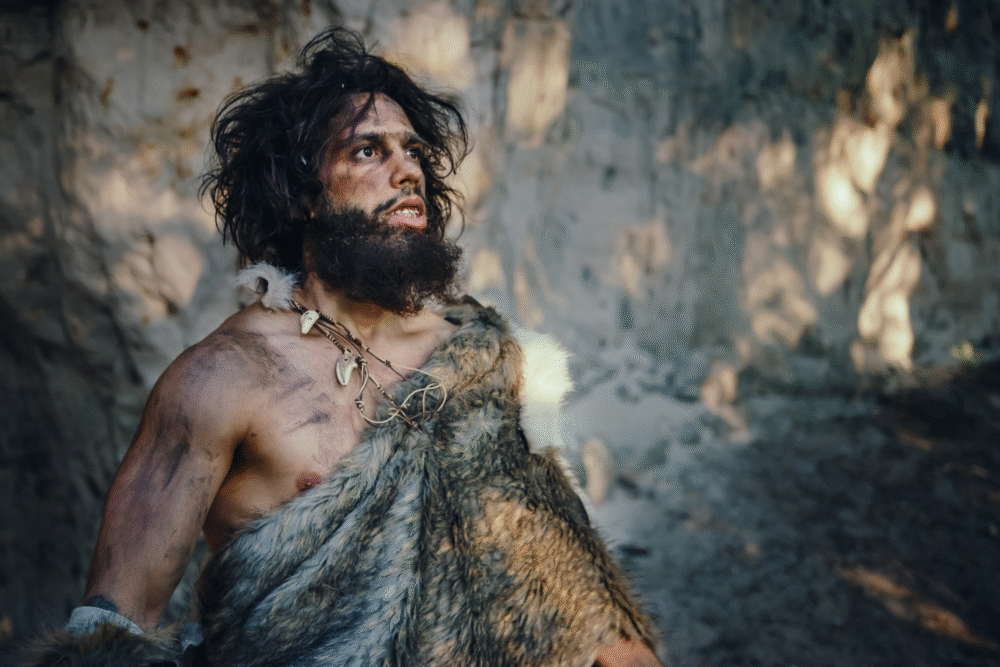
The new research highlights that evolution isn’t always driven by dramatic events—it can also hinge on small genetic differences that shape long-term survival. By studying these patterns, scientists are uncovering how species interactions influence extinction and adaptation.
For humans, the story of Neanderthal disappearance offers a mirror into our own history. It shows that survival sometimes depends less on strength or intelligence than on genetic compatibility and chance—factors still shaping evolution today.