
An examination of what we do know about alleged alien spacecraft—and where the mysteries remain.
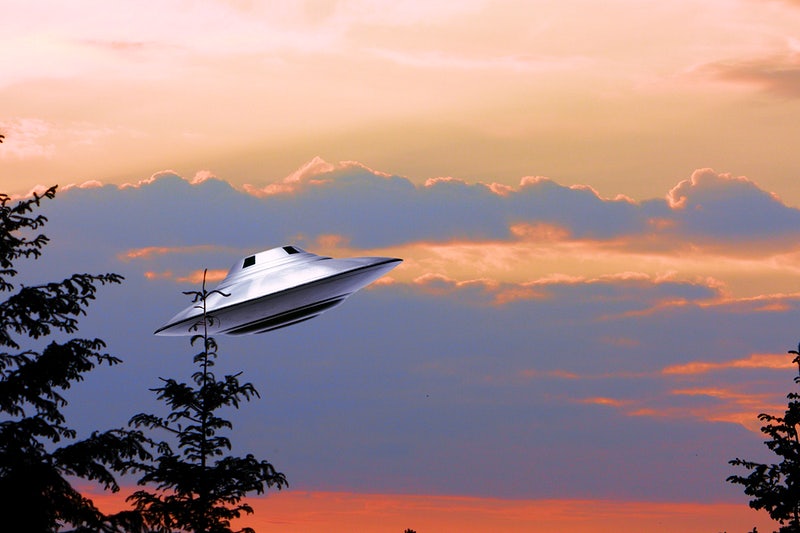
Allegations that alien spacecraft have been discovered and hidden by governments continue to generate headlines, but verified evidence remains elusive. Analysts note that while several incidents—such as declassified U.S. Department of Defense reports on unidentified aerial phenomena—have sparked interest, none have confirmed the recovery of extraterrestrial vehicles. Most claims lack verifiable data or peer-reviewed publication. Nonetheless, a handful of images, radar logs and whistle-blower testimonies are keeping the debate alive, urging scientists and officials to scrutinize fact from fiction.
1. Claims of Hidden Alien Craft Have Circulated for Decades

Rumors that governments have secretly recovered alien spacecraft date back to the late 1940s, shortly after the Roswell incident in New Mexico. Although that event was later attributed to a classified balloon project, it cemented the idea that officials might be concealing evidence of extraterrestrial technology.
Since then, stories of secret “crash retrieval programs” and hidden laboratories have resurfaced regularly in popular culture and online communities. Despite the intrigue, no credible documentation or physical proof of alien spacecraft has ever been made public.
2. The U.S. Has Studied Unexplained Aerial Phenomena
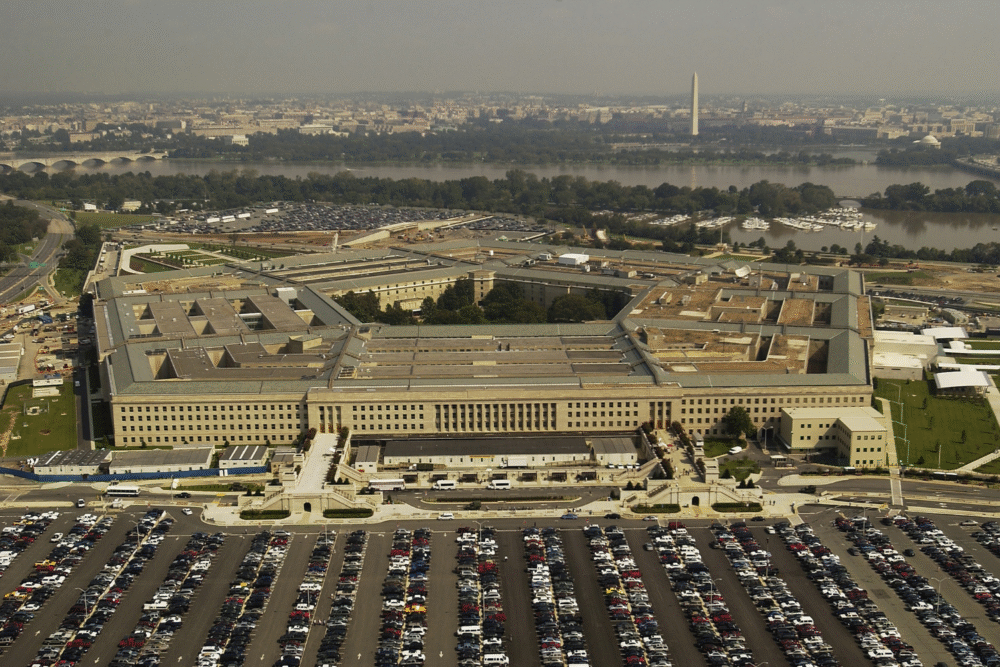
In recent years, the U.S. government has confirmed that it investigates unidentified aerial phenomena—commonly known as UAPs. These efforts began with the Navy’s Advanced Aerospace Threat Identification Program (AATIP) and continued through the Department of Defense’s All-domain Anomaly Resolution Office, or AARO.
Officials say the goal is to study unknown objects in the sky that might pose flight or security risks, not to confirm alien visits. So far, all publicly released analyses attribute most sightings to balloons, drones, optical illusions, or ordinary aircraft.
3. Declassified Videos Renewed Public Interest

In 2020, the Pentagon officially released three videos showing unidentified objects captured by Navy pilots in 2004 and 2015. The footage, which showed small shapes moving quickly against the sky, fueled speculation about advanced technology.
While the Navy confirmed the videos were authentic, officials emphasized that “unidentified” does not mean “extraterrestrial.” The clips illustrate how difficult it can be to identify distant objects captured by infrared sensors or cameras under high-speed conditions.
4. Recent Whistleblower Claims Sparked New Debate

In 2023, former intelligence official David Grusch claimed that the U.S. government possesses “non-human” spacecraft materials and has kept them secret for decades. His statements drew widespread attention and congressional interest but were not accompanied by any physical or verifiable evidence.
Multiple agencies and independent experts have since stated that they have seen no proof to support Grusch’s claims. While his testimony fueled renewed calls for transparency, no documentation or recovered materials have been publicly confirmed or examined.
5. Congress Has Pressed for Greater Transparency

Lawmakers from both political parties have expressed interest in understanding how UAP data is collected and analyzed. Recent hearings have asked defense officials whether any evidence of non-human craft has been found.
The Pentagon and NASA have both stated that, to date, they have discovered no confirmed signs of extraterrestrial vehicles or technology. Congress has nonetheless urged continued reporting and analysis to improve transparency and prevent speculation from filling the information gap.
6. NASA Has Its Own Independent UAP Study
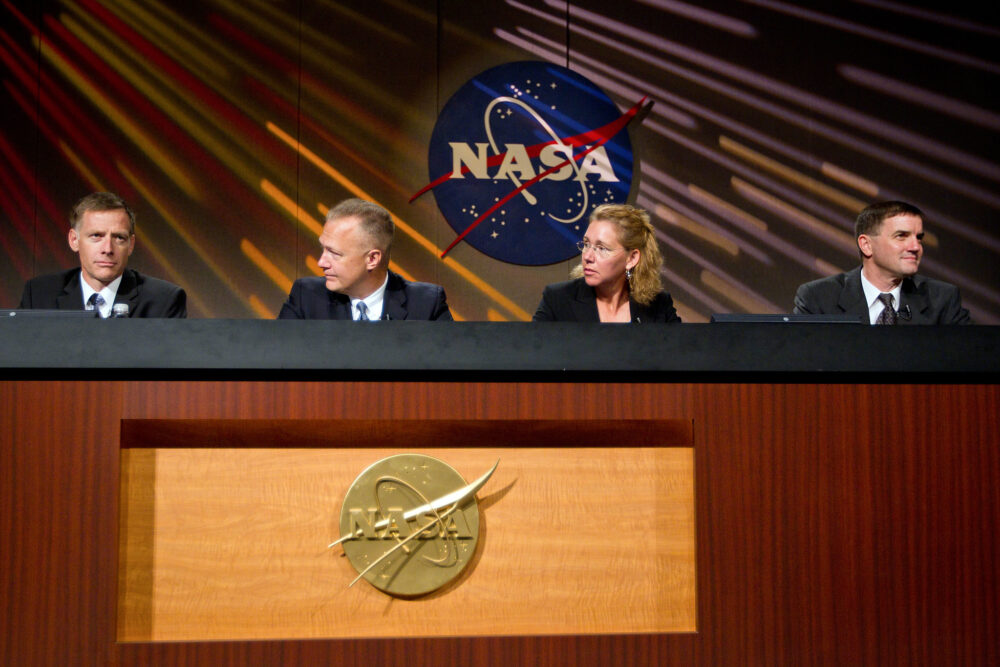
In 2022, NASA announced an independent study to examine publicly available data related to unexplained aerial phenomena. The team included physicists, former astronauts, and data scientists tasked with creating a scientific framework for studying future reports.
NASA’s 2023 summary concluded there was no verified evidence of alien craft but emphasized the need for better data collection. The agency said existing reports often lack critical details such as sensor calibration, environmental conditions, or corroborating radar information.
7. Experts Say Extraordinary Claims Require Extraordinary Proof

Astrophysicists and aerospace engineers consistently emphasize that claims of recovered alien craft must meet the same scientific standards as any other discovery—replication, peer review, and physical evidence. So far, none of the alleged materials or photographs meet that threshold.
Experts say the absence of verifiable samples makes it impossible to draw reliable conclusions. While skepticism doesn’t rule out the possibility of extraterrestrial life, scientists stress that proof must come through measurable, repeatable observation rather than testimony alone.
8. Possible Origins of the “Crash Retrieval” Myth

Many historians trace modern UFO retrieval stories to Cold War secrecy. During that era, projects such as spy-plane development and nuclear testing were classified, leading the public to misinterpret mysterious lights or aircraft.
When government agencies refused to comment for security reasons, conspiracy theories often filled the void. Researchers studying UFO folklore note that secrecy around military operations made it easy for rumors of alien technology to gain traction and persist for generations.
9. Some Materials Claimed to Be “Alien” Have Been Tested
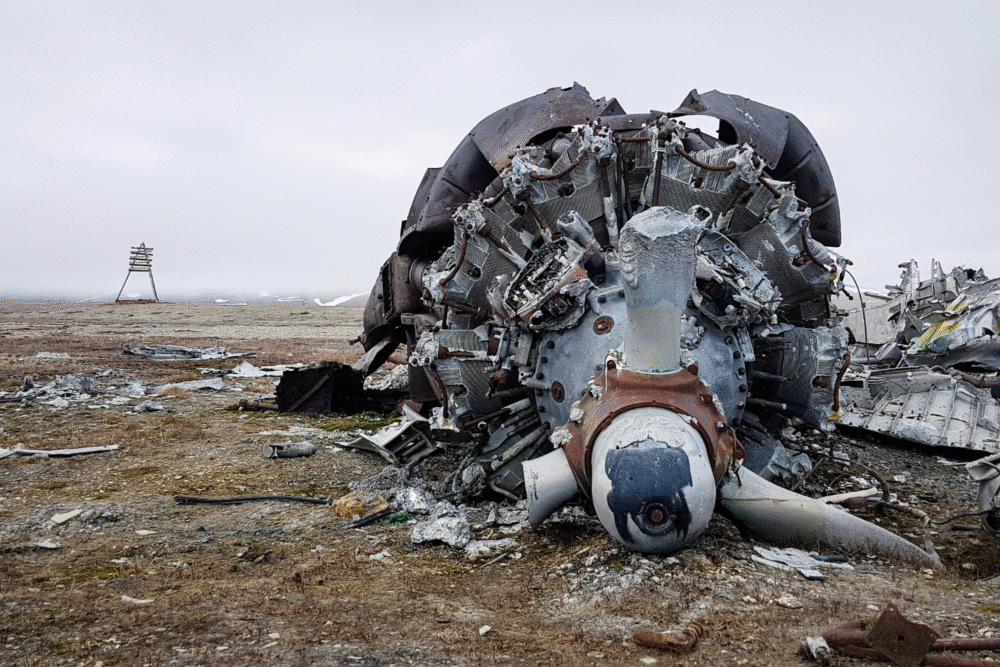
Over the years, individuals have presented metallic fragments they claimed came from alien craft. Independent laboratories and academic institutions have analyzed some of these samples, finding that they contained common terrestrial alloys such as aluminum, magnesium, and silicon.
No tested material has ever shown properties inconsistent with known Earth-based manufacturing or chemistry. These findings reinforce the scientific position that, so far, no physical evidence of extraterrestrial construction has been verified.
10. Astronomers Say Spacecraft Would Be Difficult to Hide

Astronomers point out that any interstellar object entering Earth’s atmosphere would be easily detected by global radar and satellite systems. Modern space surveillance networks can track objects only a few centimeters wide in orbit.
For an alien spacecraft to arrive and crash undetected would defy current understanding of physics and monitoring capabilities. Scientists add that extraordinary technology capable of crossing interstellar distances would likely not fail upon arrival—a key argument against hidden crash theories.
11. Most “UFO Sightings” Have Conventional Explanations

Decades of research have shown that the majority of UFO sightings result from misidentified aircraft, atmospheric phenomena, or human-made satellites. The appearance of new technologies—such as Starlink satellite constellations—has increased the number of mistaken reports.
Studies by independent astronomy groups and the U.S. Air Force’s past Project Blue Book consistently found that 90 percent or more of sightings had ordinary explanations. While some cases remain unexplained due to limited data, “unexplained” does not mean “alien.”
12. Scientists Continue Searching for Extraterrestrial Life—But Elsewhere
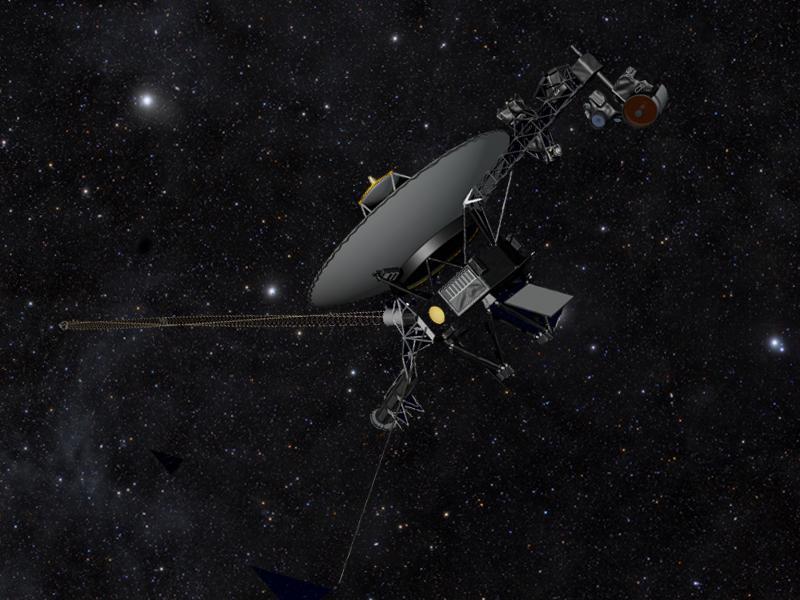
The absence of verified alien spacecraft doesn’t mean scientists have given up the search for life beyond Earth. Programs like the Search for Extraterrestrial Intelligence (SETI) monitor space for radio signals, while missions such as NASA’s Perseverance rover look for microbial fossils on Mars.
Astronomers have also identified thousands of exoplanets where life might exist. Experts say these research efforts—rather than rumors of secret recoveries—offer the most promising path toward answering humanity’s biggest question: whether we’re alone in the universe.