
Experts say falling space debris is becoming more common—and knowing what to do could matter.

Space junk reentering Earth’s atmosphere was once a rare event. Now, as thousands of aging satellites and rocket parts orbit the planet, experts say the odds of debris landing near populated areas are rising. Most fragments burn up before reaching the ground, but some larger pieces survive reentry. Recent incidents in the U.S., Australia, and India have sparked new safety discussions. Scientists say understanding the risks—and what to do if debris lands nearby—has never been more important.
1. Everyday Objects Are Reentering Earth’s Atmosphere
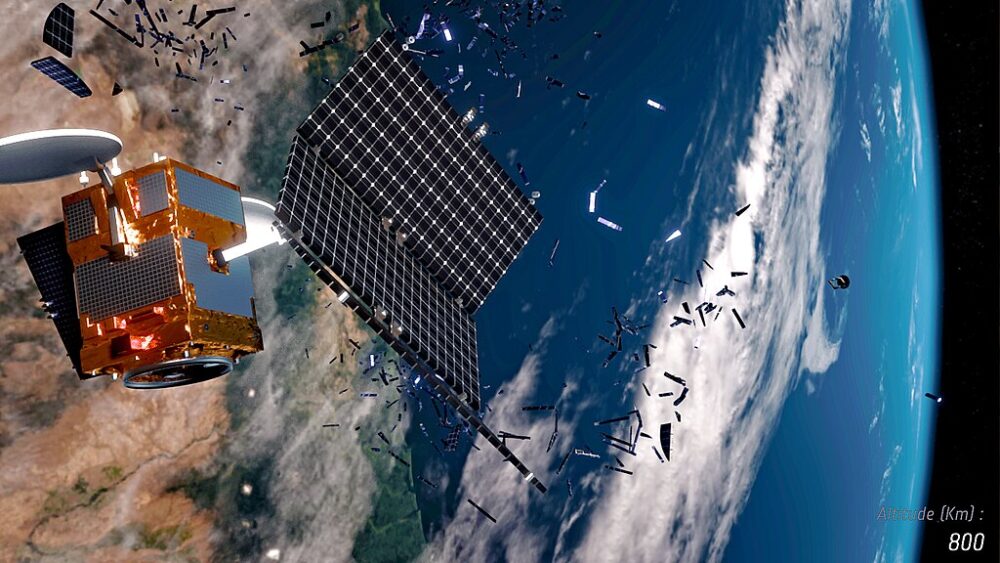
Thousands of pieces of human-made space debris—from defunct satellites to rocket stages—are gradually falling back to Earth. Space agencies estimate that a few moderate-sized objects reenter the atmosphere each week, and that number is likely to rise as orbital traffic increases.
Most debris burns up completely before reaching the ground, but larger or denser fragments can survive reentry. While the chance of any one person being struck is extremely small, experts say the growing volume of debris makes tracking and prevention increasingly important for global safety.
2. The Amount of Debris in Orbit Keeps Growing
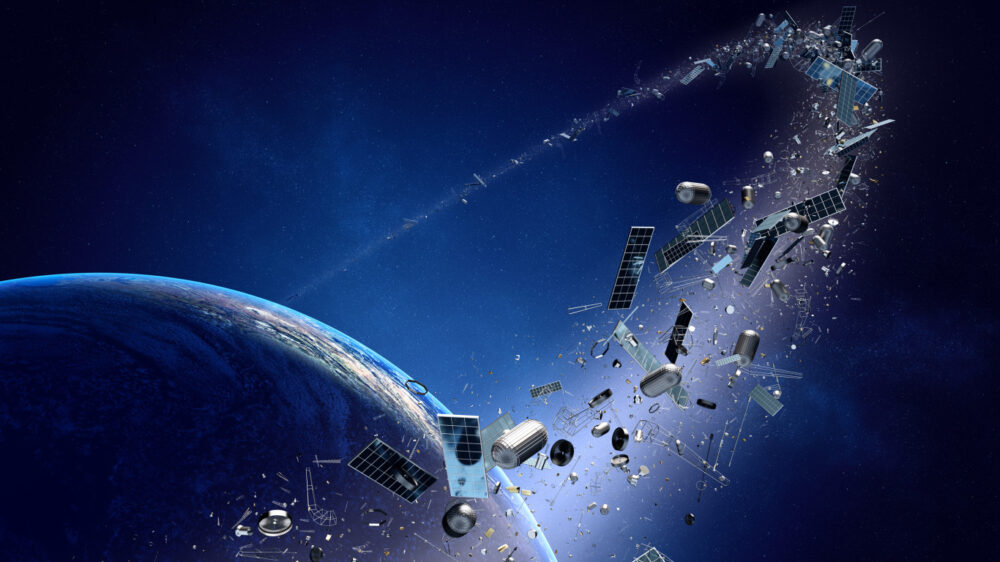
The number of tracked objects in Earth orbit now exceeds 35,000, not counting millions of smaller fragments too tiny to monitor. Every launch, satellite breakup, and collision adds new debris, increasing the odds of uncontrolled reentries over time.
As mega-constellations expand and more countries enter the space race, the orbital environment is becoming more crowded. Each additional object contributes to a higher likelihood that pieces will eventually fall back through the atmosphere, creating more frequent and unpredictable reentry events.
3. Uncontrolled Reentries Are the Biggest Concern
When satellites or rocket parts reenter without guidance, scientists call it an uncontrolled reentry. In these cases, gravity and atmospheric drag determine the trajectory, making exact landing sites nearly impossible to predict.
Up to 40 percent of the mass of large objects can survive the fiery descent. Most pieces land harmlessly in the ocean, but some have reached the ground in Australia, India, and the United States. As the number of launches grows, experts worry uncontrolled reentries could become a regular global hazard.
4. Some Regions Face Greater Risk Than Others
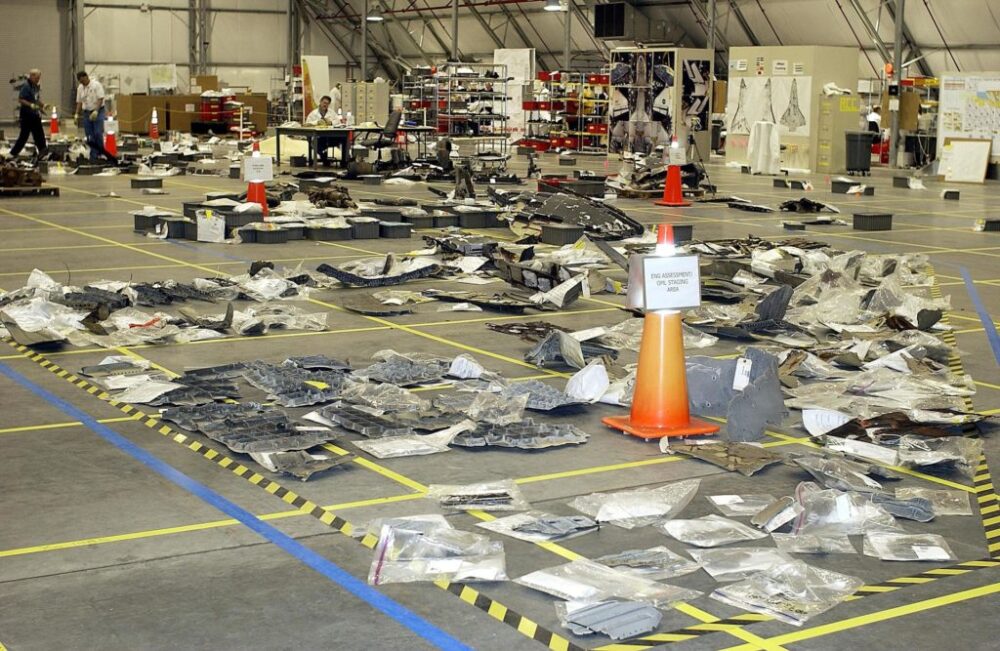
Not all parts of the planet face equal odds of being hit by falling debris. Densely populated regions between 30 degrees north and 30 degrees south—where most launches occur—see the majority of reentries. This includes parts of the United States, southern Europe, India, and China.
Statistically, most debris still lands over water or uninhabited terrain. But with more objects in orbit and more launches from low-latitude sites, scientists say the probability of debris falling near populated areas has quietly but steadily increased in recent years.
5. Most Debris Burns Up on Reentry—But Not All
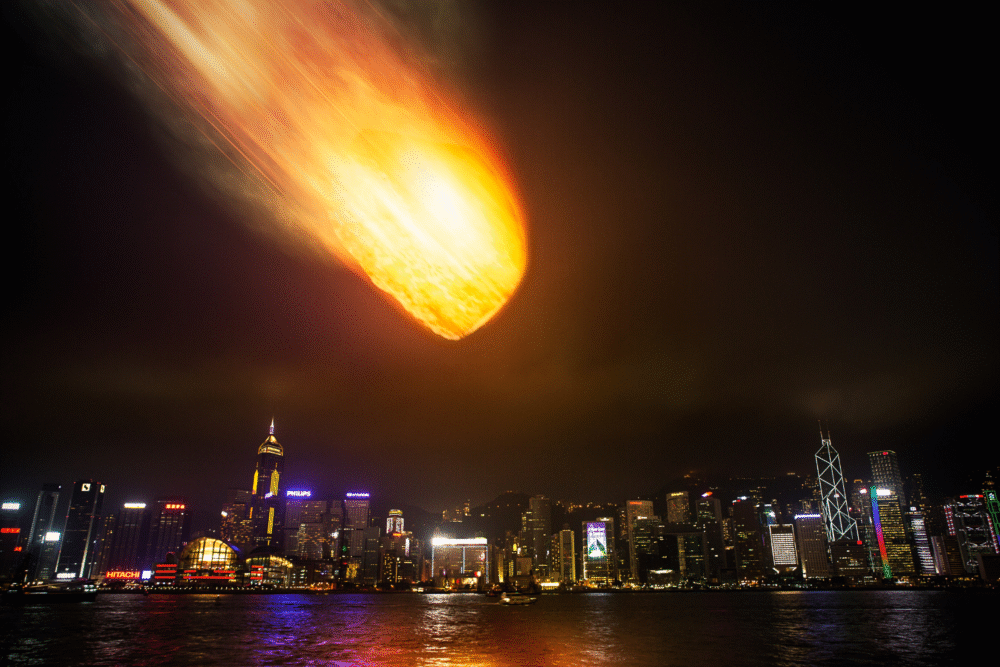
As debris hurtles back through Earth’s atmosphere, friction generates intense heat that causes most materials to disintegrate. However, larger metal components—such as fuel tanks or engine parts—can withstand those temperatures and reach the ground intact.
Only about 10 percent of a reentering object’s total mass typically survives, but that’s enough to create a hazard if fragments fall over land. Even small pieces can hit the ground with significant force, which is why reentry risk assessments are a regular part of modern mission planning.
6. Space Agencies Set Strict Safety Thresholds
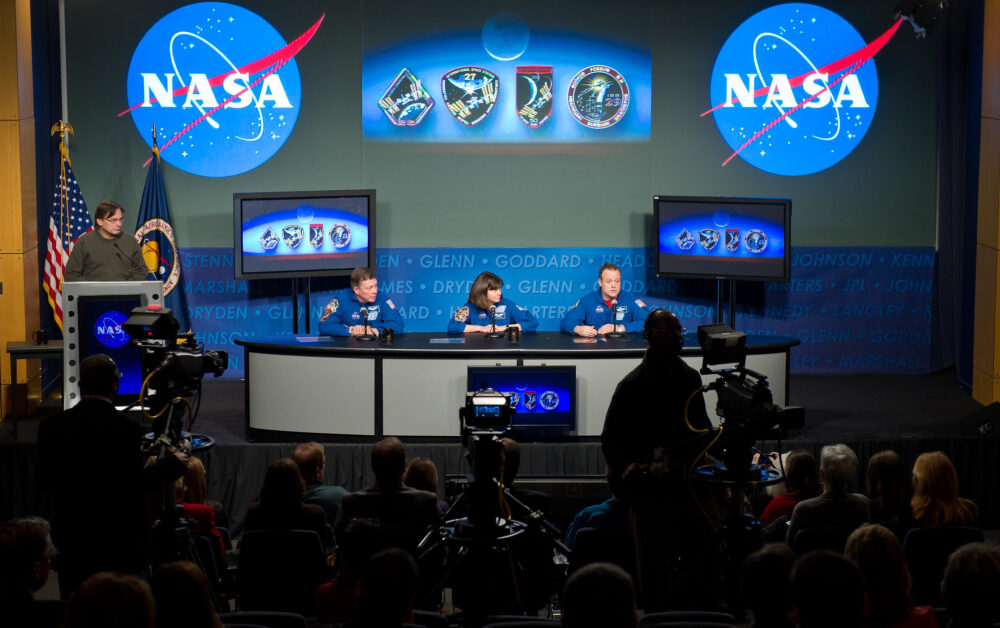
International guidelines require that any spacecraft or rocket stage left to reenter must keep its risk of causing injury below one in 10,000 per event. To meet that standard, agencies plan deorbit burns that direct debris into remote ocean regions known as spacecraft cemeteries.
If a mission can’t meet this threshold, a controlled reentry or additional safety measures are required. These regulations don’t eliminate danger entirely but are designed to ensure that no single reentry poses an unreasonable threat to people or property on the ground.
7. Tracking Falling Objects Is Challenging Work
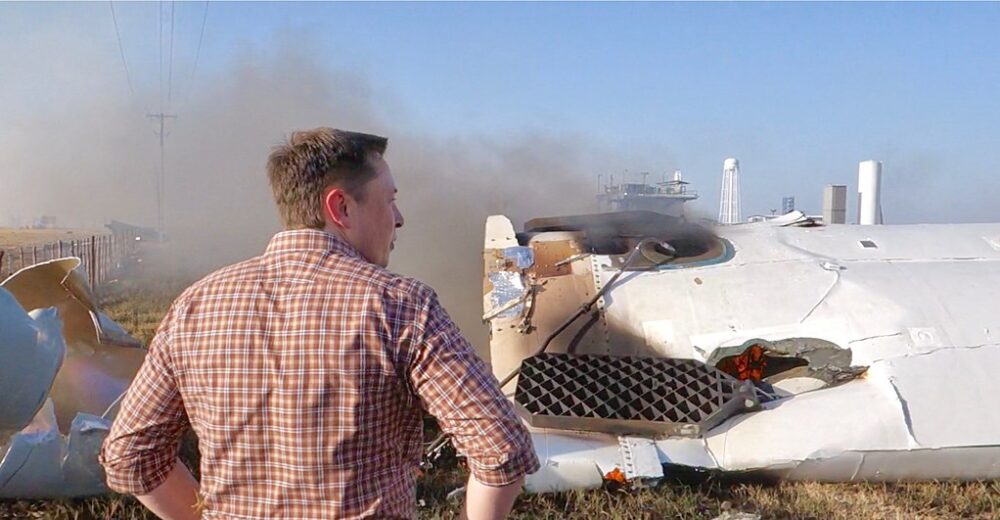
Predicting where and when a piece of debris will fall is far from simple. Factors such as atmospheric density, shape, mass, and orientation all influence how an object behaves as it reenters. Even small variations in altitude or temperature can dramatically change the landing zone.
NASA, the U.S. Space Force, and several international observatories monitor reentries daily, issuing public predictions when necessary. But despite these efforts, forecasts usually narrow locations only to within a few thousand kilometers until just hours before the object descends.
8. Aircraft Can Also Be at Risk During Reentry

Space debris doesn’t just pose a risk to people on the ground—it can also threaten aircraft in flight. Aviation authorities sometimes divert or delay routes when a large object is predicted to reenter, reducing the chance of midair encounters with falling fragments.
Though no commercial aircraft has ever been hit, experts say the risk will grow as both rocket launches and global air traffic increase. Coordinating space and aviation safety has become an emerging priority for agencies working to manage Earth’s increasingly congested skies.
9. Most Debris Falls Into Oceans or Remote Areas
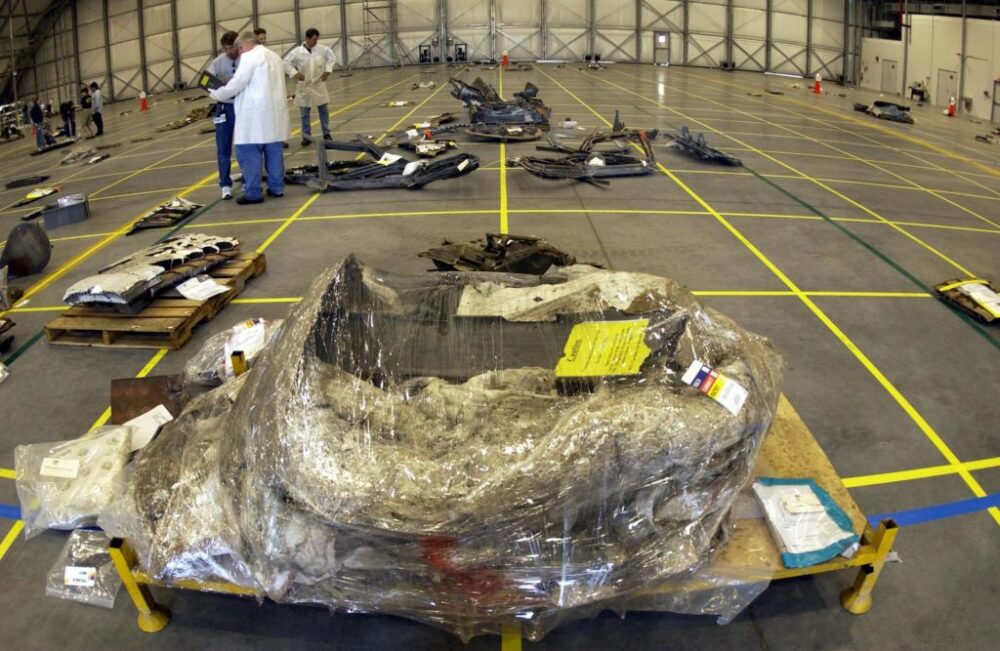
Earth’s surface is more than 70 percent water, and most debris ends up falling harmlessly into the ocean. Space agencies often aim controlled reentries toward remote areas of the South Pacific known as “spacecraft cemeteries,” where the chance of impact with humans or property is virtually zero.
Still, a small percentage of objects do make landfall. While most cause little or no damage, pieces of space junk have been recovered in countries from Australia to the United States, a reminder that even rare events can happen anywhere on the planet.
10. The Individual Risk Remains Extremely Low
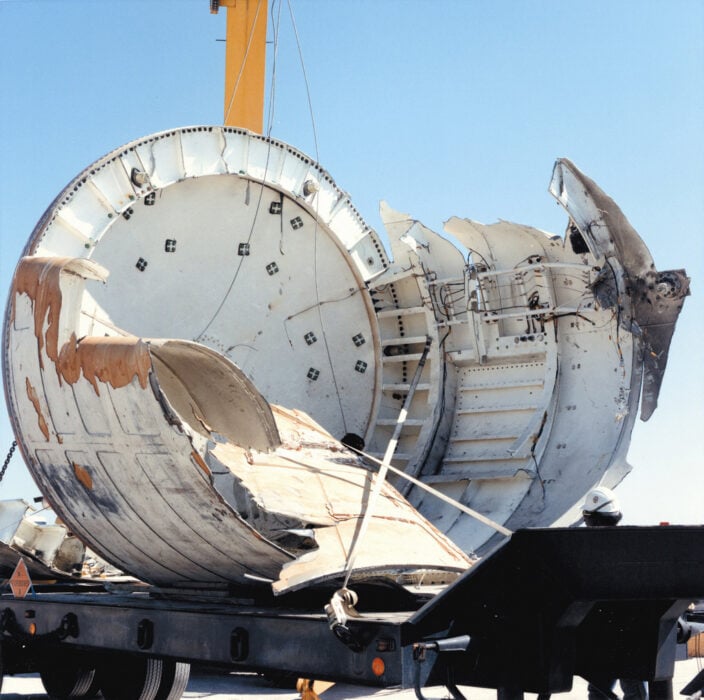
Despite growing awareness of falling space debris, the odds of being personally affected are almost nonexistent. Statistically, the likelihood of being struck by reentering debris is less than one in a trillion per year—lower than the odds of being hit by lightning several times in a lifetime.
That said, experts stress that the perception of risk changes when visible fragments fall or when incidents occur in populated areas. While no one should panic, understanding the phenomenon helps maintain realistic expectations about a growing issue in modern space activity.
11. What to Do If Space Junk Lands Near You
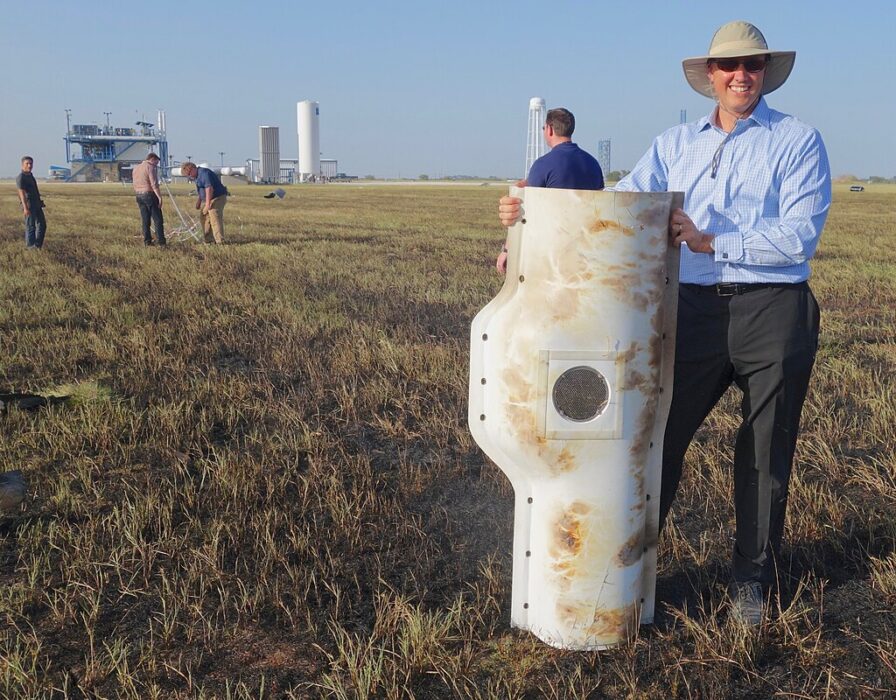
If you ever see a fireball streaking through the sky or find a metallic object that appears to have fallen from above, safety comes first. Do not touch or approach it—it may contain sharp edges or leftover fuel that could be toxic.
Instead, take photos from a safe distance, note the location, and report it to local authorities or national space agencies. Most fragments are collected for analysis to trace their origin. Awareness and caution are the best ways to protect yourself and contribute to space safety research.