
Astronomers detected strange radio signals from a distant comet—and they’re not sure what’s causing them.
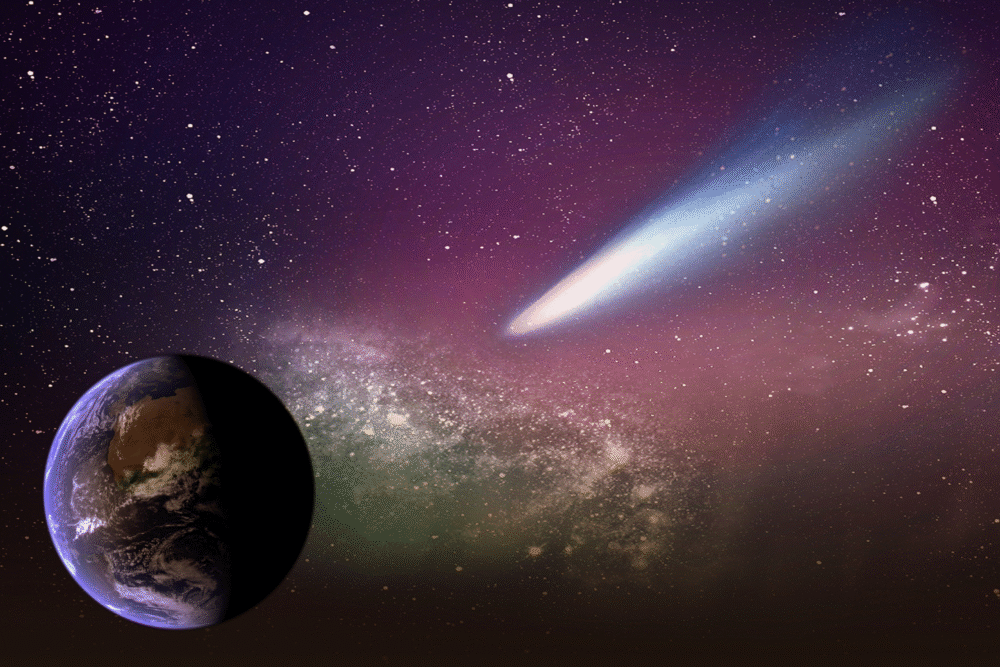
Astronomers studying a recently observed comet have detected unexpected radio emissions that don’t match typical cosmic patterns. The signals, recorded using specialized radio telescopes, appear to pulse in ways scientists can’t yet explain. Early data suggest the comet’s icy surface or magnetic interactions with solar radiation may be responsible, but researchers say more study is needed. The discovery has sparked excitement across the astronomy community, offering a rare glimpse into the hidden physics of comet activity.
1. Astronomers Detect Strange Radio Signals From a Comet
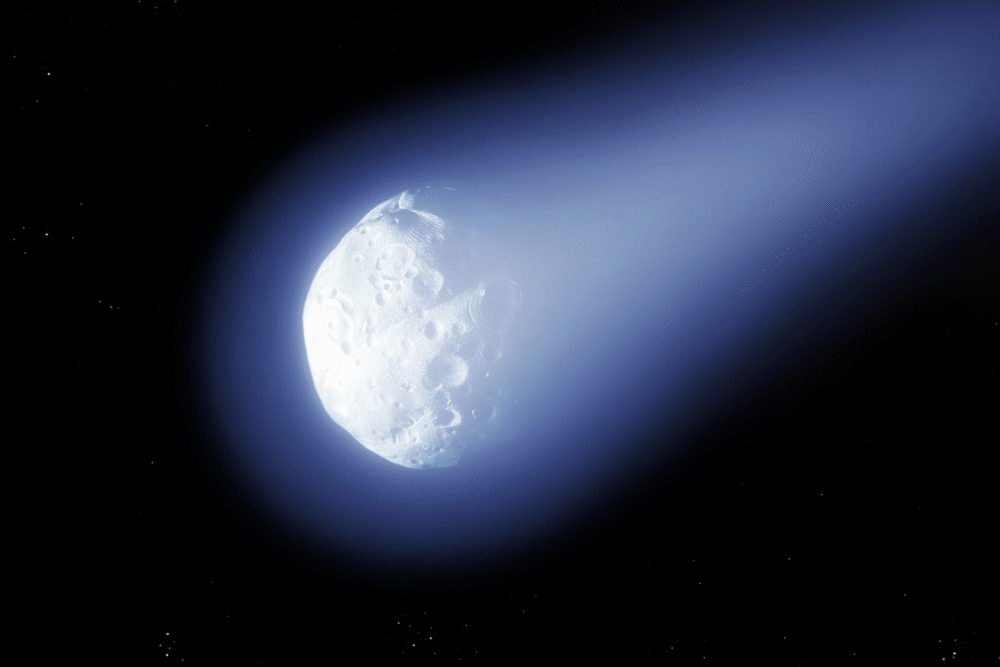
A team of scientists recently detected unusual radio emissions coming from a comet passing through the inner solar system. Using radio telescopes, researchers picked up signals that varied in strength and rhythm—an uncommon phenomenon for these icy celestial bodies.
While comets have been known to emit some radio waves through interactions with solar radiation, this particular pattern was unexpected. The finding has drawn interest from planetary scientists seeking to better understand what drives a comet’s electromagnetic behavior.
2. The Comet Appears to Emit Rhythmic Radio Pulses

The newly detected signals show a repeating pattern, similar to faint pulses. These rhythmic variations suggest that the emissions are tied to the comet’s rotation or its interaction with charged particles from the solar wind.
Astronomers believe the signals may arise as ionized gases escape from the comet’s surface, creating temporary magnetic disturbances. The pattern could reveal new insights into how comets evolve as they approach the Sun and release gas and dust.
3. Scientists Used Sensitive Radio Telescopes to Capture the Signals

Researchers recorded the signals using ground-based radio observatories capable of detecting extremely weak emissions. By isolating specific frequencies, they confirmed the source of the radio waves was the comet itself, not background interference from other cosmic sources.
These precise measurements allow scientists to map the energy output of comets and compare them to previous missions, such as ESA’s Rosetta probe, which recorded similar emissions from Comet 67P/Churyumov–Gerasimenko in 2014.
4. Comets Can Produce Natural Radio Emissions

Although unusual, radio signals from comets are not entirely unheard of. As solar radiation interacts with a comet’s gas and dust, it can generate electromagnetic waves that radiate across space. These signals often reveal the composition and temperature of the comet’s atmosphere.
The latest detection fits within this broader scientific context, but its intensity and structure stand out as unique. Researchers are now analyzing whether this comet’s activity differs from previously studied examples.
5. The Signals Likely Come From Charged Particles

One leading theory is that the emissions result from charged dust and gas interacting with magnetic fields in the solar wind. As these particles collide and scatter, they produce fluctuations detectable as radio waves.
Understanding this process helps scientists study how comets behave when they enter the Sun’s energetic environment. It may also offer clues about how magnetic and plasma interactions shape other small bodies in the solar system.
6. No Evidence Suggests the Signals Are Artificial
Despite the term “radio signals” sometimes sparking speculation about extraterrestrial sources, astronomers emphasize that the emissions are entirely natural. The frequency and strength of the waves match physical processes already observed in comets and other solar system objects.
The discovery underscores how many natural cosmic phenomena can mimic structured signals. For scientists, these observations are valuable tools for studying how simple physics—not intelligence—produces complex patterns in space.
7. Solar Wind May Play a Central Role
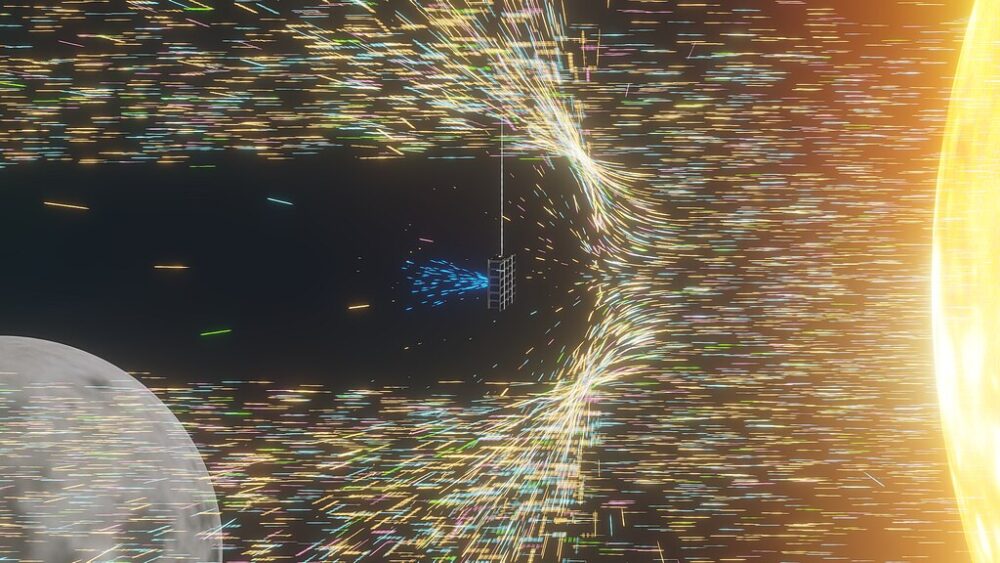
The comet’s journey through streams of charged solar particles may be amplifying the observed radio waves. As the solar wind interacts with the comet’s tail, it can generate magnetic turbulence that radiates across multiple wavelengths.
Researchers are now modeling how these interactions change as the comet gets closer to or farther from the Sun. This data could help predict when and where such radio emissions might occur again.
8. The Discovery Builds on Earlier Comet Research

The European Space Agency’s Rosetta mission previously detected “singing” radio emissions from a comet in 2014, caused by plasma oscillations around its nucleus. The new finding appears to be part of the same family of phenomena but with distinctive frequency variations.
By comparing data from both events, scientists hope to refine models of how comets release and ionize gases. The new signals could represent a different stage of activity or a previously unseen composition of material.
9. The Signals Could Reveal Clues About the Early Solar System

Because comets are relics from the solar system’s formation 4.6 billion years ago, studying their electromagnetic activity helps scientists understand ancient materials and magnetic conditions. Each emission pattern reveals how solar radiation interacts with primordial ice and dust.
This information can help reconstruct the chemical and physical environment that existed when planets, asteroids, and comets were first forming—turning a curious signal into a valuable window into the past.
10. Scientists Plan Follow-Up Observations to Confirm the Findings
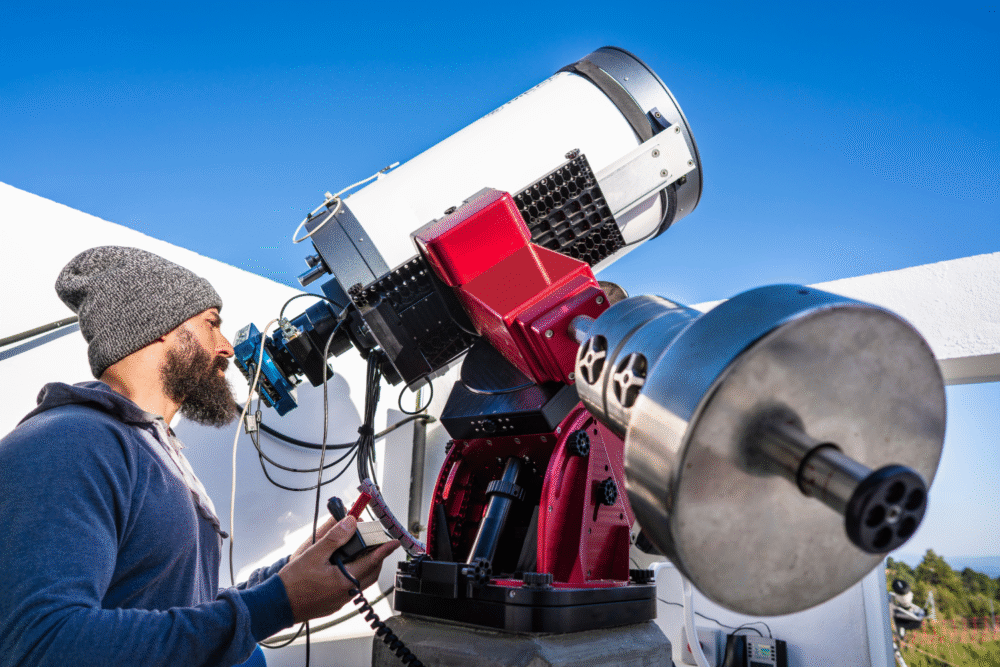
The research team is now coordinating follow-up studies using additional observatories to verify the discovery and gather higher-resolution data. Continuous monitoring will help determine whether the emissions are consistent or change over time.
If confirmed, this would be one of the most detailed radio observations of a comet in decades. Scientists say the event highlights how even familiar solar system objects can surprise us—and how much remains to learn about their hidden activity.