
Researchers are using artificial intelligence to decode whale communication—and it may transform animal rights.
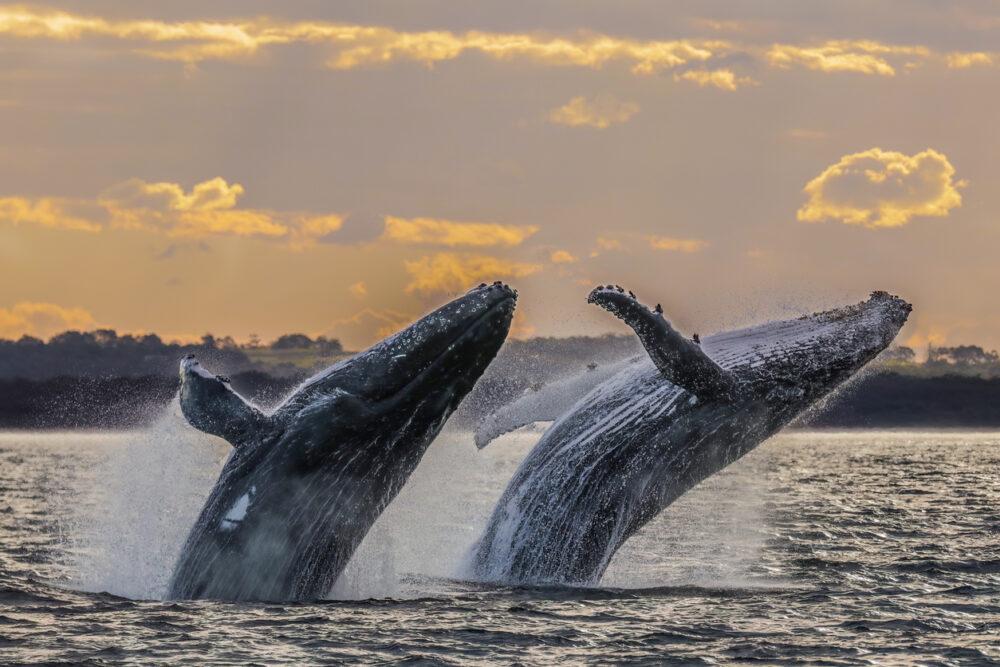
Scientists are now using artificial intelligence to analyze the complex clicks and patterns whales use to communicate, revealing what may be the first real glimpse into nonhuman language. The groundbreaking research, led by Project CETI, is uncovering astonishing levels of structure and meaning in sperm whale vocalizations. Experts say this technological leap could reshape how humanity understands—and legally protects—intelligent species. If whales truly have language, it may force us to rethink what rights they deserve.
1. Scientists Are Using AI to Listen Like Never Before

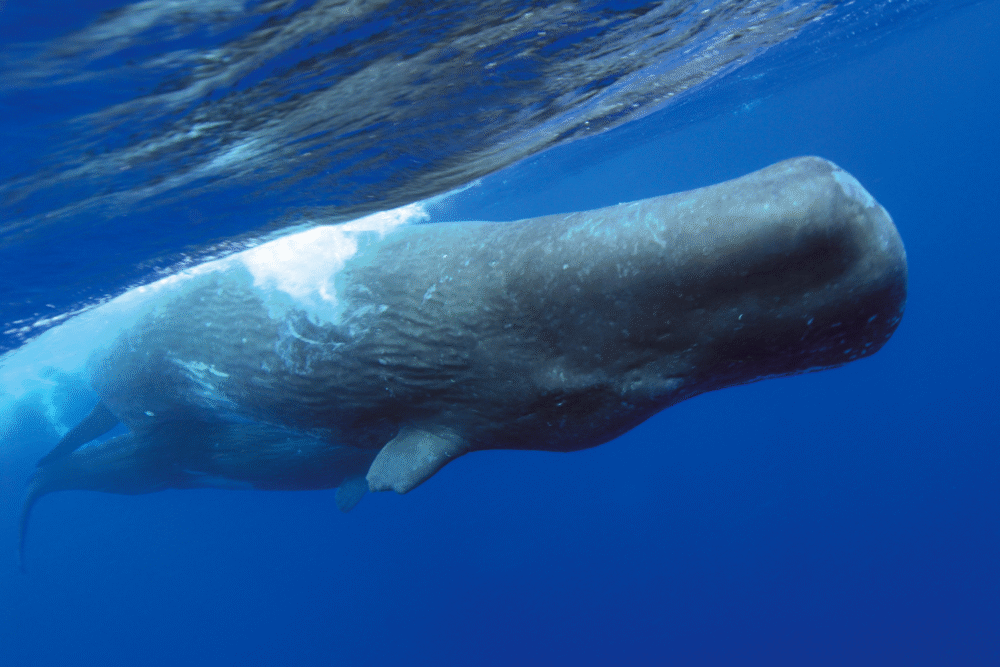
A team of researchers with Project CETI—short for Cetacean Translation Initiative—is using advanced artificial intelligence to decode the vocal patterns of sperm whales. By analyzing thousands of hours of underwater recordings, the AI system identifies recurring click sequences known as “codas,” which function like words or phrases.
These findings mark a turning point in marine science. For the first time, computers can detect patterns too subtle for human perception, giving researchers a new window into how whales communicate complex ideas beneath the waves.
2. Whale “Codas” May Function Like Words and Sentences
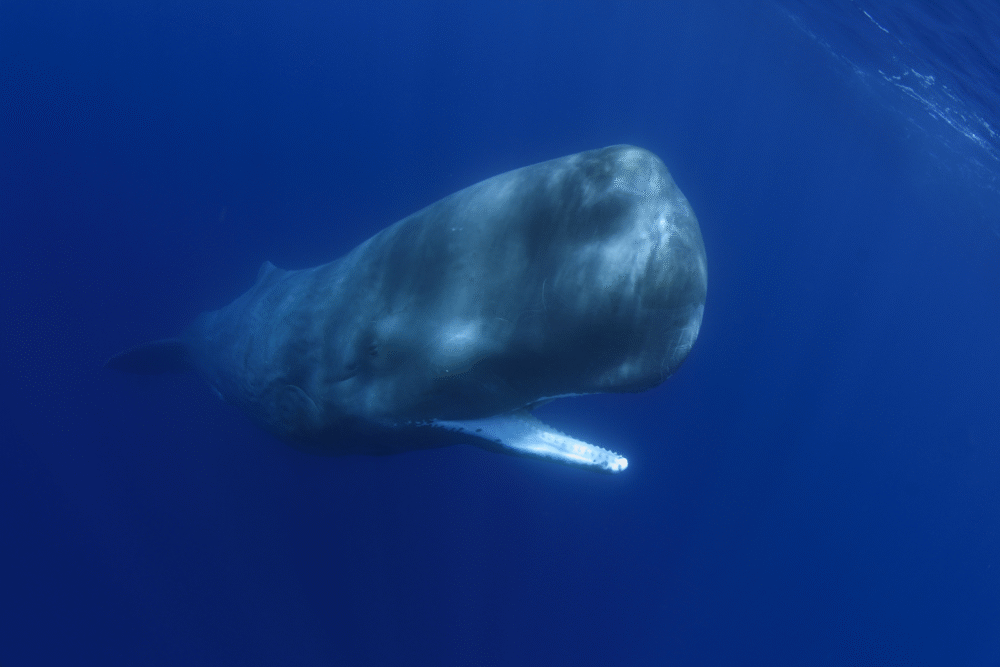
Sperm whales use rapid-fire clicks that vary in rhythm and spacing, creating distinctive coda patterns. Scientists have long suspected that these sounds convey more than basic signals—they may represent identity, emotion, or coordination.
AI analysis is now revealing patterns of structure and repetition that resemble syntax, the foundation of human language. While researchers are cautious about drawing direct parallels, the data suggest whales might use rules of communication more sophisticated than any previously confirmed in nonhuman species.
3. AI Has Already Detected Unique Dialects Among Pods
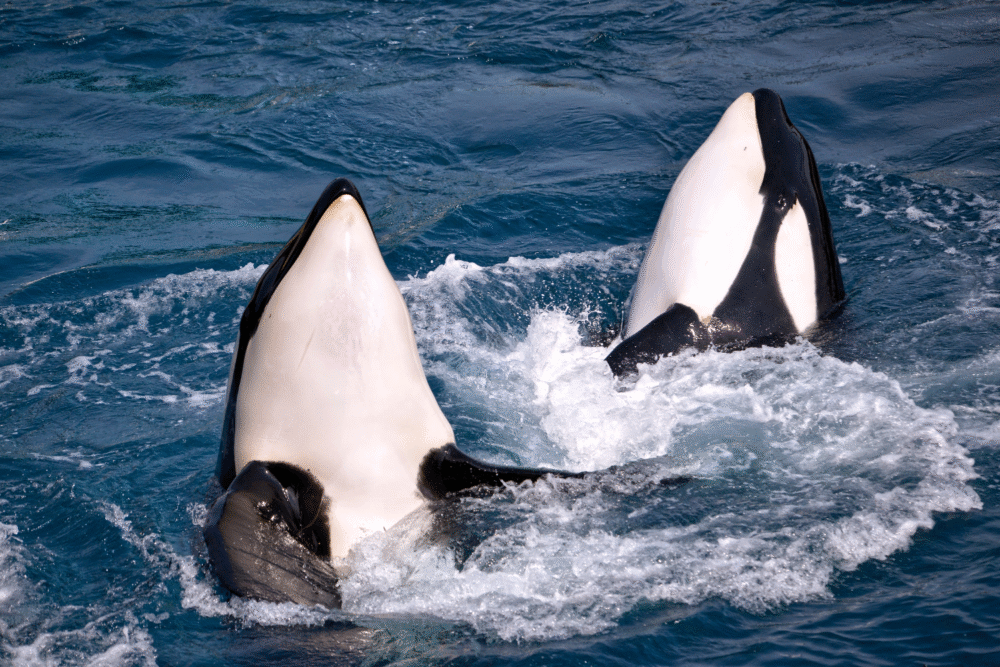
Project CETI’s algorithms have uncovered evidence that different whale families, or pods, use distinct coda dialects—variations in rhythm and pacing that function much like regional accents. These dialects appear to persist across generations, showing signs of cultural transmission.
This finding supports the idea that sperm whales possess social complexity rivaling that of great apes and elephants. Each group’s unique vocal “signature” may encode social identity and even heritage, underscoring how culture, not just instinct, shapes whale communication.
4. The Project Uses Machine Learning Similar to Language Models
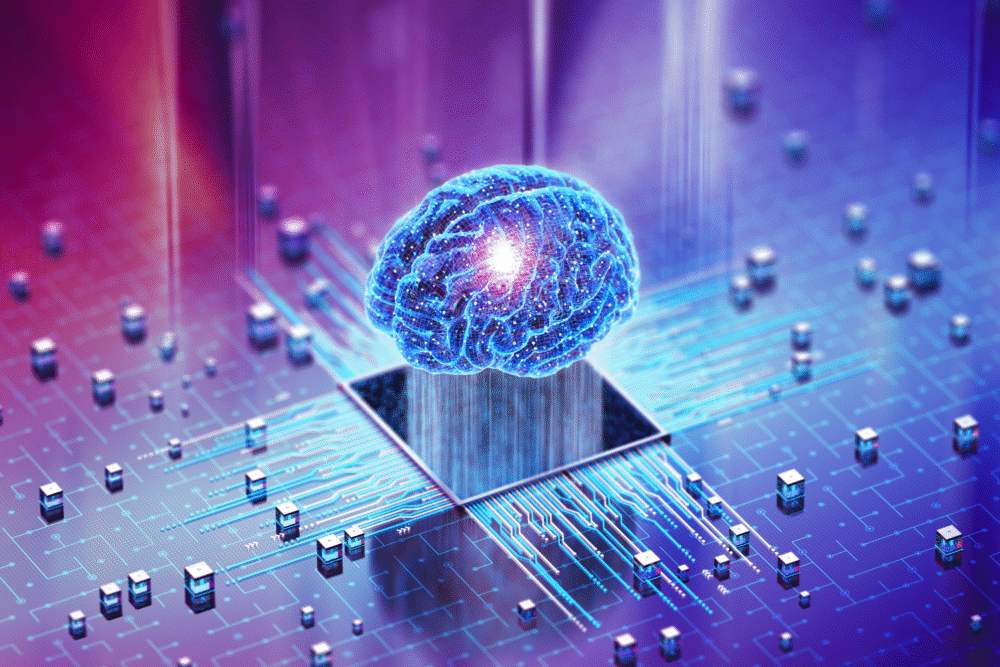
To decode whale communication, scientists are applying the same types of machine-learning models used in human translation software. These systems search for recurring sequences, correlations, and contextual meaning within massive datasets of whale sounds.
By training the AI on known patterns, researchers hope to predict which codas appear in response to certain behaviors or environmental cues. The technology doesn’t just recognize sound—it learns context, helping scientists approach whale communication as a living, evolving language system.
5. Understanding Whale Language Could Transform Conservation
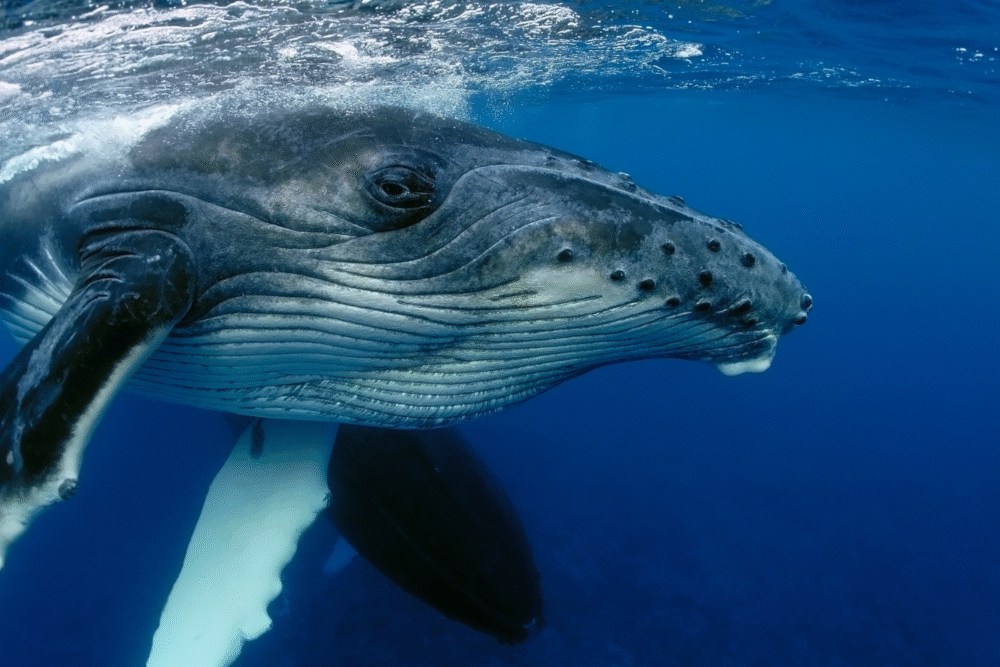
If whales are proven to possess true linguistic complexity, the implications for conservation could be profound. Recognizing them as communicative, sentient beings would strengthen legal and ethical arguments for protecting their habitats.
Marine advocates believe that proving whales have structured language could influence international law, including discussions about granting “personhood” or expanded rights to certain species. The better humans understand their social and emotional worlds, the harder it becomes to justify activities that threaten them.
6. Whale Communication Reflects Deep Emotional and Social Bonds
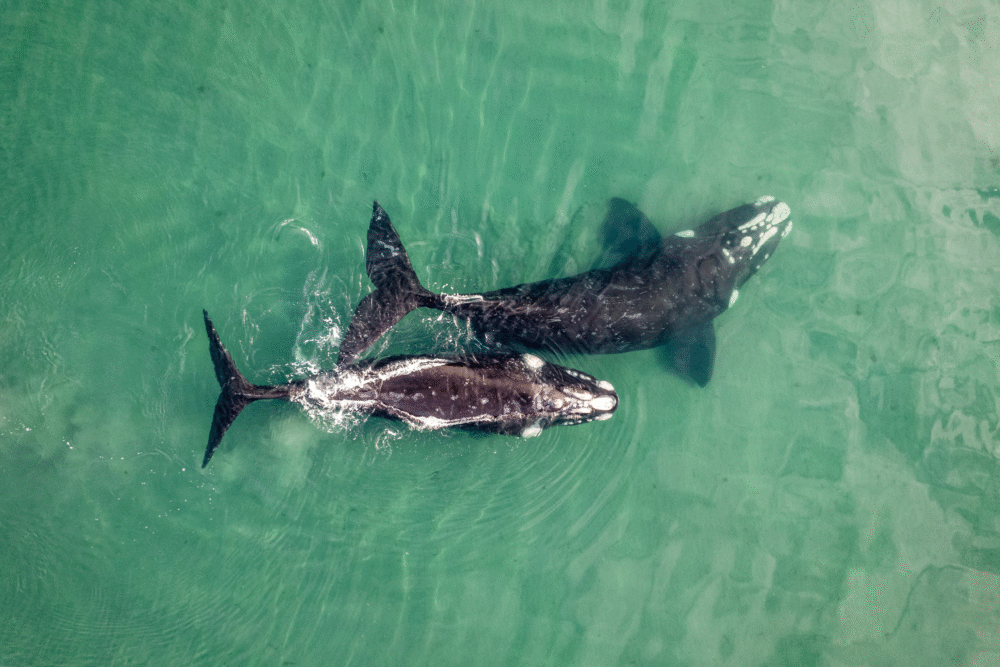
AI analysis has also revealed that whale codas often occur in patterns associated with greeting, caregiving, and group coordination. Mothers and calves exchange distinct call sequences, while entire pods respond to one another across great distances.
These interactions suggest that whale communication carries emotional weight, not just functional information. Scientists believe these exchanges strengthen group identity and cohesion, offering new insight into the emotional intelligence of one of the planet’s most socially complex animals.
7. Translating Whale Speech Could Redefine Animal Rights

As AI gets closer to translating whale codas into human-understandable meaning, ethicists and legal scholars are debating what comes next. If whales can express intent, emotion, or even autonomy, current laws treating them as property may be challenged.
Some experts argue that species demonstrating advanced communication should qualify for certain legal protections similar to “nonhuman personhood.” This concept—once considered fringe—is gaining traction as scientists uncover the mental and linguistic depth of marine mammals.
8. The Work Is Part of a Larger Shift in How Science Views Intelligence
For centuries, human language was seen as the defining feature of intelligence. Now, AI-driven discoveries in animal communication are blurring that boundary. Studies in whales, dolphins, and even elephants show evidence of grammar-like structure and social meaning.
This broader understanding could shift how humans view intelligence across species lines. The research encourages humility—reminding us that the ocean may hold civilizations of thought and expression that evolved entirely apart from our own.
9. Challenges Remain in Truly “Translating” Whale Speech

Despite breakthroughs, scientists caution that understanding meaning is more complex than decoding patterns. Language involves shared context, culture, and emotion—things that can’t be fully captured by algorithms alone.
Project CETI researchers emphasize that their goal isn’t to “speak” whale, but to interpret communication within the species’ own ecological and social frameworks. True understanding may take decades, but each discovery moves science closer to bridging one of nature’s greatest divides.
10. A Future Where Humans and Whales Could Communicate

The ultimate vision behind Project CETI is a world where humans might one day hold real-time conversations with whales. Though that idea remains speculative, progress in AI translation has made it less far-fetched than ever before.
If such communication becomes possible, it could revolutionize not only conservation but humanity’s relationship with other intelligent life on Earth. For many scientists, decoding the whale’s voice isn’t just a technological achievement—it’s a moral awakening to the depth of life we share this planet with.