
New research traces the origins of Wales’ iconic red dragon symbol to ancient battles and buried history.
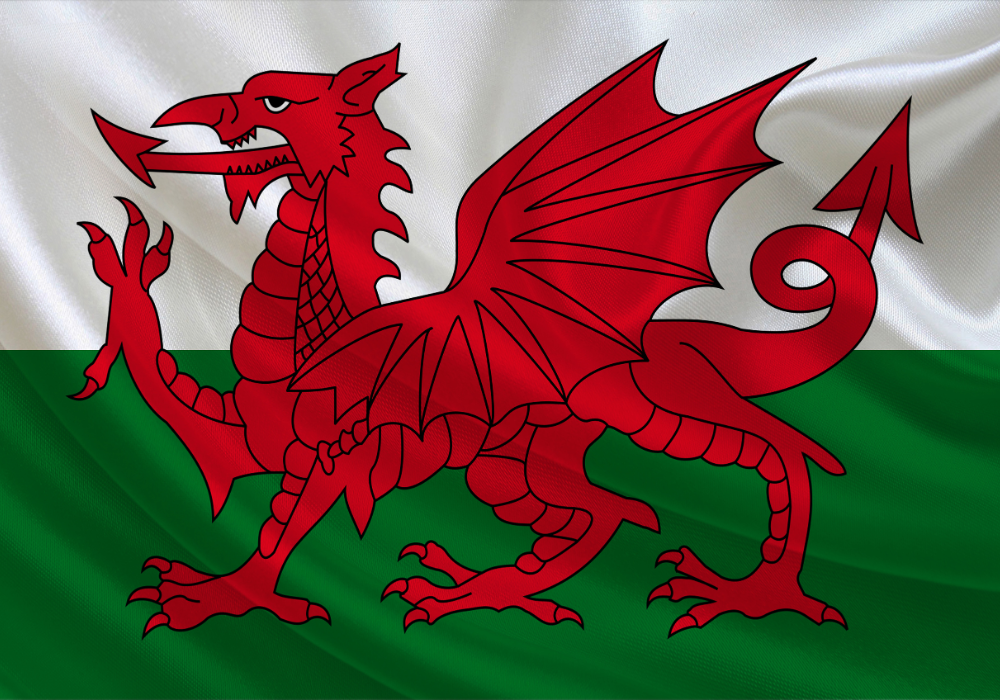
For centuries, the red dragon of Wales has been shrouded in legend—said to have fought a white dragon in an epic battle beneath the hills. Now, scientists and historians believe they’ve uncovered the true story behind the myth. New archaeological and linguistic evidence suggests the dragon emblem may have evolved from early Roman and Celtic symbols of power and conflict. The findings connect one of Britain’s most enduring legends to real events from more than 1,500 years ago.
1. A National Symbol Rooted in Legend

The red dragon of Wales, known as “Y Ddraig Goch,” has appeared on flags, coins, and royal crests for centuries. It represents strength and resilience, serving as one of the oldest national emblems still in use today.
For generations, Welsh children have grown up hearing the story of the red dragon’s battle against a white dragon—an allegory of good triumphing over oppression. Scientists and historians have long debated whether this legend was purely myth or rooted in real historical events.
2. Ancient Texts First Recorded the Dragon’s Story
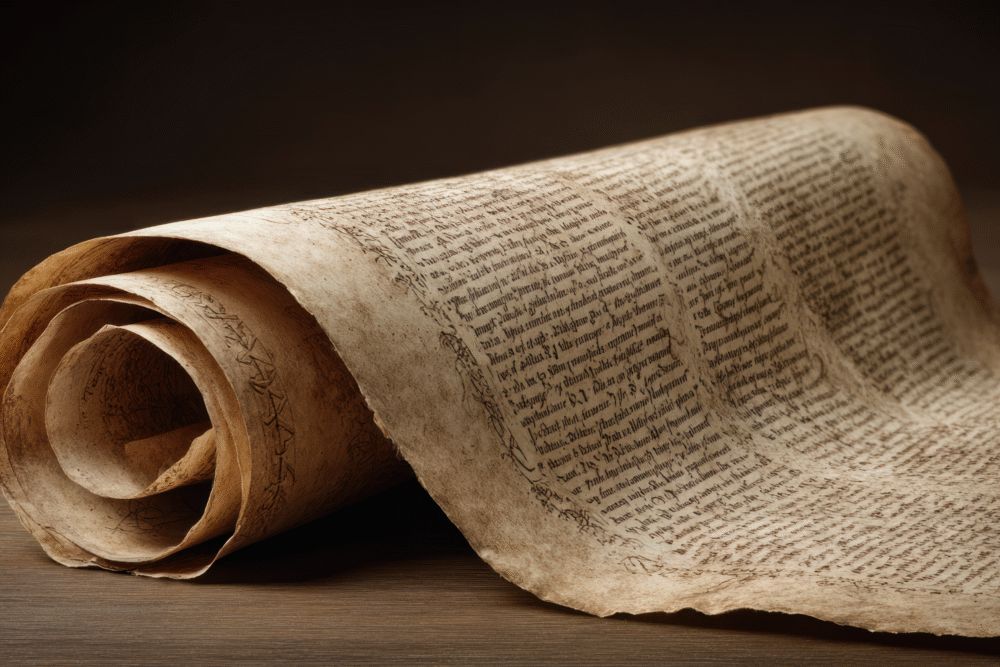
The earliest written accounts of the red and white dragons appear in medieval Welsh literature, including Geoffrey of Monmouth’s 12th-century chronicle Historia Regum Britanniae. These texts describe two dragons fighting beneath a hill, their struggle symbolizing the tension between native Britons and invading Saxons.
Though often dismissed as folklore, new evidence suggests that these stories may have drawn inspiration from real conflicts or cultural symbols passed down through centuries. The tale’s persistence hints at deeper historical origins tied to identity and resistance.
3. Roman Military Banners May Hold the Key
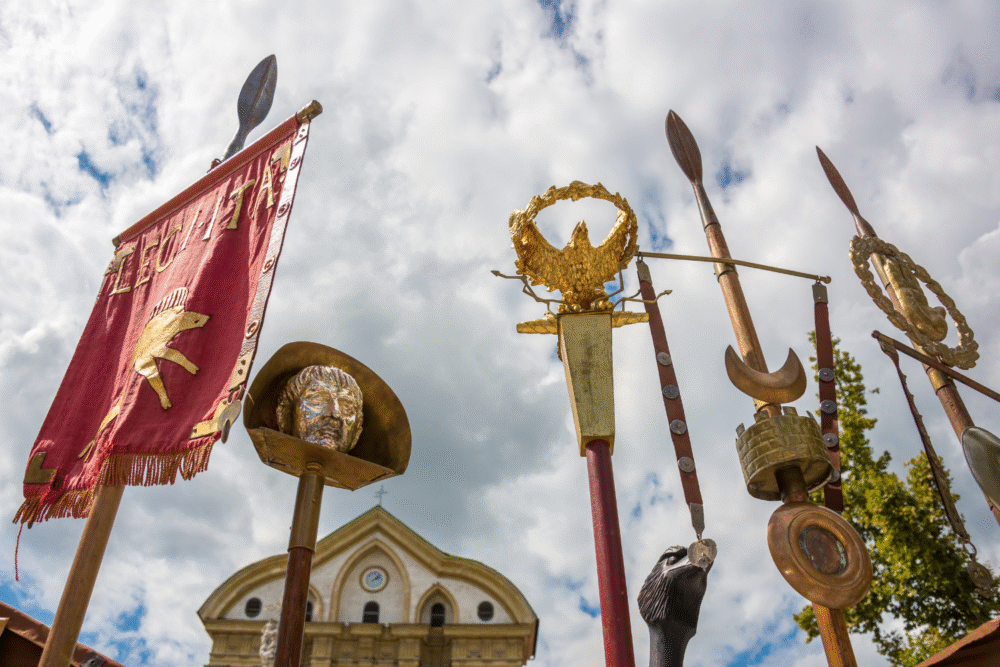
Researchers believe the dragon emblem may have entered Britain through Roman military influence. The Romans used dragon-shaped standards called “draco” to intimidate enemies and rally troops in battle. These vivid banners hissed and snapped in the wind, creating the illusion of a living creature.
When Roman legions withdrew from Britain in the early 5th century, local Celtic tribes may have adopted the imagery. Over time, the dragon became associated with leadership, bravery, and divine protection—traits that later merged with Welsh mythology.
4. Archaeological Evidence Supports a Celtic Connection

Recent excavations in western Britain have uncovered Iron Age and Romano-British artifacts featuring serpent and dragon-like motifs. These symbols often appear on pottery, jewelry, and weaponry, suggesting they held deep spiritual meaning long before the medieval era.
Scientists now believe the dragon may have been a fusion of native Celtic mythology and imported Roman iconography. The result was a hybrid creature representing both ancient pagan spirituality and later Christianized ideals of good overcoming evil.
5. Linguistic Clues Reveal Deeper Origins

The Welsh word “draig,” meaning dragon, is linguistically linked to Latin “draco” and Greek “drakon,” both referring to serpentine creatures. Linguists studying early Welsh manuscripts have traced shifts in meaning that mirror cultural change—from literal serpent depictions to metaphorical symbols of kingship and power.
This evolution reflects how stories transformed as they were passed down orally through generations. What began as a Roman military standard may have become a mythological protector of the Welsh people as language and legend intertwined.
6. The Myth May Have Symbolized Real Conflict

Some historians interpret the red and white dragons as metaphors for real political struggles. The red dragon likely represented the native Britons or Celts, while the white dragon symbolized Anglo-Saxon invaders during the early medieval period.
The story, preserved through oral tradition, served as both historical memory and national propaganda—reminding the Welsh that their heritage endured despite conquest. Modern scholars now view the myth as a coded reflection of centuries of resistance and identity preservation.
7. A Burial Site May Have Inspired the Legend

In the legend, King Vortigern attempts to build a fortress at Dinas Emrys, only to have it collapse until the battling dragons beneath are freed. Archaeologists excavating the real Dinas Emrys site in northwest Wales have found ruins dating to the 5th century, including fortifications that repeatedly collapsed and were rebuilt.
While no dragons were found, the repeated destruction could have fueled tales of unrest and hidden power beneath the earth. The legend may have originated as a symbolic retelling of local disasters or tribal conflict.
8. Medieval Chroniclers Shaped the Dragon’s Image

Writers such as Geoffrey of Monmouth and later translators of the Mabinogion helped cement the red dragon as a symbol of Wales. Their retellings linked it to King Arthur and other legendary heroes, weaving myth and national pride into a single story.
These medieval authors may have exaggerated the tale for political purposes, casting Wales as a land destined for victory and independence. Over time, their narratives transformed local folklore into a national myth that still resonates in modern Wales.
9. Modern Science Adds New Perspective

Recent studies in archaeology, linguistics, and art history have given researchers tools to analyze myths like the red dragon with unprecedented accuracy. Radiocarbon dating, digital imaging, and comparative mythology all contribute to reinterpreting ancient sources.
Scientists emphasize that while dragons were never real animals, the symbols they represent are rooted in genuine human experience—fear, strength, and the fight for survival. In this way, the “origin” of the Welsh dragon is less about fire-breathing beasts and more about enduring human imagination.
10. The Red Dragon Became a National Emblem
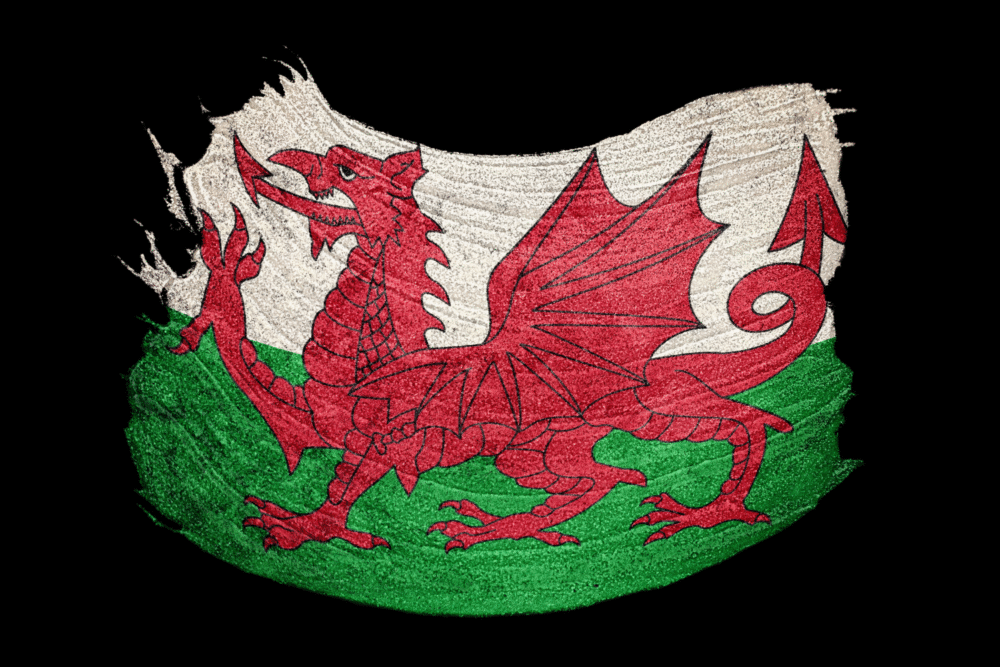
By the 15th century, the red dragon had become firmly associated with Welsh identity. It appeared on battle flags during Henry Tudor’s rise to power in 1485, symbolizing his Welsh ancestry and divine right to rule. After his victory at Bosworth Field, the dragon became an emblem of the new Tudor dynasty.
From that moment on, “Y Ddraig Goch” transcended myth and entered history. Its presence on the modern Welsh flag continues to represent resilience, pride, and the unbroken spirit of the Welsh people.
11. A Myth That Still Breathes Fire Today
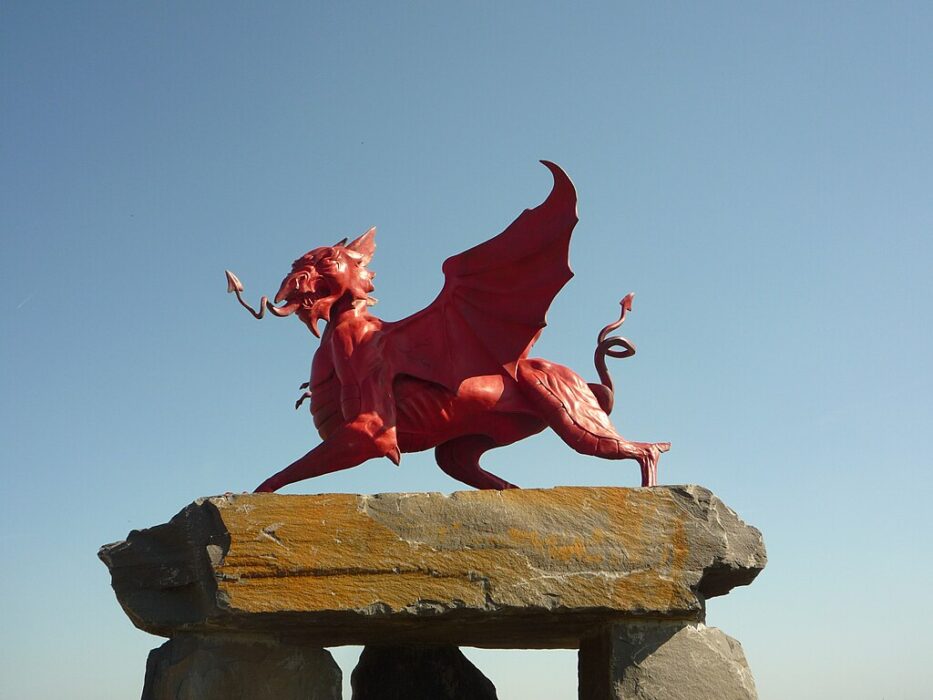
Centuries after its origins, the legend of the Welsh dragon endures as a living symbol of cultural pride. It appears in festivals, literature, and even sports, uniting people across generations under a shared heritage.
For scientists and historians, the dragon represents more than mythology—it’s a key to understanding how nations build identity through story. What began as a Roman banner and evolved into a Celtic myth now stands as one of the most recognizable symbols of strength in the modern world.