
Aging pipes and heavier rains are overwhelming the city’s sewers, sending waste into local rivers.

Each year, billions of gallons of raw sewage and stormwater spill into Philadelphia’s rivers and creeks, contaminating waterways that flow into the Delaware River. The problem stems from a century-old combined sewer system that can’t handle modern rainfall levels. When heavy storms hit, pipes overflow—releasing untreated waste directly into the environment. Despite billions invested in green infrastructure, climate change is intensifying rainfall, making it harder than ever for the city to keep its water clean.
1. A City Built on an Old Sewer System
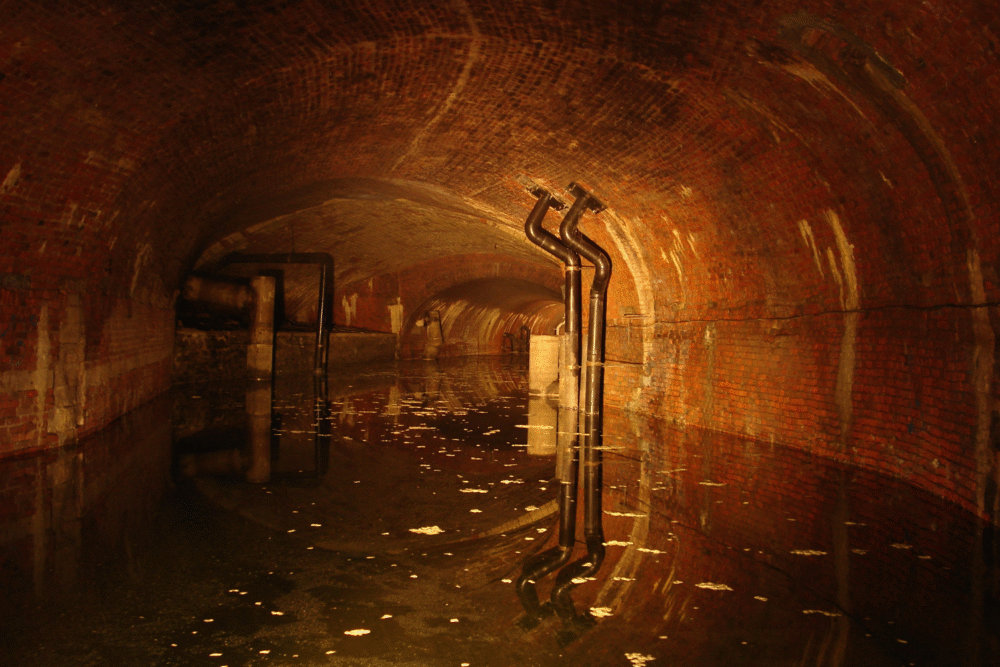
Philadelphia’s sewer system was designed more than a century ago, during a time when the city was smaller and rainfall was less intense. Engineers created a combined sewer system that carries both stormwater and household wastewater through the same pipes. It was an efficient design for the early 1900s, when paved surfaces were limited and rainfall was manageable.
Over time, the city expanded, adding millions of residents, more pavement, and greater runoff. The old infrastructure was never built to handle this volume of water, leaving it vulnerable to overflow when modern storms strike.
2. Billions of Gallons Overflow Into Rivers Each Year
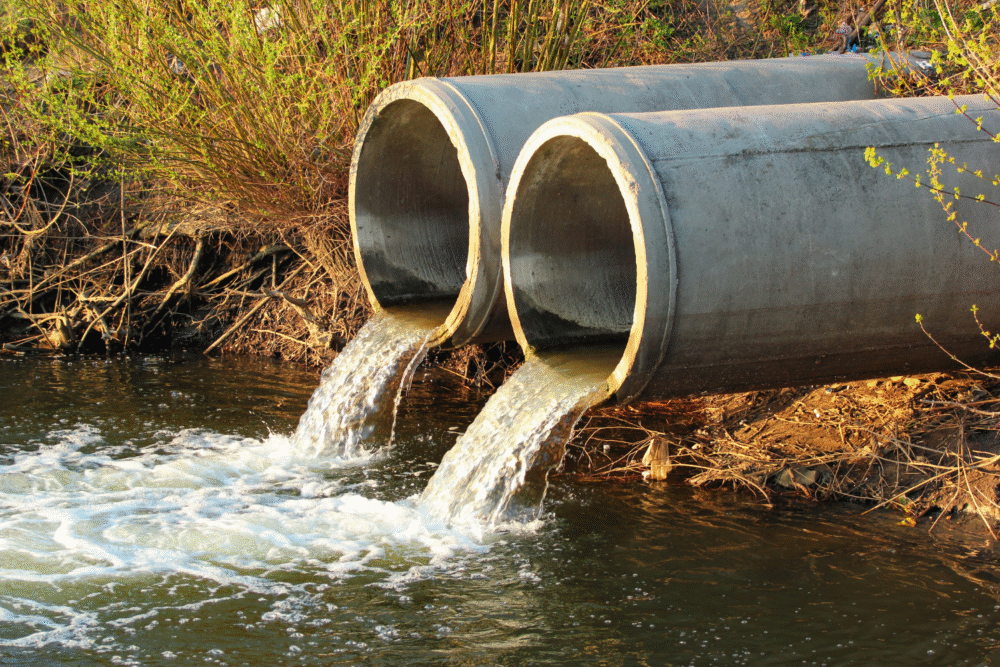
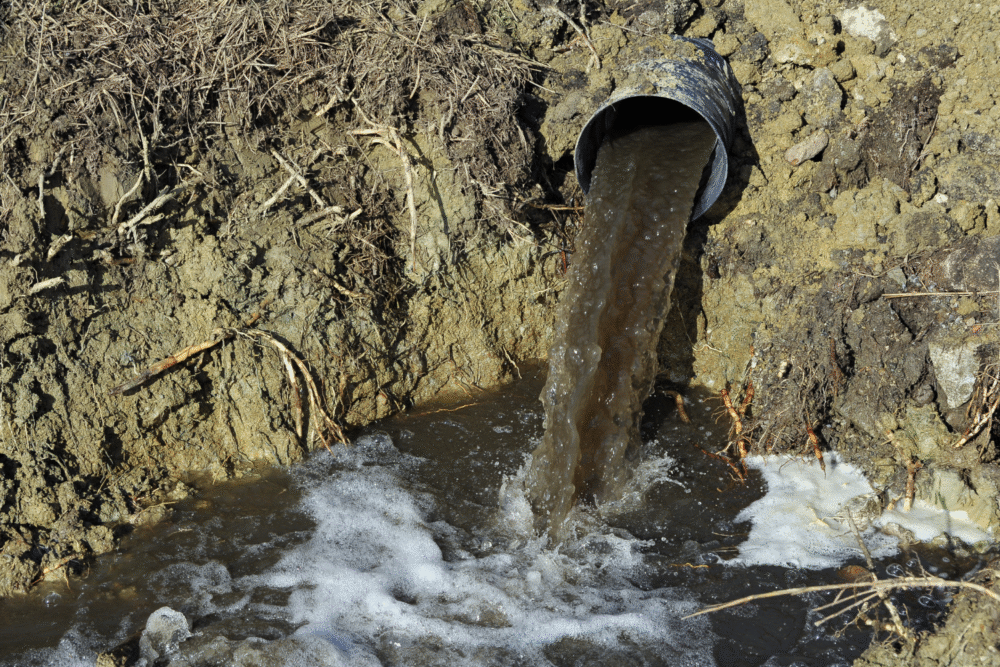
Each year, billions of gallons of untreated wastewater spill into Philadelphia’s waterways. This happens when the city’s combined sewer system reaches capacity during storms, forcing excess water to discharge directly into rivers and creeks to prevent flooding in streets and basements.
The overflows contain stormwater mixed with raw sewage, trash, and bacteria. These contaminants end up in major waterways such as the Schuylkill and Delaware Rivers, which flow through the city and serve as critical sources of recreation, habitat, and even drinking water.
3. The Delaware and Schuylkill Rivers Take the Hardest Hit
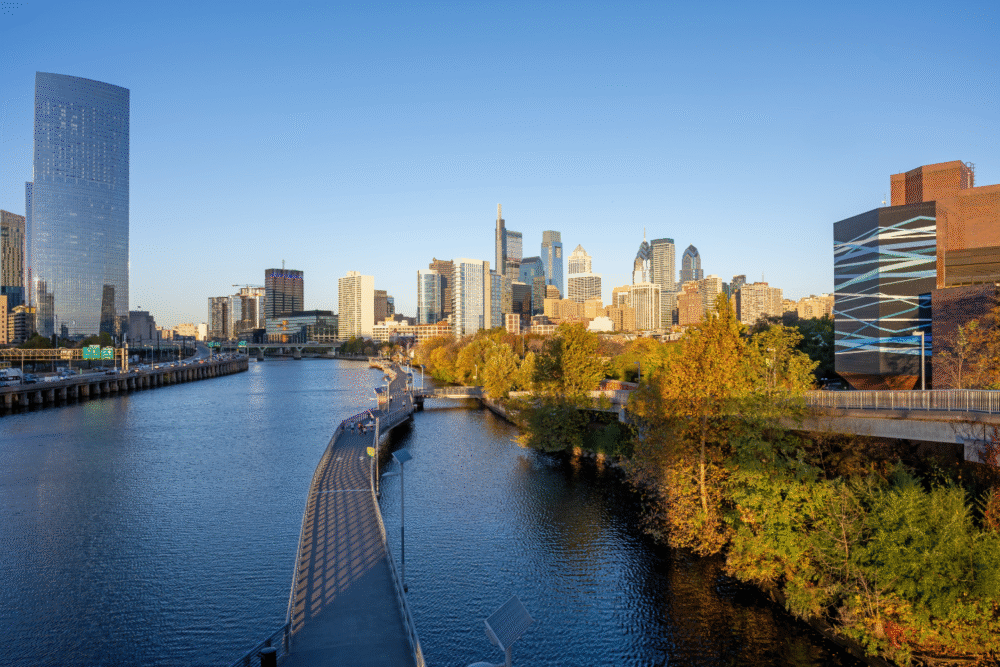
Philadelphia’s two largest rivers, the Delaware and the Schuylkill, absorb most of the city’s sewer overflows. During heavy rain, pipes feeding into these waterways can discharge millions of gallons of contaminated runoff in just a few hours.
This pollution raises bacteria levels far above safe thresholds for swimming or fishing. After storms, public health officials often advise residents to avoid river contact for one to two days. Wildlife also suffers, as oxygen-depleted water and toxic debris disrupt fish, plants, and other aquatic ecosystems.
4. Climate Change Is Making the Problem Worse
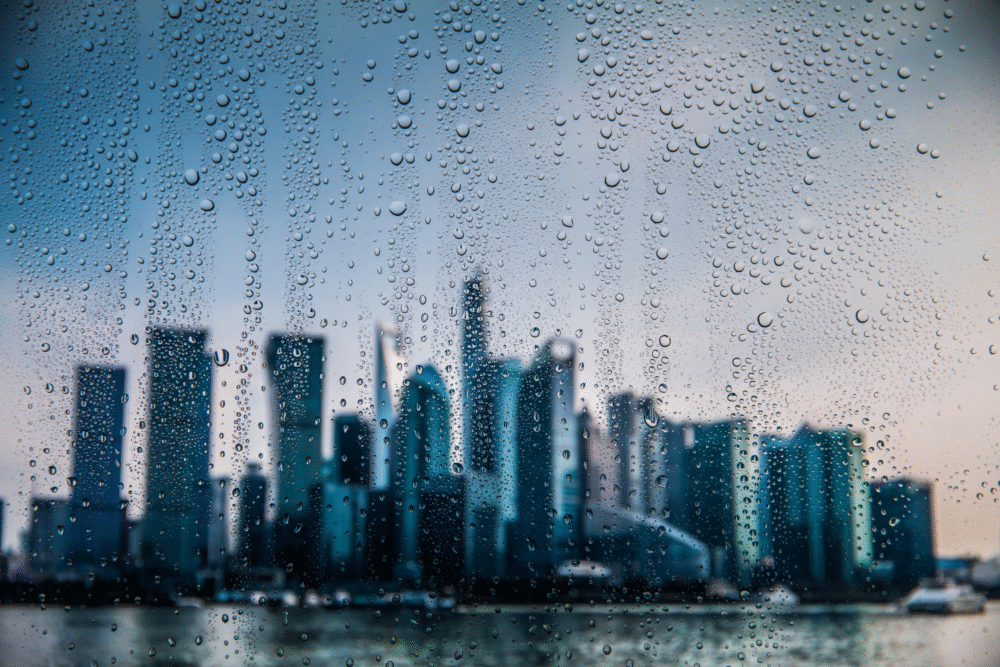
Climate models show that the Philadelphia region is receiving more frequent and intense rainfall than in previous decades. Heavier downpours are now common, often overwhelming the combined sewer system faster than it can process runoff.
As a result, sewage overflows occur more frequently, even during moderate storms that wouldn’t have caused flooding in the past. City officials say climate change is making progress harder, forcing expensive upgrades just to keep pace with worsening weather patterns and rising water volumes.
5. Combined Sewer Systems Are a National Problem
Philadelphia is not alone. About 700 U.S. cities—mostly older ones like New York, Washington, D.C., and Chicago—use combined sewer systems that routinely overflow during storms. These outdated networks were built for efficiency long before modern pollution laws or climate pressures existed.
Today, these systems are major sources of water contamination. Billions of gallons of sewage and stormwater enter U.S. rivers each year, contributing to beach closures, fish die-offs, and costly cleanups. Federal and state agencies have pushed cities to modernize, but progress remains slow due to the scale and cost.
6. The City’s Green Infrastructure Plan Aims to Help

In 2011, Philadelphia launched the Green City, Clean Waters program, a 25-year, multi-billion-dollar initiative to reduce sewer overflows using green infrastructure. The plan includes rain gardens, tree trenches, and permeable pavements designed to absorb rain where it falls.
These projects help capture runoff before it enters the sewer system, easing pressure on pipes during storms. Officials estimate that the plan has already prevented billions of gallons of overflow, but critics say the effort must accelerate to match the pace of urban growth and climate change.
7. Infrastructure Upgrades Are Expensive and Slow
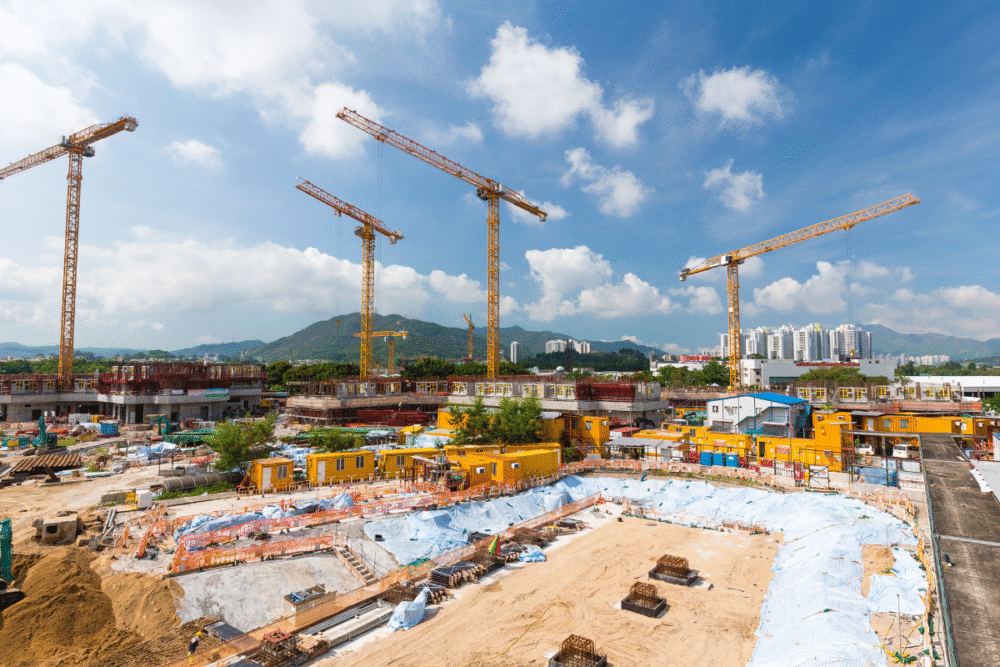
Modernizing Philadelphia’s wastewater system comes with a staggering price tag. Replacing or separating the entire combined sewer network would cost tens of billions of dollars—far beyond what most cities can afford without federal assistance.
Instead, Philadelphia has focused on hybrid solutions that combine gray infrastructure, like tunnels and tanks, with green infrastructure to absorb stormwater naturally. Progress is gradual but steady. City engineers say long-term investment will be needed to ensure the system can handle the next century’s storms, not just the next decade’s.
8. Health Risks Rise After Major Storms

When raw sewage enters waterways, bacteria levels spike quickly, making rivers unsafe for swimming, boating, or fishing. Exposure to contaminated water can cause gastrointestinal illnesses, skin infections, and respiratory problems, particularly for children and people with weakened immune systems.
Officials routinely advise residents to avoid contact with local rivers for at least 24 to 48 hours after heavy rainfall. Public health experts stress that while these warnings reduce risk, they do not solve the underlying issue—aging pipes that discharge waste whenever rainfall exceeds system capacity.
9. Environmental Advocates Push for Faster Action

Local advocacy groups have called for stronger regulations and more funding to address Philadelphia’s chronic overflow problem. They argue that the city’s current timeline for reducing discharges—set over 25 years—is too slow given the environmental and health impacts.
Advocates are also urging state and federal agencies to provide greater financial support to accelerate infrastructure repairs. They note that pollution from the city affects not only Philadelphia residents but also downstream communities that rely on the same rivers for water and recreation.
10. The Challenge Reflects a Larger Climate Resilience Test
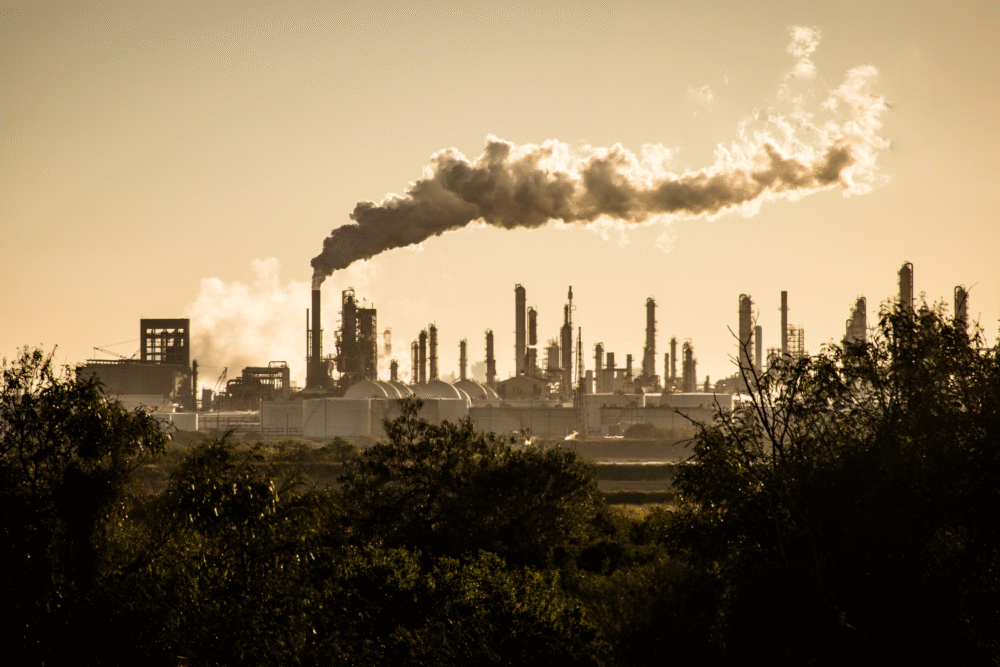
Philadelphia’s sewage crisis is a microcosm of the global challenge cities face in adapting to a changing climate. Infrastructure built for the early 20th century is colliding with 21st-century weather extremes, forcing leaders to rethink water management from the ground up.
Experts say the city’s experience could guide other municipalities confronting similar problems. Investing in resilience—through modern engineering and natural water-absorption systems—will determine how well urban areas protect both their people and their ecosystems in a wetter, more unpredictable world.
11. A Long Road Ahead for Cleaner Water
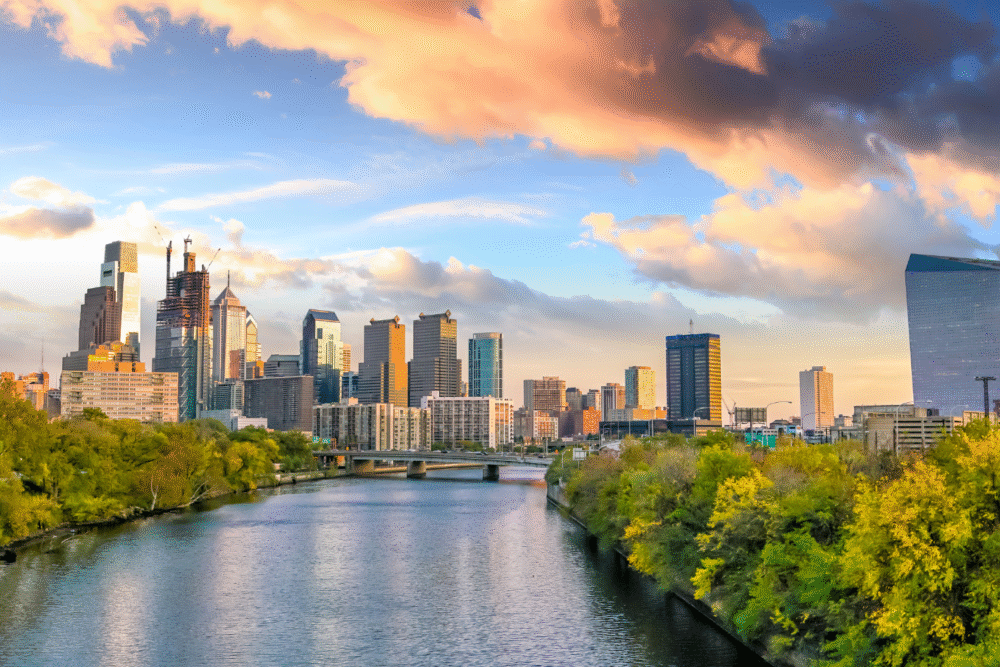
Despite steady progress, Philadelphia’s waterways remain among the most polluted in the Northeast after storms. City engineers say full compliance with federal clean-water standards may take decades, even with major investments underway.
Still, officials insist the effort is worth it. Cleaner rivers mean healthier communities, stronger ecosystems, and safer drinking water. The challenge lies not in knowing what to do, but in finding the money and political will to rebuild a system that’s been stretched beyond its limits for generations.