
Gates challenges dire climate predictions, urging innovation and adaptation over alarmism.

In a memo unveiled ahead of the 2025 COP30 summit, Bill Gates issued one of his most consequential climate statements yet—challenging the “doomsday” narrative that dominates the conversation. While he affirmed that climate change poses serious risks, he insisted it will not lead to humanity’s collapse. Instead, Gates called for a strategic pivot: invest more in tackling poverty and disease, and channel the same innovation that has driven clean-energy breakthroughs into practical solutions for a warmer world.
1. Gates Rejects the Doomsday Narrative
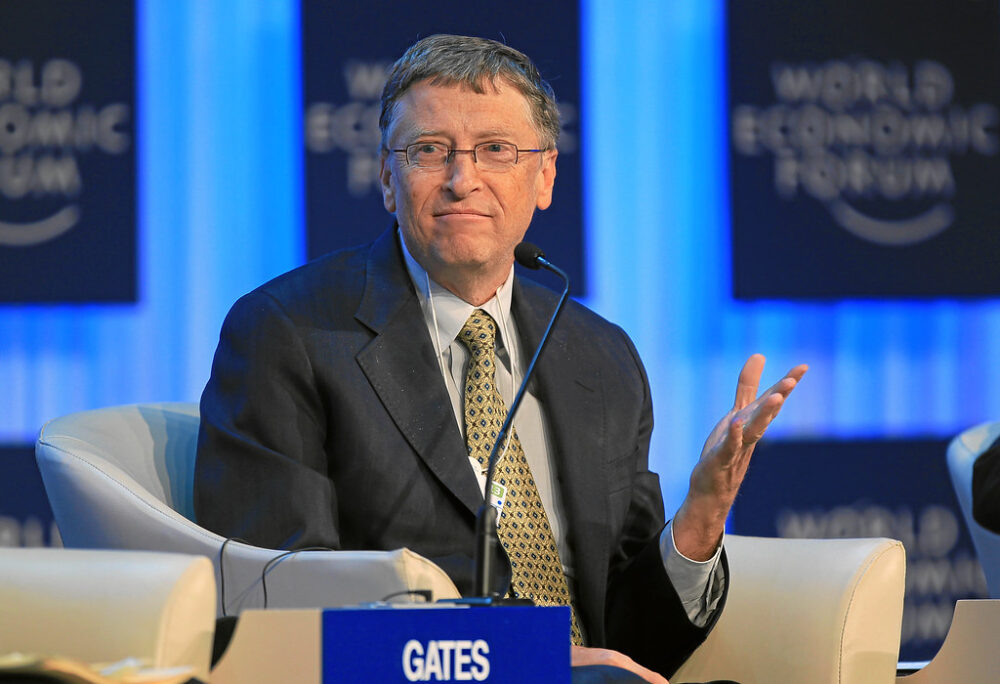
In his latest comments, Bill Gates dismissed the idea that climate change will bring about humanity’s collapse. He acknowledged the real risks of rising temperatures and extreme weather but argued that exaggerating apocalyptic scenarios does more harm than good. Alarmist narratives, he said, discourage pragmatic action and create despair rather than progress.
Instead of framing climate change as an existential endgame, Gates urged world leaders to focus on reducing suffering, saving lives, and building resilience. He believes a realistic, solutions-driven outlook will inspire innovation and cooperation rather than fear or fatalism.
2. A Call to Shift Focus From Emissions to Human Welfare
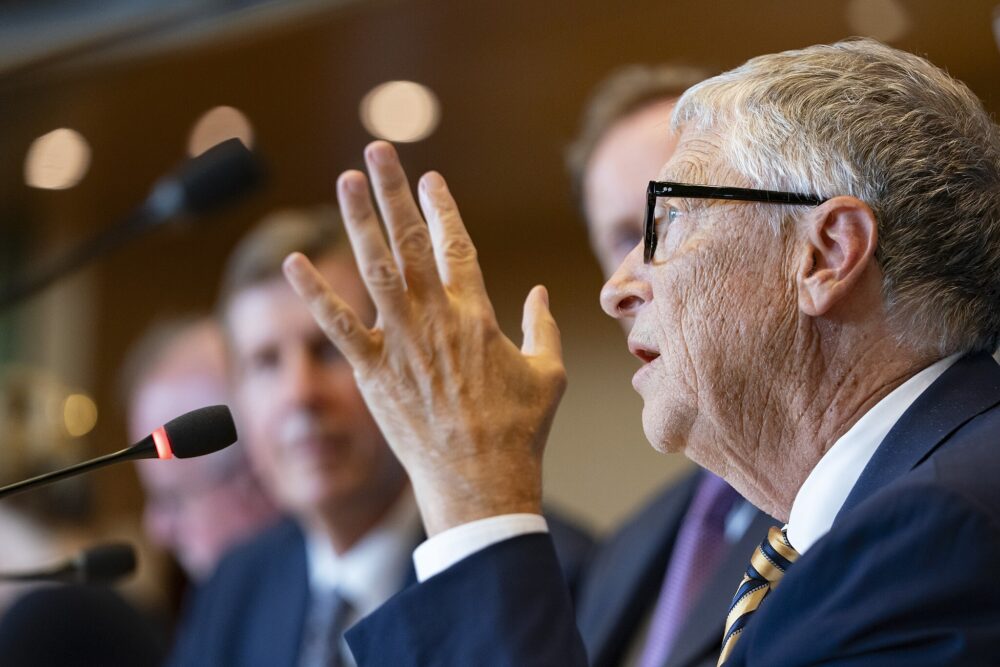
Gates’s new view challenges the global emphasis on emission-reduction targets as the primary measure of success. While he agrees that lowering greenhouse gases is critical, he insists that improving living standards—especially in poorer nations—must take equal priority.
According to Gates, addressing poverty, hunger, and disease directly strengthens societies against climate impacts. He argues that focusing only on carbon targets overlooks the millions who currently lack electricity or clean water. In his view, reducing vulnerability saves lives now and builds lasting climate resilience for the future.
3. Innovation Becomes the Centerpiece of His Strategy

At the heart of Gates’s climate vision is innovation. He contends that the world’s greatest progress will come not from cutting consumption alone but from creating new technologies that make clean energy affordable and scalable. He calls this approach “closing the green premium.”
Gates points to progress in solar energy, nuclear advancements, and sustainable manufacturing as examples of breakthroughs with global potential. His goal is to make renewable energy accessible to developing countries so they can grow economically without repeating the fossil-fuel dependence of the past century.
4. The Real Threat, He Says, Remains Poverty and Disease

Gates emphasizes that billions of people face more immediate dangers than incremental temperature increases. Diseases like malaria, chronic hunger, and lack of sanitation pose daily risks that are often intensified by—but not caused solely by—climate change.
He argues that global efforts should address these foundational challenges first. When people have stable health systems, reliable food sources, and electricity, they become better equipped to endure and adapt to climate impacts. Gates frames this as a moral and practical obligation: protecting people today builds resilience for tomorrow.
5. Temperature Isn’t the Only Metric That Matters

According to Gates, the success of climate policy shouldn’t be measured by temperature targets alone. He proposes evaluating progress by human outcomes—such as lives saved, improved energy access, or reduced poverty rates.
This shift, he says, would make climate action more meaningful to ordinary people and help policymakers allocate resources more effectively. By focusing on human welfare instead of abstract metrics, governments could design solutions that deliver tangible benefits while still addressing long-term climate goals.
6. He Keeps the Pressure on for Emissions, But Adds Context
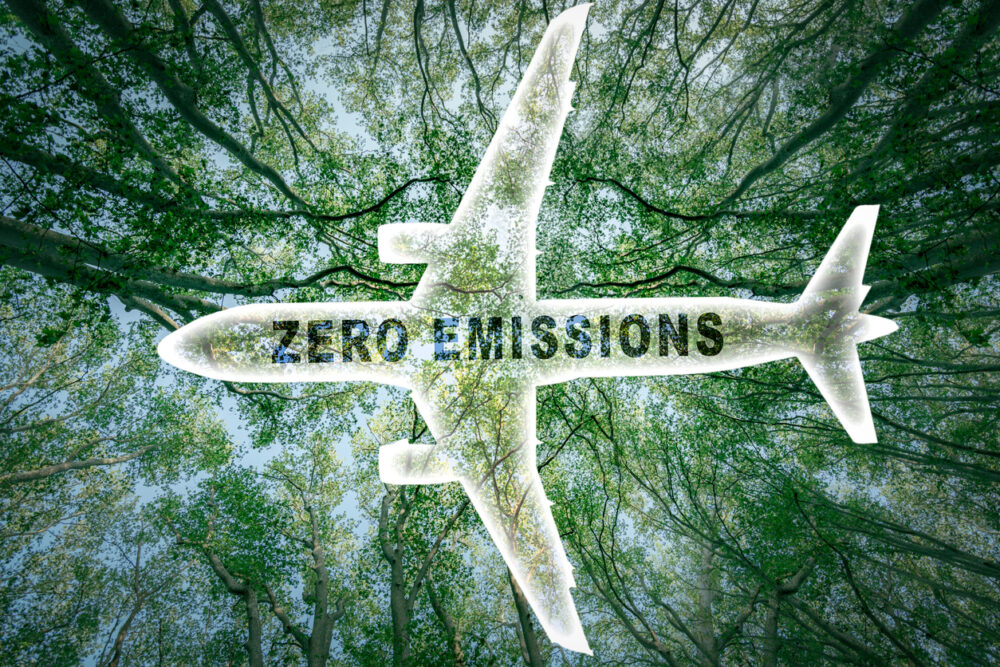
Gates has not abandoned emissions reduction; he simply believes it should be one piece of a broader agenda. He continues to support clean-energy innovation, carbon capture, and global transition strategies aimed at decarbonization.
However, he cautions against treating emissions as the only indicator of success. Without parallel investments in health, agriculture, and education, he says, climate policy risks missing the point. Gates argues that the real goal is not only to lower carbon but to raise quality of life for everyone on the planet.
7. A Message for COP30: Adaptation and Equity Take Center Stage
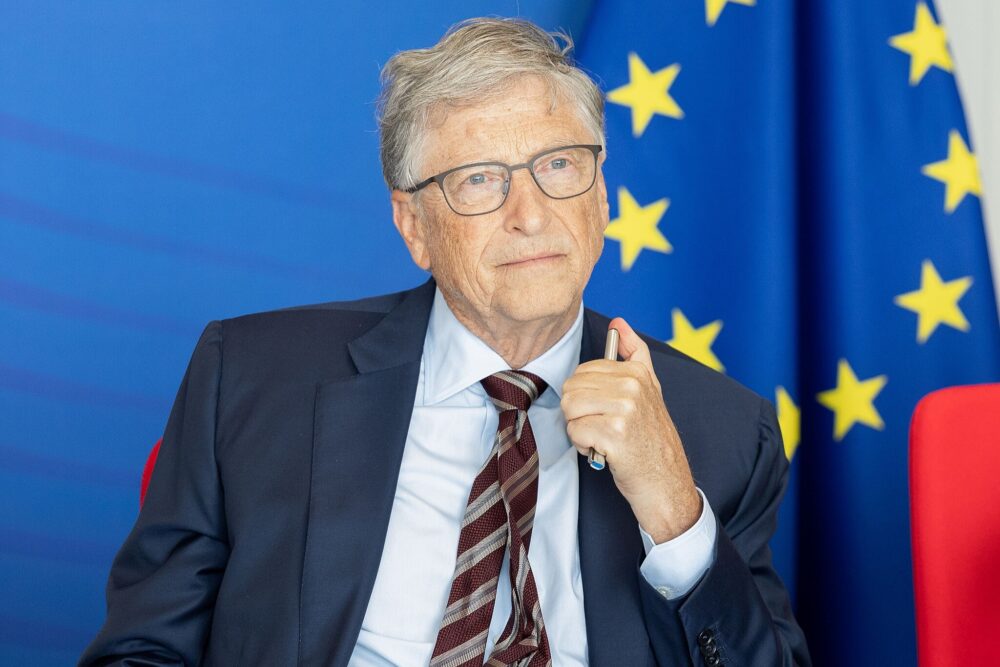
Gates’s comments come as nations prepare for the COP30 climate summit, where he is urging a more balanced focus on adaptation, equity, and innovation. He argues that too much attention has been given to pledges that fail to deliver meaningful results for developing nations.
He wants global leaders to invest more in projects that help communities withstand heat, floods, and droughts. For Gates, adaptation is not a backup plan—it’s a necessity. By combining technological innovation with local resilience, he believes the world can manage climate impacts more effectively.
8. Critics Warn of the Risks in His Reframing
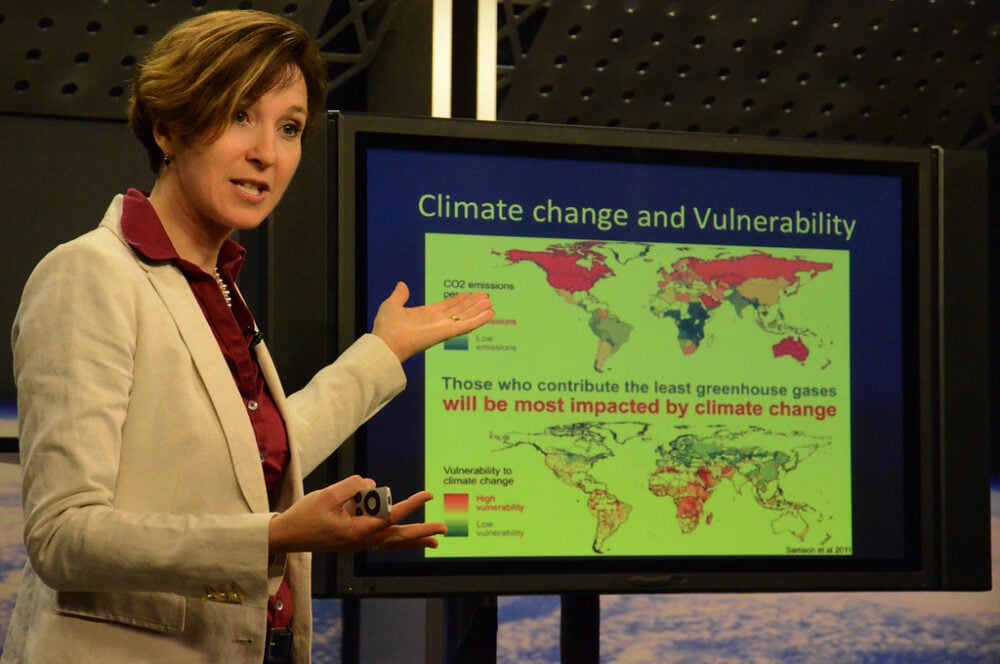
Gates’s perspective has drawn criticism from some climate scientists and activists who fear that deemphasizing emission cuts could weaken global momentum. They argue that reducing greenhouse gases remains essential to prevent worst-case scenarios.
Gates acknowledges these concerns but insists his position complements, rather than replaces, traditional climate action. He says his approach simply broadens the conversation—shifting from crisis language to problem-solving. His goal is to balance ambition with realism, ensuring climate policy works not just for the planet, but for the people living on it.
9. His Own Investments Reflect the New View
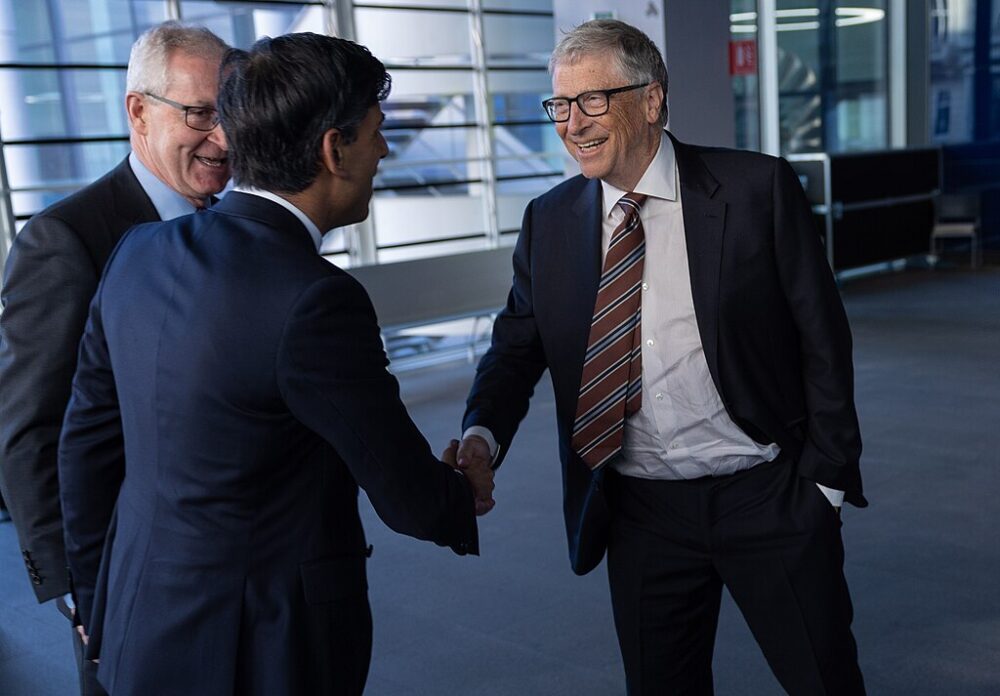
Gates’s actions mirror his philosophy. Through his Breakthrough Energy network, he’s invested in more than 150 clean-tech companies focused on energy storage, carbon-free fuels, and sustainable agriculture. These ventures aim to make clean solutions cheaper and globally deployable.
He believes markets can accelerate change faster than policy alone. By funding high-risk, high-reward technologies, Gates hopes to drive innovation that benefits both rich and poor nations. His model treats climate action as an opportunity for growth rather than a constraint on development.
10. What This Means for the Future of Climate Policy

If Gates’s message gains traction, future climate policy could take a more holistic shape—linking emission goals with economic development, equity, and innovation. Governments might measure success by how much progress is made in improving lives, not just lowering carbon.
This shift could reframe climate conversations from fear to empowerment. Instead of predicting collapse, Gates wants to inspire a global strategy rooted in resilience and invention. Whether one agrees with him or not, his ideas are already reshaping how leaders think about the next phase of climate action.