
A 1970s plan to build artificial reefs from old tires has turned into an ongoing environmental disaster.

In the 1970s, environmental groups and government agencies teamed up to sink more than two million discarded tires off the coast of Fort Lauderdale, Florida. The idea was to create artificial reefs that would attract fish and boost marine life. Instead, the project became one of the biggest ecological failures in U.S. history. Decades later, the tires are breaking loose, damaging coral reefs, and forcing divers to spend years cleaning up a mistake made with good intentions.
1. A Plan Born from Good Intentions
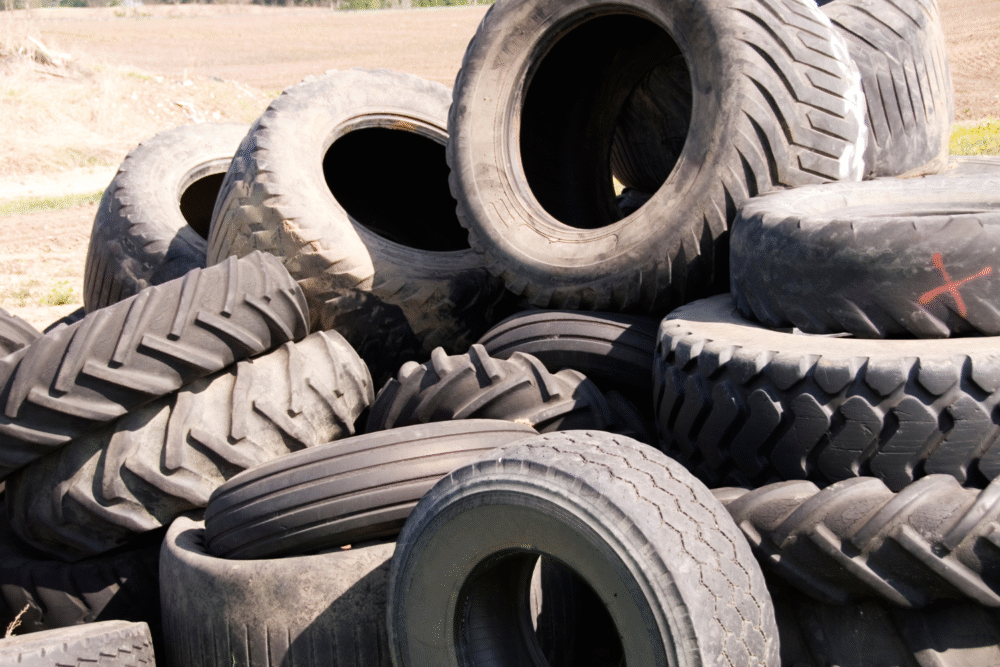
In the early 1970s, conservationists, government agencies, and private companies believed they had found a clever way to reuse millions of discarded tires piling up in U.S. landfills. By sinking them into the ocean, they hoped to create artificial reefs that would attract fish, boost biodiversity, and improve local fishing.
The project seemed like a win for both recycling and marine conservation. With strong political support, tons of tires were bound together and dumped into the Atlantic—an experiment soon hailed as “the future of ocean restoration.”
2. The Osborne Reef Became the World’s Largest Tire Dump

The largest of these experiments took place off the coast of Fort Lauderdale, Florida, in an area later named Osborne Reef. Volunteers, including members of the U.S. Army, placed more than two million tires along the seafloor across nearly 36 acres of ocean.
At the time, the reef was seen as a bold step toward sustainability. The ocean floor, it was thought, would transform into a thriving artificial habitat that could relieve pressure on natural coral reefs. But that vision quickly began to unravel.
3. The Tires Didn’t Stay in Place
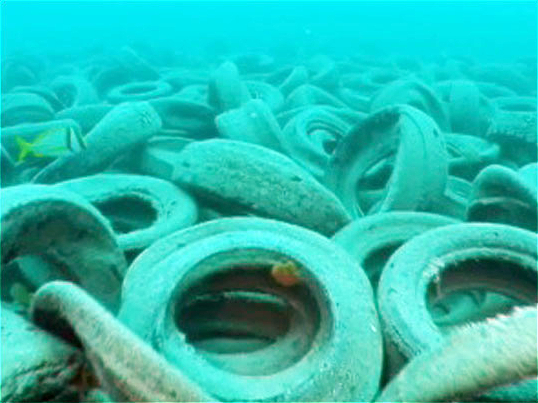
Almost immediately after deployment, the tires began breaking loose from their restraints. Ocean currents, storms, and natural movement on the sandy seafloor caused the bundles to scatter widely.
Instead of forming stable reef structures, the loose tires rolled and collided with surrounding ecosystems. Many ended up drifting for miles, damaging coral reefs and seagrass beds in the process. The problem worsened over decades as corrosion and storms weakened the original metal ties.
4. Coral Reefs Paid a Heavy Price

As the tires spread, they wreaked havoc on nearby coral habitats. The constant movement of rubber across the ocean floor tore apart fragile coral formations and smothered patches of living reef.
Marine biologists discovered that the tires provided no suitable surface for coral growth—unlike natural rock or concrete, rubber was too smooth and chemically unstable. Instead of fostering new life, the “reef” became a dead zone, displacing marine species and worsening coastal erosion.
5. Scientists Quickly Realized the Mistake

Within just a few years, divers and researchers began reporting that the project had failed. The tires weren’t creating habitats—they were destroying them. Reports in the 1980s and 1990s documented how coral structures near the site were being broken and buried under drifting debris.
It soon became clear that the experiment’s assumptions were deeply flawed. Rubber tires leach chemicals over time, degrade under saltwater exposure, and lack the rough texture marine organisms need to attach and grow.
6. Recovery Efforts Have Been Slow and Costly
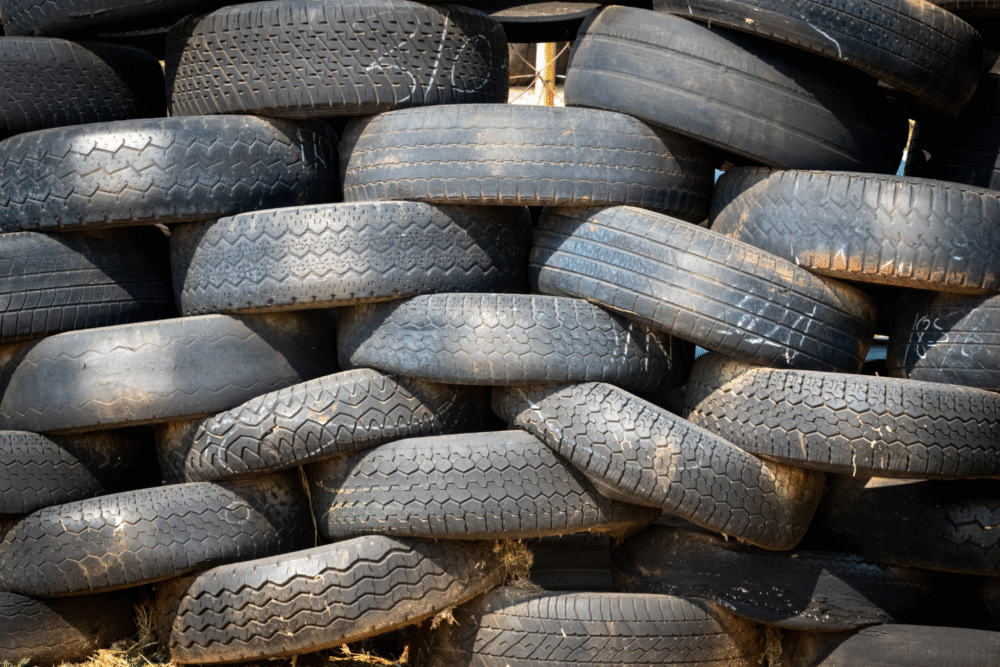
By the 2000s, Florida officials launched large-scale cleanup operations to remove the tires, a process that continues today. Each tire must be retrieved by hand, lifted to the surface by divers, and transported for disposal or recycling on land.
The cleanup has cost millions of dollars and taken decades, with much of the work done by Navy and Coast Guard divers. Despite progress, more than half of the original two million tires are still scattered along the seafloor.
7. The Failure Changed How Scientists Build Artificial Reefs
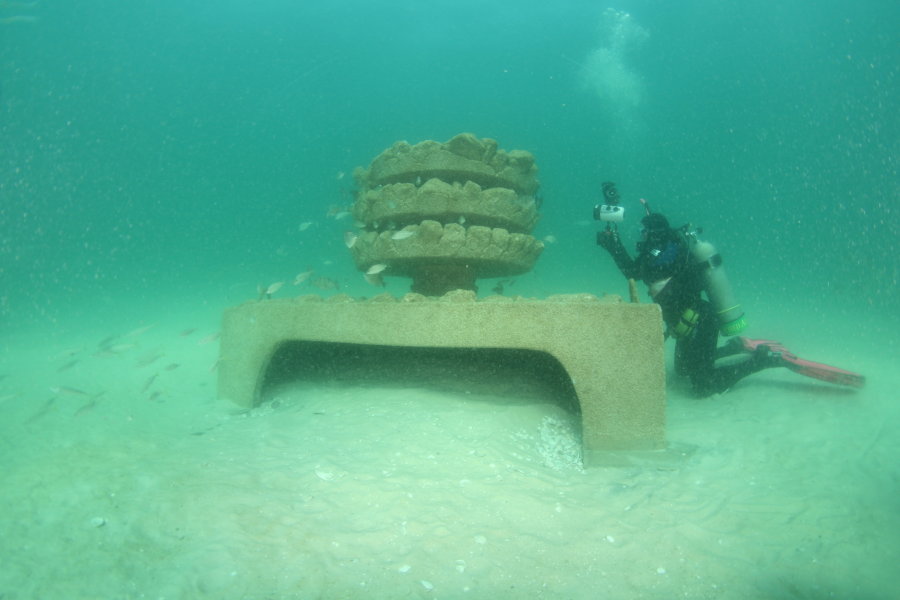
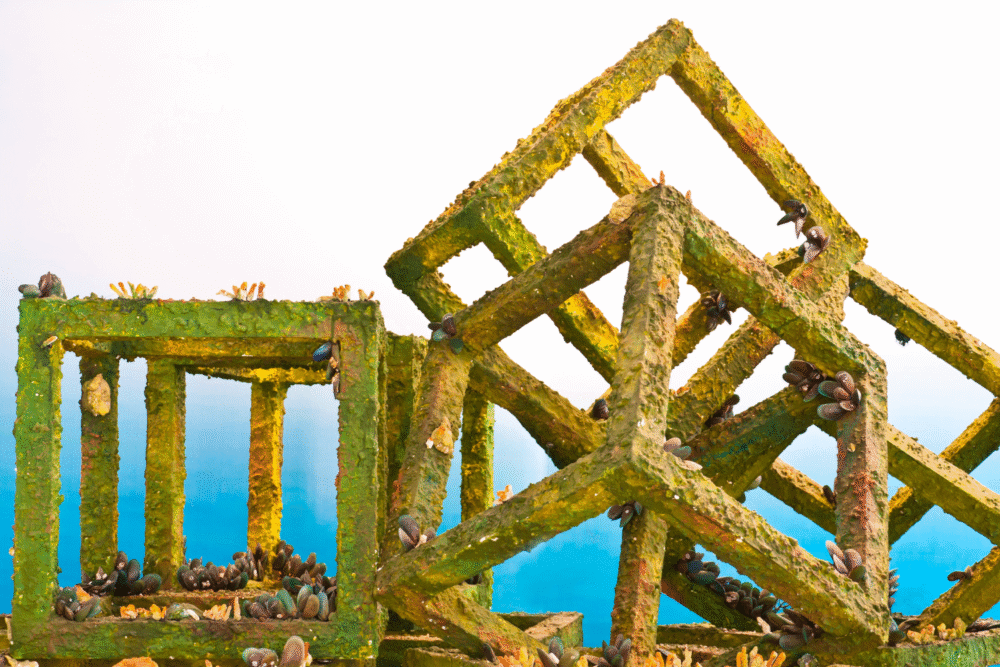
The Osborne Reef disaster forced scientists to rethink how artificial reefs should be designed. Modern reef projects now use materials such as concrete, limestone, or recycled steel—substances that mimic natural seafloor texture and resist corrosion.
Environmental engineers also conduct long-term modeling before deployment, ensuring that structures remain stable under ocean currents. What began as a cautionary tale has since shaped stricter environmental standards for marine restoration projects worldwide.
8. Similar Projects Around the World Met the Same Fate
Florida wasn’t the only place where tires were sunk in the name of conservation. Similar efforts occurred in countries like Malaysia, Indonesia, and Japan during the 1970s and 1980s. In nearly every case, the results were disappointing.
The tires rarely stayed anchored and often became marine litter. Over time, these global experiments reinforced what scientists learned in Florida—that synthetic rubber doesn’t bond with marine ecosystems and can become a persistent pollutant instead of a habitat.
9. The Tires Still Pose Environmental Risks Today
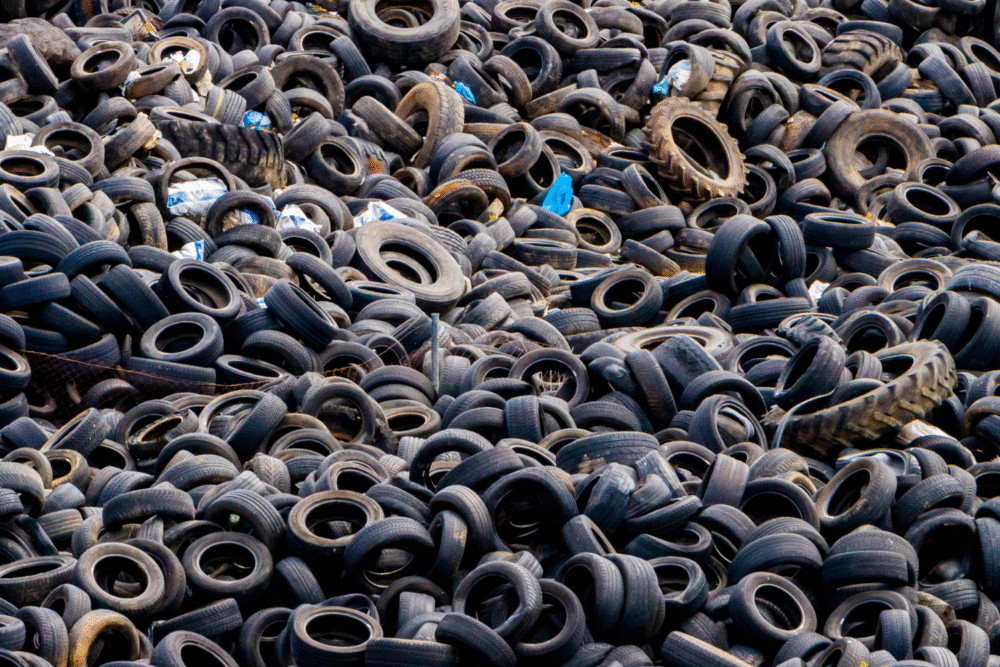
Decades later, many of the original tires remain on the seafloor, continuing to move with tides and storms. Each major hurricane can scatter thousands of them farther along the coast, creating new cleanup challenges every few years.
Some tires have even washed up on beaches or tangled with coral reefs in protected areas. The leaching of trace chemicals and microplastics also remains a concern, although studies show the largest damage still comes from the tires’ physical impact on marine life.
10. Divers Have Turned Cleanup into a Mission
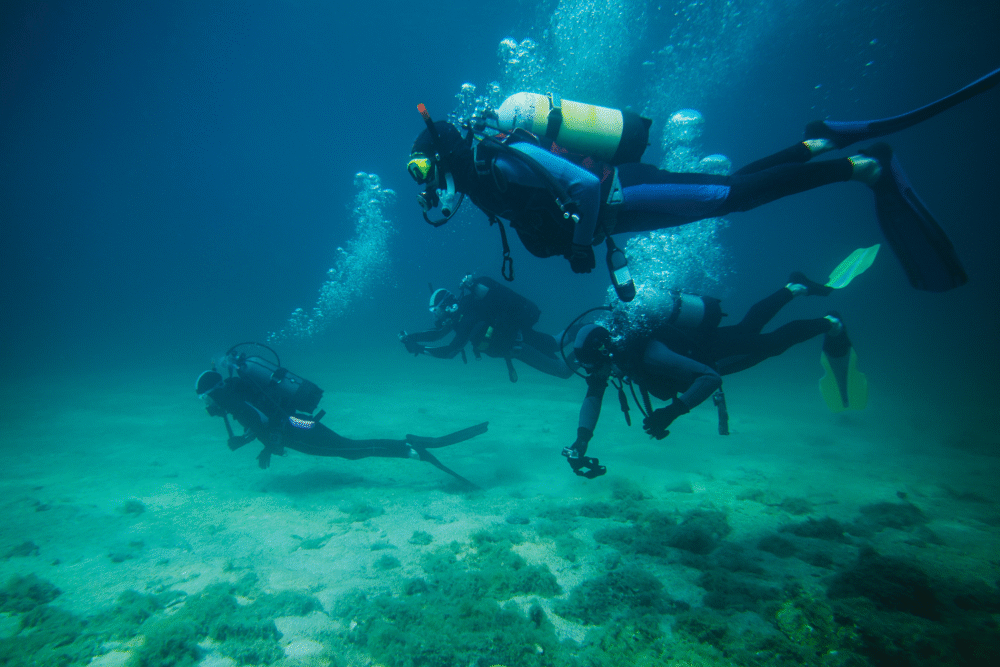
Environmental groups and volunteer divers have made the Osborne Reef cleanup a long-term mission. Teams organize regular dives to collect tires and deliver them to surface vessels for disposal or recycling.
These cleanups are slow and physically demanding, but they have become an important symbol of environmental restoration. Each tire pulled from the ocean is one step toward reversing decades of ecological harm—and a reminder of how small miscalculations can create lasting consequences.
11. A Lesson in Caution for Future “Green” Projects

The story of the Osborne Reef remains one of the most striking examples of how well-intentioned environmental projects can go wrong when long-term effects aren’t fully understood. It highlights the importance of science-based planning and cautious innovation in ecological restoration.
While today’s artificial reefs are far more advanced and successful, the failed tire reef serves as a lasting lesson. It shows that even the best ideas need rigorous testing—and that in nature, shortcuts toward “sustainability” can sometimes lead to decades of unintended damage.