
Scientists warn that a 2°C rise could push entire regions past the point of survival.

It’s the number climate scientists fear most: 2 degrees Celsius. Crossing that threshold could trigger irreversible damage to ecosystems, coastlines, and entire nations. From sinking island chains to regions turning uninhabitable from heat or drought, the world’s geography could change within a lifetime. The latest research warns that some of Earth’s most recognizable places—cultural landmarks, forests, and even countries—might not survive the century if global warming continues unchecked.
1. Why 2°C Is Considered the Critical Threshold
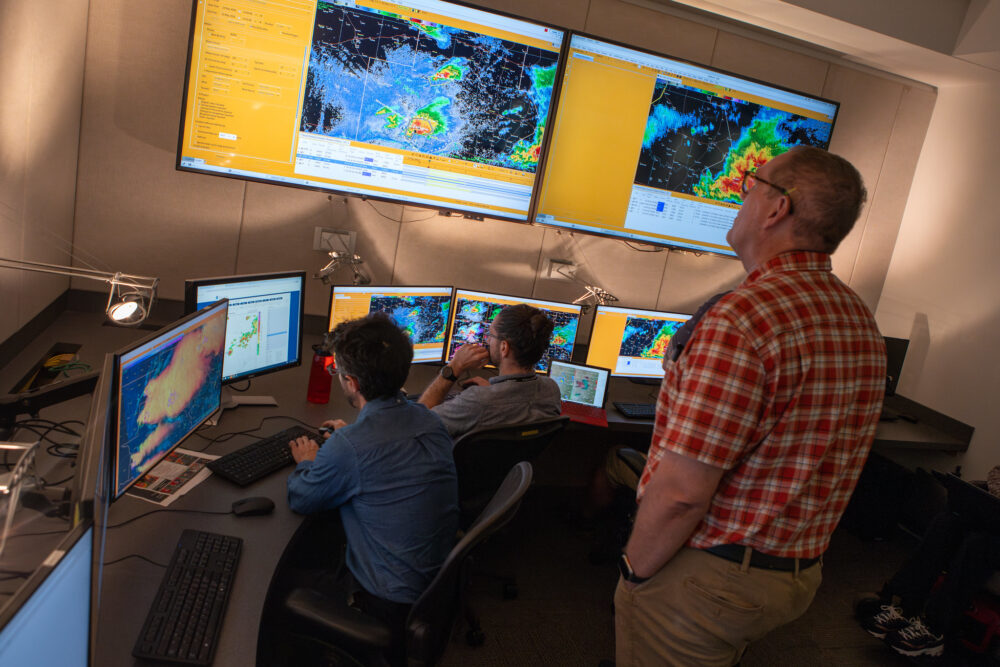
Climate scientists have long warned that global warming beyond 2 degrees Celsius above preindustrial levels marks a dangerous tipping point. This threshold was established under the Paris Agreement as the upper limit for avoiding catastrophic impacts on ecosystems, human health, and economies.
At 2°C of warming, the risks of heat extremes, crop failure, and sea-level rise increase sharply. Crossing this point could set off feedback loops—such as melting permafrost releasing methane—that further accelerate global warming beyond human control.
2. Small Island Nations Face an Existential Threat
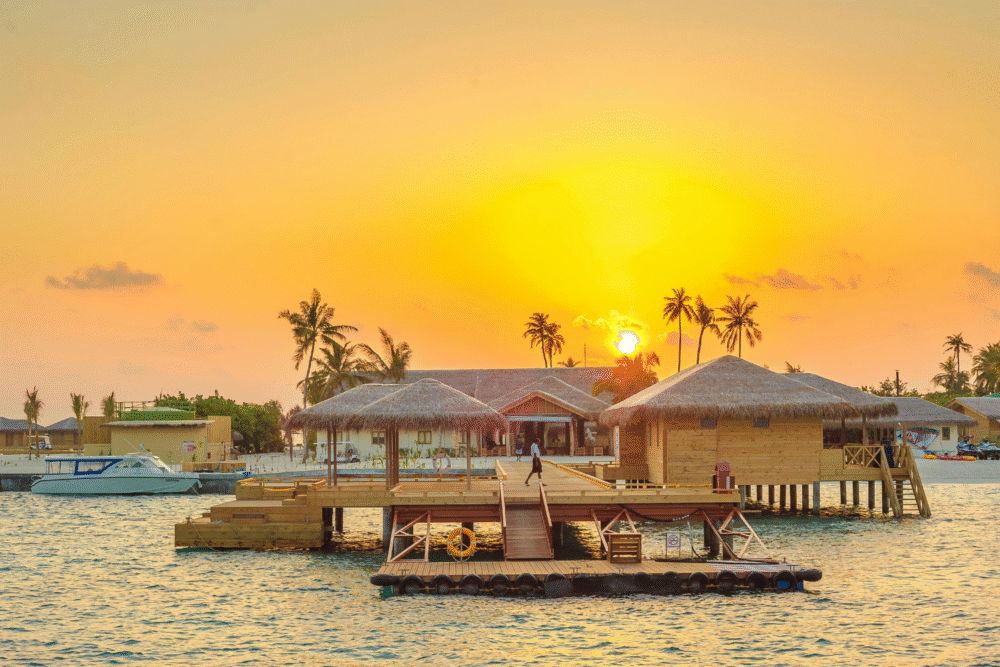
Low-lying island countries like the Maldives, Tuvalu, and Kiribati are among the first projected to disappear if global temperatures exceed 2°C. Rising sea levels—driven by melting glaciers and thermal expansion—could submerge most of their habitable land.
Many of these nations sit just a few feet above current sea level, leaving little margin for adaptation. Governments are already planning relocation strategies and legal frameworks for “climate refugees,” as homes and freshwater supplies vanish beneath encroaching tides.
3. Coral Reefs Could Be Wiped Out Entirely
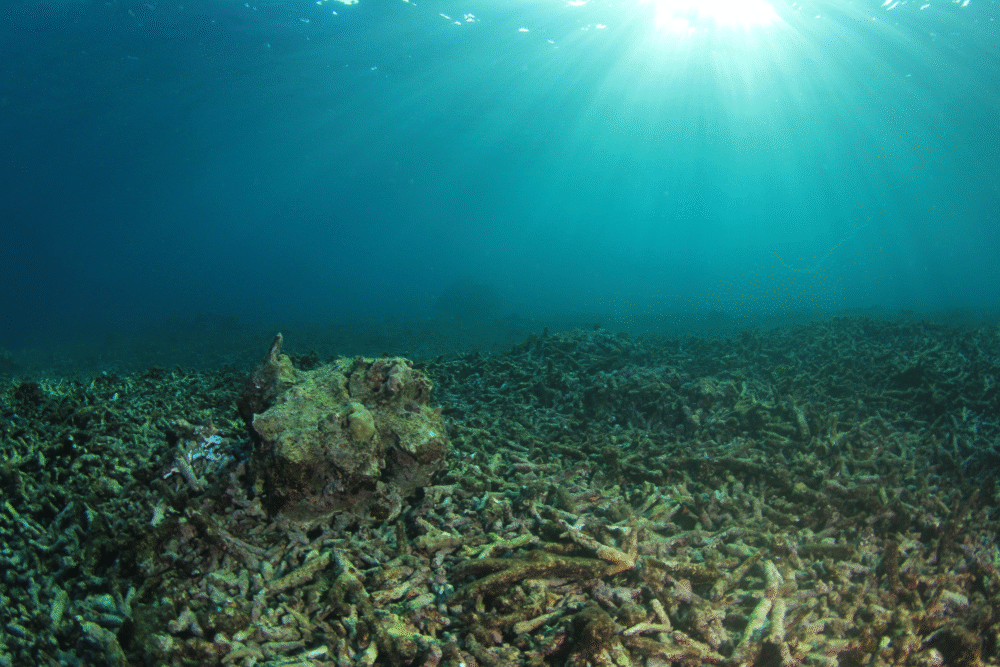
Coral reefs, which support a quarter of all marine life, are exceptionally sensitive to ocean warming. Scientists estimate that 99 percent of reefs could die off in a 2°C world due to heat-induced bleaching and acidification.
The loss of reefs would devastate fisheries, tourism, and coastal protection for hundreds of millions of people. The Great Barrier Reef has already experienced several mass bleaching events since 2016, signaling that even the world’s most iconic reef systems are nearing collapse.
4. The Arctic Could Lose Its Summer Ice
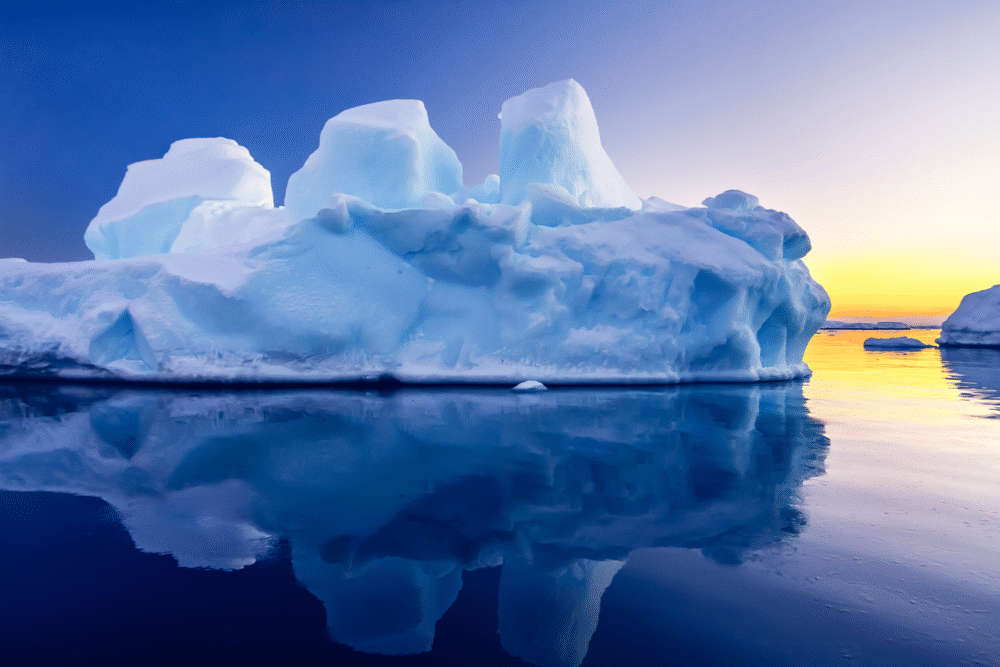
The Arctic is warming nearly four times faster than the global average. At 2°C of global warming, models predict that the region could become ice-free during summer months—a milestone not seen in human history.
This loss of sea ice would amplify warming even further, as dark ocean water absorbs more sunlight than reflective ice. The cascading effects include rising sea levels, collapsing ecosystems for polar bears and seals, and disrupted global weather patterns tied to jet stream shifts.
5. The Amazon Rainforest Could Reach a Point of No Return
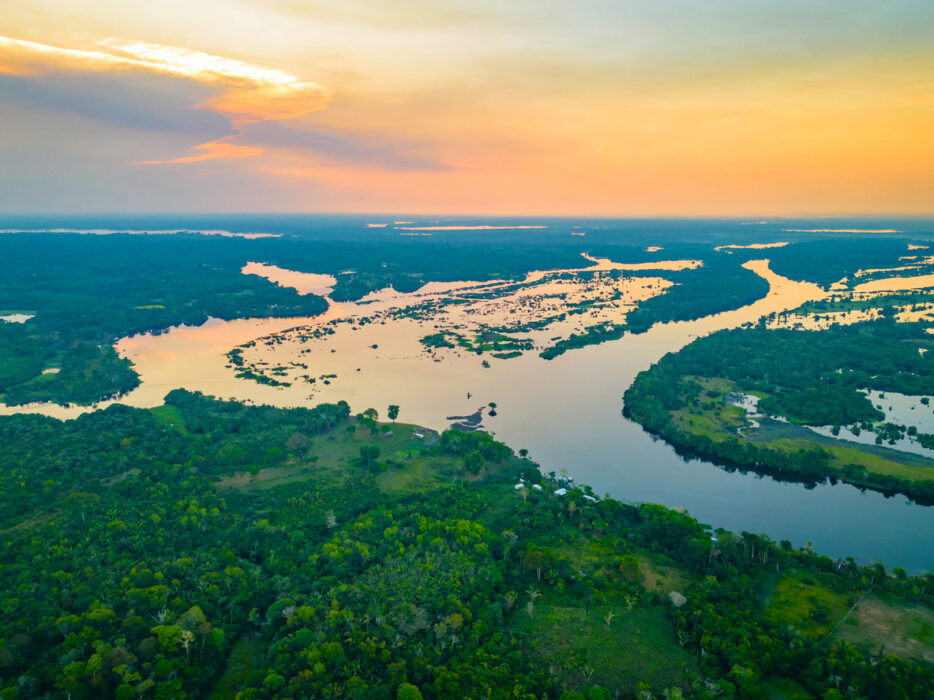
The Amazon Basin—often called Earth’s “lungs”—is approaching a critical tipping point. At sustained warming beyond 2°C, rising temperatures and declining rainfall could transform large parts of the rainforest into dry savanna.
Such a shift would release vast amounts of carbon stored in trees and soils, accelerating global warming even more. Scientists estimate that if just 20–25 percent of the forest is lost, the entire regional climate system could destabilize, threatening biodiversity and regional water supplies.
6. South Asia Could Become Unbearably Hot
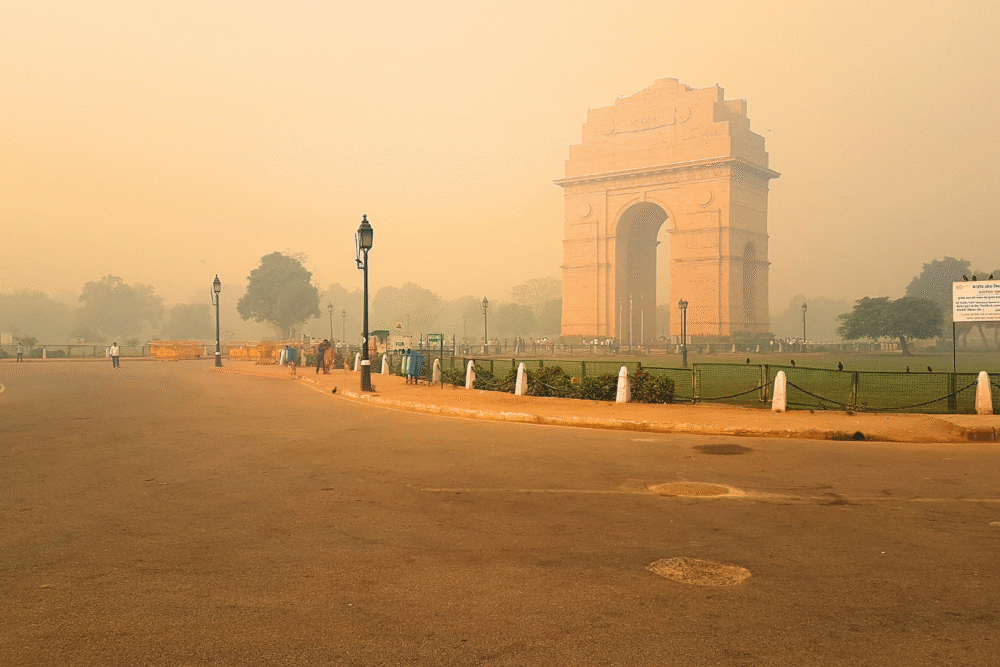
Parts of South Asia, including northern India, Pakistan, and Bangladesh, could face deadly heat waves that push temperatures and humidity beyond the limits of human survivability. Studies show that a 2°C increase could make outdoor labor impossible for hours each day in the summer months.
Combined with water shortages and population density, these conditions could trigger mass migration and public health crises. Experts warn that even with adaptation, millions could face life-threatening heat stress events every year by the end of the century.
7. Coastal U.S. Cities Could Be Permanently Flooded

A 2°C rise would commit the world to significant sea-level rise—estimated between 1.5 and 3 feet by 2100, with more to come in later centuries. For U.S. cities like Miami, New Orleans, and Norfolk, this would mean chronic flooding and major loss of infrastructure.
Some studies suggest that parts of southern Florida could become uninhabitable within decades without massive investment in sea walls and drainage. Beyond property damage, saltwater intrusion threatens drinking water aquifers and agricultural areas across the Gulf Coast.
8. Southern Europe Faces Drought and Desertification

Mediterranean nations such as Spain, Italy, and Greece are projected to experience worsening droughts and declining rainfall under 2°C of warming. These conditions could transform fertile regions into semi-arid zones, reducing crop yields and increasing wildfire risk.
Water scarcity would strain agriculture and tourism—two pillars of the region’s economy. Scientists also warn of a northward shift of the Sahara’s dry zone, which could further amplify heat extremes and drive climate migration within Europe.
9. African Savannas Could Collapse Under Heat Stress
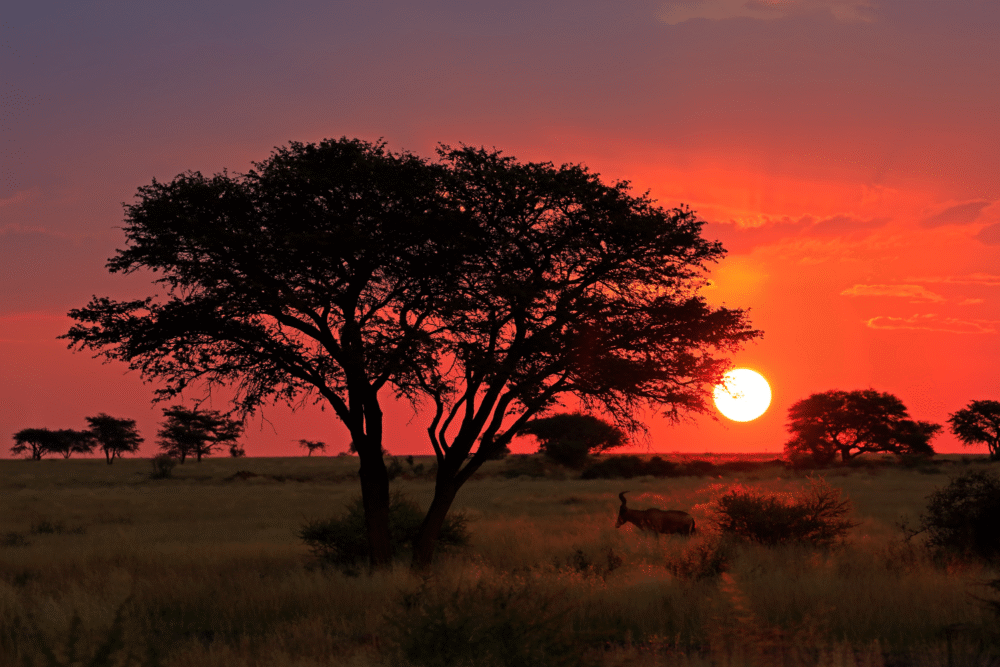
Africa’s ecosystems, including the savannas that support elephants, lions, and countless grazing species, are highly vulnerable to rising temperatures. A 2°C increase could intensify droughts, reduce vegetation, and shrink critical water sources.
This ecological strain threatens both wildlife and the livelihoods of millions who rely on herding and subsistence farming. The loss of biodiversity would also ripple through tourism-dependent economies in countries such as Kenya and Tanzania, which depend on these ecosystems for income and jobs.
10. Glacial Regions Could Vanish Within Decades
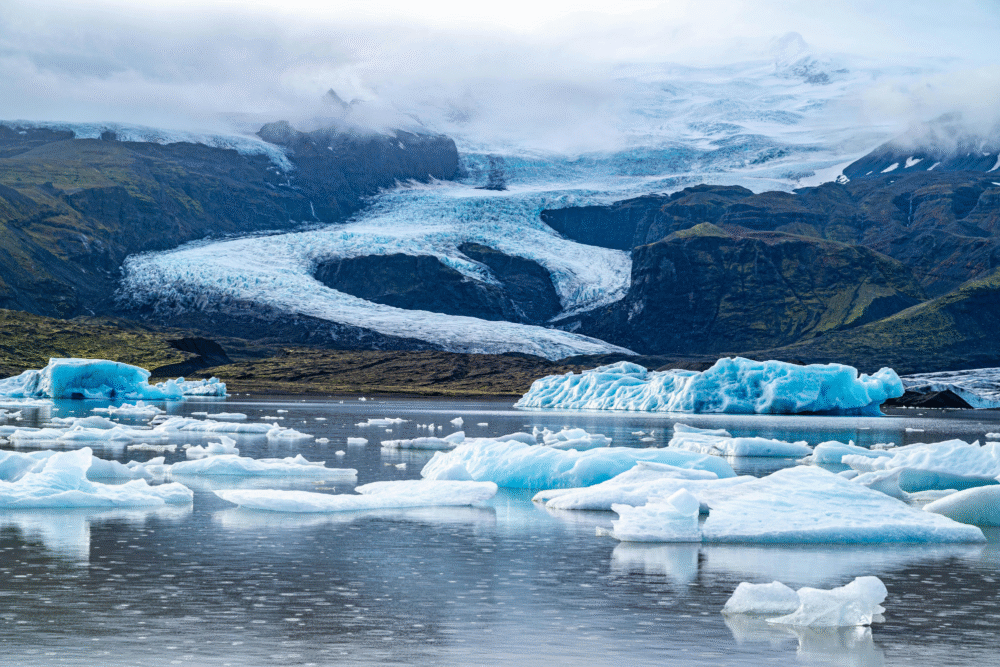
At 2°C of global warming, glaciers from the Himalayas to the Andes are expected to retreat dramatically, threatening freshwater supplies for nearly two billion people. In regions like the Alps, more than 90 percent of glacier volume could disappear by 2100.
As glaciers melt, river flow initially increases, but long-term water availability declines sharply once the ice reserves are gone. Communities downstream that rely on glacial melt for drinking water, irrigation, and hydropower could face severe shortages.
11. Low-Lying River Deltas Could Drown Entire Communities
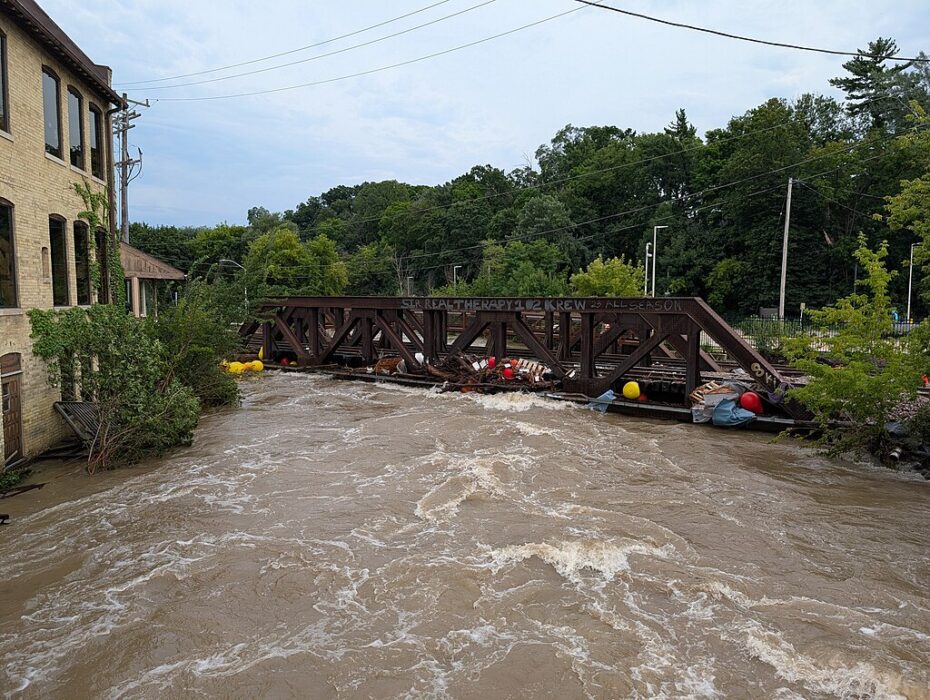
Major river deltas—like the Mekong in Vietnam, the Nile in Egypt, and the Ganges-Brahmaputra in Bangladesh—are among the world’s most densely populated regions. Rising seas, land subsidence, and stronger storm surges could displace tens of millions by 2100.
These fertile regions produce much of the world’s rice and other staple crops. Even small increases in sea level could contaminate farmland with saltwater and force mass relocation, turning coastal agriculture into one of the earliest casualties of unchecked global warming.