
Your phone addiction isn’t just killing your sleep—it’s freezing your climate action too.

We’ve all been there: a quiet evening at home derailed by a casual thumb-swipe into the climate abyss. One minute you’re checking the weather, the next you’re frozen by headlines about record-breaking heatwaves, melting ice, and climate refugees. Three hours later, you’re still scrolling, now convinced we’re all doomed while you’ve done exactly nothing to help. Congratulations! You’ve fallen into the climate doomscrolling trap—modern environmentalism’s biggest irony where staying informed somehow makes you less effective at creating change.
This endless cycle of climate horror isn’t just wasting your time—it’s actively blocking your ability to take meaningful action. The constant flood of bad news creates the perfect brain storm that short-circuits your ability to respond in helpful ways. While knowing about climate challenges matters, there’s a tipping point where more information doesn’t help but actually freezes your response. Let’s look at the doomscrolling habits killing your climate action potential and how to break free.
1. You consume climate news like an all-you-can-eat buffet.

Morning check-in with Twitter’s trending climate disasters? Evening wind-down with the latest environmental collapse documentaries? When climate news becomes your constant media diet, you’ve crossed into territory that your brain simply cannot process well. Kirsten Weir for the American Psychological Association reports that media saturation can lead to increased stress and anxiety, overwhelming your brain circuits and triggering freeze-up instead of action.
Your brain wasn’t built to handle planet-sized threats 24/7. Limiting climate news to specific times—perhaps a dedicated 30-minute window twice weekly—creates space for your mind to actually process what you learn rather than just collecting more disaster stories. Try following a simple rule: for every negative climate story you read, find one solution-focused article about climate innovation or community action that’s actually working somewhere in the world.
2. You search for the worst-case scenario in every climate story.

Headline-hunters who scroll past balanced climate articles to find the grimmest predictions buried in paragraph 17 are training their brains to zoom in on threats while ignoring potential solutions. Many of us unconsciously hunt for worst-case scenarios, telling ourselves we’re “just being realistic” while actually feeding our anxiety and making action seem pointless.
Climate science includes a range of possible futures—from challenging but manageable to truly awful—and focusing only on the worst options distorts your understanding while crushing your motivation to act. A 2019 survey by The Washington Post and the Kaiser Family Foundation found that 38% of U.S. adults consider climate change a crisis, up from 23% in 2014.
When reading climate content, make a conscious effort to notice the full range of possibilities mentioned. Make a two-column list: potential problems in one column and proposed solutions or positive developments in the other. This simple practice helps you see a more complete picture that enables action rather than giving up.
3. Your social feeds have become climate disaster echo chambers.

Following only doom-oriented climate accounts creates an information bubble where positive developments and successes simply don’t exist in your digital world. While climate journalists and activists do important work highlighting urgent issues, consuming only their most alarming content creates a skewed picture that action is pointless because everything everywhere is failing at once.
Diversify your climate information diet by deliberately following solution-oriented accounts, climate technology innovators, and community-level success stories. Research by Cassandra Troy from Penn State indicates that news coverage focused on climate solutions can motivate people to engage in climate-friendly behaviors. For every disaster-focused account in your feed, add one that highlights progress, innovation, or effective climate action. This balanced approach provides crucial context that the climate challenge, while serious, includes paths forward that are actually working in communities worldwide.
4. You evaluate all climate news through an all-or-nothing lens.

The mental sorting of climate developments into either “world-saving breakthroughs” or “completely useless half-measures” reflects black-and-white thinking that prevents recognizing step-by-step progress. Climate progress often happens through thousands of partial solutions working together across sectors and regions rather than single dramatic fixes. When every development that isn’t perfect gets mentally tossed aside as worthless, your view of what’s possible shrinks dramatically.
Climate action works more like compound interest than winning the lottery—small contributions add up over time into significant impact. Practice finding the value in partial solutions by asking “How does this help?” rather than “Is this enough?” The shift from yes/no thinking to seeing shades of progress opens paths to engagement that all-or-nothing thinking blocks, reconnecting you with the reality that imperfect progress still moves us forward.
5. You’ve made climate worry a core part of your identity.

For some dedicated environmentalists, constant climate worry has changed from a feeling into a personality trait—something that defines them rather than something they experience. When climate anxiety becomes part of your identity, taking actions that might reduce that anxiety can actually feel threatening to your sense of self, creating a hidden reason to stay stuck in the worried, frozen state.
Consider whether you’ve accidentally built friendships or self-image around being the “person who worries about climate change.” If so, try reframing your environmental identity around action rather than distress—the person who takes climate action rather than the person always alarmed by it. This small shift transforms anxiety from a defining characteristic into a normal but temporary feeling that motivates rather than defines you.
6. You consume more climate content than you can mentally digest.

Like trying to drink from a fire hose, rapidly consuming huge amounts of climate information without taking time to process it overwhelms your ability to make sense of it all. Your brain needs breaks between information inputs to connect dots, figure out what matters most, and develop response strategies. Without these processing breaks, new information just piles up as scattered anxiety triggers rather than useful knowledge.
Take mandatory digestion breaks after consuming significant climate content—even just 15 minutes of reflection or writing about what you’ve learned and possible response options. These brief integration periods help your brain sort what’s important from what’s noise, preventing the mental overwhelm that leads to avoidance or shutdown. The goal isn’t knowing less but processing more effectively to enable action rather than freezing up.
7. You fixate on faraway climate effects while ignoring local opportunities.

While scrolling through stories about Arctic melt or Pacific island nations, you might be missing climate action opportunities literally outside your door. The mental gap between global climate news and local action possibilities creates a disconnect that feeds helplessness rather than engagement. When climate change feels like a distant problem, your brain struggles to connect it with actions available in your immediate surroundings.
Bridge this gap by deliberately seeking information about climate impacts and response options in your specific area. Join local environmental groups’ newsletters, attend community climate meetings, or research climate risks in your particular region. Connecting global concerns with local context activates your brain’s problem-solving abilities rather than just its alarm systems, transforming vague worry into concrete response options.
8. You’ve created environmental standards that nobody—including you—can meet.

People who simultaneously criticize climate solutions for being inadequate while feeling guilty for their own imperfect environmental choices have built an impossible standard that guarantees failure and inaction. This perfectionist trap keeps you stuck in judgment mode instead of contribution mode. Perfect climate solutions don’t exist—only better or worse choices made by regular humans working with limited information and resources.
Lower the mental bar from “perfect climate action” to “better climate choices.” This shift acknowledges the reality that everyone—from individuals to nations—operates within constraints that make perfect environmental decisions impossible. The goal isn’t flawless climate citizenship but consistent improvement and engagement, which become possible only when perfection stops being the enemy of progress in your thinking.
9. You measure impact exclusively by planet-sized results.
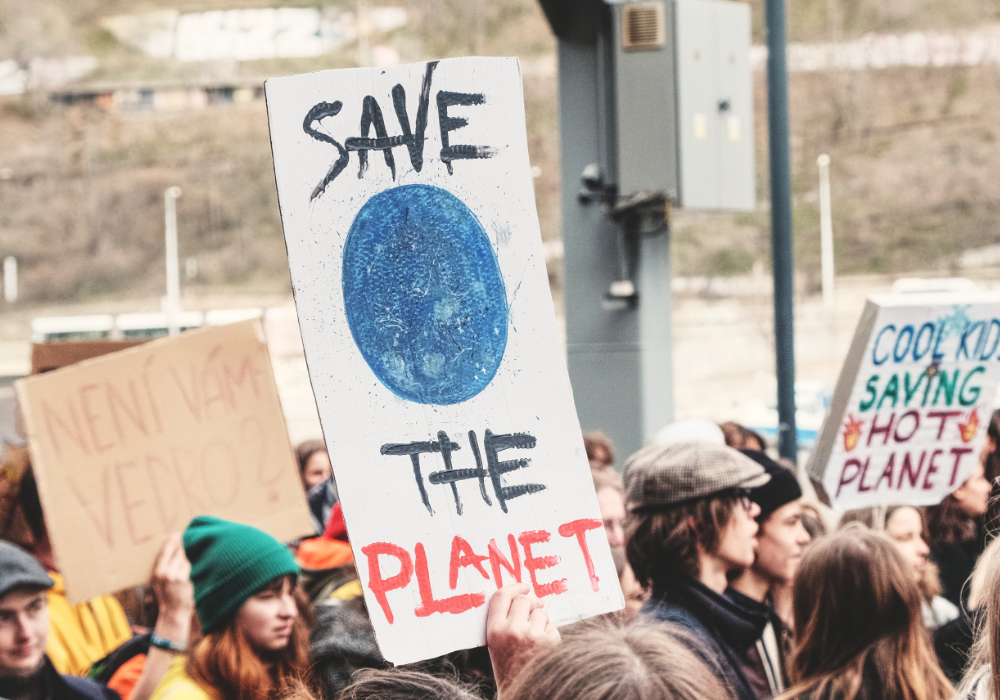
Those who evaluate actions solely by whether they’ll “save the planet” single-handedly have created a measuring stick that guarantees feeling futile. No individual action meets this threshold—not even the combined efforts of major climate organizations produce immediately measurable planetary changes. This framing creates a mental trap where only impossible actions seem worthwhile, justifying continued inaction.
Adopt more realistic impact measures focused on your circle of influence rather than global outcomes. Instead of asking “Will this fix climate change?” try “Does this move my household/community/workplace in a better direction?” These closer-to-home measurements reconnect action with observable outcomes, restoring the sense of effectiveness that planet-sized metrics accidentally destroy. Even small towns implementing climate-friendly policies create ripple effects through setting examples and developing innovations that expanded metrics help you recognize.
10. Your doomscrolling has crowded out actual relationship building.

Hours spent absorbing climate catastrophes online often directly replace time that could be invested in building the community connections that enable effective group action. Climate change requires people working together—yet the solitary nature of doomscrolling actively undermines the relationship development necessary for meaningful response.
For every hour spent consuming climate content, dedicate equal time to climate-related social connection. Join community groups, attend environmental events, or simply discuss climate concerns with friends and family in constructive ways. These social connections provide emotional support that makes distressing information easier to process while creating networks through which effective community-level climate action becomes possible. Building these relationships transforms climate concern from a private worry into a shared commitment.
11. You seek climate information that confirms what you already believe.

Content consumers who primarily digest climate information that matches their existing outlook—whether optimistic, pessimistic, or politically aligned—are limiting their understanding in ways that hamper effective action. Confirmation bias in climate information seeking creates blind spots that prevent developing comprehensive response strategies. Different perspectives on climate challenges often contain valuable insights about priorities, approaches, and potential solutions, even when you don’t agree with everything in those viewpoints.
Deliberately seek climate perspectives different from your own. Progressives should read conservative climate solutions. Tech enthusiasts might explore indigenous approaches. Pessimists benefit from examining realistic progress. This intellectual cross-training develops more robust understanding while identifying potential common ground for the broad-based cooperation climate action requires.
12. You confuse staying informed with taking action.
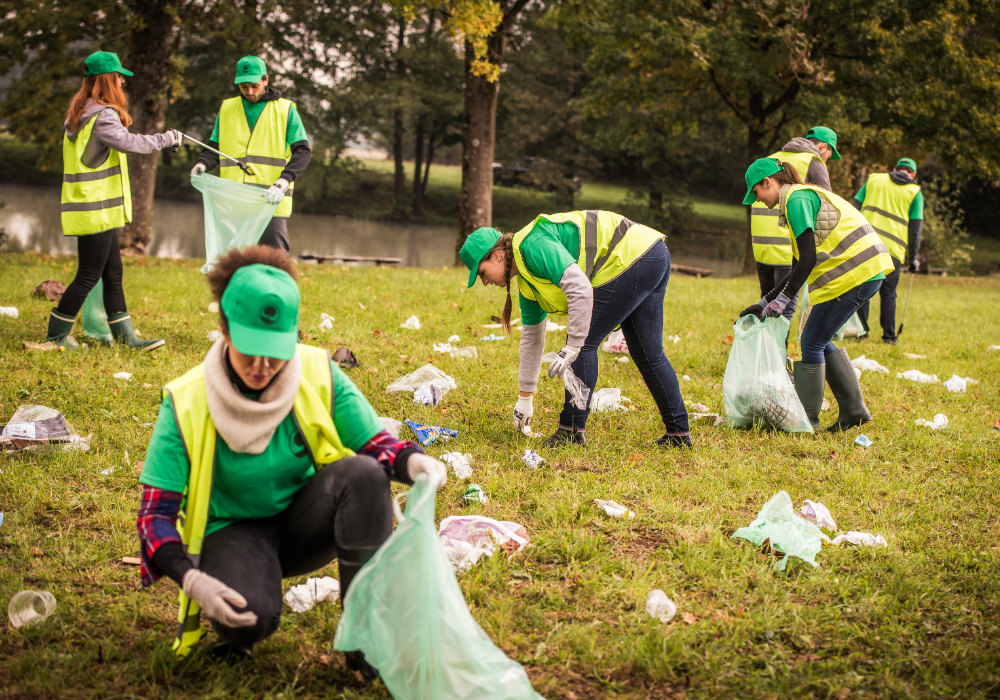
The most sneaky doomscrolling trap is mistaking information consumption for meaningful engagement. Reading every climate article published doesn’t count as climate action—it’s just preparation. Yet many of us subconsciously count time spent reading climate news as having “done something” about the problem, creating a false sense of engagement that actually replaces rather than leads to tangible action.
Implement a simple input-output system: for every hour spent consuming climate information, schedule a specific action in response, however small. Read about ocean plastic for an hour? Spend 10 minutes writing to companies about excessive packaging. Concerned about emissions? Research one specific change to reduce your household carbon footprint and implement it. This balanced approach ensures information serves its proper role as a first step to action rather than a substitute for it.