
A mix of extreme weather and trade tensions is driving U.S. coffee prices to their highest levels in years.
If your morning cup of coffee suddenly costs more, you’re not imagining it. U.S. coffee prices have surged as poor harvests and new import tariffs tighten global supply chains. Extreme weather in key producing countries like Brazil and Vietnam has damaged crops, while higher trade costs are pushing prices even further. Analysts say roasters and retailers are already passing costs to consumers, signaling that higher prices at coffee shops and grocery stores may be here to stay.
1. U.S. Coffee Prices Hit Record Highs
The average price of coffee in the U.S. has surged to its highest level in years, reflecting major disruptions in global supply and trade. Industry data shows prices have climbed more than 40 percent compared to last year, marking one of the steepest increases in over a decade.
Economists say this trend is unlikely to reverse soon. Between poor harvests, shipping delays, and new tariffs, nearly every link in the coffee supply chain is under pressure. Consumers are already feeling the pinch each time they order a latte or restock their favorite blend.
2. Tariffs Have Made Imported Coffee More Expensive
New import tariffs are among the biggest reasons for the recent price jump. The U.S. relies almost entirely on imported coffee, and trade duties on beans from countries like Brazil, Vietnam, and Colombia have sharply increased costs for roasters and distributors.
For an industry with tight margins, these extra costs can’t easily be absorbed. Most companies have been forced to pass them directly to consumers. The result is higher retail prices for both packaged coffee and drinks at cafés nationwide.
3. Extreme Weather Has Damaged Global Harvests
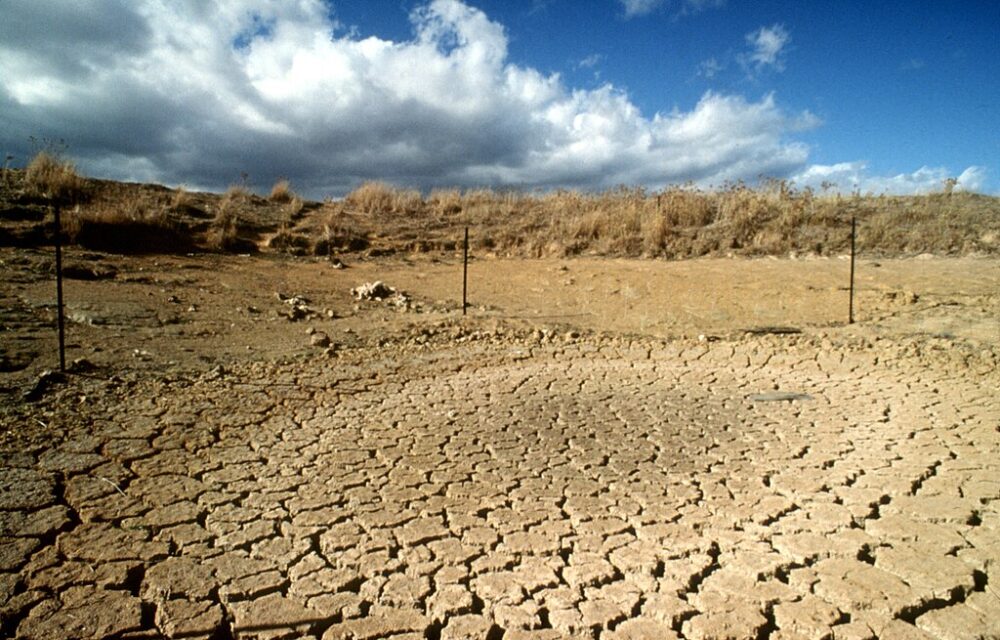
Erratic weather in major coffee-growing countries has cut yields and reduced bean quality. Severe droughts, unseasonal rains, and heatwaves have all hurt harvests in regions that normally supply much of the world’s coffee. Brazil, the largest producer, has faced particularly harsh conditions, lowering its annual output significantly.
When supply drops from multiple producing nations at once, prices rise globally. These weather shocks are becoming more frequent as climate change intensifies, creating persistent uncertainty for farmers and traders who depend on stable growing seasons.
4. Coffee Futures Are Soaring as Markets React
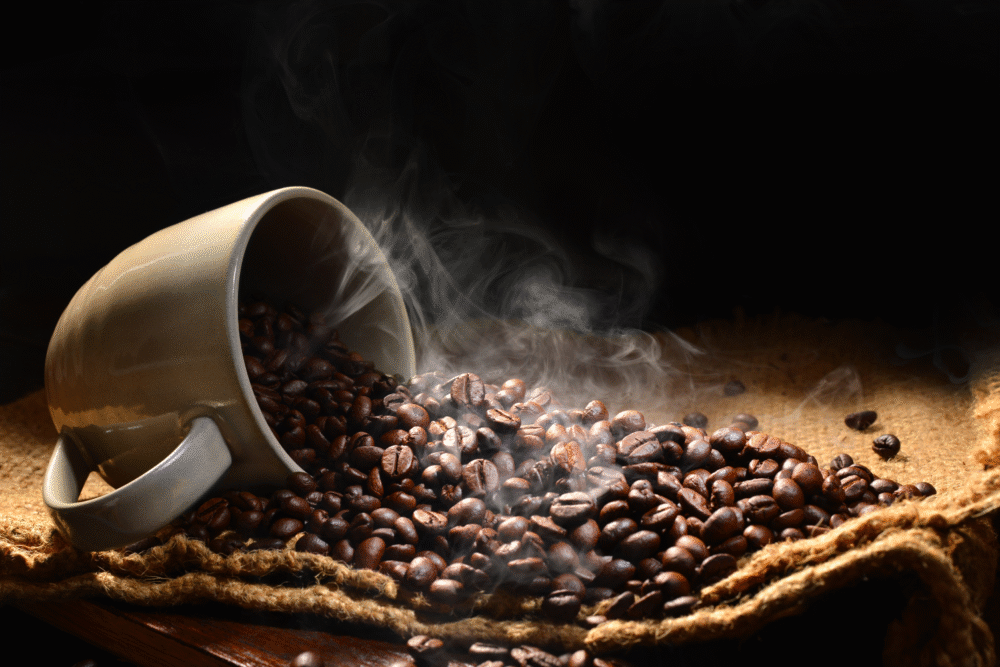
On international exchanges, the price of coffee futures has spiked as traders anticipate tighter supplies and higher import costs. Futures markets act as early indicators of what consumers will eventually pay. When green bean prices rise, the increases often show up at grocery stores and cafés within months.
Investors are treating the current situation as more than a short-term fluctuation. With tariffs, crop failures, and logistical issues all converging, futures traders expect sustained pressure on coffee prices through at least the next harvest cycle.
5. Importers and Roasters Are Feeling the Strain
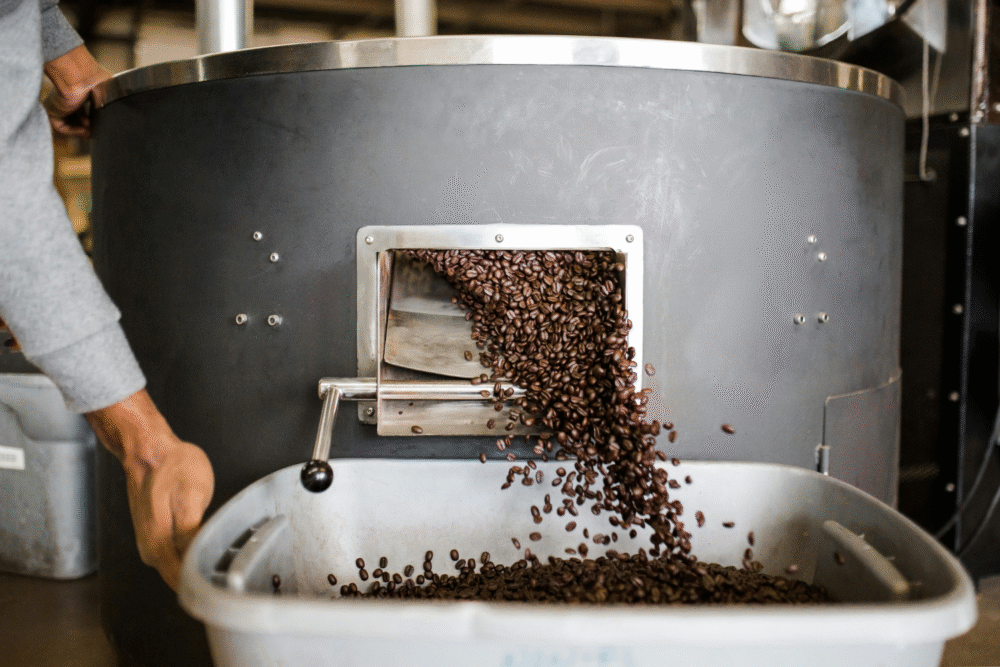
Coffee importers and roasters across the U.S. report rising expenses from every direction. Beyond paying more for raw beans, they face higher shipping, packaging, and compliance costs tied to new trade rules. For smaller roasters, these added expenses can threaten profitability or force difficult price hikes.
Many companies are renegotiating supply contracts or seeking new sources, but there are few alternatives. With global supply tight, competition for beans has intensified, leaving buyers with little leverage to reduce costs.
6. Cafés and Supermarkets Are Passing Costs Along

From major chains to local cafés, coffee shops have little choice but to raise prices on their drinks. Many have already added surcharges or reduced promotional discounts to offset higher bean and milk costs. Supermarkets, too, are increasing the shelf prices of popular brands.
For everyday coffee drinkers, this means their morning ritual has become noticeably pricier. Even small increases—just 25 or 50 cents per cup—add up over time, especially for households that buy coffee daily. Analysts say consumers should expect more gradual price hikes through the coming year.
7. The U.S. Depends Almost Entirely on Imports
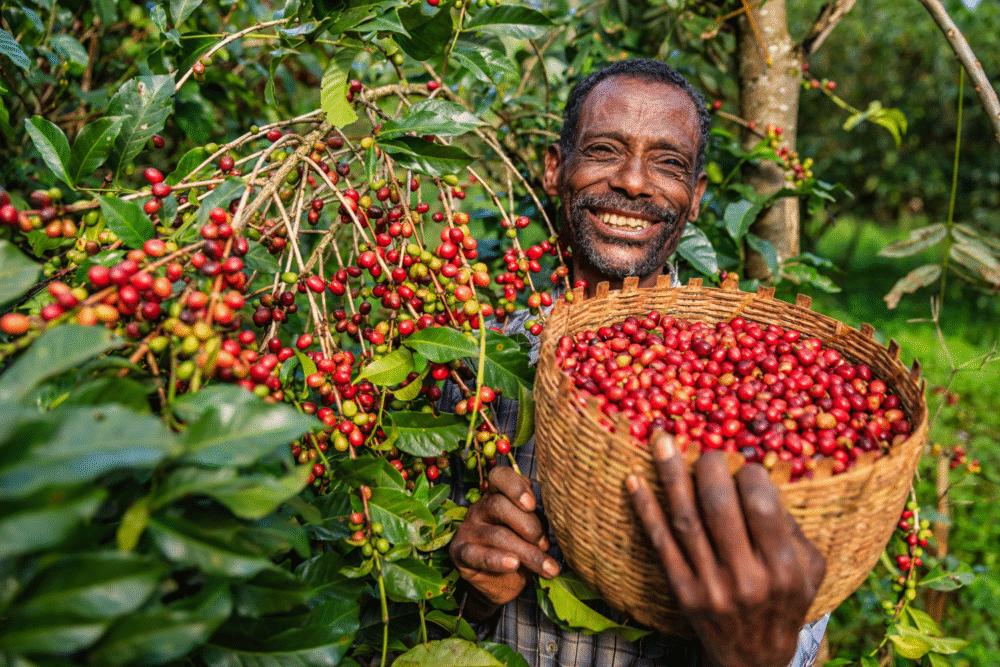
Unlike crops such as corn or soybeans, coffee cannot be grown on a large scale in the continental United States. Hawaii and Puerto Rico produce small amounts, but together they account for barely one percent of national consumption. That leaves the U.S. almost completely reliant on imports.
This dependence makes the country highly vulnerable to external shocks. When tariffs, weather events, or shipping problems disrupt global trade, there are no significant domestic supplies to cushion the impact—so price changes abroad are quickly felt at home.
8. Trade Tensions Add to Long-Term Uncertainty

The new tariffs reflect broader tensions in global trade policy, and many coffee producers and importers say they need clarity on whether these measures are temporary or long-term. The uncertainty makes it harder for companies to plan contracts and pricing.
Industry groups have asked the U.S. government to reconsider the tariffs, noting that coffee is not a product that competes with domestic production. Until there’s a resolution, the additional costs will likely keep prices elevated for both businesses and consumers.
9. Climate Change Threatens Future Coffee Supplies

Beyond the immediate price spikes, scientists warn that rising global temperatures could reduce suitable coffee-growing areas by as much as half by mid-century. Shifting rainfall, droughts, and new pests are already affecting yields in tropical regions that once offered ideal growing conditions.
Farmers are experimenting with new varieties and moving plantations to higher elevations, but such adaptations are costly and slow. If current trends continue, the global coffee supply chain could face more frequent disruptions—and permanently higher prices for consumers.
10. Inflation and Shipping Costs Amplify the Problem
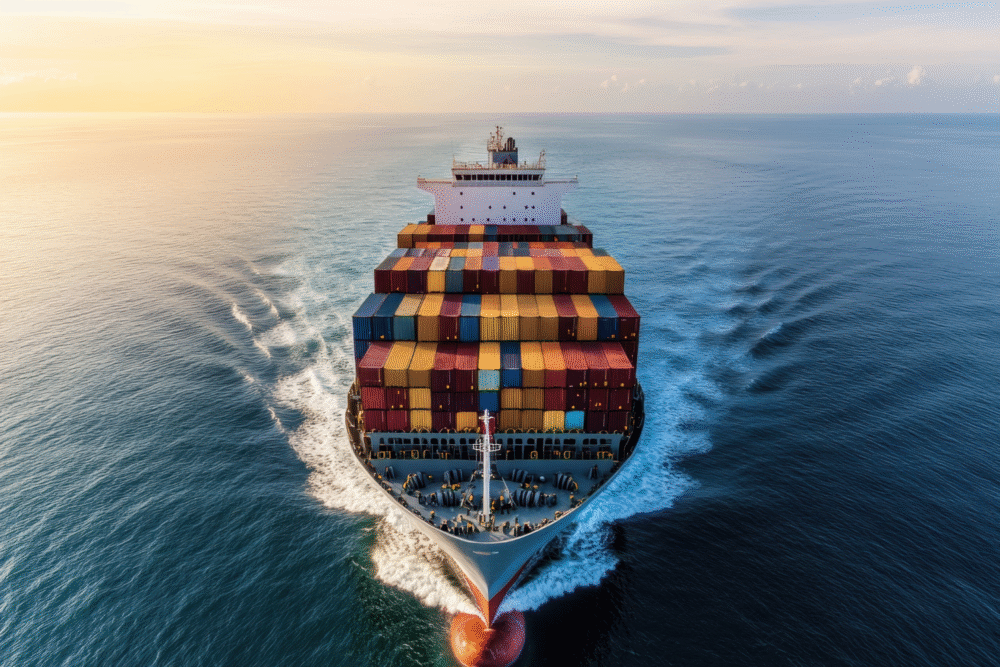
Even outside of agriculture, broader economic pressures are contributing to rising coffee prices. Inflation has increased the cost of labor, fertilizer, fuel, and packaging. Meanwhile, ongoing shipping bottlenecks have pushed freight rates to their highest levels in years.
These cumulative expenses add up by the time beans reach the roaster. For smaller companies, the added costs can be overwhelming, while larger ones spread the increases across their entire product line. The end result is the same: consumers paying more at checkout.
11. Higher Coffee Prices Could Become the New Normal

Industry experts say that while prices may stabilize eventually, the era of cheap coffee is likely over. The convergence of climate instability, trade barriers, and rising production costs has fundamentally changed the economics of the coffee industry.
Even if some tariffs are lifted or weather improves, demand continues to grow globally, especially in emerging markets. That ongoing competition for limited supply will likely keep prices elevated. For coffee lovers, this means adapting to higher costs—or rethinking how often they buy their favorite brew.