
Climate disruptions are accelerating, and what you do now could make all the difference.
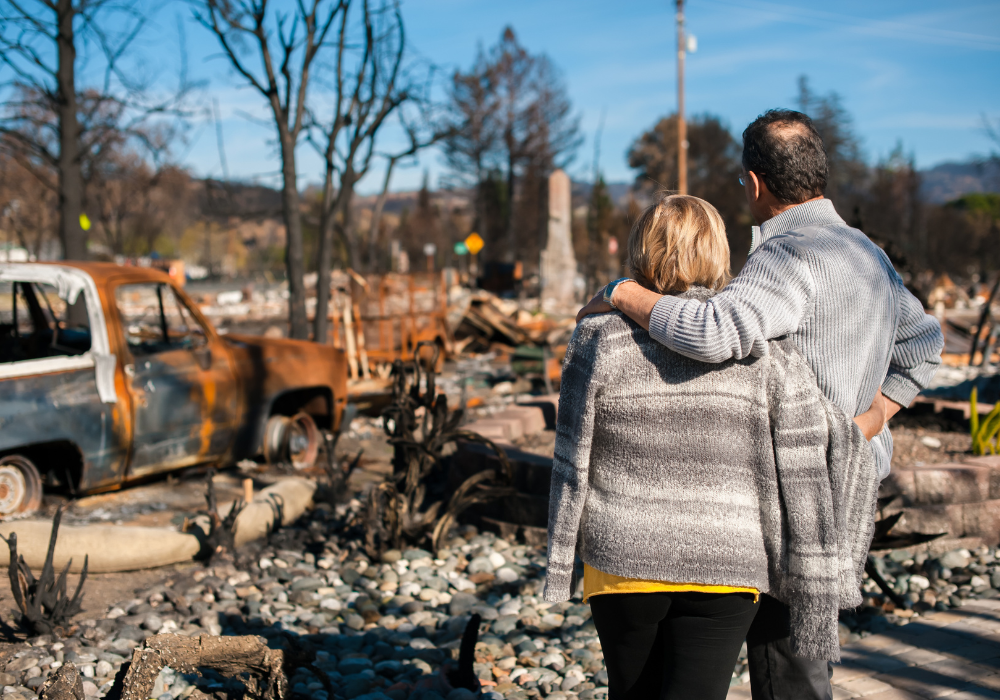
You’ve probably felt it — the heat waves are hotter, the storms more unpredictable, and the seasons less familiar. Scientists say these disruptions are signs of a climate that’s shifting faster than most people realize. While no one can control the weather, you can control how prepared you are for what’s coming. Taking small steps now can help protect your home, your family, and your peace of mind as the planet continues to warm.
1. Understand the Risks Where You Live

Climate change doesn’t affect every region in the same way. Coastal areas face sea level rise and stronger hurricanes, while inland communities may deal with worsening droughts, wildfires, or flash floods. Understanding your local vulnerabilities is the foundation of preparedness.
Check government resources such as regional climate assessments, local emergency management websites, or flood zone maps to learn what hazards are most likely in your area. Once you know the risks, you can take targeted steps — like improving drainage, reinforcing structures, or creating evacuation plans — that make sense for your specific environment.
2. Stay Informed About Extreme Weather Alerts

Modern forecasting systems can now predict severe storms, floods, and heat waves with increasing accuracy. Staying informed is one of the simplest and most effective ways to stay safe.
Sign up for alerts from your national meteorological service, local news outlets, or emergency management agencies. Mobile alerts can warn you minutes or hours before dangerous weather arrives, giving you time to take action. Experts emphasize that timely information often determines whether a situation becomes a crisis — preparation starts with awareness.
3. Create a Family Emergency Plan

Having a plan in place before an emergency can make all the difference. Families should discuss what to do if communication is lost, where to meet if evacuation is required, and how to assist children, seniors, or anyone with medical needs.
Keep important documents, medication lists, and emergency contacts in an accessible, waterproof folder. Review your plan annually and update it as circumstances change. Research consistently shows that households with a practiced plan respond more calmly and effectively during disasters, reducing confusion when every minute matters.
4. Build a Basic Emergency Supply Kit
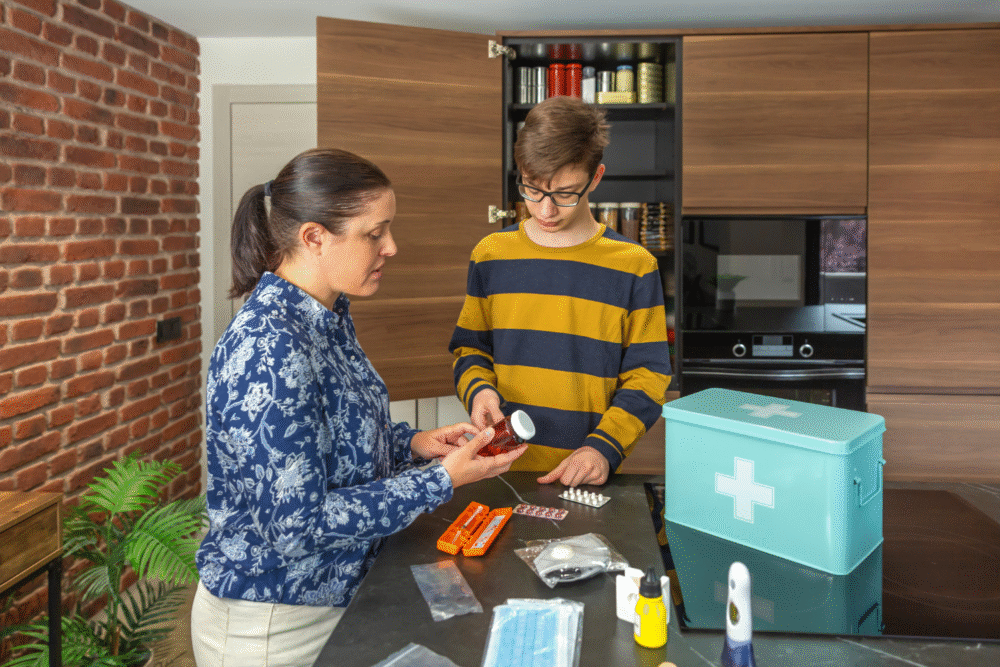
Extreme weather can disrupt transportation, power, and communication networks for days or even weeks. Preparing an emergency kit ensures that you have essentials when access to stores or utilities is limited.
Experts recommend keeping enough nonperishable food, water, batteries, flashlights, a first-aid kit, and basic tools for at least three days. Include extra medication, pet supplies, and copies of important documents. Storing these items in an easy-to-carry container means you can evacuate quickly or shelter safely in place during power outages or other emergencies.
5. Safeguard Your Home Against Climate Hazards

Small improvements to your home can greatly reduce climate-related damage. In flood-prone areas, elevate electrical systems and use water-resistant materials. In wildfire regions, clear flammable vegetation from around the property and install ember-resistant vents.
For areas prone to high winds, reinforce doors, windows, and roofing. Regular maintenance — like cleaning gutters and inspecting drainage — also helps prevent damage during heavy rainfall. These measures not only protect your safety but can lower insurance costs and preserve the value of your home in a changing climate.
6. Prepare for Heat Waves and Power Outages

Heat waves are becoming longer and more intense worldwide, and they can strain power grids or cause outages. Health officials advise keeping a supply of drinking water, identifying the coolest rooms in your home, and learning where local cooling centers are located.
If you rely on medical devices, talk to your utility company about priority power restoration programs. Installing surge protectors, backup batteries, or solar-powered chargers can keep essential devices running. Understanding heat risks and having backup options ensures you stay safe even when the temperature — and energy demand — soars.
7. Strengthen Your Financial Resilience

Climate-related disasters can lead to unexpected expenses, from temporary relocation to home repairs. Building a small emergency fund and reviewing your insurance coverage helps protect you from financial shocks.
Make sure your home, health, and car insurance policies reflect current risks, especially if you live in a flood, fire, or storm-prone area. Keep digital copies of important records and receipts. Economists note that financial preparation is one of the most overlooked aspects of climate readiness — yet it can be the key to faster recovery after a disaster.
8. Reduce Your Personal Contribution to Climate Change
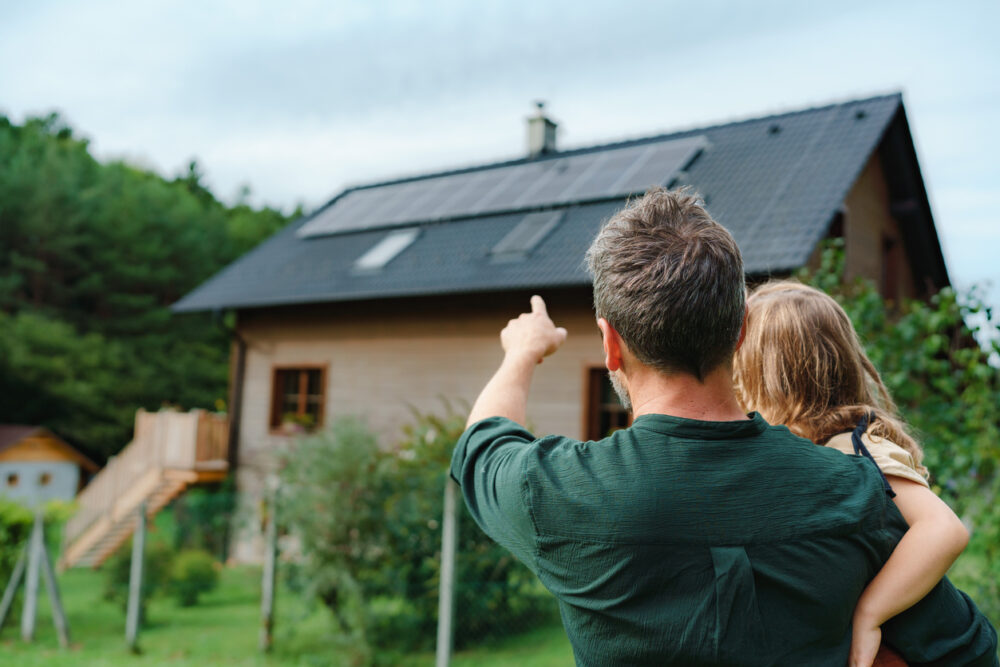
Preparation also means prevention. Lowering your carbon footprint helps slow the long-term trends that are driving climate instability. Simple actions — such as improving home energy efficiency, reducing waste, and driving less — make a measurable difference over time.
You can also support renewable energy programs or community climate initiatives. While individual efforts alone can’t solve global warming, widespread participation reinforces collective progress. Experts stress that the same habits that reduce emissions — saving energy, conserving water, and reusing materials — also help you live more sustainably and economically.
9. Get Involved in Local Climate Planning
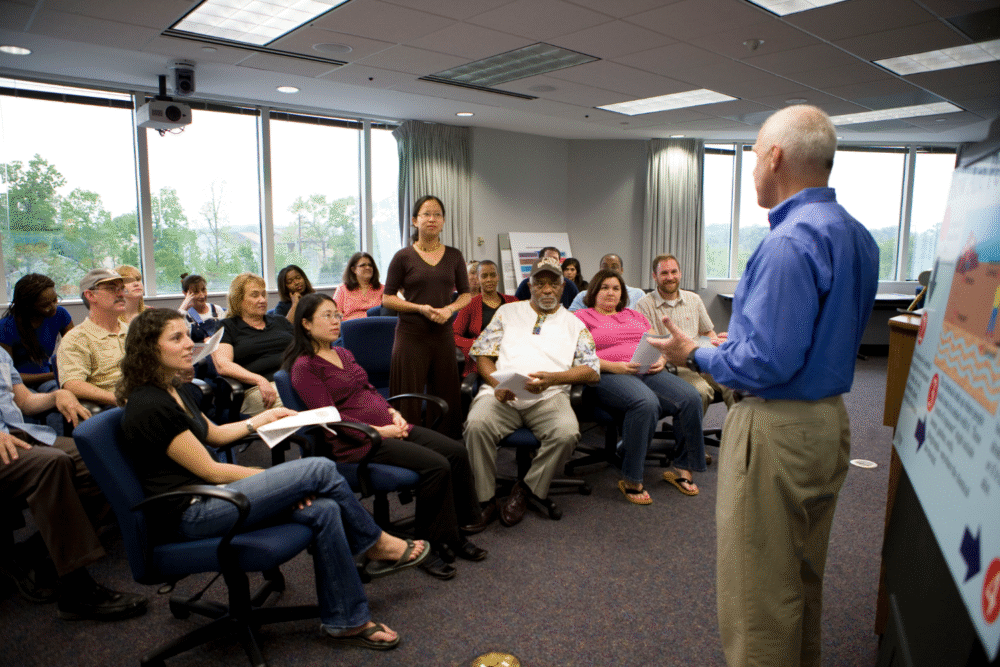
Many cities and towns are developing resilience plans to prepare for floods, fires, and other environmental threats. Public involvement ensures those strategies meet real community needs.
Attend local planning meetings, join neighborhood preparedness groups, or volunteer for emergency response training. Community-based action builds social networks that are vital during crises, when mutual aid often arrives faster than official help. Studies consistently show that communities with strong social ties recover more quickly after disasters than those where residents act in isolation.
10. Protect Your Health From Climate Impacts

Rising temperatures and extreme weather can worsen air quality, spread vector-borne diseases, and increase stress. Doctors recommend monitoring air pollution levels, using air purifiers indoors during smoke or smog events, and keeping necessary medications accessible.
Stay hydrated during heat waves and limit outdoor activity when air quality is poor. If you have asthma, heart disease, or other chronic conditions, discuss climate-related risks with your healthcare provider. Building awareness of how environmental changes affect your body helps you manage health risks proactively rather than reactively.
11. Recognize That Preparation Builds Peace of Mind

Climate disruption can feel overwhelming, but preparation restores a sense of control. Taking tangible steps — from securing your home to organizing key information — helps reduce anxiety and builds confidence in uncertain times.
Experts emphasize that preparedness is less about fear and more about empowerment. By planning ahead, you protect your family, strengthen your community, and contribute to broader resilience. Climate change will continue to challenge daily life, but readiness ensures that you’ll meet those challenges from a position of knowledge, not panic.