
A new feed additive could cut methane emissions from cattle—a key driver of climate change.

Scientists believe they have found a practical way to reduce a major source of global warming: methane from cow burps. A new study at University of California, Davis showed that adding a small amount of red seaweed derived from the genus Asparagopsis taxiformis to grazing beef-cow diets cut their methane emissions by nearly 40%. Earlier trials reported reductions of up to 80 % in controlled settings. While logistical and regulatory hurdles remain, the research offers hope that the livestock sector could achieve meaningful climate gains in the near future.
1. Cows Are a Leading Source of Methane Emissions
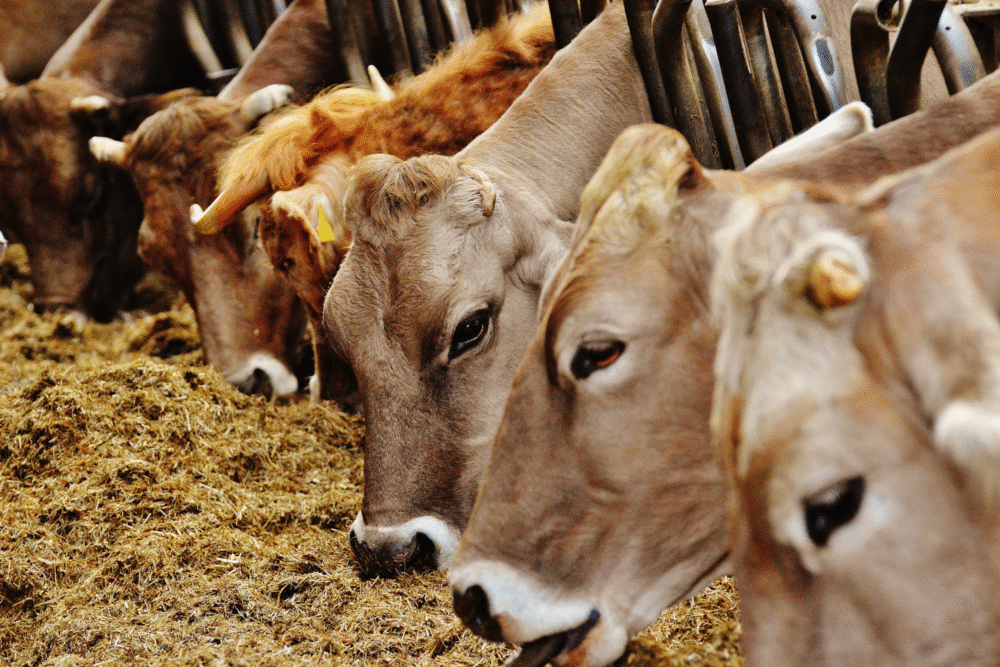
Cattle are responsible for a significant share of global methane emissions—nearly one-third of those tied to human activity, according to the United Nations Environment Programme. Methane is a greenhouse gas more than 80 times more potent than carbon dioxide over a 20-year period.
Most of this methane comes from a natural digestive process called enteric fermentation, which breaks down tough plant fibers in a cow’s stomach. The gas is released primarily through burps, not flatulence, and collectively represents one of the agricultural sector’s biggest climate challenges worldwide.
2. Cutting Methane Can Cool the Planet Quickly

Unlike carbon dioxide, methane doesn’t stay in the atmosphere for centuries—it breaks down in about 12 years. That short lifespan means reducing methane can slow global warming much faster than targeting CO₂ alone.
Scientists say that limiting methane emissions could lower global temperatures by up to 0.3°C by midcentury. Because livestock contribute so much methane, agriculture is seen as a prime target for achieving quick, measurable progress toward climate stabilization within the next decade.
3. Seaweed Is Emerging as an Unexpected Solution

Researchers have found that a type of red seaweed, Asparagopsis taxiformis, contains natural compounds that stop methane formation in a cow’s stomach. When mixed into feed in tiny amounts—less than 1% of diet—it inhibits the enzyme that drives methane production.
Trials conducted at the University of California, Davis, and in Australia have shown methane reductions of 40% to 80%, depending on diet and environment. The finding is significant because it could allow ranchers to lower emissions dramatically without altering traditional feeding systems.
4. Feed Additives Are Easy to Introduce on Existing Farms
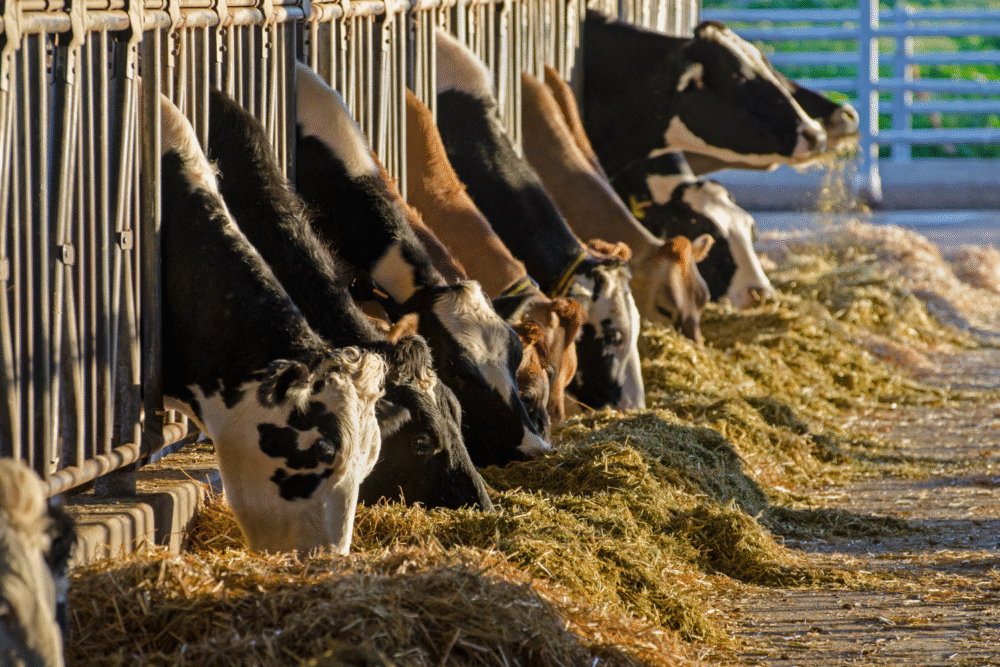
One reason scientists are optimistic about the seaweed additive is its practicality. Farmers can add it to regular feed without needing new infrastructure or drastic operational changes.
Early studies show that it doesn’t affect the cow’s appetite, digestion, or milk taste, which are crucial for farmer adoption. The simplicity of mixing a natural supplement into standard rations makes it one of the few emission-cutting strategies that could be rolled out quickly across the global beef and dairy industries.
5. The Discovery Builds on Years of Global Research

The seaweed breakthrough is the result of nearly a decade of coordinated research among universities, startups, and government agencies in the United States, Australia, and Europe.
Each study has refined how much seaweed to add, how to dry and store it, and how it affects different cattle breeds. The consistency of the results across regions has strengthened scientific confidence that methane suppression works reliably in real-world settings, marking a turning point for agricultural climate solutions.
6. Methane Reductions Don’t Harm Animal Health

Researchers closely monitor the animals in every trial to ensure that methane suppression doesn’t cause side effects. So far, studies show no negative impacts on digestion, growth rate, or milk yield.
The seaweed’s active compound, bromoform, works in small doses and is safely metabolized by the cow. By reducing methane without disturbing the gut’s natural bacteria, the additive demonstrates that cutting greenhouse gases and maintaining animal welfare can go hand in hand—an essential requirement for large-scale agricultural adoption.
7. Feedlot Trials Show Dramatic Results

At commercial feedlots in California and Australia, scientists recorded methane reductions as high as 80% when seaweed was added consistently to cattle feed. Even under varied conditions, the results stayed strong, proving the solution works beyond laboratory settings.
Unlike many experimental methods, this one can be measured directly using specialized gas analyzers that record real-time emissions. The data show that methane output drops almost immediately after the additive is introduced, and the effect remains stable over weeks or months of continuous feeding.
8. Open-Pasture Herds Present the Next Challenge

Researchers are now testing how to deliver the supplement to free-grazing herds, where controlled feeding isn’t possible. Potential methods include slow-release pellets or mineral blocks that distribute seaweed over time.
If successful, this approach could extend the benefits beyond feedlots to small farms and ranches that make up much of the world’s beef supply. The challenge is ensuring consistent intake while maintaining natural grazing behavior—an issue scientists are tackling through new delivery technologies and nutritional monitoring systems.
9. The Seaweed Must Be Grown Sustainably
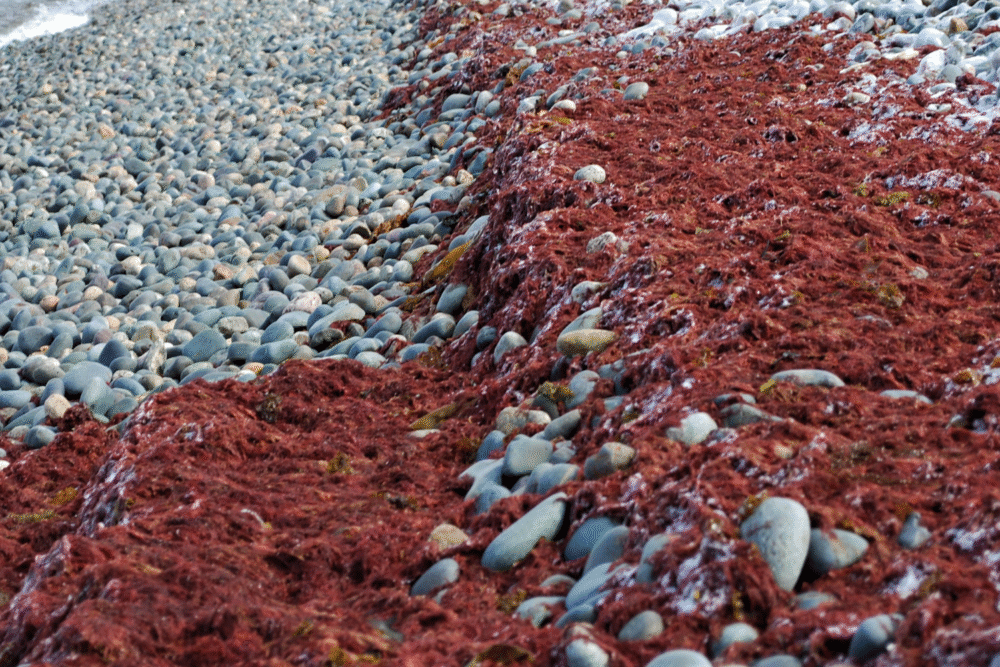
With global demand expected to rise, experts are focusing on how to scale up Asparagopsis production responsibly. The seaweed grows naturally in tropical waters but must be cultivated carefully to avoid ecosystem disruption.
Australia and Hawaii have already launched pilot aquaculture farms to harvest seaweed for methane-reduction feed. Researchers are developing onshore tanks and ocean farms to produce large quantities without harming marine biodiversity, ensuring that the climate benefits of methane reduction aren’t offset by new environmental pressures.
10. The Climate Impact Could Be Enormous

If widely adopted, seaweed-based feed could cut agricultural methane emissions by tens of millions of tons each year. Climate models suggest such reductions would deliver almost immediate cooling benefits because methane’s warming effects fade quickly once emissions decline.
Experts estimate that if just 10% of the world’s cattle were fed the supplement, it could achieve the same short-term climate effect as removing 100 million cars from the road. For a sector that has struggled to lower its footprint, this represents a major step forward.
11. Scientists See It as a Bridge to Broader Solutions

Researchers caution that feed additives alone won’t solve agriculture’s climate problem but see them as a vital near-term tool. Reducing methane buys time to develop longer-term technologies like lab-grown proteins, improved crop systems, and regenerative grazing practices.
By addressing one of the fastest-acting greenhouse gases, the seaweed approach could serve as a “bridge solution” that delivers meaningful reductions now. It also offers a model for how innovation, industry, and environmental science can work together to tackle global warming at its source.