
Experts are investigating a series of mysterious stone formations deep in the Smoky Mountains that defy current explanations.
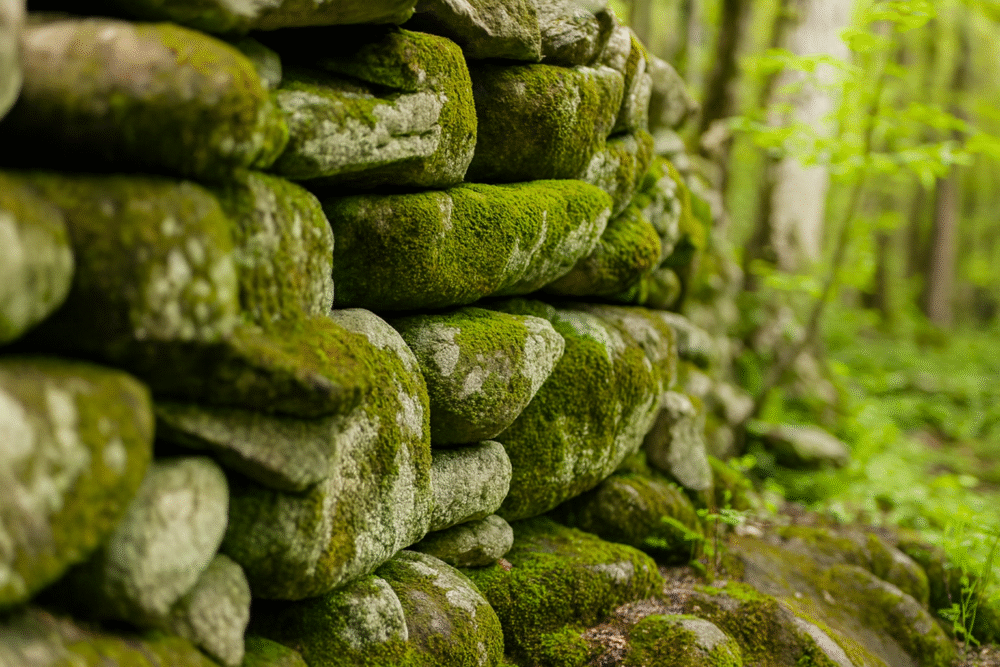
Deep within the Great Smoky Mountains, a string of unexpected stone structures has caught the attention of archaeologists and historians. These stone walls and formations—some tucked away in dense forest and far from known historical settlements—don’t align with documented indigenous, colonial, or natural patterns in the region. While the National Park Service notes the Smokies contain numerous archaeological traces from Native American and pioneer eras, these particular formations remain unexplained and under study.
1. Archaeologists Discover Unusual Stone Formations in the Smokies
Researchers surveying parts of the Great Smoky Mountains National Park recently documented a series of low rock walls and circular stone arrangements that don’t fit neatly into any known historical or natural category. Some are built into steep hillsides, while others appear to outline geometric patterns.
These formations were first noted by hikers and later confirmed through park mapping efforts. Archaeologists are now documenting each site to determine whether they are remnants of human activity, boundary markers, or geological formations.
2. The Smoky Mountains Hold Centuries of Human History
The Great Smoky Mountains have been inhabited for thousands of years, beginning with the Cherokee and earlier Indigenous cultures who built small villages and agricultural fields throughout the region. Later, European settlers established homesteads, mills, and mining operations during the 1800s.
Many rock piles, terraces, and foundations in the park are already known to date from these eras. However, the newly examined structures differ in design and placement, leading researchers to question their origins.
3. Natural Processes Can Create Rock Formations That Look Man-Made

Scientists caution that not every unusual stone arrangement is the work of people. Freeze-thaw cycles, landslides, and erosion can shift and align rocks into seemingly deliberate patterns.
The Smokies’ geology—rich in layered sandstone and slate—makes it particularly prone to natural formations that resemble walls or platforms. Before assuming any human origin, experts are using soil testing, ground-penetrating radar, and erosion analysis to determine whether these structures were intentionally built.
4. Some May Be Linked to Early Settler Activity
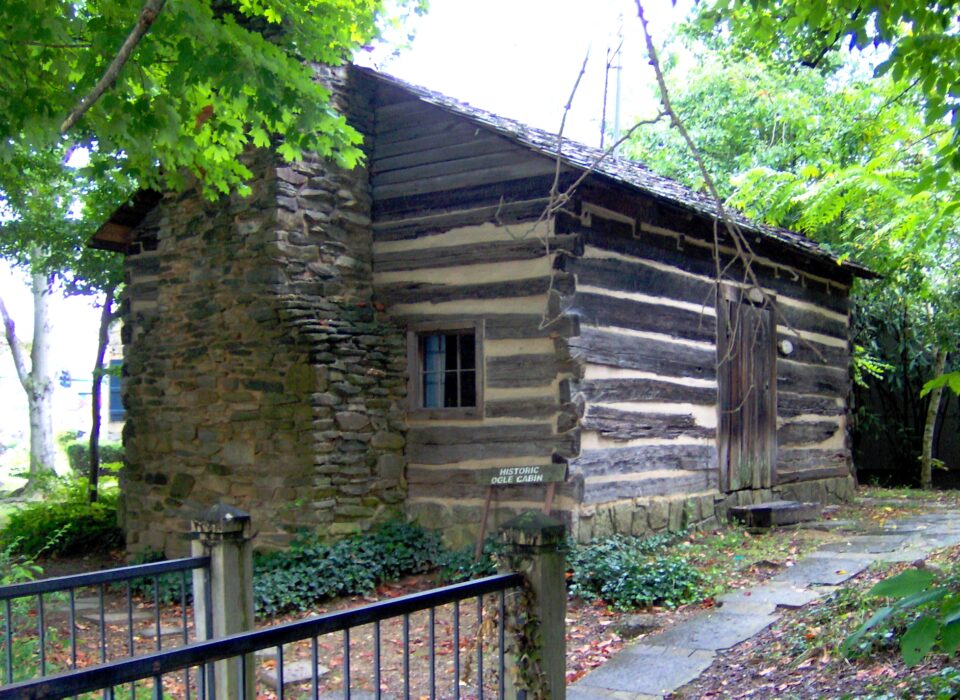
Park historians note that settlers in the 19th century frequently stacked stones while clearing farmland or marking property boundaries. These “field walls” and stone lines can remain intact long after homesteads disappear.
Some of the Smoky Mountain sites now being studied could belong to these early pioneers. Researchers are comparing the stonework to known examples from homestead ruins to see whether they share construction patterns or materials.
5. Indigenous Origins Are Also Being Considered

The Cherokee and other Indigenous peoples who once lived in the Smokies sometimes arranged stones for ceremonial or practical purposes, though such features were typically small and localized. Archaeologists are examining whether any of the current sites align with known Cherokee trails or settlement areas.
So far, there’s no direct evidence—such as artifacts or datable charcoal—to confirm Indigenous construction. Still, researchers remain open to the possibility that some features could relate to ancient or historic Native activity.
6. Past Logging and Mining Operations Left Hidden Traces

In the early 1900s, large-scale logging and mining operations reshaped much of the Smokies’ terrain before the area became a national park. Workers often used stone for makeshift roads, rail foundations, or equipment platforms.
Some of the structures being studied could be remnants of these industrial sites, later covered by decades of vegetation growth. Investigators are reviewing historic land surveys and company maps to compare locations with known extraction areas.
7. Climate and Vegetation Changes Complicate the Evidence

Over the last century, reforestation and soil buildup have obscured many historical sites across the Smoky Mountains. Tree roots and vegetation can distort old rock structures, making their original shapes hard to interpret.
Archaeologists are using lidar imaging—an airborne laser-mapping technology—to scan beneath dense forest canopies. This allows them to visualize the full layout of rock formations that are otherwise invisible on foot.
8. Park Officials Emphasize Preservation During Study

Because the Smokies are a protected UNESCO World Heritage Site, all archaeological work must follow strict conservation guidelines. Teams are documenting and photographing each structure without disturbing or removing materials.
Officials stress that visitors should not attempt to collect rocks or alter the formations. Even minor disturbances can erase valuable clues about how the stones were placed or whether they were shaped by humans or nature.
9. Researchers Are Collaborating Across Disciplines
To interpret the findings, archaeologists are working alongside geologists, historians, and tribal representatives. Each discipline brings a different lens to the question of how and when the structures formed.
This multidisciplinary approach aims to distinguish between cultural artifacts and geological features. It also ensures that any interpretation of the sites includes Indigenous perspectives and historical context, rather than speculation or folklore.
10. The Mystery Highlights the Smokies’ Deep Cultural Layers

While the true origins of the stone structures remain uncertain, experts say the discovery underscores the Smoky Mountains’ complex past. The park holds traces of ancient peoples, settlers, and industry—all layered atop one another in a constantly changing landscape.
Even if the formations prove natural, their presence reveals how closely nature and human history intertwine in this region. For scientists and historians, each new find in the Smokies offers another opportunity to better understand the stories hidden in its mountains and forests.