
Scientists warn that extreme drought followed by intense storms could unleash unprecedented flooding.
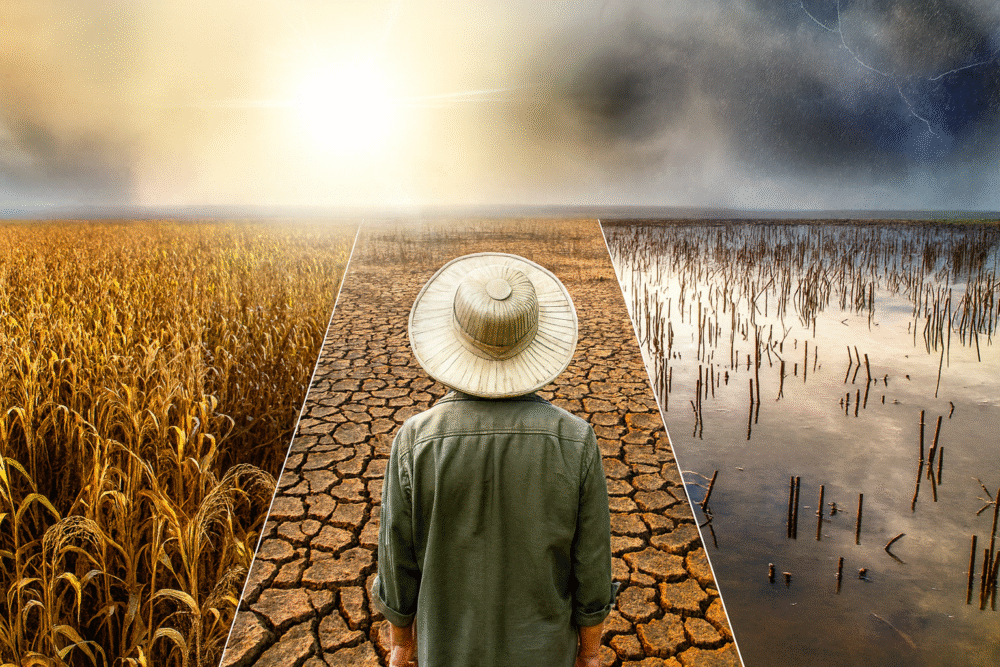
Across parts of the western United States, years of severe drought are setting the stage for a new kind of natural disaster. Scientists say that when prolonged dry conditions are suddenly broken by powerful storms, the parched ground can’t absorb the deluge—turning rainfall into catastrophic floods. This collision of extremes, known as “climate whiplash,” is becoming more likely as global temperatures rise. Experts warn that few regions are prepared for the chaos such events could unleash.
1. Years of Drought Are Drying Out the American West
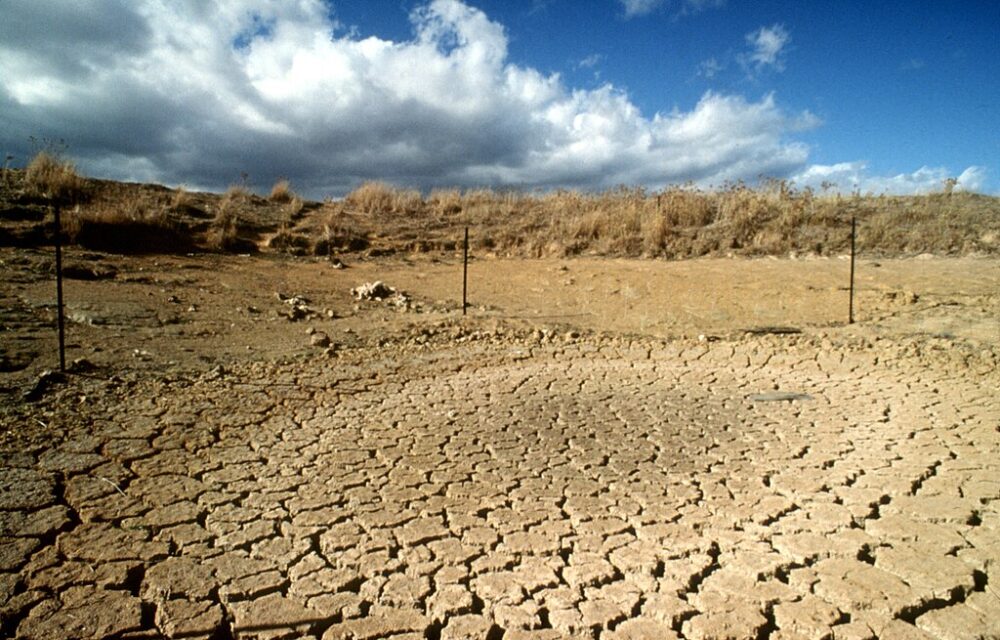
Much of the western United States has endured more than two decades of unusually dry conditions, marking one of the longest and most intense “megadroughts” in at least 1,200 years. The lack of rain and record-breaking heat have drained reservoirs, killed crops, and left soils severely compacted.
Scientists say that extended drought doesn’t just reduce water supply — it also transforms the land itself, hardening the ground so completely that even when rain returns, it struggles to soak in.
2. When Rain Finally Falls, the Ground Can’t Absorb It
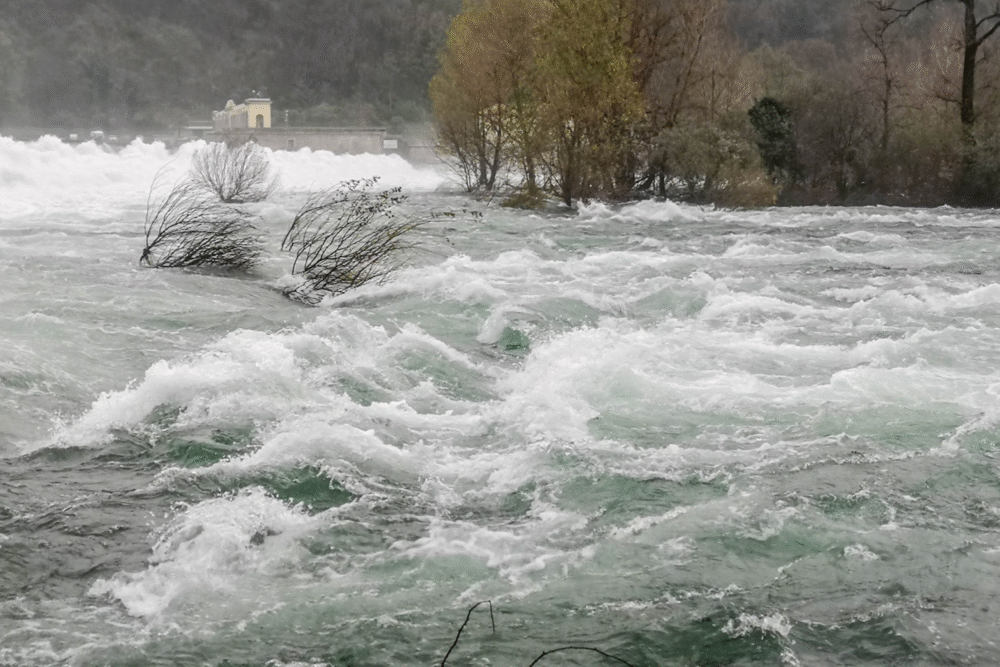
One of the paradoxes of extreme drought is that it increases flood risk when storms eventually arrive. Over time, the soil becomes hydrophobic — meaning it repels water instead of absorbing it.
When a major rainstorm follows years of dry weather, water rushes across the surface instead of seeping underground. The result is rapid runoff that can overwhelm rivers, levees, and storm systems designed for far less extreme conditions.
3. Scientists Call This Dangerous Pattern “Climate Whiplash”
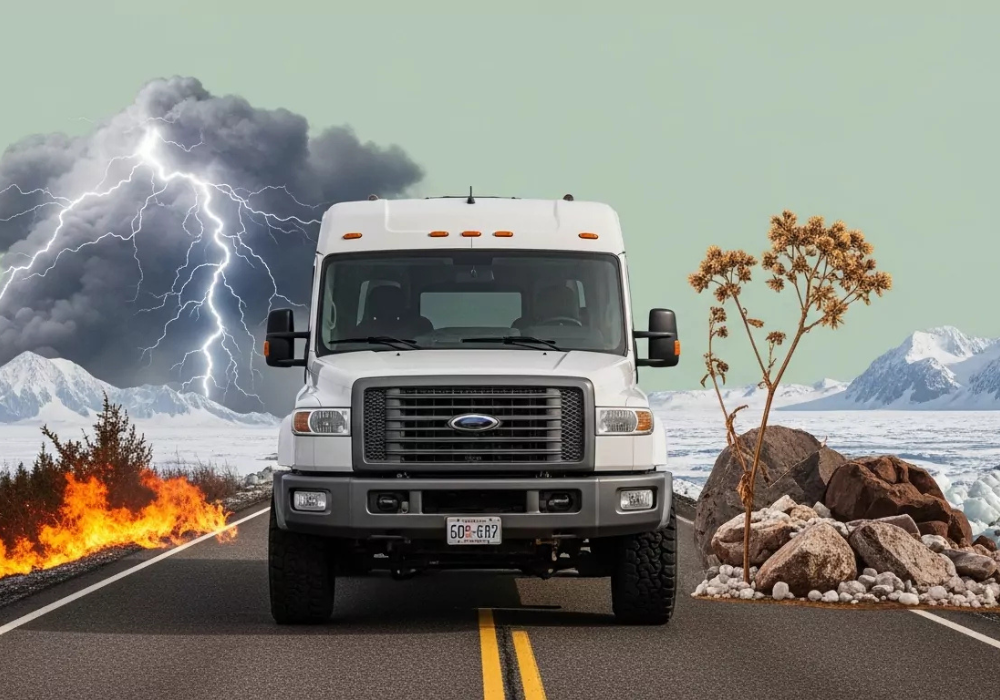
Researchers use the term “climate whiplash” to describe the violent swings between drought and deluge now seen across many parts of the world. These rapid reversals are becoming more common as rising global temperatures intensify the water cycle.
The same warming that dries out regions also fuels storms with greater moisture. When conditions flip, the shift can be abrupt — creating back-to-back disasters that strain infrastructure, ecosystems, and emergency response systems.
4. California’s History Offers a Glimpse of the Future
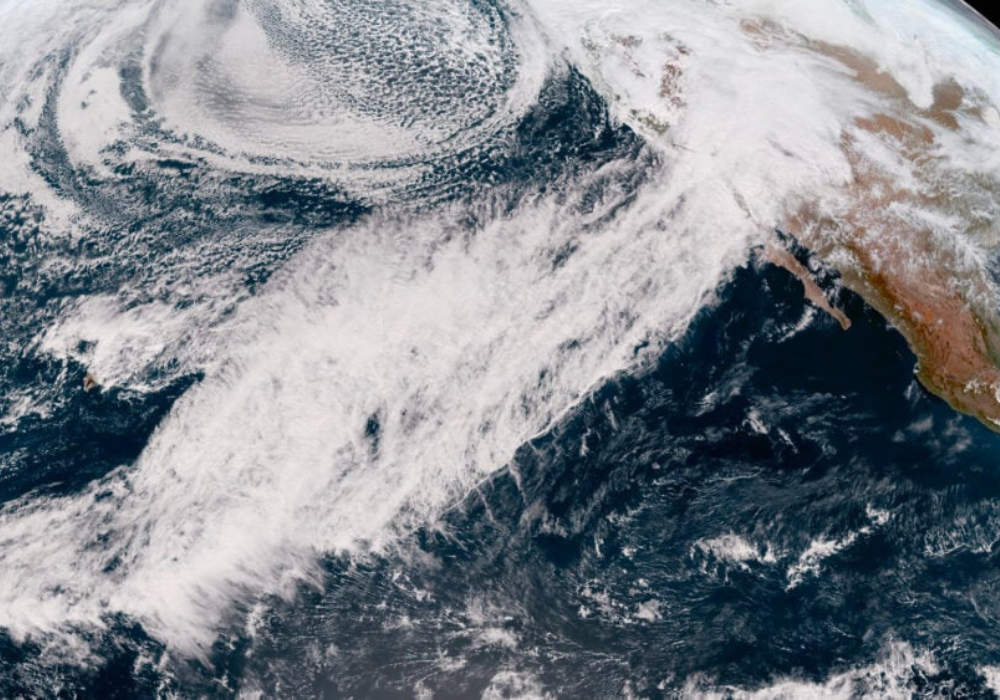
California has experienced some of the most dramatic examples of climate whiplash in recent years. After years of extreme drought, the state was hit by record-breaking atmospheric rivers in early 2023, causing floods and landslides that destroyed roads and homes.
Researchers warn that this alternating pattern of extremes could become the new normal for the western United States. The combination of arid heat and sudden deluges is testing water systems built for a more stable climate.
5. Reservoirs and Dams Are Struggling to Keep Up
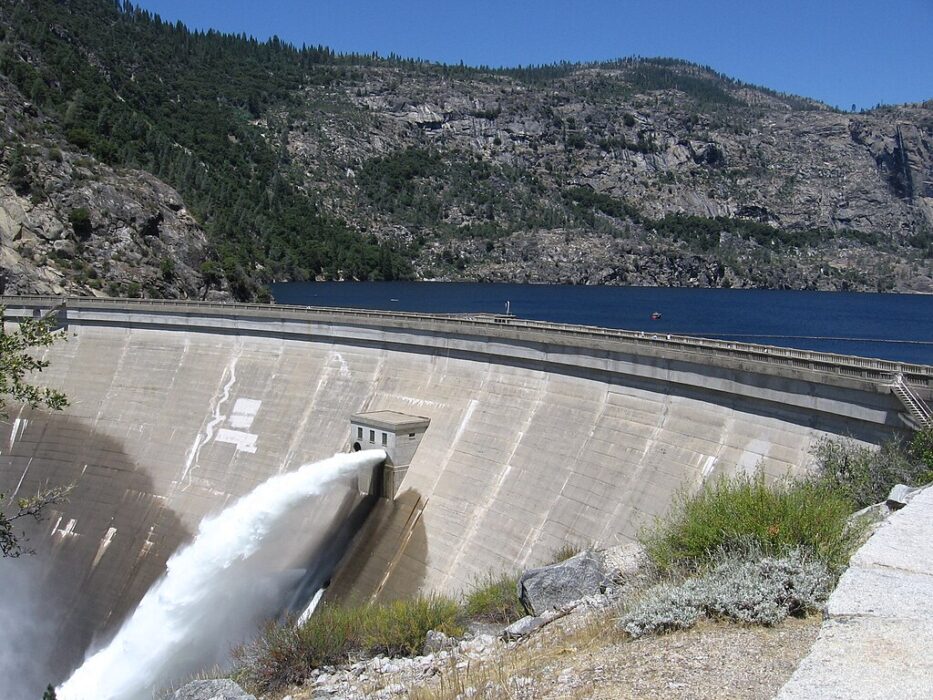
Reservoirs designed to store water in dry times are being pushed to their limits as they also try to protect against flooding. In many western basins, water managers face the challenge of balancing drought recovery with flood control.
When intense rainfall follows years of low water levels, reservoirs can fill rapidly, leaving little time for controlled releases. Engineers warn that outdated infrastructure wasn’t designed for today’s climate extremes, raising the risk of dangerous overflow events.
6. Parched Landscapes Are More Prone to Landslides
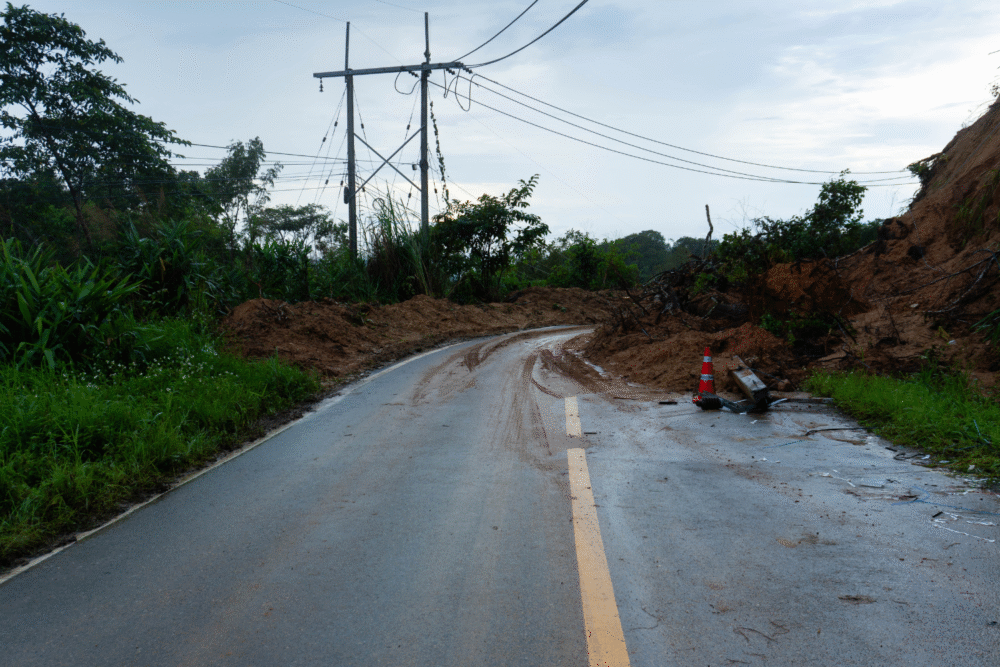
Extended drought weakens root systems and dries out topsoil, making hillsides less stable. When heavy rain finally falls, it can trigger landslides and debris flows that bury roads, destroy homes, and block waterways.
This chain reaction was seen in California’s Santa Barbara region in 2018, when rain hit areas recently scorched by wildfire. The combination of dry, destabilized soil and sudden downpour produced deadly mudslides — a scenario scientists say could become more frequent.
7. Wildfires Make Flooding Even Worse
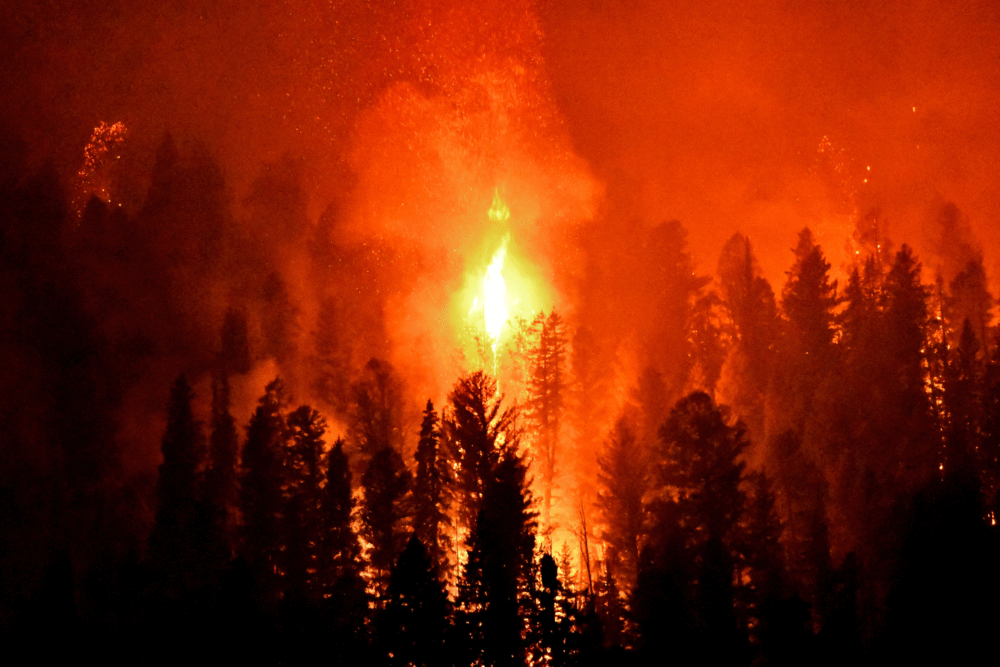
Wildfires burn away vegetation that normally anchors soil and absorbs rainfall. After a major fire, charred soil becomes nearly impermeable, turning rainstorms into flash floods and debris flows.
This pattern has been documented across the American West, including Colorado and California, where post-fire flooding has destroyed infrastructure within weeks of rain returning. Experts say the growing overlap between fire seasons and flood seasons is one of the clearest examples of compounding climate impacts.
8. Urban Areas Face Unique Risks
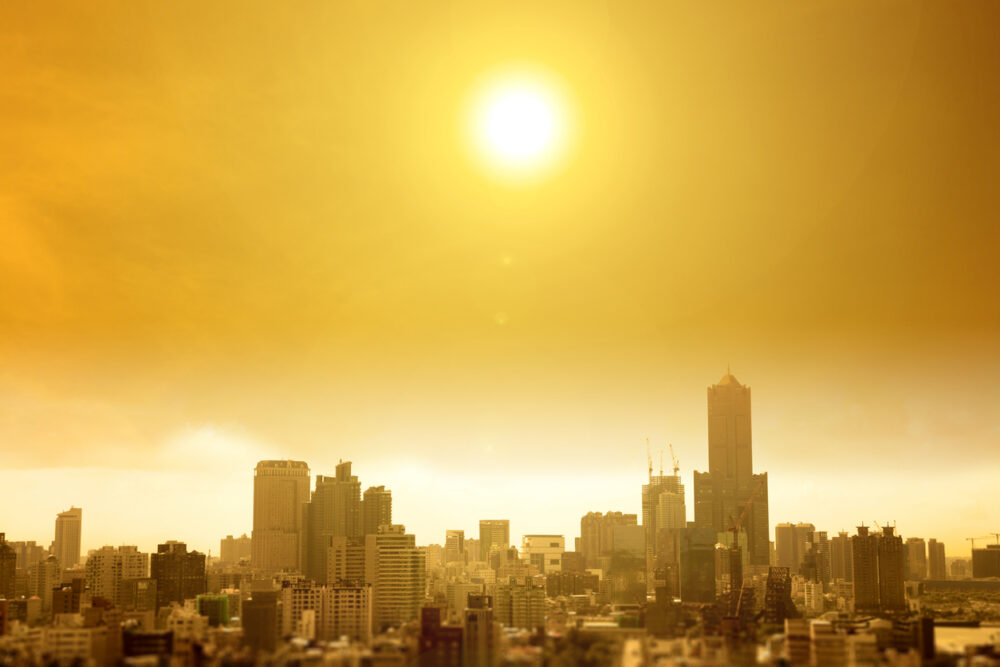
Cities are especially vulnerable to drought-then-deluge events because of their extensive paved surfaces. During dry periods, heat builds across urban landscapes, worsening drought conditions. But when storms arrive, impermeable streets and rooftops funnel water directly into drainage systems.
Many cities lack the infrastructure to handle extreme rainfall. Flash flooding in places like Las Vegas and Phoenix has exposed how urban design — optimized for aridity — can magnify flood risks when conditions flip dramatically.
9. Agriculture Takes a Double Hit
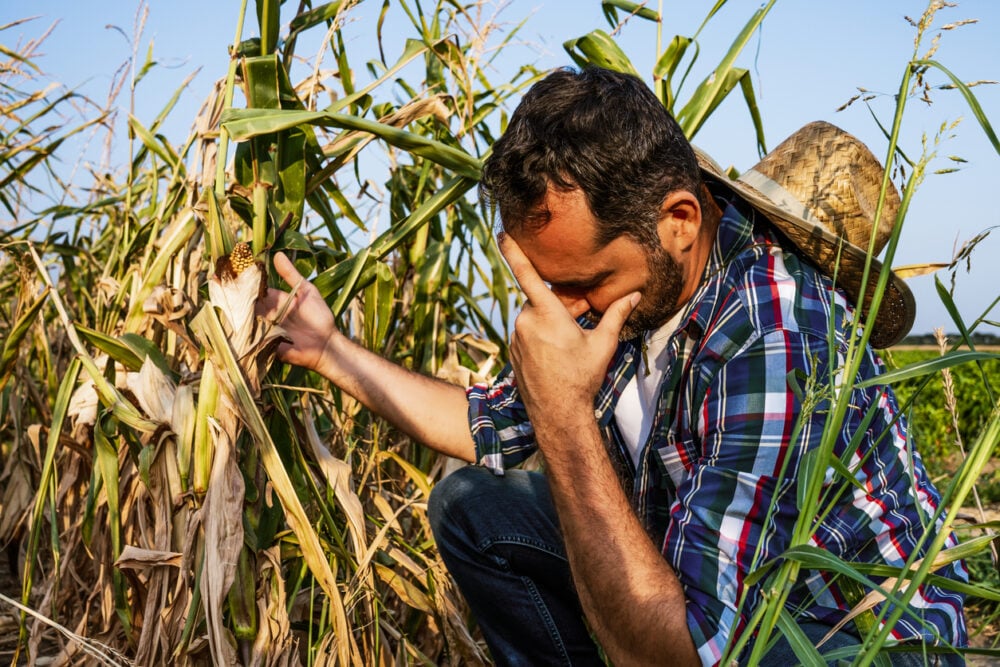
Farmers suffer during both phases of the drought-storm cycle. Drought devastates crops and depletes groundwater, while floods can wash away soil and nutrients when rain finally returns.
This one-two punch is making farming less predictable across regions that depend on stable seasonal weather. Agricultural experts are calling for new soil management practices that improve water retention and resilience against both extremes.
10. Scientists Warn These Events Are Likely to Intensify
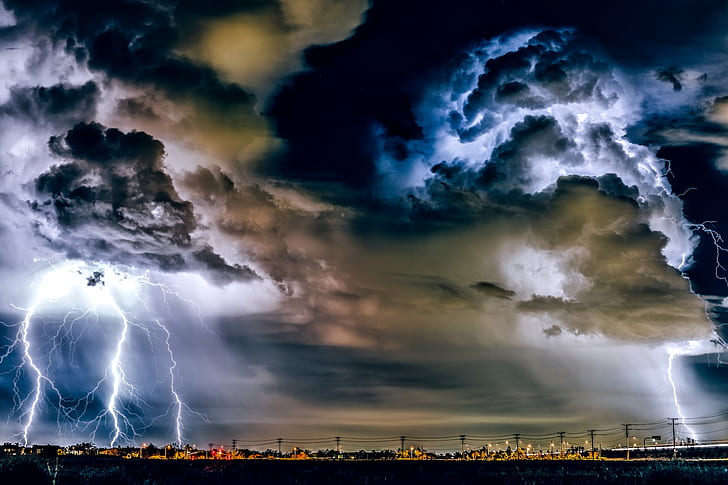
Climate models consistently show that rising global temperatures will make droughts longer and storms more intense. Warmer air holds more moisture, meaning when it rains, it rains harder — especially after prolonged dry spells.
The combination of stronger heatwaves and heavier precipitation events is already visible in recent decades. Researchers expect this “amplified water cycle” to define future weather patterns across much of North America and beyond.
11. Preparing for Extremes Requires a New Approach
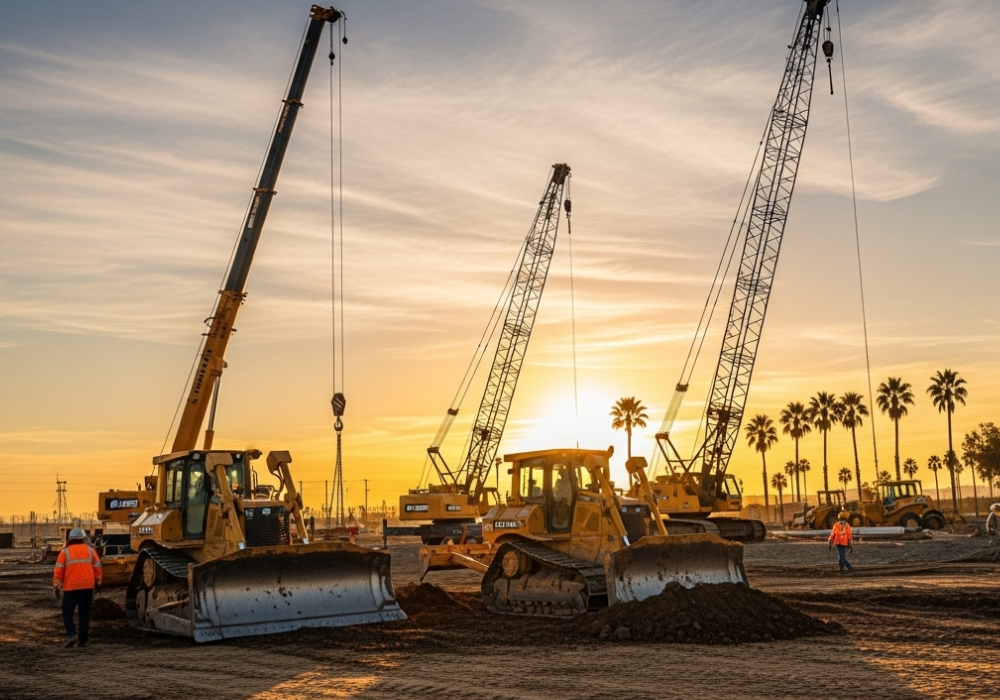
Experts say traditional flood and drought management plans were designed for a different era — one with fewer extremes and slower shifts. Now, adaptation strategies must account for both ends of the spectrum happening back to back.
That means updating infrastructure, improving early-warning systems, and restoring natural landscapes like wetlands that can store excess water. The lesson from scientists is clear: as climate volatility grows, the only effective response is to plan for both drought and deluge — at the same time.