
A sweeping global review finds not one major climate target is on pace to meet the 2030 goals.
A new international analysis paints a stark picture of the planet’s progress on climate action. Out of 45 key indicators — including emissions cuts, renewable energy, and adaptation efforts — none are currently on track to meet the 2030 goals set under the Paris Agreement. Scientists warn that time is running short to limit global warming to 1.5°C, with only a narrow window left to prevent the most dangerous and irreversible impacts of climate change.
1. None of the World’s 45 Climate Goals Are on Track
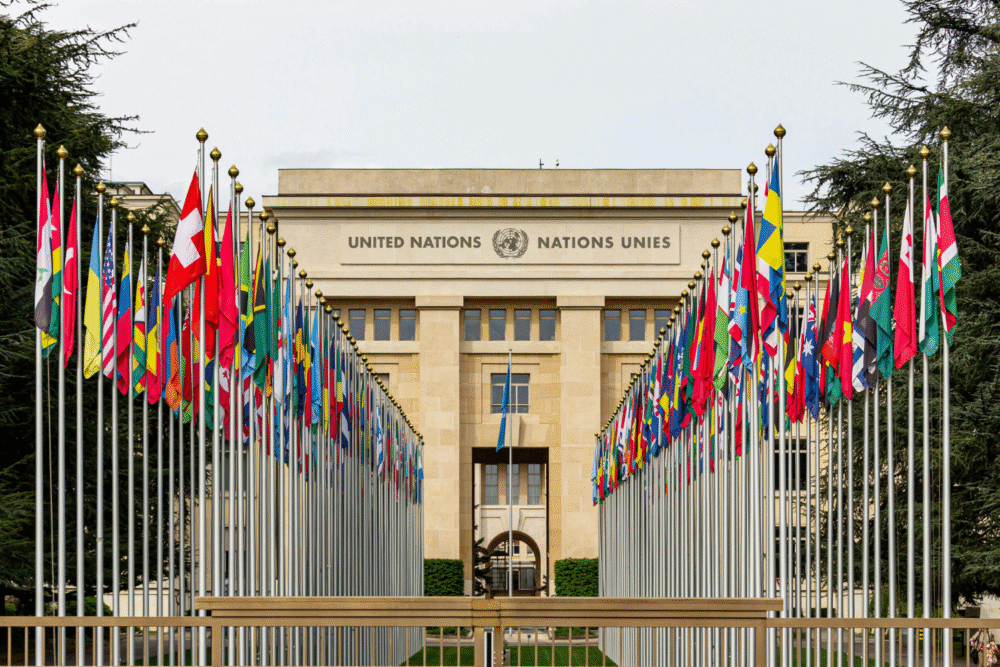
A 2025 analysis by the United Nations and leading climate research institutions found that not one of the 45 key global climate indicators is on pace to meet the 2030 targets. The study measured progress across emissions reductions, renewable energy growth, and adaptation measures.
Researchers concluded that the world remains far off course to meet the goals of the Paris Agreement. Without an immediate and dramatic shift in policy and investment, limiting warming to 1.5°C will likely be impossible.
2. Global Temperatures Are Rising Faster Than Expected
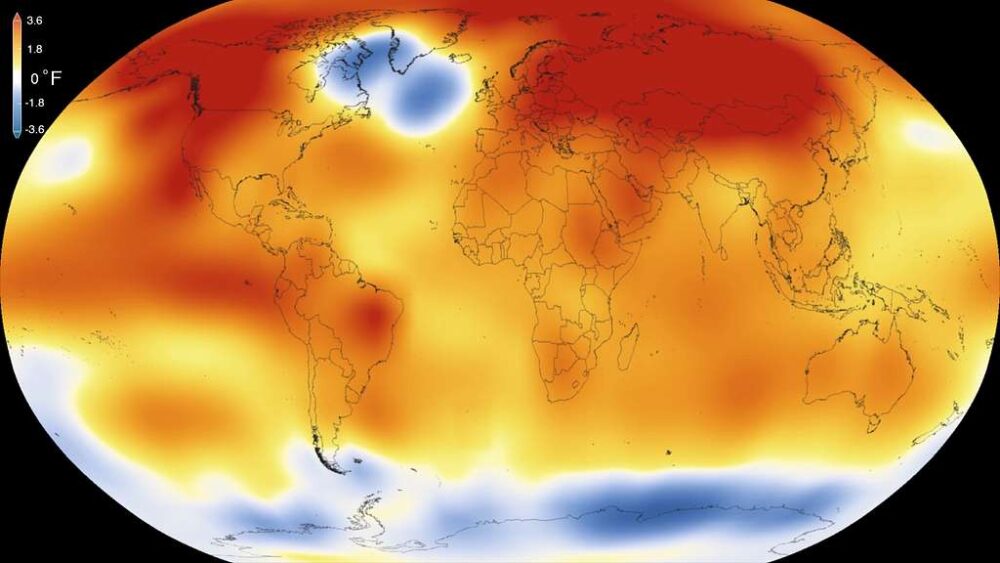
The past decade has been the warmest ever recorded, with global average temperatures temporarily surpassing 1.5°C above preindustrial levels in 2024. The World Meteorological Organization warns that this threshold could be crossed permanently within the next ten years.
This accelerating trend is driving more frequent and severe heat waves, droughts, and storms. Scientists say these events are clear evidence that the climate system is changing faster than most early models predicted.
3. Greenhouse Gas Emissions Keep Reaching New Highs
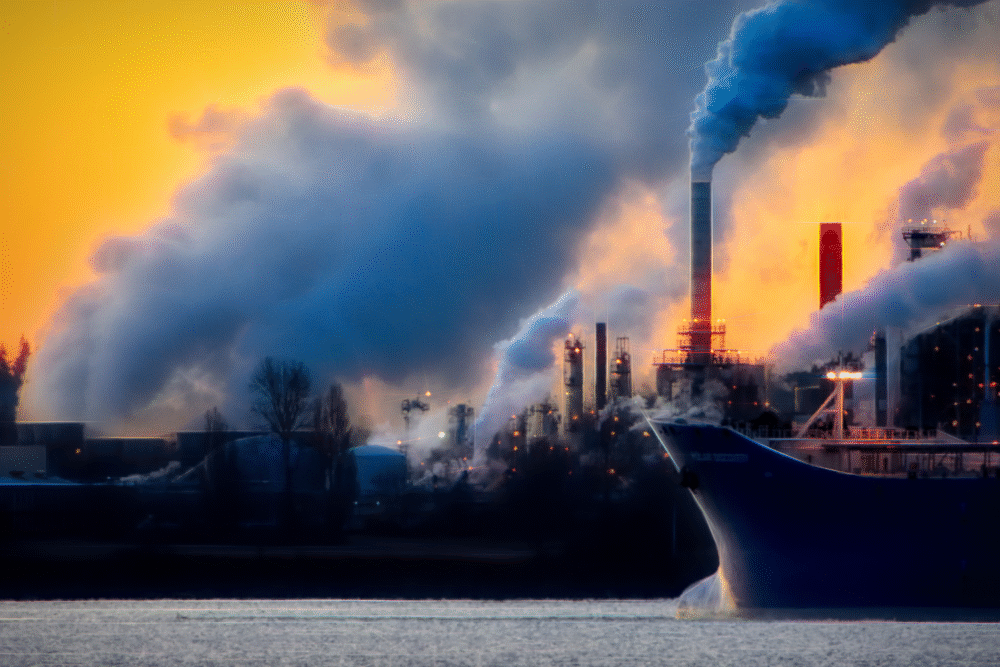
Global emissions of carbon dioxide, methane, and nitrous oxide continue to rise, despite international pledges to cut them. In 2024, fossil fuel emissions hit record levels, driven by growing energy demand and slow transitions away from coal and oil.
To stay within safe climate limits, emissions would need to decline by nearly half by 2030. Current policies, however, put the world on track for an increase of at least 10 percent over the same period.
4. Renewable Energy Growth Is Still Too Slow

Renewable power generation has grown significantly, led by solar and wind, yet it remains far short of what’s needed to meet global targets. The International Energy Agency says renewable capacity must triple by 2030 to replace fossil fuels at scale.
Many countries have made progress, but others lag behind due to high costs, limited grid infrastructure, and inconsistent policy support. Without faster expansion, renewables will not offset the ongoing rise in global energy consumption.
5. Fossil Fuel Subsidies Continue to Undermine Progress
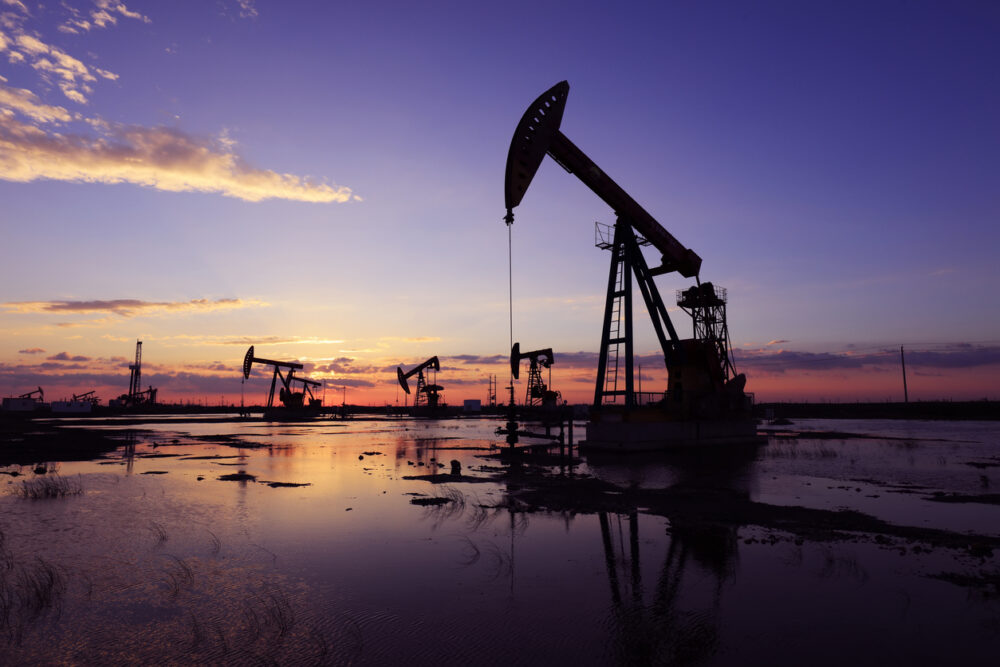
Governments around the world continue to spend hundreds of billions of dollars subsidizing fossil fuels each year. In 2024 alone, subsidies exceeded $1 trillion, according to the International Monetary Fund.
These subsidies make it cheaper to produce and consume carbon-intensive energy, directly contradicting climate goals. Experts argue that phasing them out would not only cut emissions but also free resources for renewable energy and adaptation investments.
6. Methane Reduction Targets Are Falling Behind

Methane, a greenhouse gas more than 25 times as potent as carbon dioxide, is rising faster than expected. Agriculture, waste, and fossil fuel extraction remain the largest sources of emissions.
Despite international pledges to cut methane by 30 percent by 2030, few nations have implemented effective monitoring or enforcement mechanisms. Scientists warn that curbing methane is one of the quickest ways to slow short-term warming, yet progress has stalled.
7. Adaptation Efforts Lag as Climate Impacts Worsen

As extreme weather intensifies, adaptation has become as critical as mitigation. Yet funding for climate adaptation projects—like flood defenses and drought-resistant agriculture—falls far short of global needs.
The United Nations estimates that developing nations require hundreds of billions of dollars annually to prepare for worsening impacts, but less than one-fifth of that amount is being delivered. The gap leaves vulnerable regions exposed to devastating losses.
8. Forest Loss Continues Despite Pledges
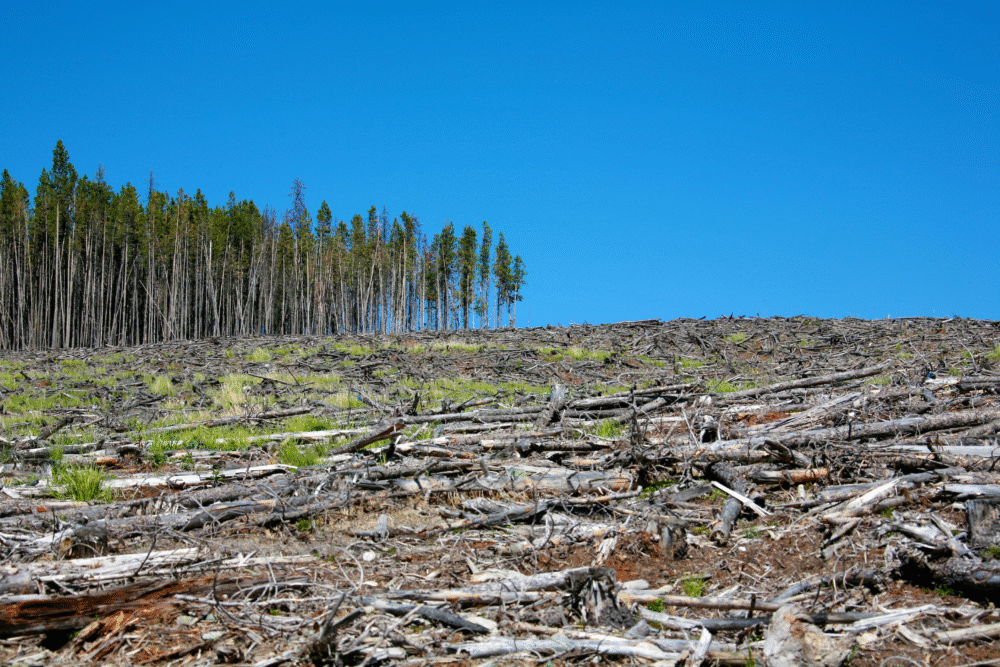
Deforestation rates have slowed in some areas but remain high overall, with more than ten million hectares of forest lost each year. The Amazon and Congo Basin—both critical carbon sinks—are still under threat from agriculture and logging.
Forests play a vital role in absorbing carbon dioxide, but once cleared, they release stored carbon back into the atmosphere. Protecting these ecosystems is one of the most effective and immediate actions for stabilizing the global climate.
9. Ocean Health Is Deteriorating Rapidly
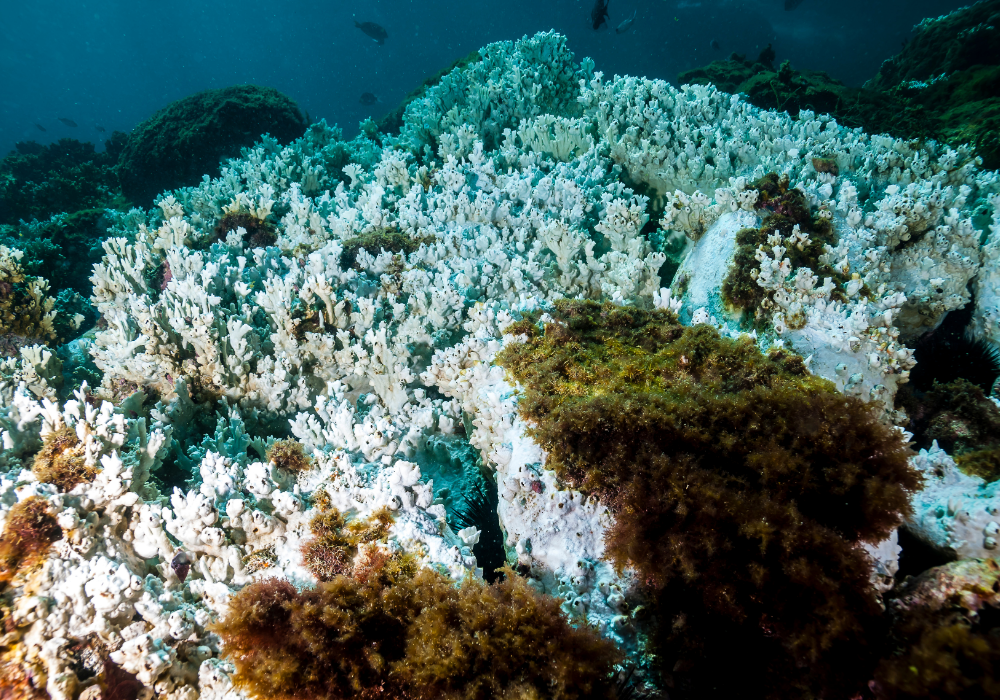
Warming waters and acidification are damaging marine ecosystems worldwide. Coral reefs, which support a quarter of all ocean life, are bleaching at record rates, while fisheries face declining yields due to temperature shifts and oxygen loss.
Scientists note that the oceans have absorbed more than 90 percent of the excess heat caused by greenhouse gas emissions. This buffering effect delays some warming on land, but it is pushing ocean systems toward irreversible change.
10. Climate Finance Promises Remain Unfulfilled
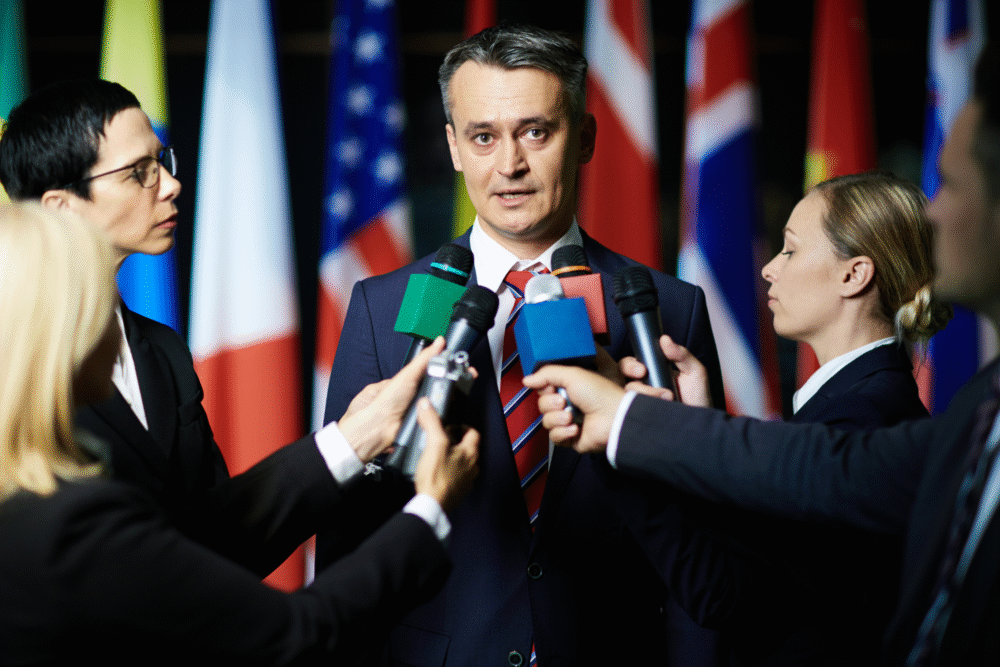
Wealthier nations pledged more than $100 billion per year in climate financing to help developing countries reduce emissions and adapt. Yet many of those commitments remain unmet or are tied to loans rather than grants.
The resulting funding gap has slowed renewable energy projects and left vulnerable communities without the resources to respond to climate-related disasters. Experts say equitable financing is essential for global cooperation and progress.
11. Loss and Damage Is Emerging as a Central Issue
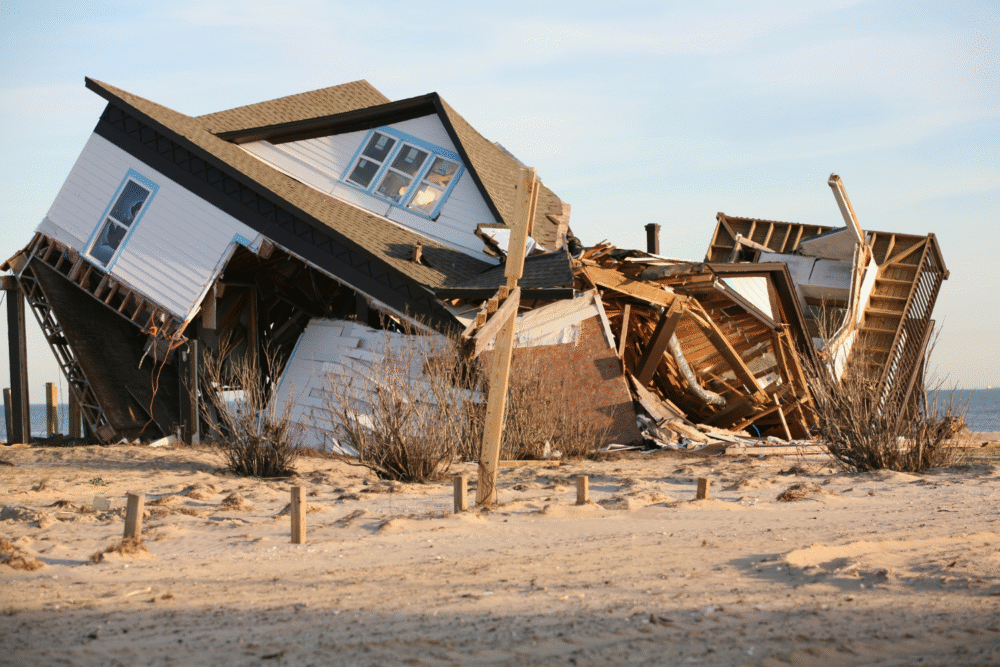
The growing number of climate-related disasters has led to renewed focus on “loss and damage” funding—financial aid for nations suffering irreversible climate impacts. A framework was agreed to at COP28, but contributions have been slow and limited.
Developing nations argue that without stronger commitments, they will continue to bear disproportionate costs of a crisis they did little to create. The debate underscores the urgent need for accountability and climate justice.
12. Scientists Say There Is Still a Narrow Path Forward

Despite the grim findings, experts stress that the 1.5°C goal is not yet out of reach—if global emissions begin to fall steeply within the next few years. Rapid expansion of renewables, methane reduction, and restoration of ecosystems could make a measurable difference.
The report calls for immediate, coordinated action across sectors to realign progress with global targets. The message is clear: time is running short, but decisive action this decade could still change the outcome for the planet.