
A strange gamma-ray glow near the Milky Way’s center may offer the first real evidence of dark matter.
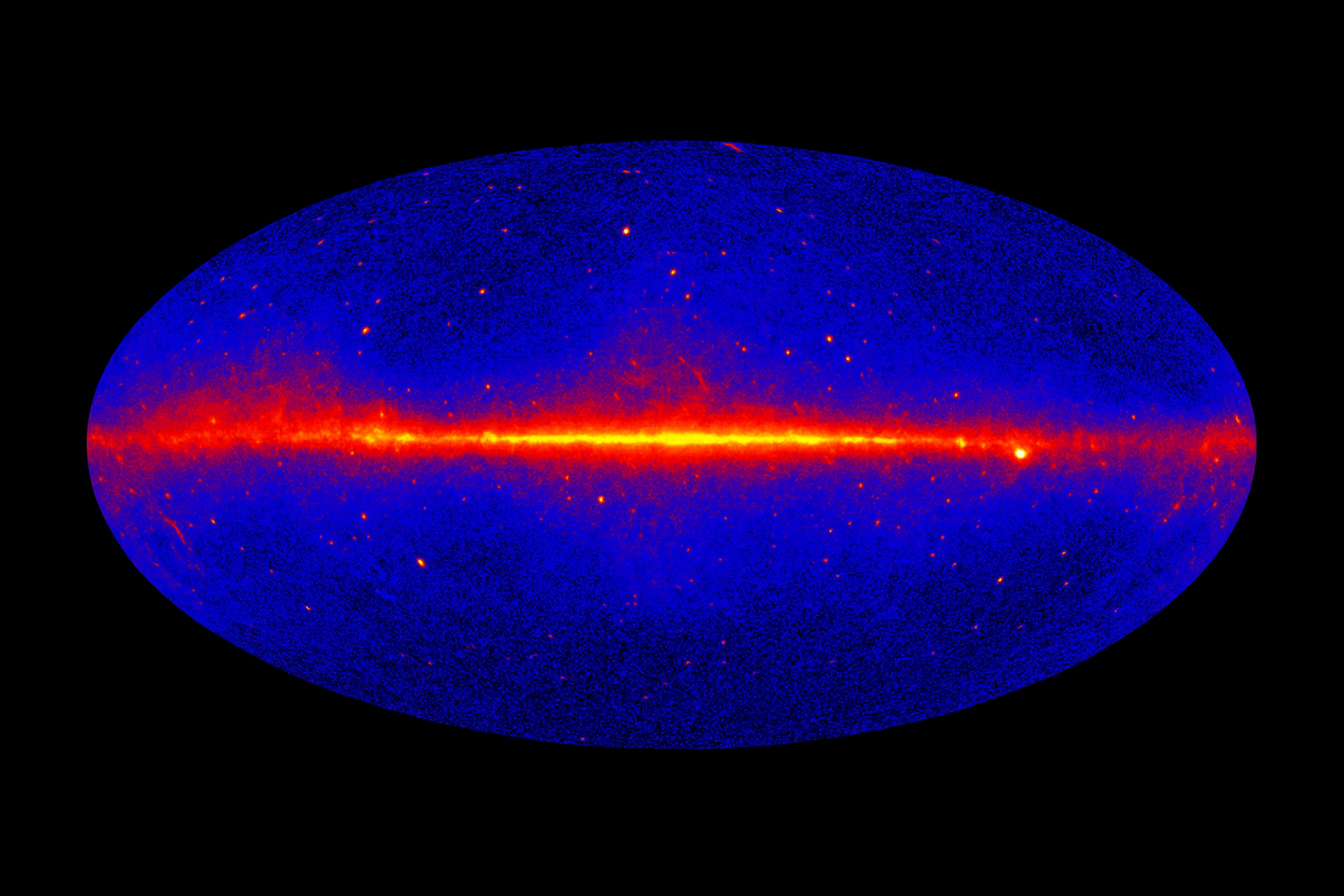
Astronomers are investigating a mysterious gamma-ray glow at the heart of the Milky Way that could be linked to dark matter — the invisible substance thought to make up most of the universe. Using new data and computer models, researchers found signals that match long-standing predictions for dark matter particle interactions. While other explanations, such as pulsars, remain possible, scientists say the findings bring them closer than ever to confirming one of physics’ greatest cosmic mysteries.
1. A Strange Glow Deep in the Milky Way
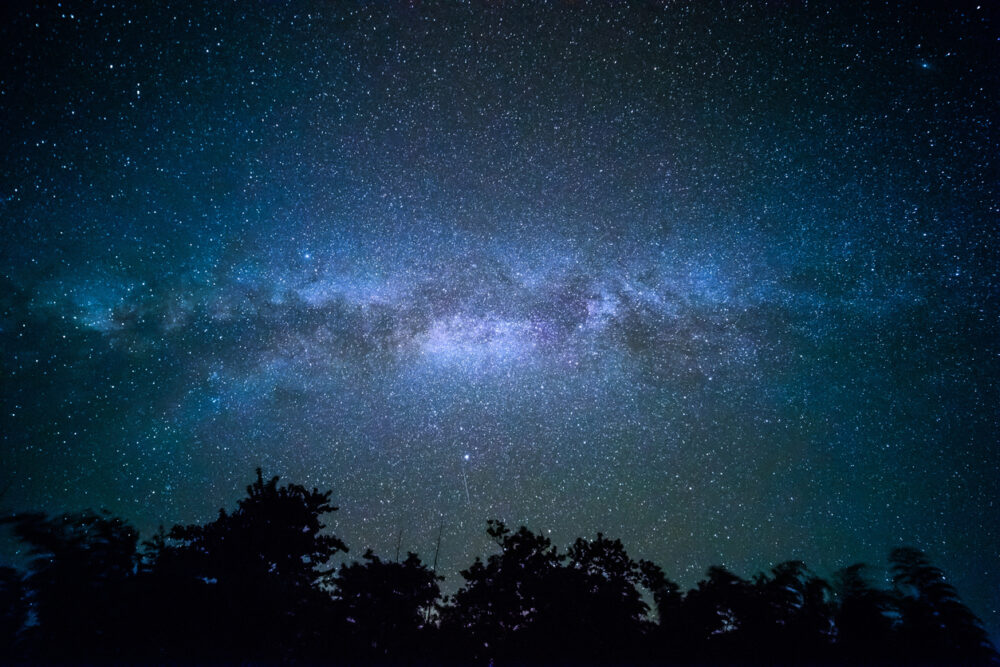
Astronomers have detected a persistent glow of high-energy gamma rays coming from the center of our galaxy. First identified more than a decade ago by NASA’s Fermi Gamma-ray Space Telescope, this unusual emission doesn’t match the behavior of known astrophysical sources.
For years, scientists have debated whether it might be caused by a collection of fast-spinning neutron stars called pulsars — or by something far more elusive: the long-sought signal of dark matter particles colliding and annihilating each other.
2. The Signal Has Defied Easy Explanation
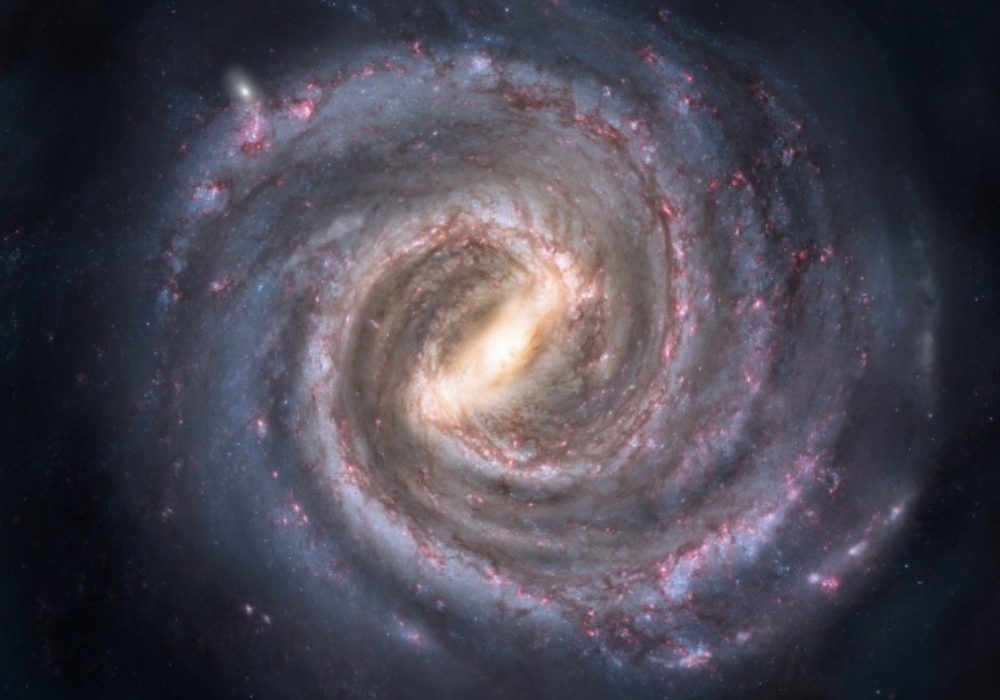
Despite countless studies, no single explanation has fully accounted for the glow’s intensity and distribution. Pulsars could produce a similar signature, but their numbers and spatial patterns don’t align perfectly with the observed data.
Dark matter annihilation remains a compelling alternative, but direct proof has been difficult to obtain. The signal’s consistency across years of observations keeps scientists returning to this puzzle, hoping new tools can finally resolve it.
3. Dark Matter: The Universe’s Hidden Mass
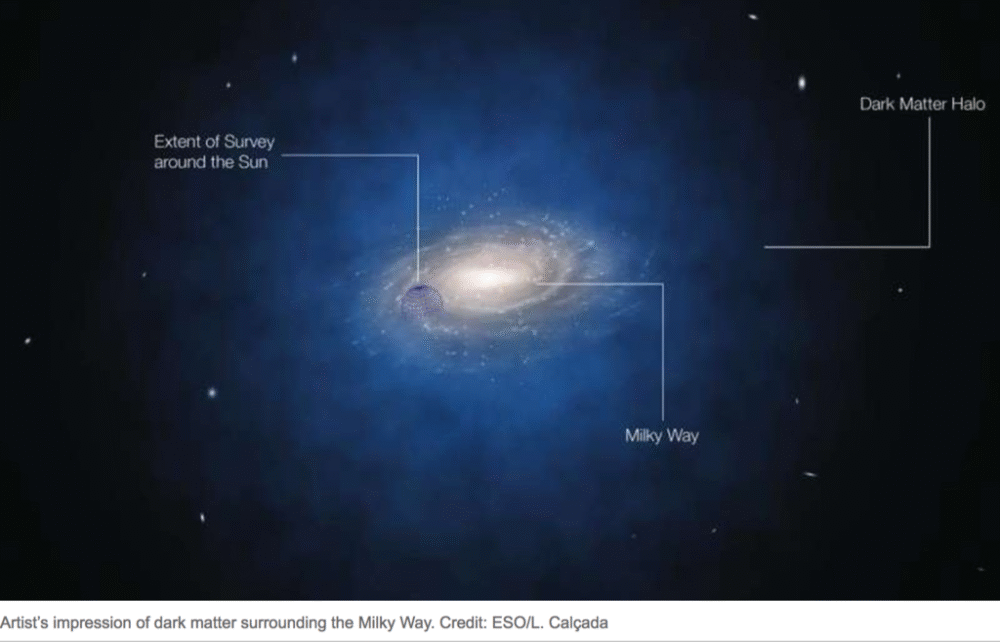
Dark matter is thought to make up about 85 percent of the universe’s total matter, yet it has never been observed directly. It doesn’t emit, reflect, or absorb light, which means its presence can only be inferred from its gravitational effects on visible matter.
If confirmed, detecting gamma rays from dark matter collisions would be one of the biggest breakthroughs in modern physics — revealing the very particles that shape galaxies and cosmic structure on the largest scales.
4. New Models Strengthen the Dark Matter Case

A recent study used advanced simulations to test whether the glow could fit predicted patterns from dark matter particles known as WIMPs (weakly interacting massive particles). The model’s results closely matched what astronomers have seen in real data from the Milky Way’s center.
This alignment doesn’t prove dark matter is responsible, but it adds weight to decades of theoretical predictions. Researchers say the next step is to test the same pattern in other galaxies to see if it repeats.
5. Pulsars Still Offer a Competing Explanation
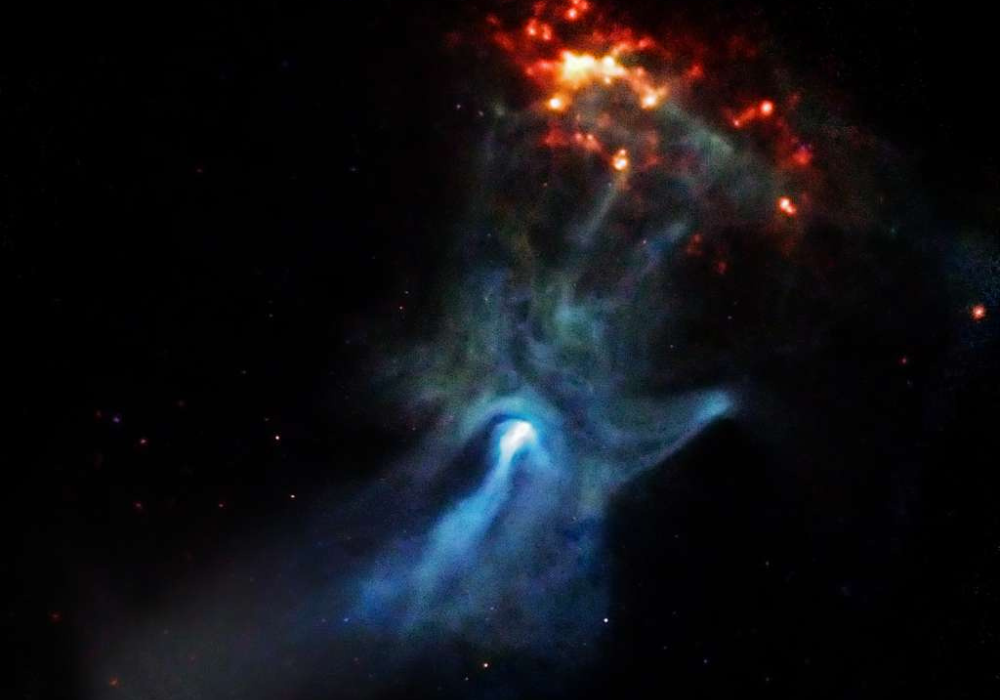
While dark matter makes headlines, pulsars remain a scientifically grounded possibility. These rapidly rotating neutron stars emit gamma rays and could, in theory, produce the glow if enough of them were concentrated near the galactic center.
However, no telescope has yet confirmed a sufficient number of pulsars in that region to explain the total signal. Some astronomers think the answer may lie in a combination of both — faint pulsars layered over an underlying dark matter source.
6. The Role of NASA’s Fermi Telescope
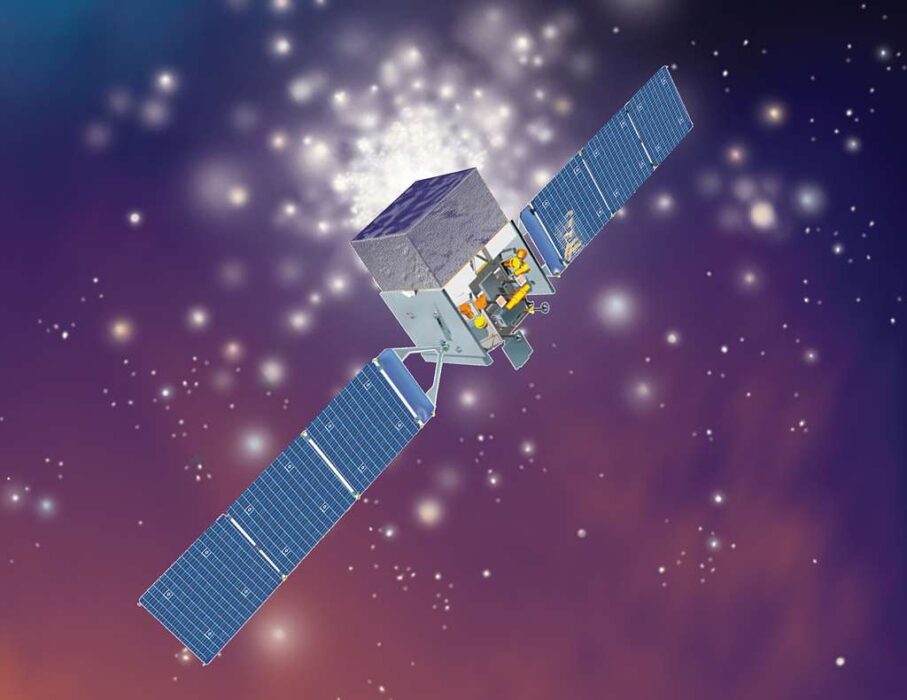
NASA’s Fermi Gamma-ray Space Telescope, launched in 2008, has been the cornerstone of this research. It first revealed the mysterious “Galactic Center Excess” in 2009 and has continued monitoring it ever since.
The telescope’s precise mapping of high-energy light has allowed scientists to rule out simpler explanations, like cosmic rays or ordinary gas clouds. Fermi’s decade-plus dataset provides the most detailed picture of the Milky Way’s energetic core ever assembled.
7. New Observatories Could Deliver the Proof

Several next-generation observatories are poised to test these findings. The upcoming Cherenkov Telescope Array (CTA) in Chile and Spain will offer much higher sensitivity to gamma rays.
Researchers hope the CTA will be able to distinguish between emissions caused by pulsars and those from dark matter interactions. Its results could finally tip the balance in one direction — confirming or refuting decades of speculation about the true nature of the glow.
8. If Confirmed, It Would Be a Physics Revolution

Finding definitive evidence of dark matter would reshape our understanding of the universe. It would validate decades of theoretical physics and open an entirely new window on how galaxies form, evolve, and interact.
Such a discovery would also spark new research into the particle properties of dark matter — including whether it could interact weakly with normal matter, potentially allowing for laboratory detection in the future.
9. Other Galaxies May Hold Similar Clues
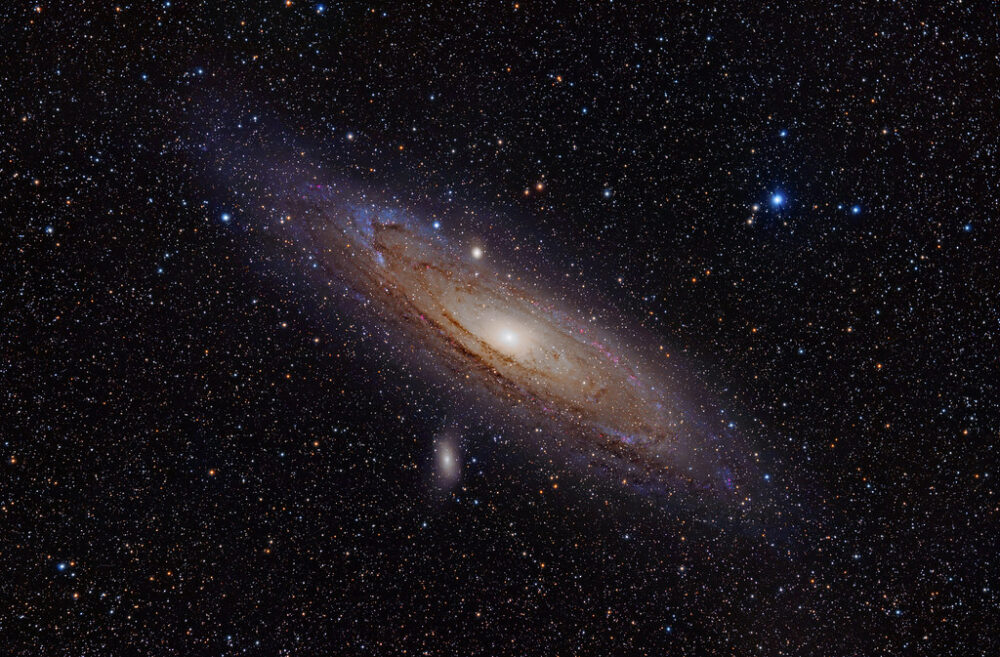
Astronomers are now studying nearby galaxies, like Andromeda, to see if the same type of gamma-ray excess appears there. If multiple galaxies show the same unexplained glow, it would be a strong indicator that dark matter, not local pulsars, is responsible.
This cross-galactic comparison could provide the statistical evidence needed to confirm or reject the dark matter hypothesis. The search is global — and it’s intensifying as new instruments come online.
10. Alternative Theories Still Exist

While most attention focuses on pulsars and dark matter, some physicists are exploring other explanations. These include previously unknown cosmic ray interactions or new physics beyond the standard model.
The persistence of the glow keeps these fringe theories alive, though none yet offer a more consistent match to the data. The mystery endures — reminding researchers how much remains unknown about the galaxy we call home.
11. A Reminder of How Little We Truly Know
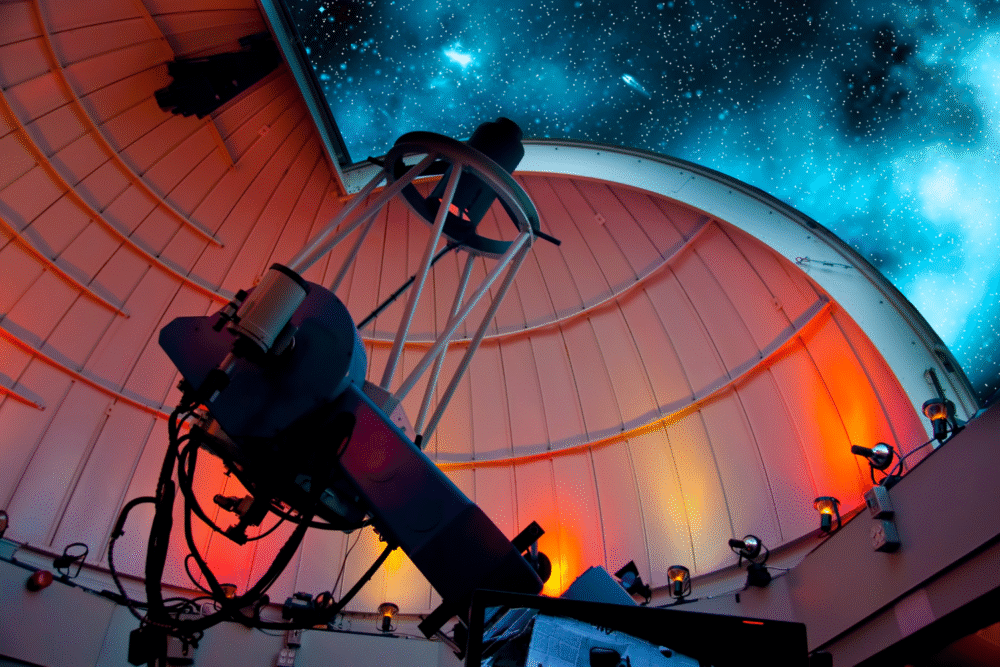
The Milky Way’s mysterious glow stands as both a frustration and an inspiration for astronomers. It may be the long-awaited fingerprint of dark matter — or just another chapter in the ongoing story of cosmic discovery.
Either way, the effort to understand it demonstrates the scientific drive to probe deeper into the unknown. Each new observation brings humanity closer to uncovering what lies hidden in the galaxy’s heart — and, perhaps, the fundamental nature of the universe itself.