
Rising seas, shifting sands and fierce storms are forcing homes on North Carolina’s Outer Banks into the Atlantic.

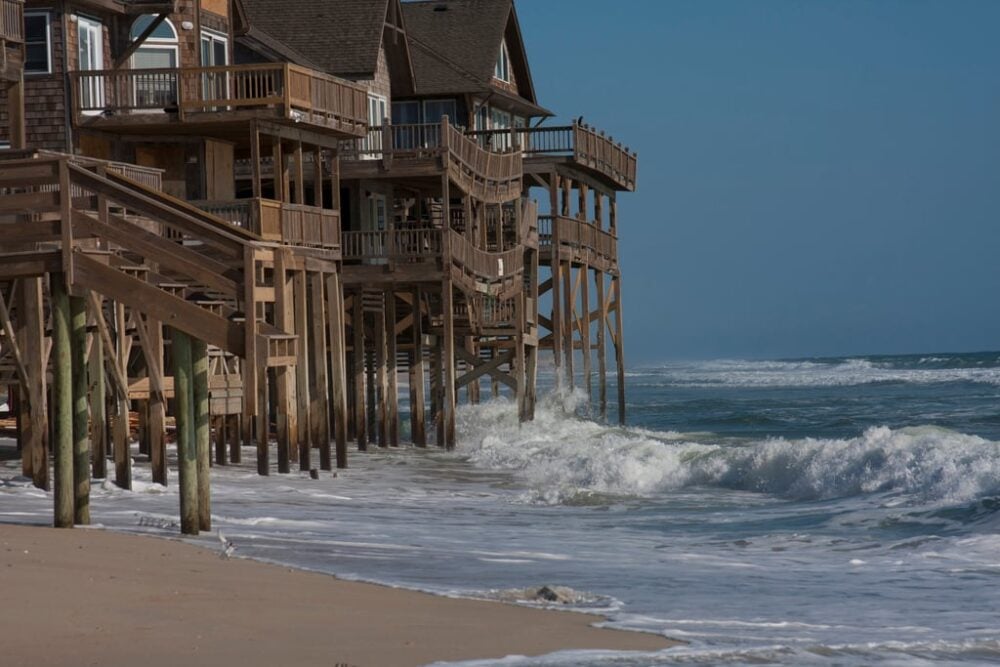
Homes along North Carolina’s Outer Banks are collapsing into the ocean at alarming speed as the barrier islands face a perfect storm of coastal threats. In the past five years more than 20 oceanfront properties have collapsed, according to the National Park Service, with half of them falling since the arrival of two back-to-back storms this fall. The accelerated shoreline erosion is driven by sea-level rise, stronger waves, and compromised foundations—creating a dire warning for coastal communities.
1. The Outer Banks Are Disappearing Faster Than Ever
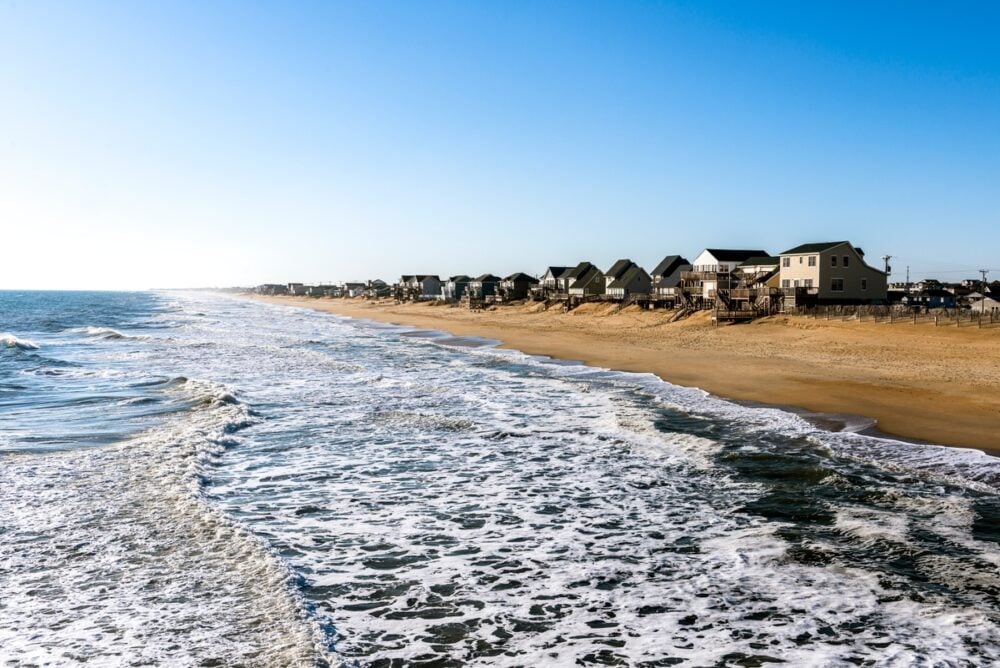
Coastal scientists warn that the Outer Banks, a string of barrier islands off North Carolina, are eroding at record speed. The narrow chain of sand and dunes has always shifted naturally, but climate change and rising seas have accelerated the process dramatically.
According to the U.S. Geological Survey, some stretches of shoreline are retreating by more than six feet per year. Each major storm now pushes the ocean farther inland, putting once-safe oceanfront homes directly in the path of destruction.
2. Rising Sea Levels Are Undermining Oceanfront Foundations
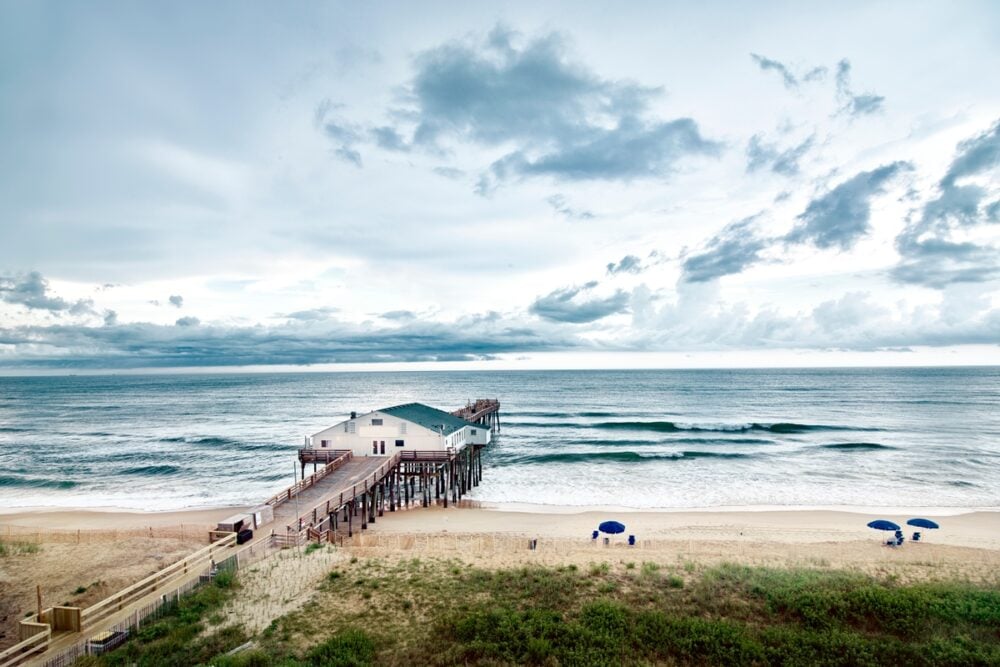
The Atlantic Ocean is rising by roughly one inch every five to seven years along North Carolina’s coast—one of the fastest rates on the U.S. East Coast. As the sea creeps higher, saltwater saturates the sand beneath homes, weakening pilings and causing foundations to shift or collapse.
When combined with powerful surf and tides, even elevated stilt houses become vulnerable. Engineers say that foundations designed decades ago can no longer withstand the steady advance of the ocean and constant wave battering.
3. More Homes Have Fallen Into the Ocean Since 2020 Than Ever Before
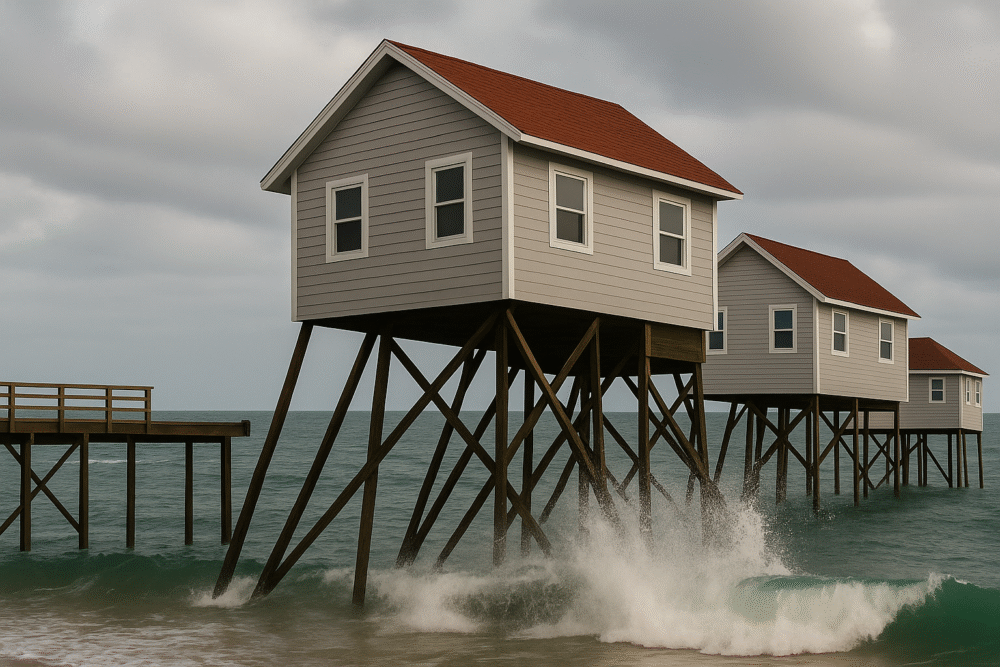
In just five years, more than twenty oceanfront homes have collapsed on the Outer Banks, according to the National Park Service. Half of those incidents occurred in 2024 and 2025 alone, following a series of back-to-back coastal storms.
Each collapse sends tons of debris—wood, insulation, metal, and sewage—into the surf, creating environmental hazards that spread for miles. The Park Service now considers certain sections of Rodanthe and Avon “unbuildable” due to extreme shoreline instability.
4. Storm Surges Are Reaching Farther Inland

Recent hurricanes and tropical storms, including Humberto and Imelda, churned offshore but still generated destructive swells. Waves exceeding 15 feet struck the Outer Banks, flooding roads and inundating dune lines meant to protect beachfront homes.
Even minor storms now cause major damage. Scientists say the loss of protective dunes and wetlands has left communities exposed. Once the ocean breaches the first dune line, there’s often little to stop the water from cutting into yards, foundations, and streets.
5. The Barrier Islands Were Never Meant to Be Permanent
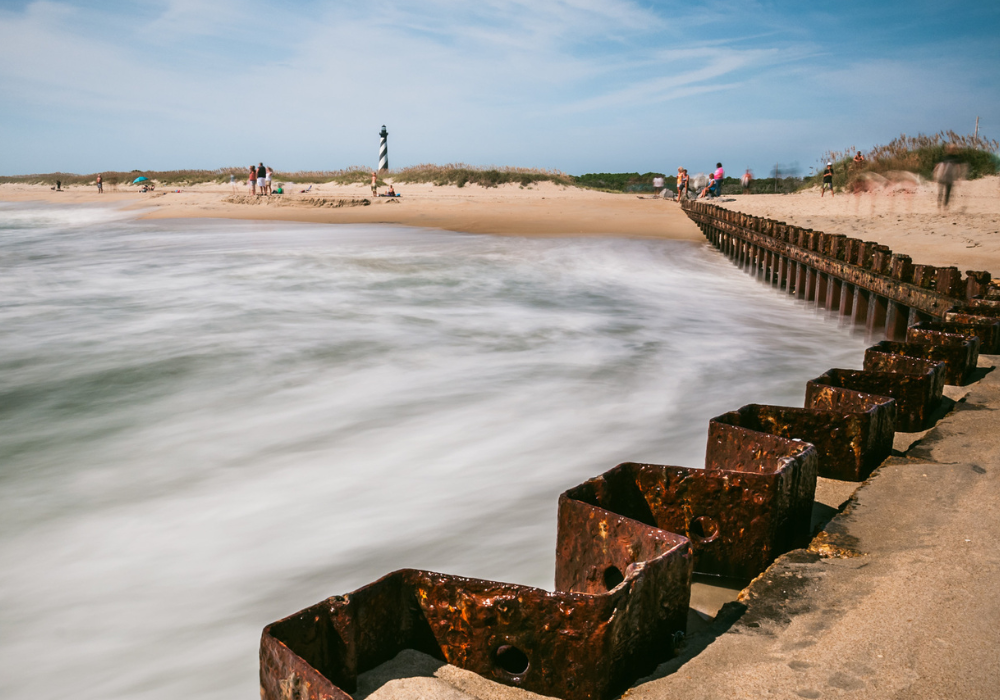
Geologists emphasize that the Outer Banks are naturally shifting sandbars, constantly rebuilt and reshaped by wind and waves. They migrate westward toward the mainland over time, which means erosion isn’t just possible—it’s inevitable.
Development, however, has locked homes and roads into place on terrain meant to move. By trying to stabilize the islands with seawalls and sandbags, humans have interfered with the very processes that allowed the Outer Banks to exist in the first place.
6. Sea-Level Rise Is Now Outpacing Beach Rebuilding Efforts
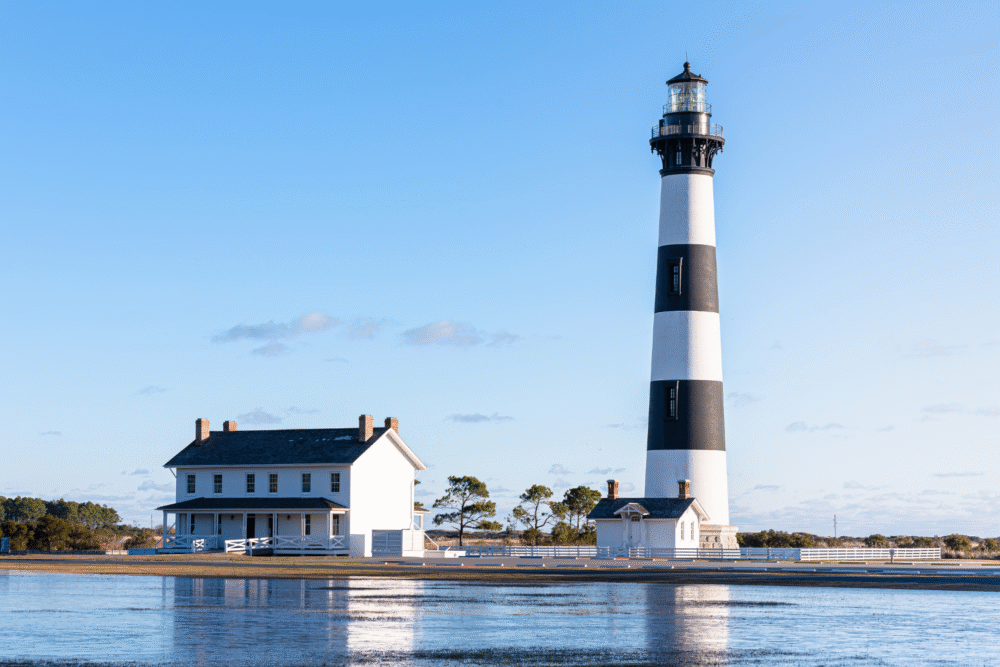
For decades, local governments have fought erosion with costly beach nourishment projects—pumping sand back onto beaches to restore lost land. But with sea-level rise accelerating, these projects are lasting fewer years before the ocean reclaims them.
Each renourishment can cost tens of millions of dollars and requires constant repetition. Experts warn that in some communities, the cost of replenishment now exceeds the property value it’s meant to protect, making it an unsustainable long-term solution.
7. Insurance Companies Are Pulling Back From Coastal Areas
As property damage grows more frequent, major insurers are reducing coverage or withdrawing entirely from high-risk coastal regions. Homeowners in the Outer Banks now face skyrocketing premiums—or complete loss of coverage.
Some residents are turning to state-backed insurance pools or going without coverage altogether. This trend mirrors what’s happening across other climate-threatened coastlines, signaling a growing economic crisis tied to environmental change.
8. Local Residents Are Watching Their Communities Wash Away
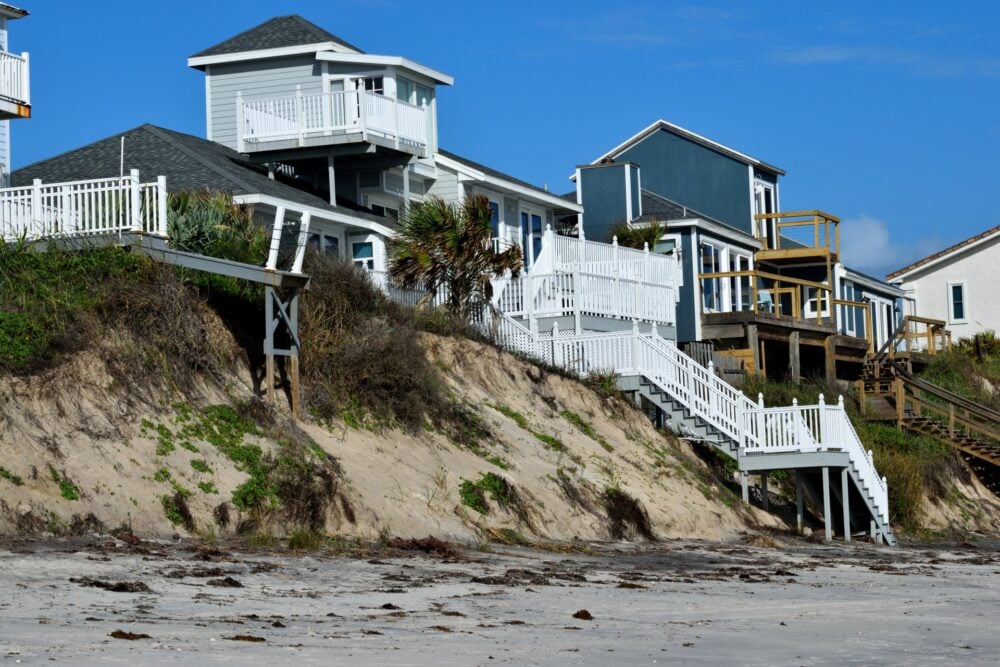
For longtime residents, the loss is more than financial—it’s deeply emotional. Entire neighborhoods that once overlooked dunes and boardwalks now face open surf. Some families have been forced to abandon homes that have been in their families for generations.
Even inland towns are feeling the effects, as roads, septic systems, and power lines require constant repair. Locals describe a growing sense of anxiety with every new storm warning, unsure how much of their community will still exist when it passes.
9. Debris From Collapsed Homes Threatens Marine Life

When a house falls into the sea, it doesn’t disappear—it breaks apart into floating debris. Pieces of wood, insulation, furniture, and chemicals from household materials wash up along miles of coastline, polluting the environment.
Marine biologists have found microplastics, fiberglass, and construction residue in the surrounding waters. The National Park Service now deploys cleanup crews after every collapse, but the frequency of incidents is overwhelming limited local resources.
10. Coastal Engineers Say Some Areas Can’t Be Saved
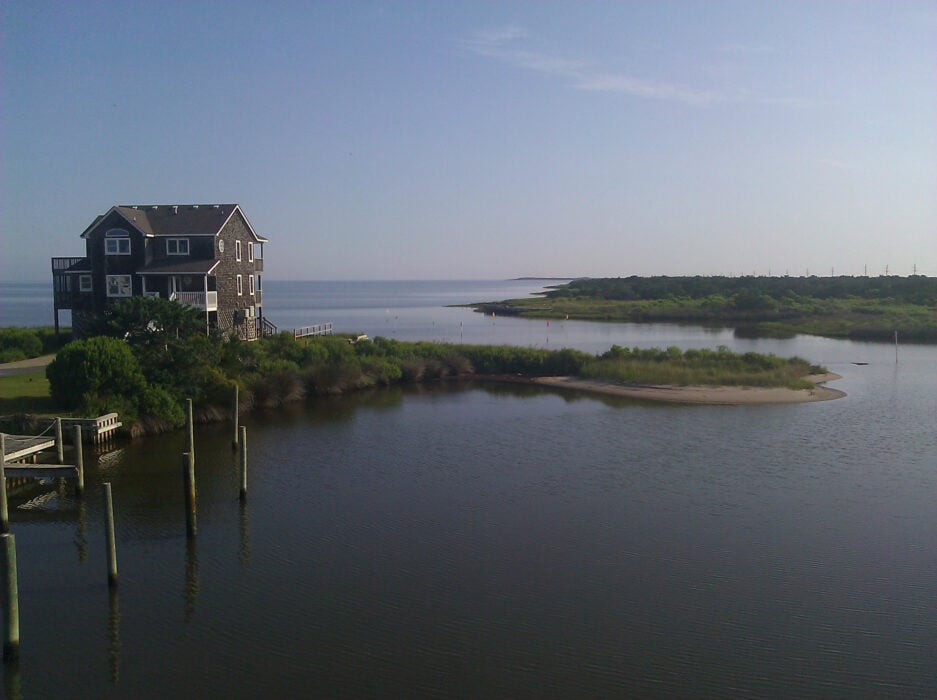
Experts studying shoreline change in Rodanthe, Avon, and Buxton say some sections of beach are simply too unstable to support future development. Even with major rebuilding, these areas would continue to erode within a few years.
As the sea advances, officials are considering “managed retreat”—a strategy that involves relocating homes and infrastructure away from the most vulnerable areas. While controversial, it may be the only realistic option to preserve communities farther inland.
11. The Cost of Rebuilding Is Becoming Unsustainable
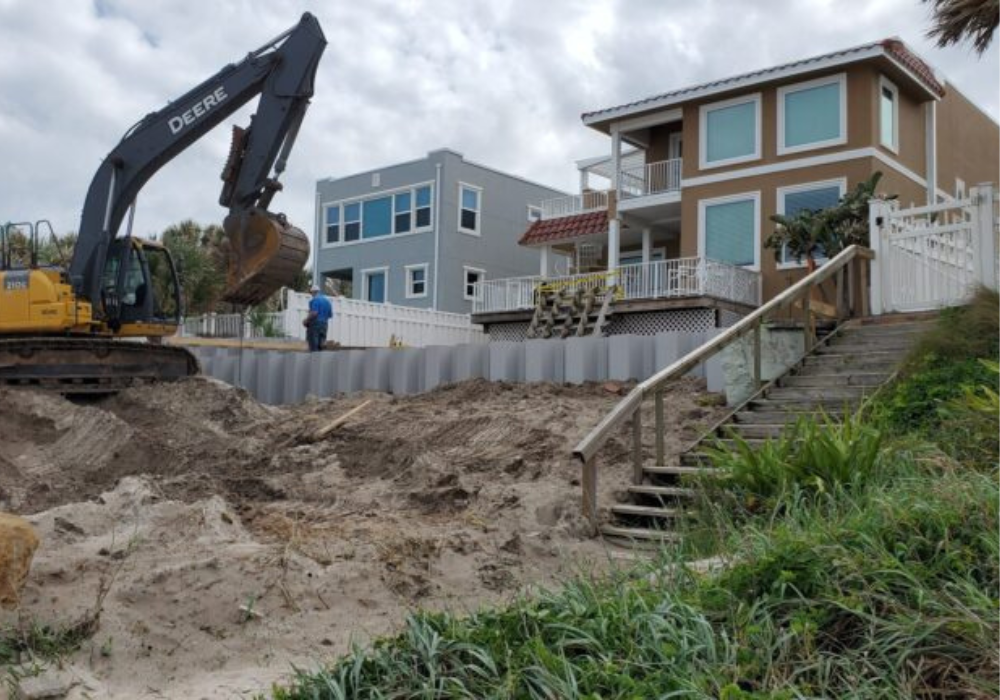
After every collapse or severe storm, local governments face mounting cleanup and rebuilding expenses. Federal and state disaster funds help, but the constant recovery cycle drains local budgets and slows tourism, the Outer Banks’ primary economic driver.
Economists warn that as losses increase, tax bases may shrink, leaving fewer resources to maintain roads, bridges, and public services. Without significant adaptation funding, some communities could face permanent economic decline.
12. The Outer Banks Show the Future of America’s Coastlines
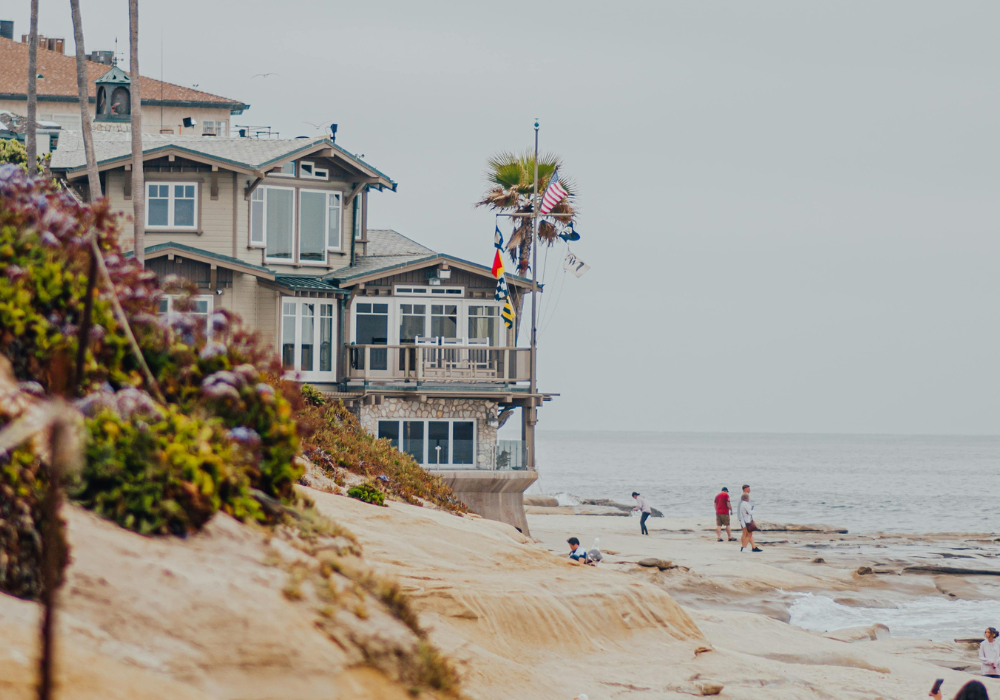
What’s happening in North Carolina is a preview of what’s to come for other low-lying coasts. From Florida to New Jersey, similar conditions—rising seas, stronger storms, and soft sandy foundations—are threatening oceanfront communities.
Scientists see the Outer Banks as a warning of how quickly coastal change can accelerate when nature and development collide. Unless major action is taken to adapt, more communities across the U.S. may soon face the same fate—homes falling into the sea