
Hazard warnings now stretch from Southern California to Washington State as officials cite dangerous coastal conditions.
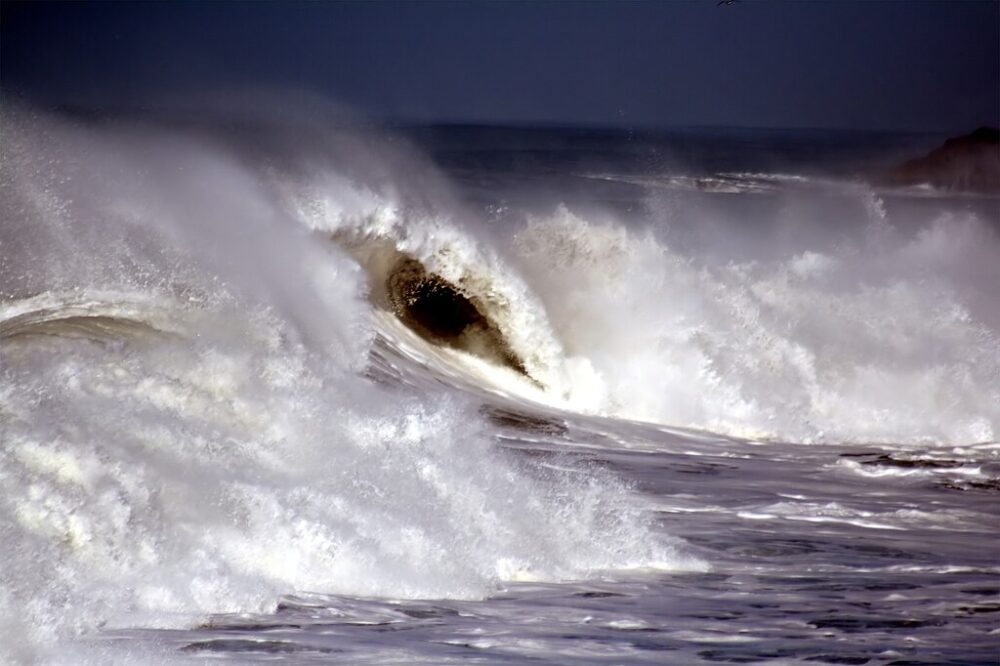
Authorities have issued widespread warnings covering nearly the entire U.S. West Coast as powerful ocean swells, high surf, and hazardous marine conditions develop along the Pacific. The National Weather Service reports that the alerts extend from San Diego to the Washington coastline, with waves reaching 25 feet in some areas. Officials are urging residents and visitors to avoid beaches, jetties, and coastal roads through the weekend as forecasters monitor the potential for flooding and strong rip currents.
1. Warnings Stretch From California to Washington

The National Weather Service has issued alerts along almost the entire Pacific coastline, from Southern California to Washington State. This rare, large-scale advisory highlights the severity of the conditions currently unfolding.
Meteorologists say the warnings result from a strong Pacific storm system generating massive swells across thousands of miles of open ocean. These swells are expected to hit coastal communities with high surf, dangerous rip currents, and possible localized flooding through the weekend.
2. Waves Could Reach Heights of 20 to 25 Feet

Forecasters report that some areas could see waves as high as 25 feet, particularly along west-facing beaches in California and Oregon. Such conditions are typically associated with strong winter storms or offshore cyclones.
The enormous waves pose serious dangers to swimmers, surfers, and coastal sightseers. Officials urge the public to stay back from rocky shorelines and to avoid photographing the waves, as sudden surges have already swept several people into the ocean in similar past events.
3. High Surf and Rip Current Warnings Are in Effect
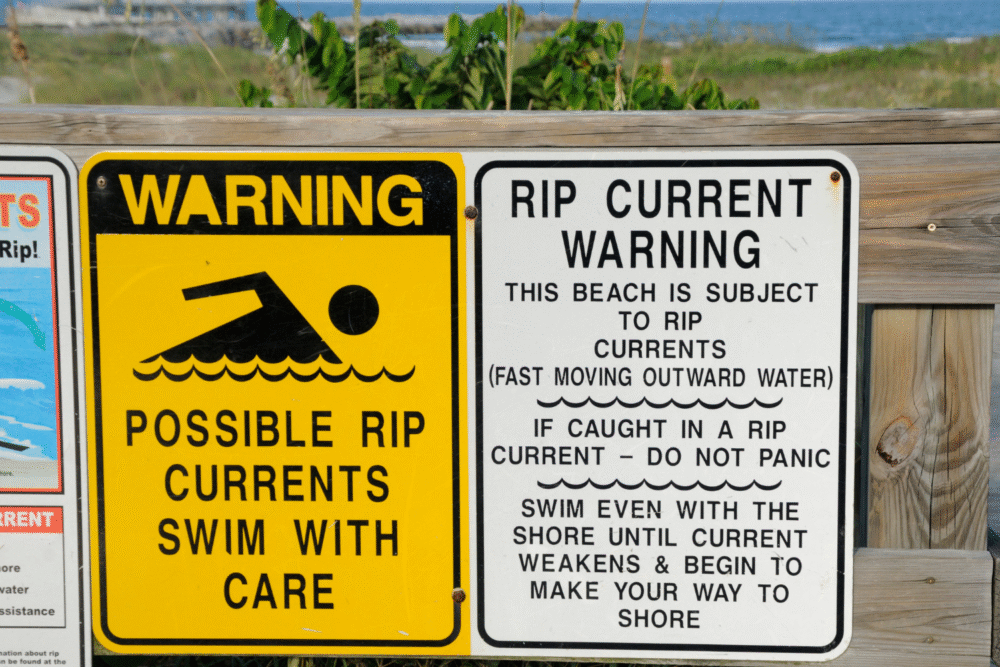
The National Weather Service has issued simultaneous high surf and rip current warnings for much of the Pacific Coast. Rip currents—strong, narrow channels of water flowing away from the shore—are particularly hazardous during major wave events.
These currents can easily pull even strong swimmers into deeper water. Lifeguards and emergency responders are advising beachgoers to stay out of the ocean entirely until conditions improve, as rescues become far more dangerous during high surf events.
4. Coastal Flooding Is a Growing Concern

With tides running high and waves intensifying, low-lying coastal areas could experience minor to moderate flooding. Officials are monitoring areas such as San Francisco Bay, Long Beach, and the Oregon coast for potential overwash onto roads and properties.
Flooding may also occur around harbors and piers where storm-driven waves coincide with higher-than-average tides. Even brief flooding can damage vehicles, erode dunes, and create dangerous debris along beaches and boardwalks.
5. The Storm System Originated in the Central Pacific
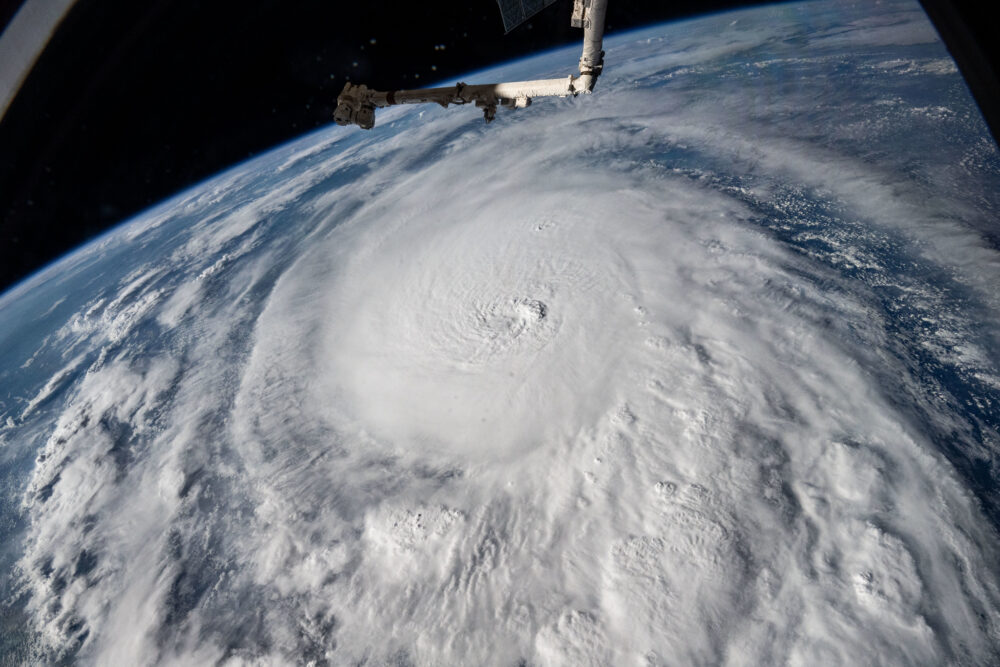
Meteorologists say the strong swell originated from a deep low-pressure system over the central Pacific Ocean earlier in the week. As the storm moved east, it generated long-period waves that maintained strength across thousands of miles.
These “long-period swells” are particularly powerful because they carry more energy than typical local waves. When they reach shallow coastal waters, they can rise suddenly in height—catching even experienced beach visitors off guard.
6. Beaches and Coastal Parks Have Been Temporarily Closed
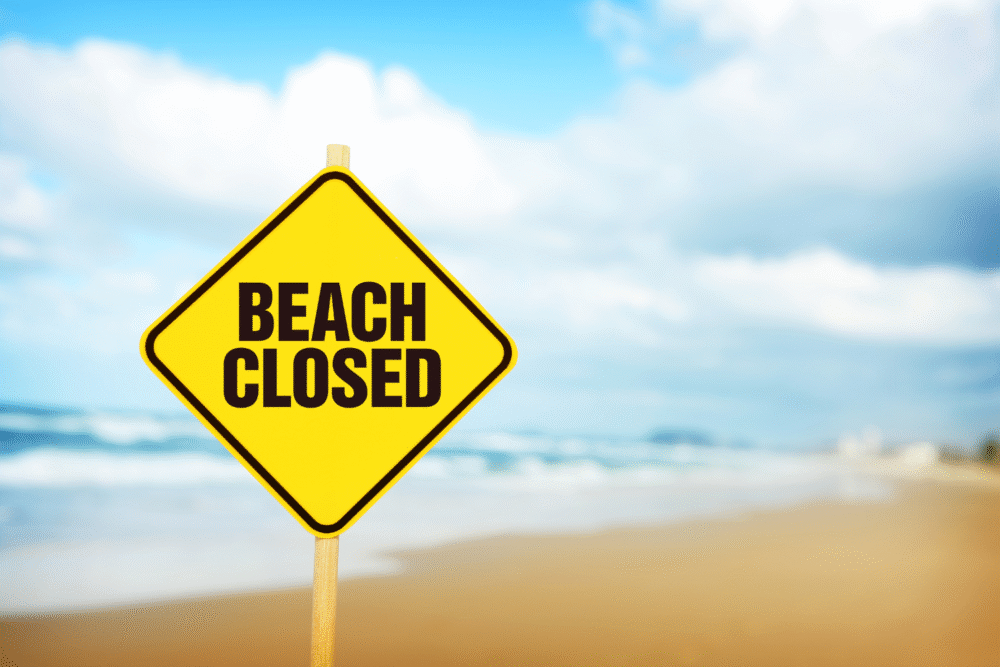
In several locations across California and Oregon, local authorities have closed beaches and coastal access points due to dangerous conditions. Park rangers and lifeguards have cordoned off areas prone to strong surf and cliffside erosion.
Visitors are urged to respect closures and warning signs. Even seemingly calm stretches of shoreline can experience “sneaker waves”—unexpected surges capable of sweeping people and pets into the sea with little warning.
7. Mariners Are Urged to Stay in Port
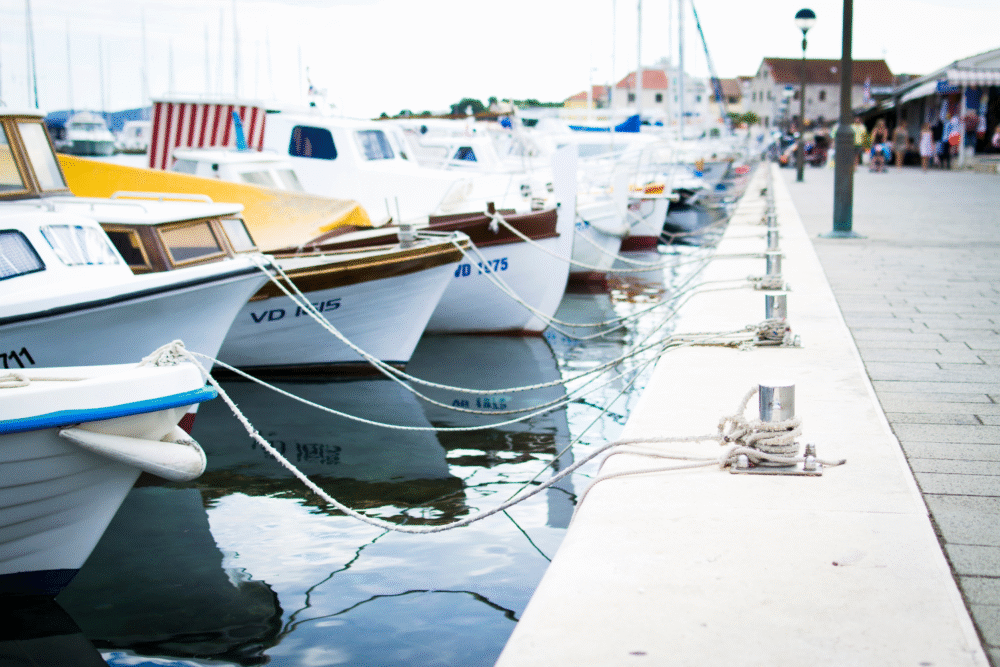
The U.S. Coast Guard has advised small craft and commercial vessels to remain docked until conditions stabilize. Rough seas, strong winds, and reduced visibility pose serious hazards to navigation along the coastal corridor.
Buoys off the Oregon and Northern California coasts have recorded wave heights exceeding 30 feet at times. These conditions not only threaten vessels but can also produce hazardous surf in harbor entrances, making it difficult for boats to return safely.
8. Impacts Are Expected to Peak Over the Weekend
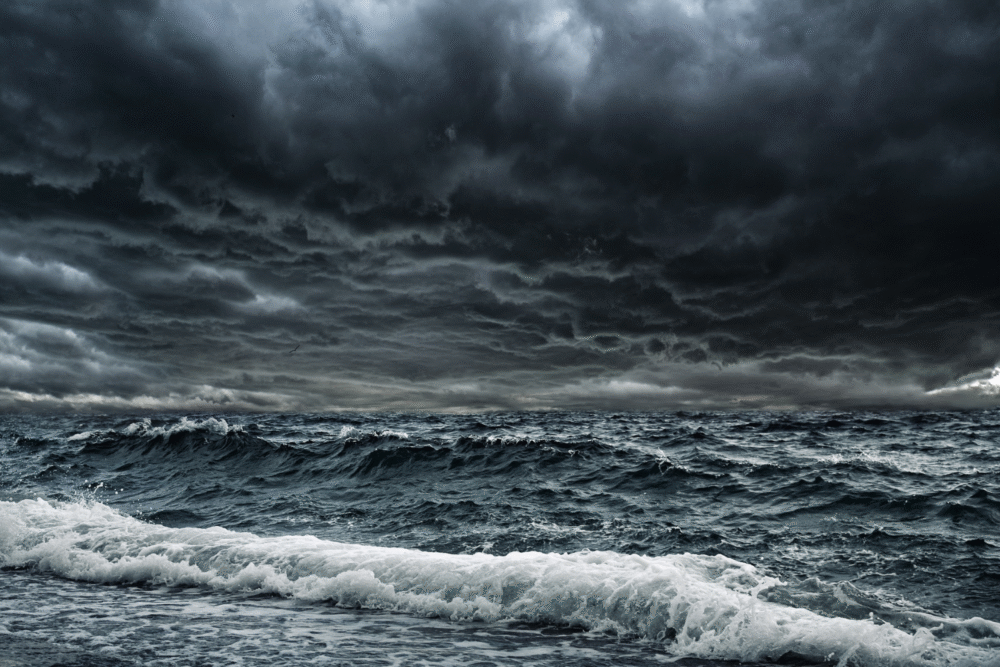
According to the National Weather Service, the strongest surf and coastal winds are expected to peak between Friday night and Sunday morning. Afterward, conditions should slowly improve as the swell energy weakens.
However, forecasters warn that lingering high surf may continue into early next week, especially along west- and northwest-facing beaches. Residents are encouraged to stay updated through local forecasts and alerts as the system moves inland.
9. Coastal Residents Are Urged to Prepare for Erosion
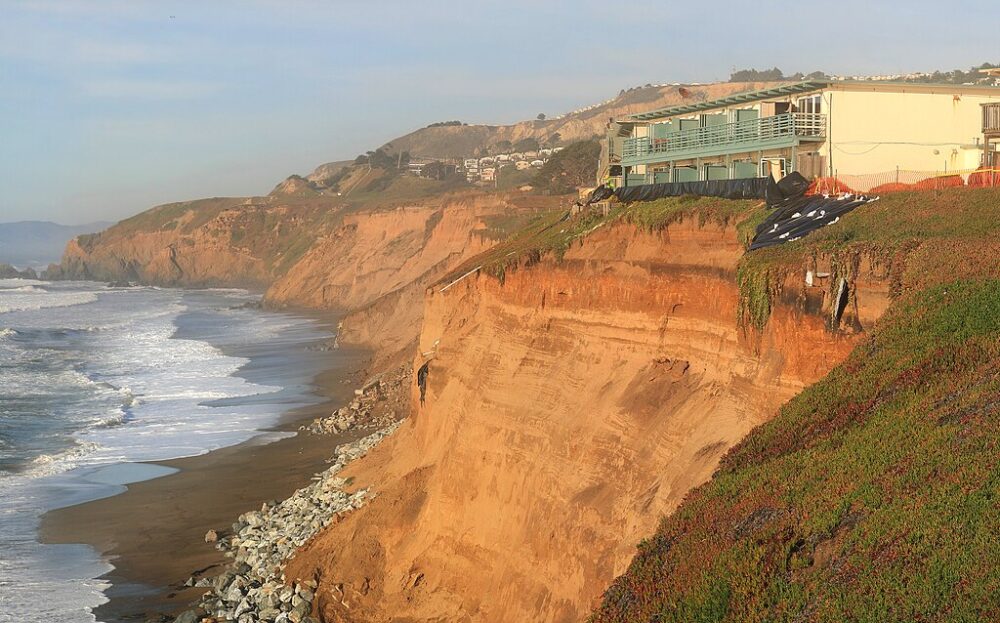
High-energy waves striking beaches at high tide can accelerate erosion and threaten coastal infrastructure. Officials in several coastal towns are reinforcing dunes and sea walls while advising homeowners to secure outdoor equipment.
In areas with chronic erosion problems—such as parts of Humboldt County, California, and Oregon’s Tillamook Bay—property owners are being reminded to document conditions and follow local safety guidance in case of worsening damage.
10. Officials Warn Against Risky Behavior Near the Shore
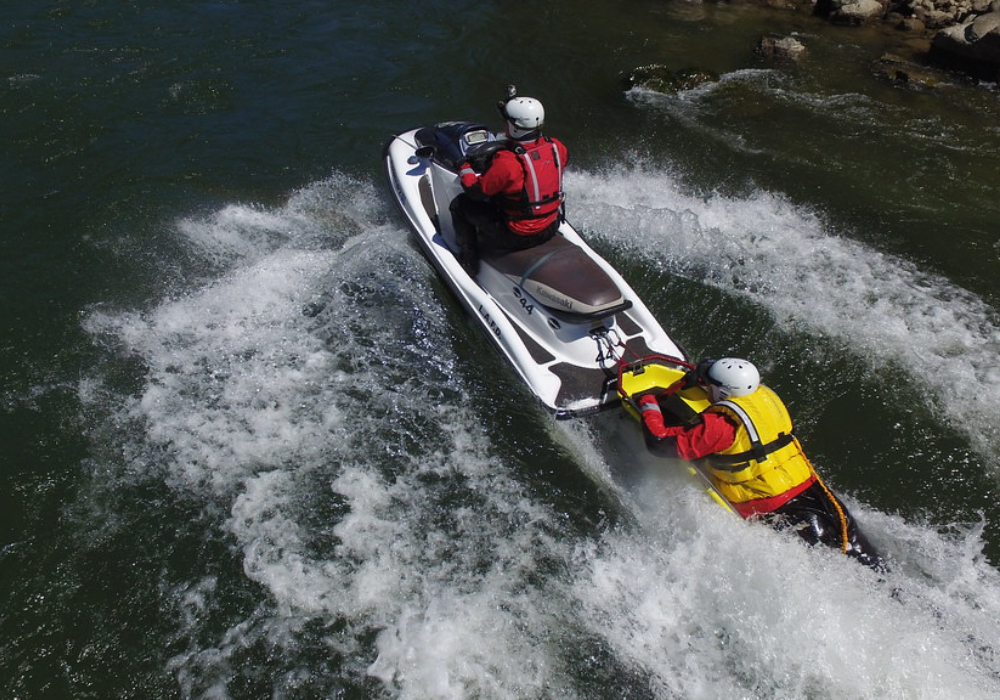
Despite repeated warnings, authorities report that some people continue to approach the surf for photos or recreation. Emergency responders stress that these conditions can be life-threatening even for experienced surfers or rescuers.
The National Weather Service and Coast Guard are asking the public to keep a safe distance from piers, cliffs, and tide pools until warnings expire. Officials emphasize that a single large wave can easily sweep someone into the ocean—making prevention the best form of safety.