
New findings suggest the dead beneath Stonehenge were selected, not simply buried there.
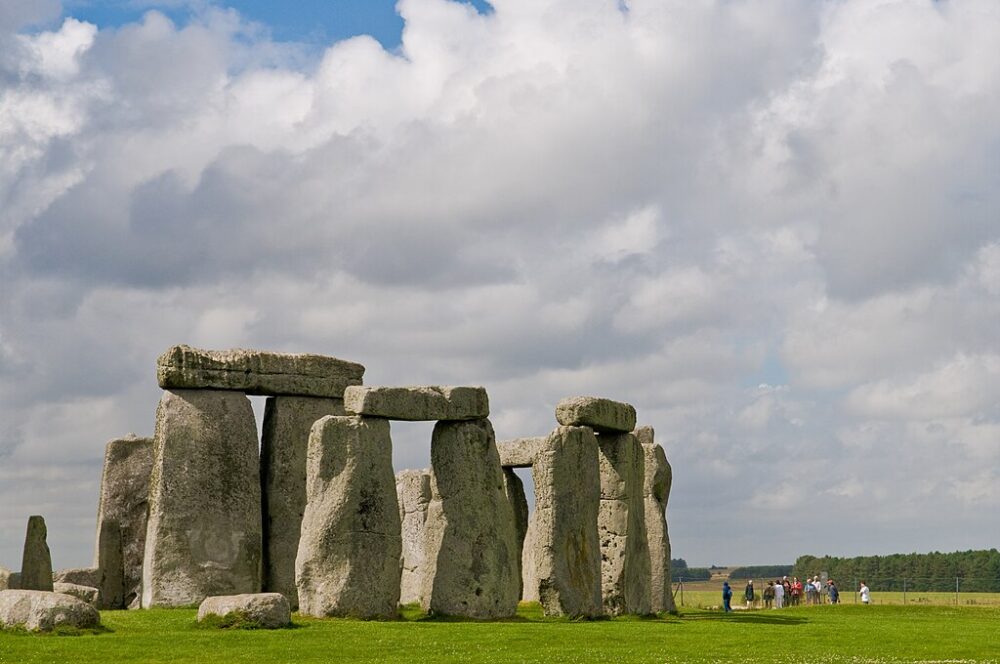
Recent research into the burials at Stonehenge is rewriting how we understand the iconic monument. Scientists have analyzed cremated remains from the site and found that some individuals weren’t from Salisbury Plain but from far-flung regions such as west Wales.
The concentration of male burials, some with rich grave goods, suggests Stonehenge was more than a ritual site; it may have served as a burial ground for an elite, mobile group. These findings shed new light on ancient travel, status, and networks in Neolithic Britain.
1. Scientists Identified Stonehenge’s Buried Dead Through Isotope Testing

Modern isotopic analysis has allowed scientists to trace the origins of people buried at Stonehenge. By studying the chemical signatures in cremated bone fragments, researchers discovered that some individuals had grown up hundreds of miles away.
The results, published by University College London, revealed that several of the dead likely came from west Wales—the same region where Stonehenge’s famous bluestones were quarried. This connection suggests that both the stones and some of the people who built or used them shared a common homeland.
2. The Burials Date to the Monument’s Earliest Phases

Excavations show that Stonehenge began as a large circular cemetery around 3000 BCE, centuries before the massive stone circle was completed. Archaeologists have uncovered at least 25 cremation burials within its earliest ditches and banks.
This makes Stonehenge one of Britain’s oldest known cremation cemeteries. Over time, the monument evolved from a sacred burial ground into a monumental site for ritual gatherings, suggesting its function shifted alongside changing social and spiritual priorities in Neolithic Britain.
3. Many of the Dead Likely Came From Wales

Geochemical analysis of strontium isotopes in the remains showed values matching the Preseli Hills of west Wales—more than 150 miles away. This discovery supports the theory that the monument’s original builders or their descendants traveled great distances to reach Salisbury Plain.
These findings also connect the people buried there to the same region as the bluestones, reinforcing the idea that the monument’s earliest phase was linked to a community that migrated from Wales to southern England.
4. Cremation Was a Common Elite Burial Practice
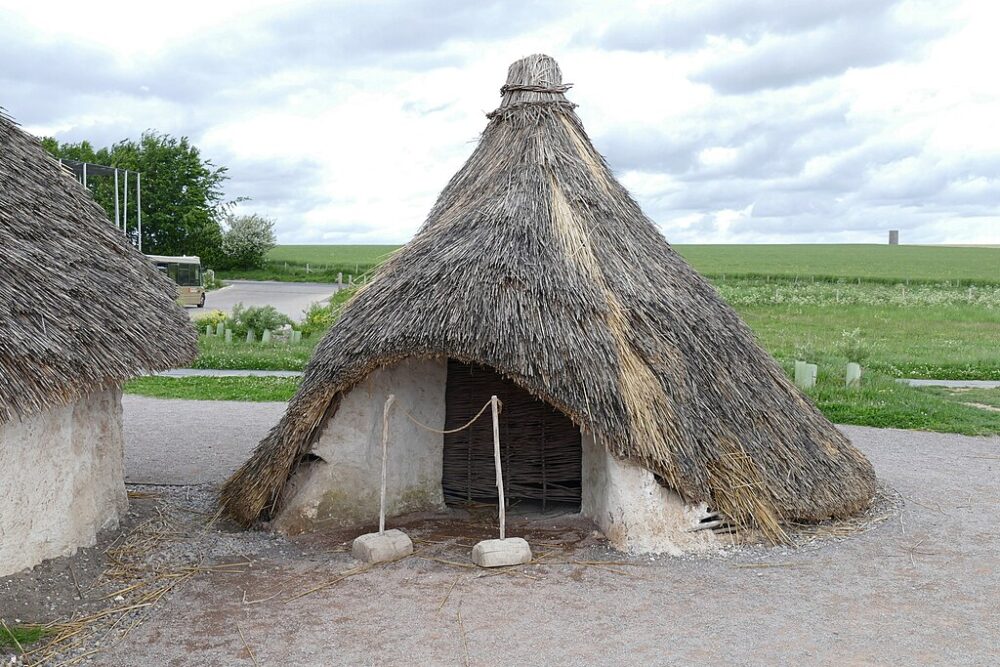
All of the identified burials at Stonehenge are cremations—a practice associated with high-status individuals during the Neolithic period. Cremation required time, fuel, and careful ritual handling, suggesting that only select members of society were afforded this treatment.
Archaeologists believe the cremated remains were carefully placed in pits or containers within the circular enclosure. The effort devoted to their burial indicates that Stonehenge likely served as a ceremonial resting place for leaders or individuals of spiritual significance.
5. Stonehenge Functioned as a Monument to the Dead
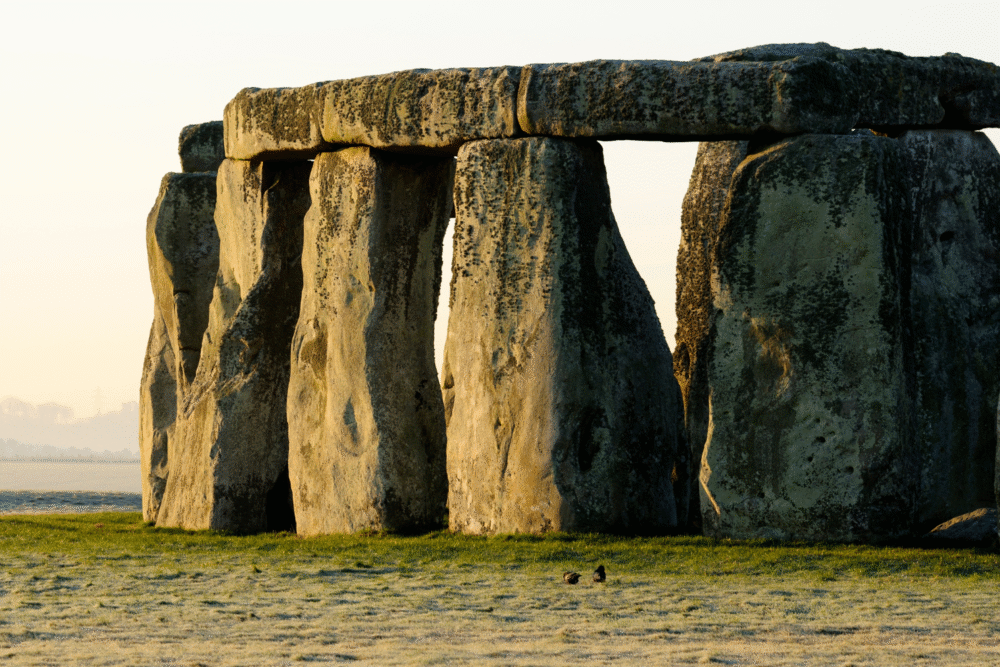
Before it became an astronomical or ritual landmark, Stonehenge was primarily a monument to the dead. The site’s earliest structures, including timber posts and circular ditches, aligned with burial features rather than celestial ones.
Over centuries, as more cremations were added and the stone circle rose, the monument may have symbolized the connection between the living and the ancestral dead. The stones could have served as eternal markers of remembrance for the early communities who gathered there.
6. The Bluestones May Have Held Spiritual Meaning for the Buried
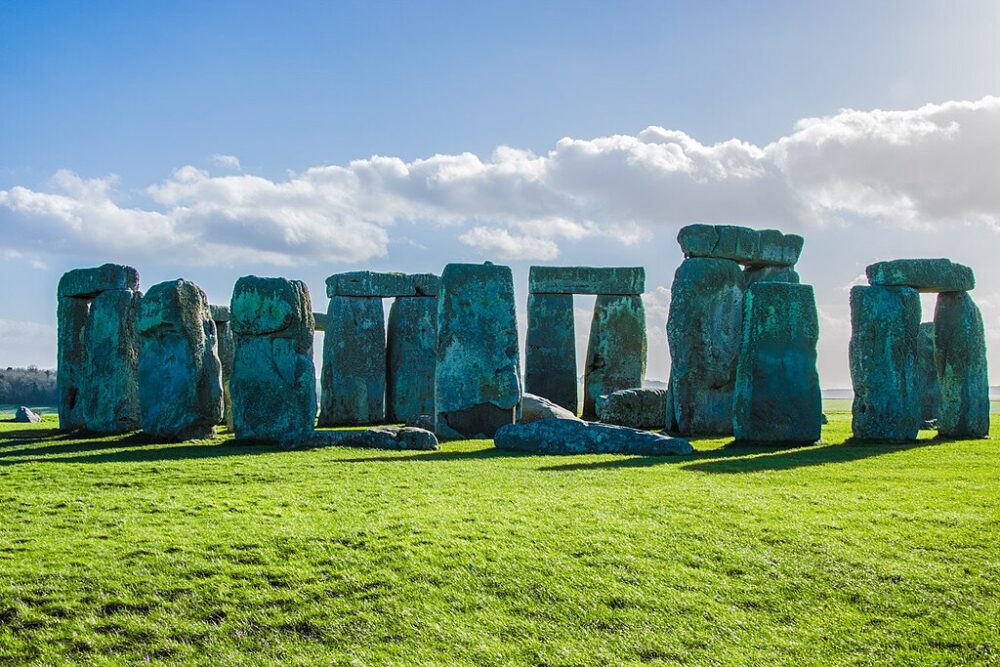
Archaeologists believe the smaller bluestones—transported from Wales—were chosen not only for their origin but also for their symbolic value. Some burials are located near these stones, suggesting a spiritual connection between the deceased and the monument’s material.
The extraordinary effort required to move the stones implies they held religious or ancestral significance. The people buried alongside them may have viewed the monument as both a tomb and a sacred link to their homeland.
7. Analysis Suggests Men Were Buried More Often Than Women

Recent excavations at Stonehenge and nearby sites show that most cremated remains belonged to adult males. This imbalance suggests a social hierarchy where men—perhaps chiefs, priests, or warriors—were given privileged burial at the monument.
However, women and younger individuals are also represented, indicating that Stonehenge was not exclusively a male domain. The diversity of remains supports the idea of an extended community using the site across several generations for burial and ceremony.
8. Some Burials Contained Artifacts and Offerings

A few of the cremation pits at Stonehenge contained grave goods such as polished stone tools, pottery fragments, or beads. These offerings may have been symbolic gifts to accompany the deceased into the afterlife.
Such objects provide insight into the beliefs of Neolithic society, where death was seen not as an end but a transformation. The presence of these artifacts shows how the community honored their dead through both ritual performance and material tribute.
9. The Burials Reveal a Networked and Mobile Society
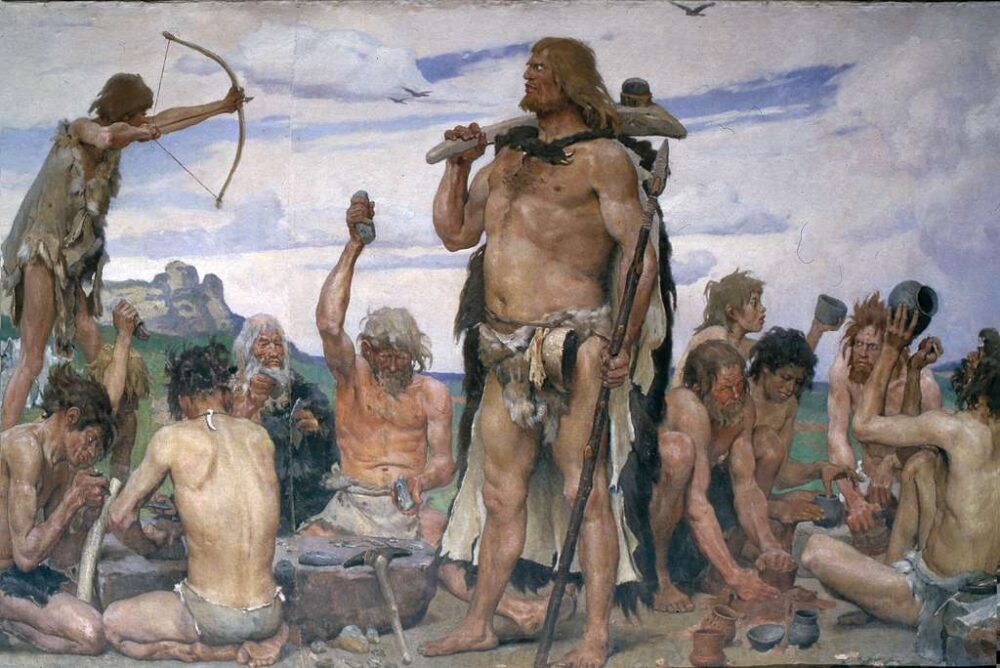
The discovery that people buried at Stonehenge came from distant regions demonstrates the surprising mobility of Neolithic Britons. Far from isolated farmers, they maintained long-distance connections across southern Britain and Wales.
This mobility would have facilitated trade, knowledge exchange, and shared ceremonial traditions. Stonehenge may have served as a unifying site—a place where diverse groups gathered periodically to honor the dead and reaffirm social bonds.
10. Stonehenge’s Role as a Burial Site Faded Over Time
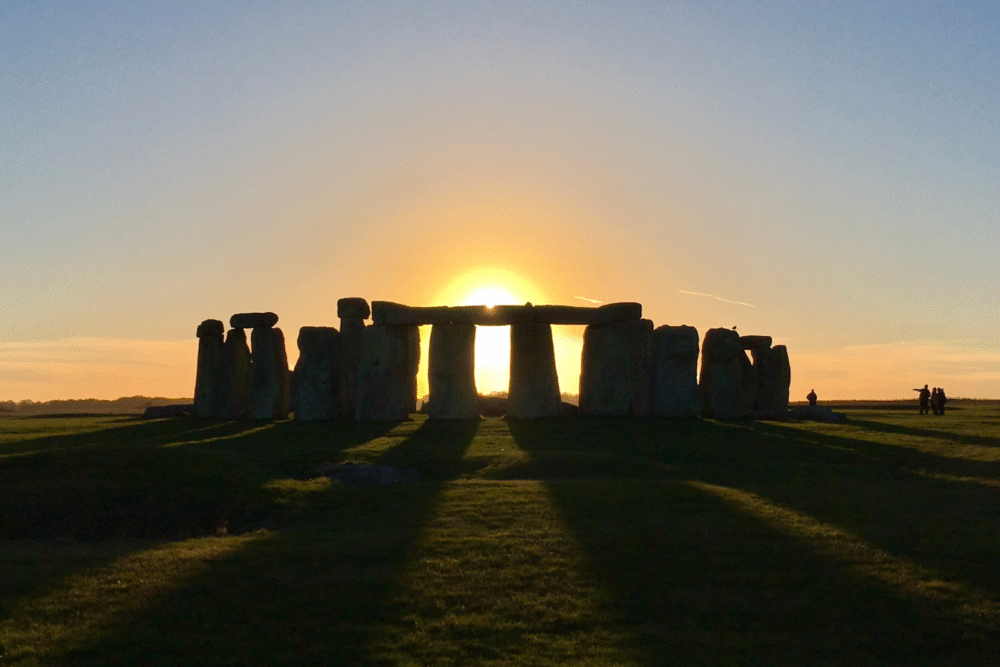
By around 2500 BCE, the focus of Stonehenge shifted from burials to ritual and astronomical functions. The cremation pits ceased, and new stone alignments were erected to mark solstices and seasonal changes.
This transformation reflected broader cultural changes in Neolithic Britain, as communities evolved from ancestor worship toward more complex spiritual systems. Still, the human remains buried within its earliest layers remain the monument’s true foundation—a reminder that Stonehenge began not as a mystery, but as a memorial.