
What projections suggest for flooding, infrastructure, and daily life in vulnerable areas.
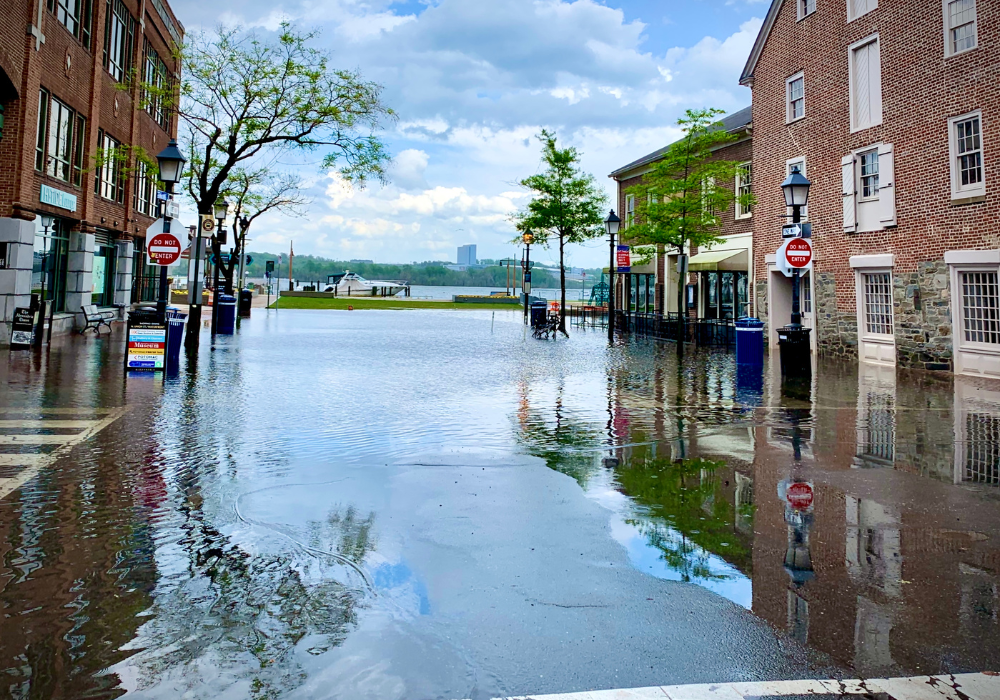
If you live in a coastal city, the ocean is no longer a distant threat: it’s coming for your streets, your home, and your way of life. Sea levels are rising faster than ever, and by 2035, many major cities will face routine flooding, disappearing shorelines, and neighborhoods that may never dry out.
Places that once thought they had decades to prepare are now scrambling as ice sheets melt at an alarming rate. Some cities are fighting back with billion-dollar infrastructure projects, while others are quietly accepting that parts of their coastline will be lost forever.
But for millions of people, the next decade will determine whether they can stay in the communities they’ve always called home—or if the ocean will force them out. These cities are on the frontlines of rising seas, and unless drastic action is taken soon, they may not be recognizable by 2035.
Click through to see if your city is on the list.
1. Walls won’t be enough to save Miami.

Flooding in Miami isn’t just an occasional disaster; it’s becoming part of daily life. By 2035, between 12 and 18 inches of sea level rise could make streets, neighborhoods, and entire districts permanently waterlogged. King tides already push water up through storm drains, and some streets flood even when there’s no rain in sight.
Officials are spending billions on pumps, seawalls, and raising roads, but it may not be enough. The ocean is rising faster than expected, and some experts say parts of the city will become uninhabitable in the next decade.
Follow us and access great exclusive content every day
2. A sinking city can’t fight rising water forever.

Flood protection in New Orleans has always been a balancing act, but rising seas are tipping the scales in the wrong direction. The city is already sinking due to land subsidence, and when you combine that with sea level rise, the risk becomes extreme. Per a U.S. Geological Survey, Louisiana has experienced a loss of approximately 1,900 square miles of land since the 1930s, primarily due to coastal erosion and land subsidence.
The levee system keeps the worst of the water at bay, but it’s being pushed to its limits. Stronger hurricanes and rising tides are already overwhelming drainage systems. If trends continue, some neighborhoods may need to be abandoned altogether.
3. Manhattan isn’t ready for what’s coming.

The financial capital of the U.S. could soon find its most valuable real estate underwater. Flood risks in New York aren’t theoretical—Hurricane Sandy already showed how quickly the city can drown, and projections for 2035 are even worse. Sea levels along the U.S. coastline are expected to rise by an average of 10 to 12 inches in the next 30 years, which would significantly impact areas like New York City.
One to two feet of sea level rise could leave places like the Rockaways, Queens, and lower Manhattan vulnerable to chronic flooding. Officials are investing in seawalls, flood barriers, and storm surge protections, but major projects like the East Side Coastal Resiliency plan are still years away from completion.
Follow us and access great exclusive content every day
4. The military can’t hold back the tide in Norfolk.
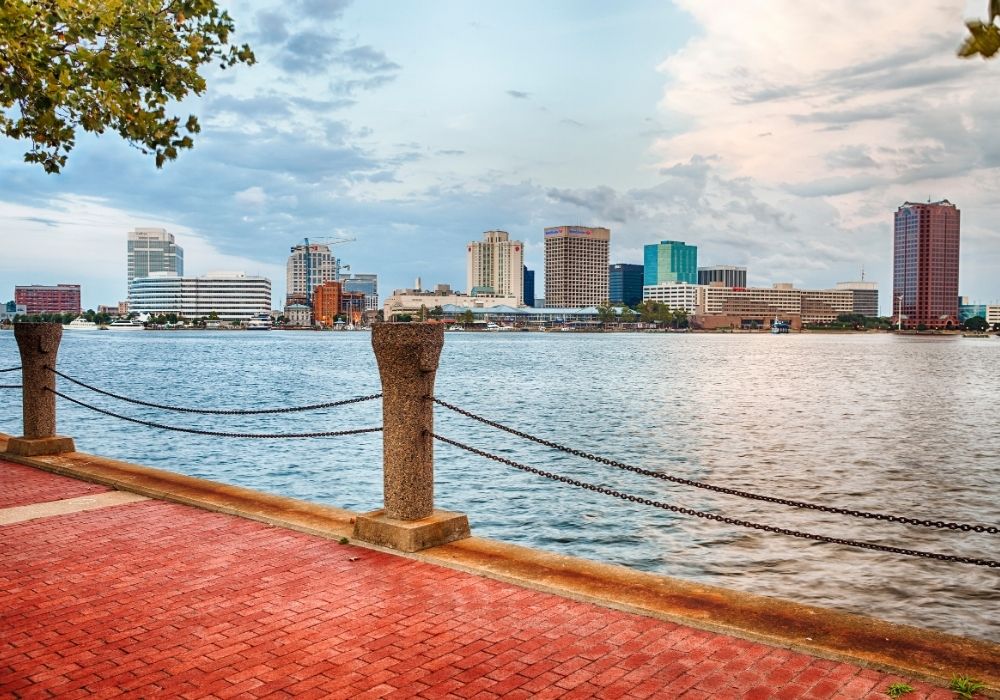
Even the U.S. Navy is watching the water creep closer in Norfolk. The city is home to the world’s largest naval base, but that hasn’t stopped rising tides from swallowing entire streets. By 2035, at least 14 inches of sea level rise is expected, making some areas permanently unlivable.
Homes, roads, and military installations are already struggling with high-tide flooding. Some communities are seeing “ghost roads” appear—streets that are no longer usable because the water simply never drains. Local officials are trying to hold the line with raised infrastructure, but without aggressive intervention, some parts of Norfolk may disappear entirely within a few decades.
5. Another storm could push Charleston past the tipping point.
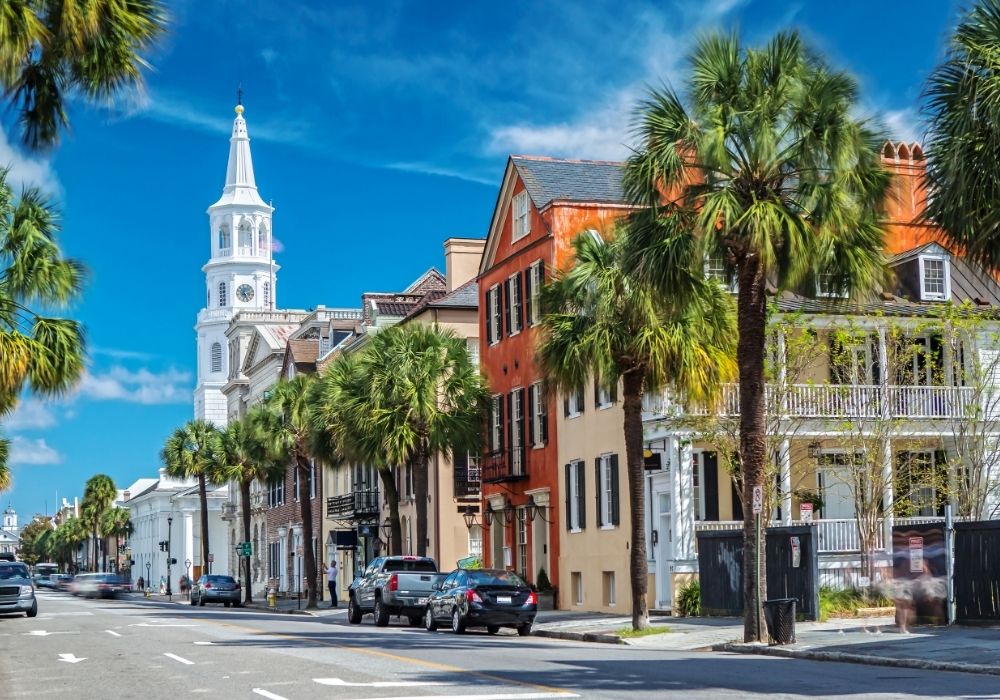
Few cities flood as frequently as Charleston, and the worst is still ahead. Rising waters are creeping into historic neighborhoods, and by 2035, a projected foot of sea level rise could turn occasional flooding into a permanent crisis. The Battery, Market Street, and other low-lying areas are already seeing repeated tidal surges.
The city has started work on a massive seawall, but critics argue it won’t be enough to protect all vulnerable areas. Drainage systems are overwhelmed, and even light rain can turn streets into rivers.
6. Silicon Valley isn’t as untouchable as it thinks.

Tech billionaires might be pouring money into space travel, but they’ll have to deal with rising waters on Earth first. San Francisco’s waterfront is sinking into trouble, with projections showing the Bay could rise 12-16 inches by 2035. Some of the country’s most expensive real estate, including Silicon Valley campuses and major airports, is at risk.
Infrastructure projects are underway, but experts warn that they might not be enough. The city’s transit systems, tech hubs, and low-lying neighborhoods could be facing regular floods within a decade.
Real estate developers are racing to adapt, but much of the coastline may be impossible to defend in the long term. Some neighborhoods are already seeing water creep in where it never used to—a warning sign of what’s coming.
Follow us and access great exclusive content every day
7. Flooded streets could become Boston’s new normal.
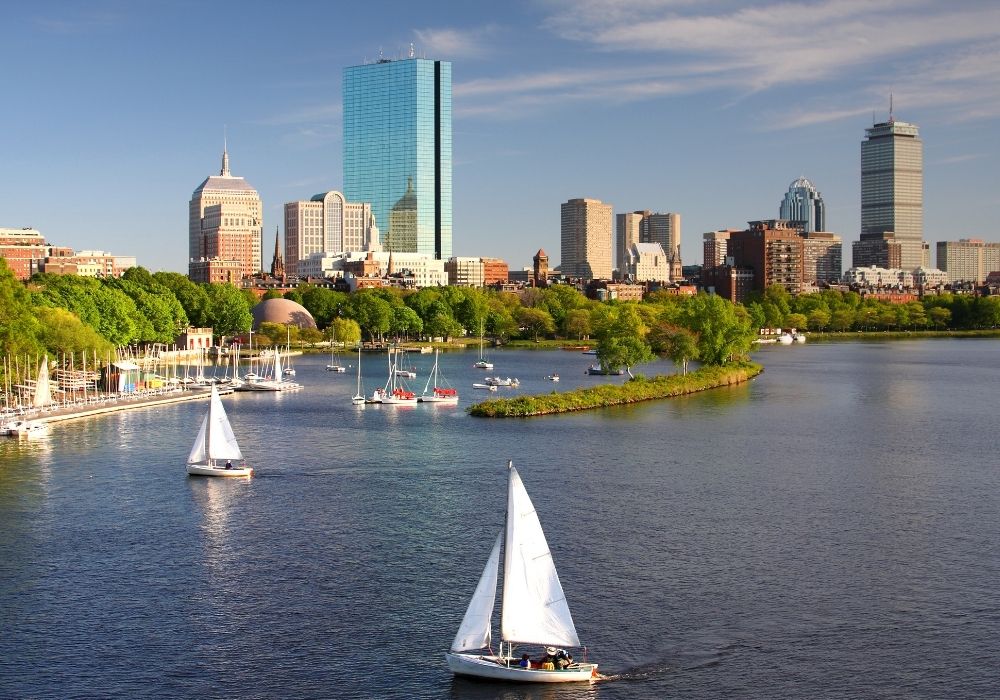
Boston’s battle with the ocean is turning into an all-out war. Streets that flood a few times a year could soon be underwater every time the tide rolls in. By 2035, one to two feet of sea level rise will push water deep into the Seaport District, East Boston, and parts of downtown, making high-tide flooding an unavoidable part of life.
City officials are throwing money at flood barriers and seawalls, but time isn’t on their side. Insurance rates are creeping up, and some homeowners are already wondering if their investments will sink before their mortgages are paid off.
8. The beaches that made Hawaii famous may not survive.

In Hawaii, the ocean is moving in, and it’s not leaving anytime soon. Shorelines are eroding faster than experts predicted, and by 2035, up to 20 inches of sea level rise could push entire coastal communities to the brink.
Tourists may still flock to the islands for now, but the postcard-perfect beaches they expect are already vanishing. Seawalls are making erosion worse, sand replenishment is a losing battle, and rising waters are creeping toward homes, roads, and resorts. At some point, the only option may be to retreat. What happens when the beaches are gone, but the ocean keeps coming?
9. One more big storm could sink Atlantic City for good.

The boardwalk’s flashing lights won’t mean much if they’re reflected in floodwaters. The city is one major hurricane away from catastrophe, and by 2035, at least a foot of sea level rise could turn its biggest attractions into waterlogged ruins.
The ocean has already claimed entire blocks in some areas, and local officials are struggling to keep up. Abandoned properties are stacking up, and with each passing year, more residents are leaving rather than waiting for the next disaster. In a place where gambling built the city, rising seas might be the one bet no one wins.
Follow us and access great exclusive content every day
10. Savannah’s riverfront is running out of time.

Savannah’s historic beauty is undeniable, but the water surrounding the city is starting to creep in. Some of the city’s most charming streets now flood even on sunny days, and by 2035, sea levels could rise by up to 14 inches—enough to turn some areas into permanent flood zones.
Hurricane storm surges will hit harder, flooding will last longer, and entire neighborhoods may be forced to rethink their future. City leaders are working on plans to hold back the water, but it’s not happening fast enough. If Savannah’s defenses fail, its famed riverfront charm could become a relic of the past.
11. Military bases and homes are both at risk in Virginia Beach.

Floodwaters are getting more comfortable in Virginia Beach, showing up more often and staying longer each year. Military installations, highways, and entire neighborhoods are taking hits, and by 2035, another 14 inches of sea level rise could push parts of the city past the point of recovery.
Officials are working on flood barriers, but it’s a temporary fix for a permanent problem. Some homes already see regular high-tide flooding, and rising insurance rates are pushing residents to rethink staying in the area. The question isn’t whether some will leave—it’s how many will be left when the water takes over.
Follow us and access great exclusive content every day
12. Jacksonville’s flood problem is worse than most people realize.

Miami gets the headlines, but Jacksonville isn’t far behind. With an estimated 12 inches of sea level rise expected by 2035, the city is staring down a future where both the ocean and the St. Johns River bring relentless flooding.
Drainage systems are already failing, and some neighborhoods are starting to flood even when the skies are clear. As property values drop and insurance costs rise, more residents are realizing that waiting for a long-term solution might not be an option. At the rate things are going, the biggest question for Jacksonville may not be how to stop the flooding—but where to send the people who can’t stay.
13. The California dream is sinking into the Pacific.

California’s famous coastlines aren’t as permanent as they seem. Rising seas are chewing away at some of the most valuable real estate in the country, and by 2035, a foot of sea level rise could permanently flood sections of Venice Beach, Long Beach, and other waterfront areas.
Developers are scrambling for solutions, but seawalls and erosion control efforts are expensive, controversial, and temporary. Storm surges are already reshaping parts of the coast, and with every passing year, more beachfront property is slipping into the Pacific.