
New simulations reveal the regions most vulnerable to an asteroid strike—and how shockwaves could ripple across the planet.
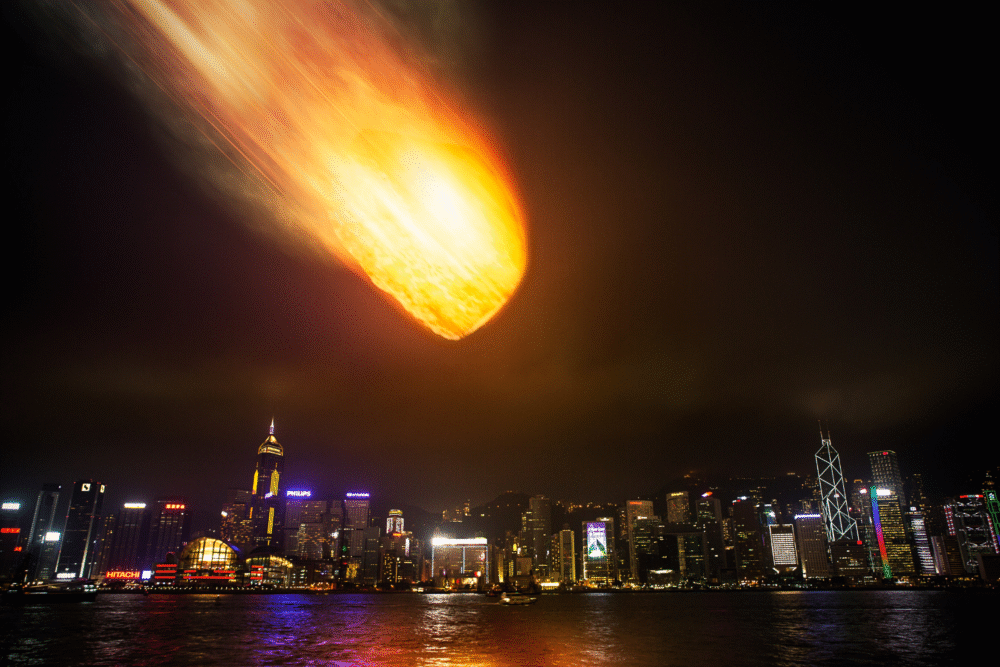
Scientists are using advanced simulations and global mapping data to determine which regions would take the first hit if a large asteroid struck Earth. Although the odds of a catastrophic impact are extremely low, experts say preparation is essential. Using models that factor in speed, size, and entry angle, researchers can estimate where an asteroid would most likely land—and how shockwaves, tsunamis, and debris fallout would spread. The findings reveal how geography and ocean depth could shape global consequences.
1. Scientists Are Mapping Potential Impact Zones
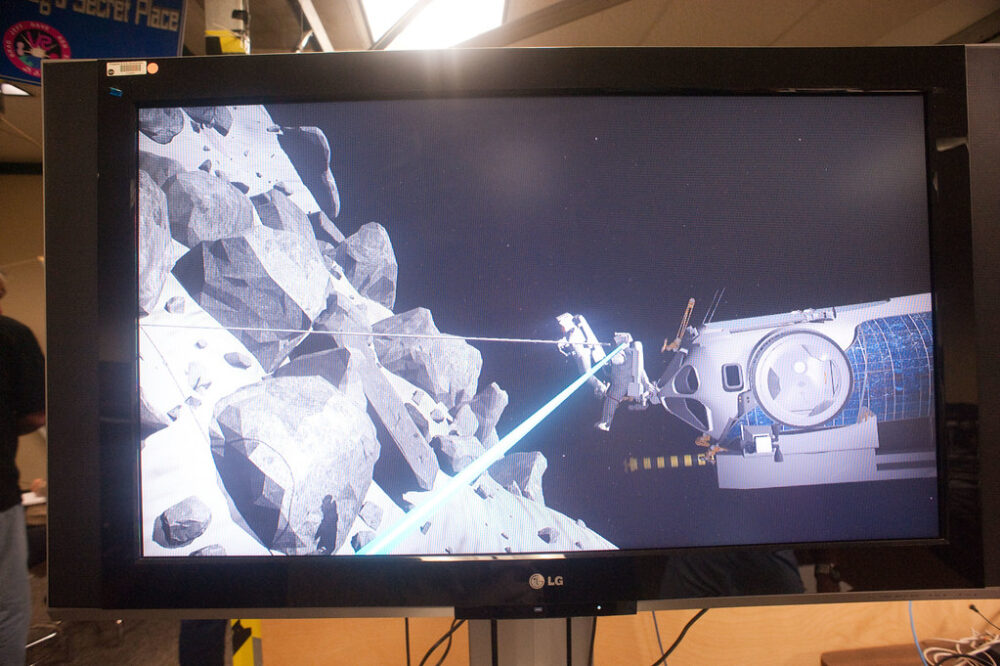
NASA’s Planetary Defense Coordination Office, along with international research teams, runs computer models that simulate what would happen if an asteroid of various sizes entered Earth’s atmosphere. The goal is to better understand how energy would disperse upon impact and how geography would influence the outcome.
These simulations use known asteroid data and real orbital mechanics to test different impact angles and speeds. By modeling thousands of scenarios, scientists can pinpoint which regions are more likely to experience first contact or secondary effects.
2. The Ocean Is the Most Likely Impact Site

With more than 70% of Earth covered by water, an asteroid is statistically most likely to hit the ocean. While that might sound safer than a land strike, the results could still be devastating.
A large ocean impact would displace billions of tons of water, triggering massive tsunamis. These waves could travel across entire ocean basins, striking coastal regions thousands of miles away. Even mid-sized asteroids—around 300 meters wide—could send waves reaching hundreds of feet high toward shorelines.
3. Coastal Areas Would Suffer the First Major Effects
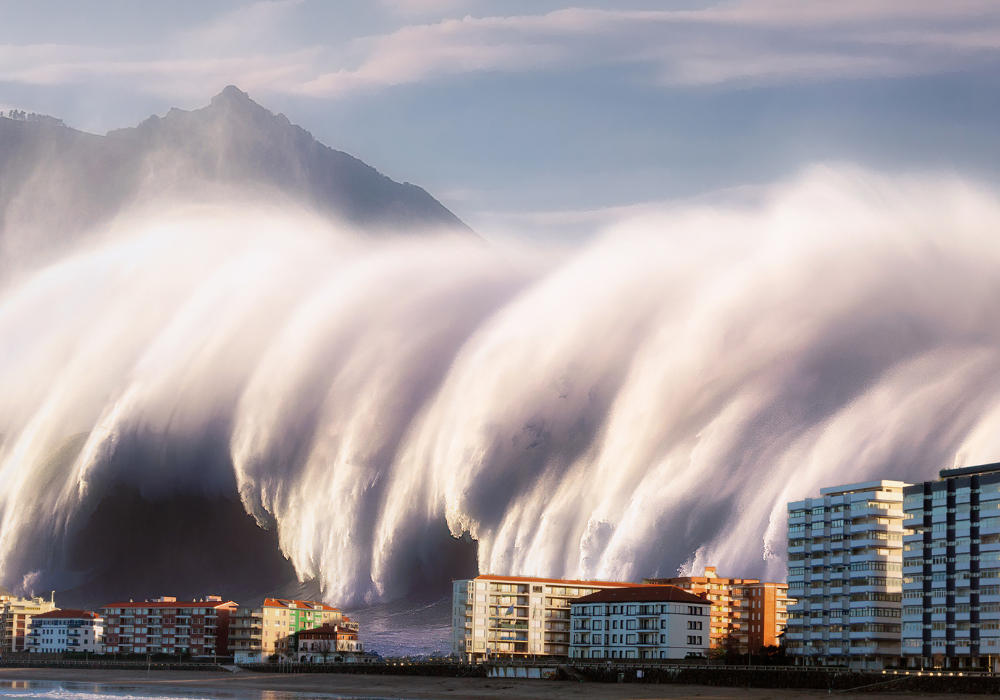
If an asteroid were to strike the sea, coastal regions would take the first and most severe hit. Cities such as Miami, Bangkok, Shanghai, and Rio de Janeiro are especially at risk because of their low elevations and dense populations.
Computer models show that tsunamis from an ocean impact could reach coastlines within hours, flooding areas far inland. The greatest danger would come from wave height, surge force, and floating debris, which could cause widespread infrastructure collapse and long-term contamination.
4. Atmospheric Entry Determines the Damage Zone

The angle and speed at which an asteroid enters Earth’s atmosphere can drastically alter the location and severity of its impact. A shallow entry can cause an asteroid to break apart, spreading energy over a wide area, while a steep entry delivers a concentrated shockwave.
In both cases, the explosion releases immense heat and pressure. If a large asteroid enters at the right trajectory, it could flatten hundreds of square miles before even hitting the ground, similar to what happened in the 1908 Tunguska event in Siberia.
5. Land Impacts Would Be Catastrophic but Less Common
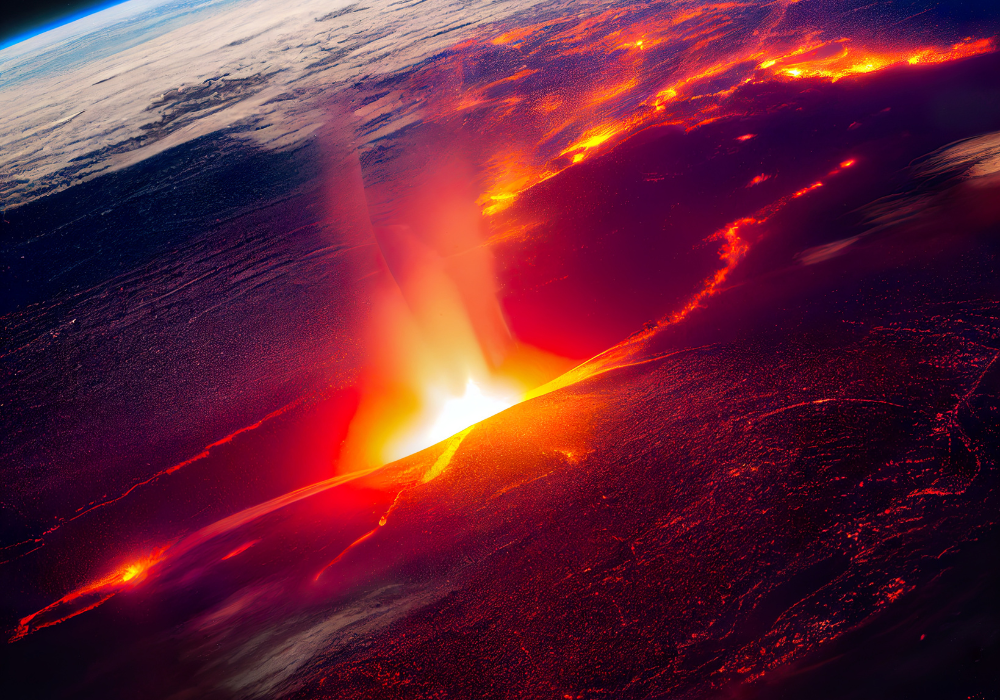
Direct land strikes are far rarer than ocean impacts, but they produce far more localized destruction. Depending on its size, a land impact could generate craters several miles wide and cause massive earthquakes, fires, and global dust clouds.
Scientists say even a one-kilometer-wide asteroid hitting land could inject enough dust into the stratosphere to alter global temperatures for years. That kind of event hasn’t happened since the Chicxulub impact 66 million years ago—the one that helped end the age of dinosaurs.
6. The Pacific Rim Is Considered a High-Risk Region
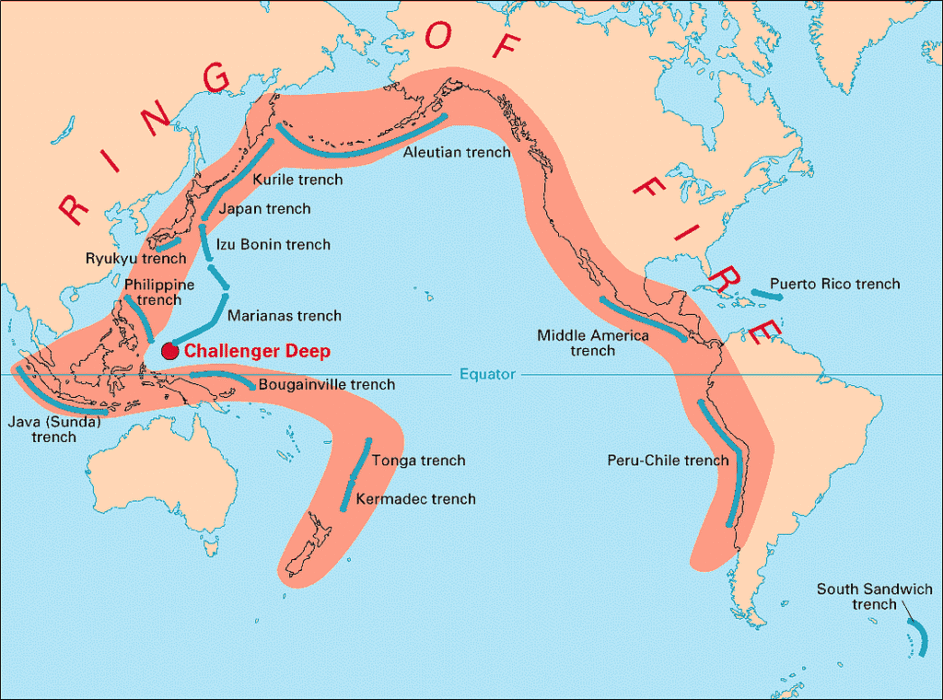
Because of its vast area and active tectonic zones, the Pacific Ocean is often modeled as the most probable impact region. The so-called “Ring of Fire,” which includes countries like Japan, Indonesia, and the western U.S., could experience severe secondary effects.
A strike here would generate massive waves and trigger seismic activity along existing fault lines. Coastal nations in the Pacific Rim conduct regular tsunami and disaster drills to prepare for such low-probability but high-consequence events.
7. The Atlantic Basin Could Amplify Tsunami Impact
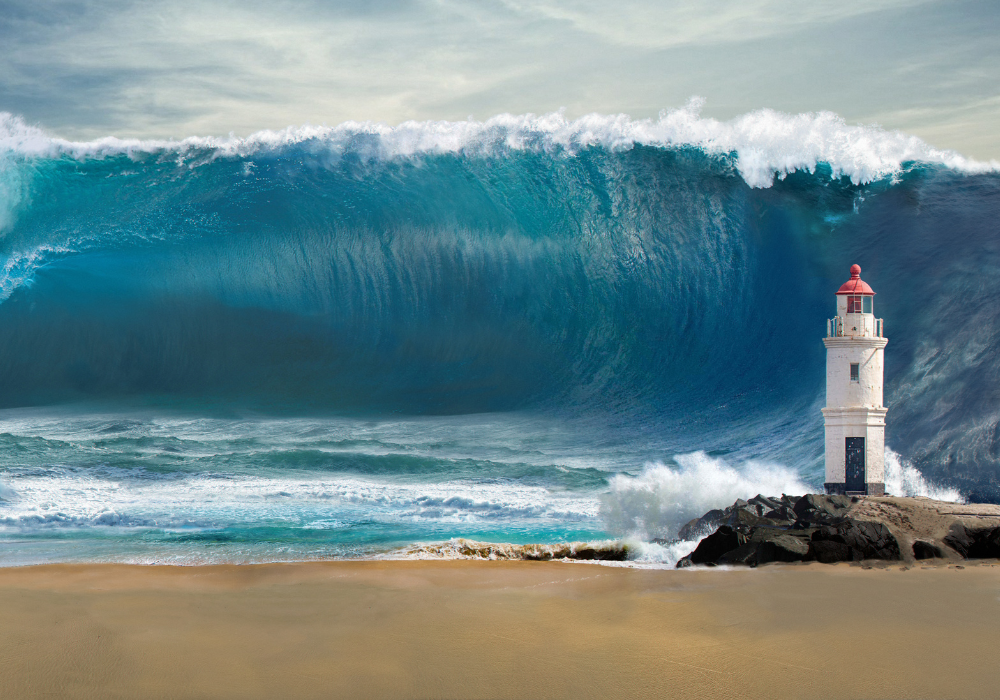
An asteroid hitting the Atlantic Ocean could produce devastating effects on both sides of the ocean. Because it is narrower than the Pacific, waves generated by an impact could reach opposite continents in less time.
European and North American coastlines would likely experience simultaneous tsunamis, overwhelming defenses from Portugal to the U.S. East Coast. Scientists estimate that waves from a mid-ocean impact could exceed 100 feet upon landfall, posing extreme risk to coastal populations.
8. Smaller Asteroids Still Pose a Regional Threat

While global-scale impacts are rare, smaller asteroids strike Earth’s atmosphere more frequently and can still cause major local damage. The 2013 Chelyabinsk meteor explosion over Russia, for example, injured more than 1,500 people when it detonated midair.
Such events release the energy of several hundred kilotons of TNT—enough to shatter windows and damage infrastructure over dozens of miles. Monitoring and predicting these smaller bodies is now a key focus of NASA’s planetary defense strategy.
9. The Role of Planetary Defense Missions
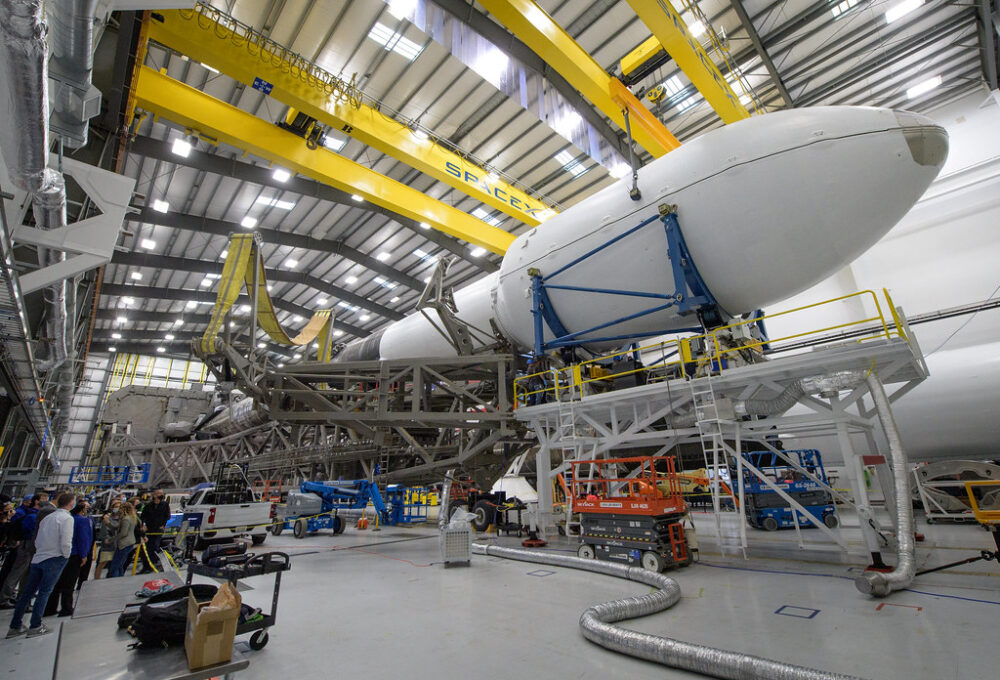
NASA and the European Space Agency are actively testing planetary defense methods to prevent potential impacts. In 2022, NASA’s DART mission successfully redirected a small asteroid named Dimorphos, proving that kinetic impact could alter an asteroid’s orbit.
Future missions will refine these techniques to protect Earth from larger objects. The goal is to identify and deflect potentially hazardous asteroids years before they come close enough to pose a threat, turning detection into prevention.
10. Global Preparedness Remains Limited
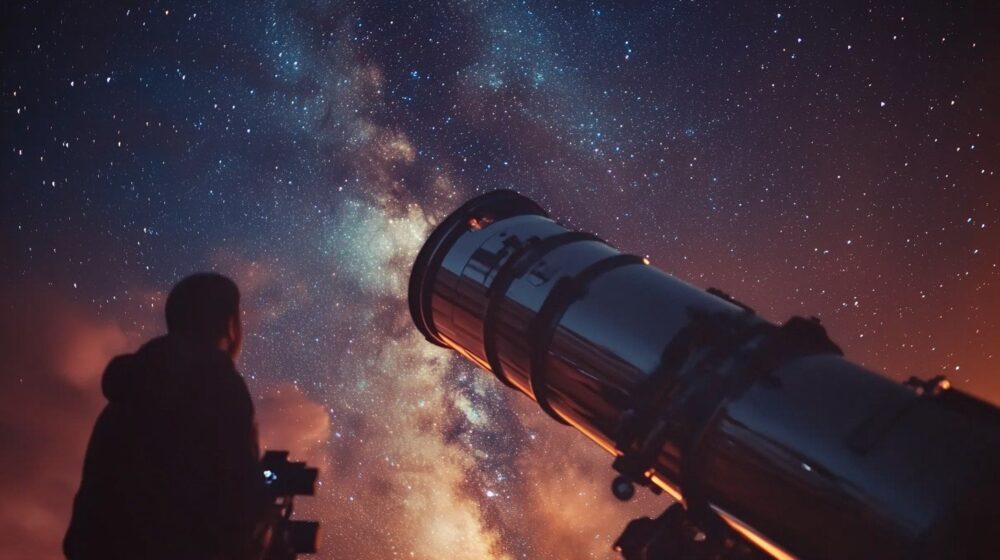
Although scientists have improved tracking and modeling, many asteroids remain undetected until they pass near Earth. NASA’s current catalog covers only a fraction of near-Earth objects larger than 140 meters.
International agencies are now calling for more ground-based and space-based telescopes to monitor potential threats. Better data and faster communication could make the difference between a controlled deflection mission and an unexpected disaster.
11. The Probability of a Major Impact Is Still Very Low
Despite the dramatic simulations, scientists emphasize that catastrophic asteroid impacts are extremely rare. Events capable of global devastation occur roughly once every few million years. Smaller but still dangerous impacts happen once every few centuries.
Earth’s atmosphere destroys most incoming space rocks before they ever reach the surface. Still, mapping possible impact zones allows researchers to understand the physics of collisions and ensure that, if a large asteroid ever approaches, humanity will be ready.