
New brain implant research is showing how electrical stimulation and AI can help restore memory function in Alzheimer’s patients.
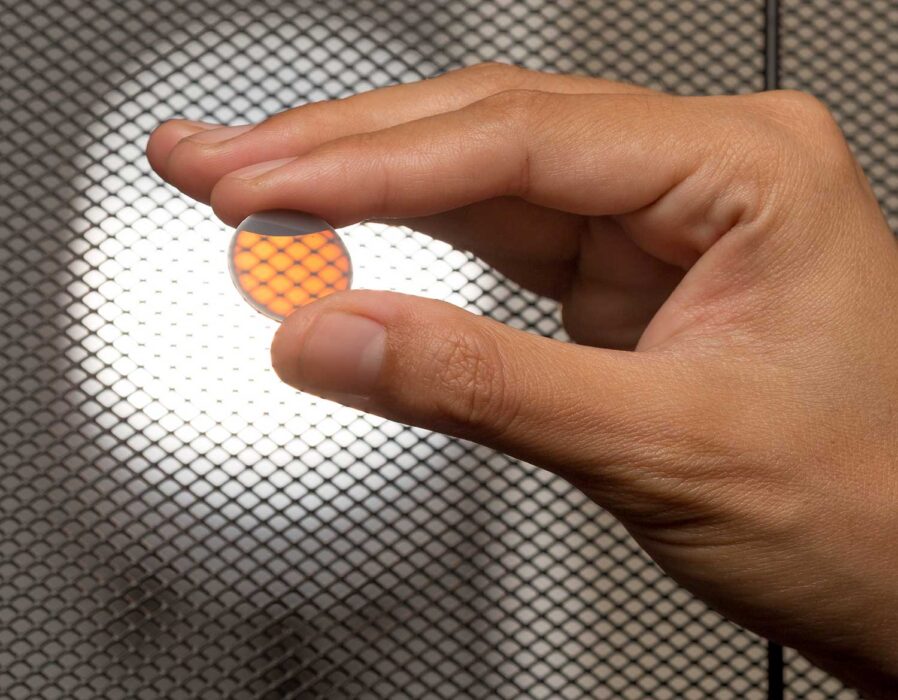
Scientists are developing brain implants designed to mimic the way healthy neurons store and retrieve memories—a breakthrough that could help Alzheimer’s patients regain what the disease has taken. Using advanced electrical stimulation and artificial intelligence, the implants record neural activity linked to memory formation and replay it when needed. Early studies have already shown improved recall in patients with memory loss, suggesting that technology may soon play a key role in reversing cognitive decline.
1. Scientists Are Teaching the Brain to Store Memories Again

Researchers are developing neural implants that mimic the brain’s own memory circuits. These devices use electrodes to record patterns of activity in regions like the hippocampus, which is essential for forming new memories. By capturing and replaying these patterns, the implants can help restore the process that breaks down in Alzheimer’s disease.
This technology works by stimulating the brain in the same way natural memory signals do, effectively “teaching” damaged neural networks to function again. It’s still experimental but represents one of the most promising advances in cognitive neuroscience.
2. The Implants Work Through Electrical Stimulation
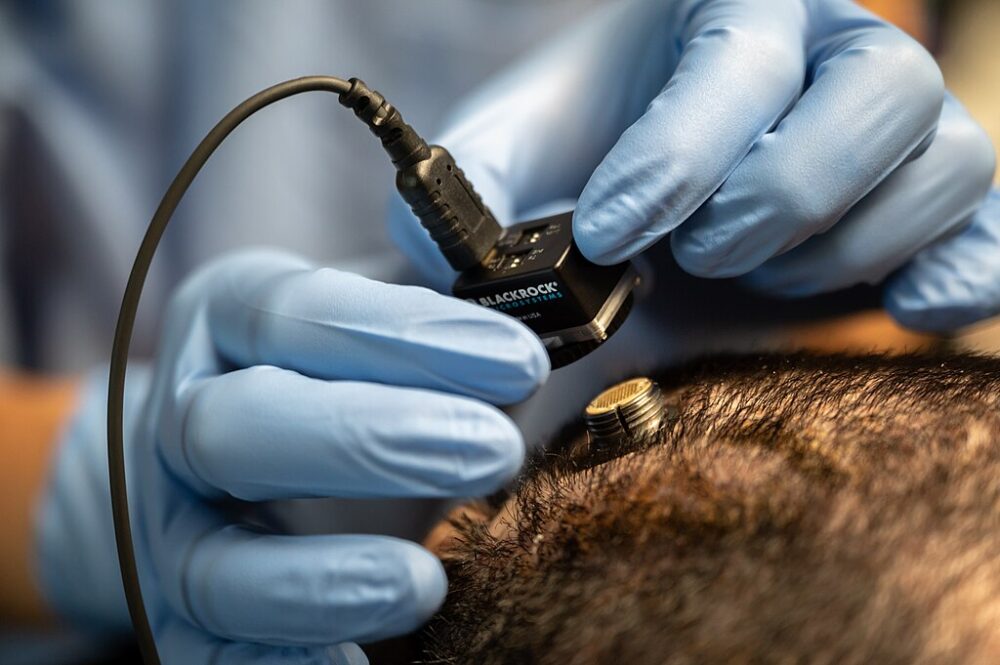
The core of this breakthrough lies in how small electrical pulses can influence brain activity. When specific neurons are stimulated in the right sequence, they can reproduce the same signal patterns that encode a memory.
Scientists have found that by delivering these pulses at the correct frequency and intensity, they can help Alzheimer’s patients recall short-term information or improve focus. Over time, the stimulation could strengthen weakened neural connections, promoting more stable memory storage.
3. Artificial Intelligence Is Helping Decode Human Memory

To make the implants work effectively, researchers use AI algorithms that learn to recognize the electrical “signatures” of memory formation. Each time a patient sees or recalls something, the brain’s unique pattern of firing neurons is recorded and analyzed.
The AI then predicts which patterns are most likely to produce successful recall and helps the implant replay them when needed. This adaptive learning approach allows the device to personalize its signals for each individual’s unique neural wiring, improving accuracy over time.
4. Early Trials Show Promising Results in Humans

Clinical trials led by teams at the University of Southern California and Wake Forest Baptist Medical Center have already demonstrated memory improvements in volunteers with mild cognitive impairment. Patients who received stimulation via memory implants performed significantly better on recall tests.
Some participants retained information for up to 35% longer compared to baseline tests. While these studies are small, they confirm that memory enhancement through direct neural stimulation is both possible and safe under medical supervision.
5. The Research Builds on Decades of Brain Mapping
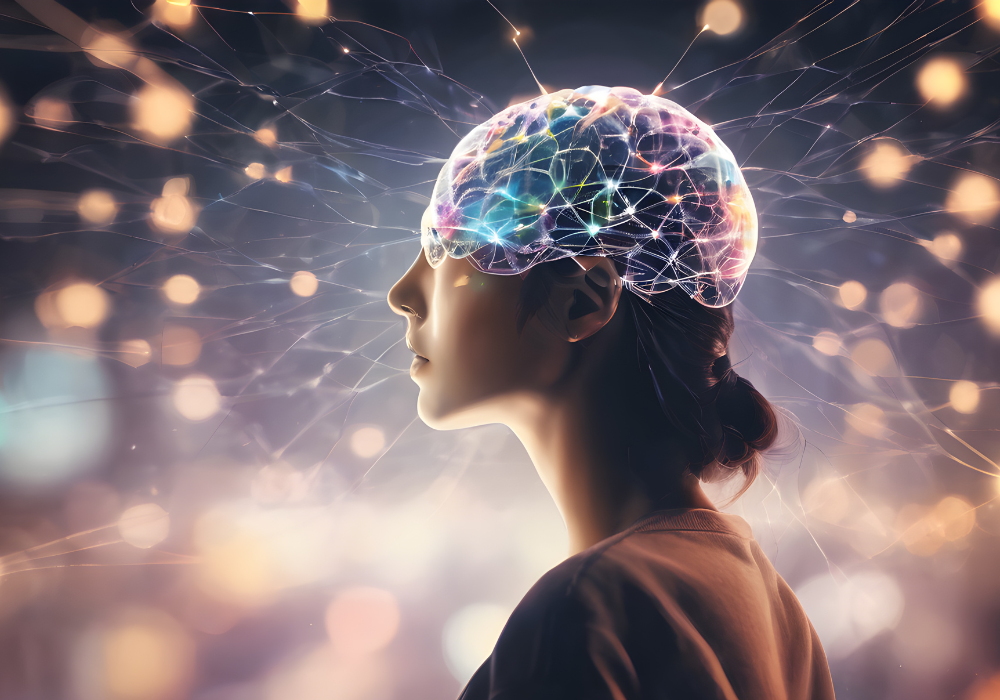
The current success of artificial memory implants stems from decades of research into how the brain encodes information. Neuroscientists spent years identifying how neurons in the hippocampus communicate to store and retrieve memories.
This mapping revealed consistent electrical patterns—essentially a “language” of memory. Once researchers learned how to translate and reproduce this language using microelectrodes, they were able to design systems capable of reintroducing those signals when natural function fails.
6. The Devices Are Already Helping Some Patients

Although still in testing, several patients with memory loss have already benefited from this technology. In controlled experiments, individuals fitted with the implant were able to remember word lists or recognize images more accurately than before.
Some reported that recalling names and daily routines became easier after treatment. While results vary, the findings suggest that restoring brain signal timing—even partially—can make a measurable difference in daily cognitive performance.
7. The Technology Could Aid More Than Alzheimer’s Patients
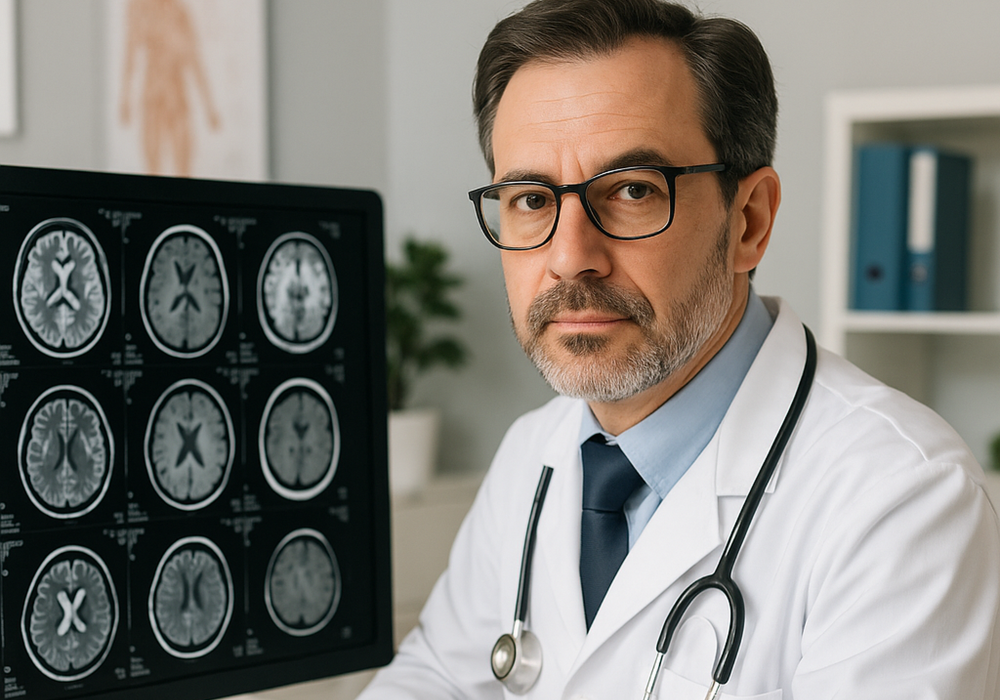
Beyond Alzheimer’s, scientists believe these implants could help people with traumatic brain injuries, stroke-related memory loss, or other neurological conditions. The same principles that restore memory patterns could, in theory, repair pathways affected by other cognitive disorders.
Future research may also explore how artificial memory systems could enhance learning or protect against age-related decline. The applications extend far beyond treatment—potentially offering new ways to strengthen the brain’s natural resilience.
8. Ethical Questions Surround Memory Manipulation

While the technology holds promise, it also raises serious ethical concerns. Editing or reintroducing memories touches deeply personal aspects of identity and autonomy. Scientists emphasize that the goal is to restore natural function, not implant false or artificial experiences.
Strict oversight ensures that all research adheres to medical ethics and privacy protections. Experts are already developing guidelines to prevent misuse and to ensure the technology is used only for medically approved, therapeutic purposes.
9. Implants Must Overcome Safety and Scalability Challenges
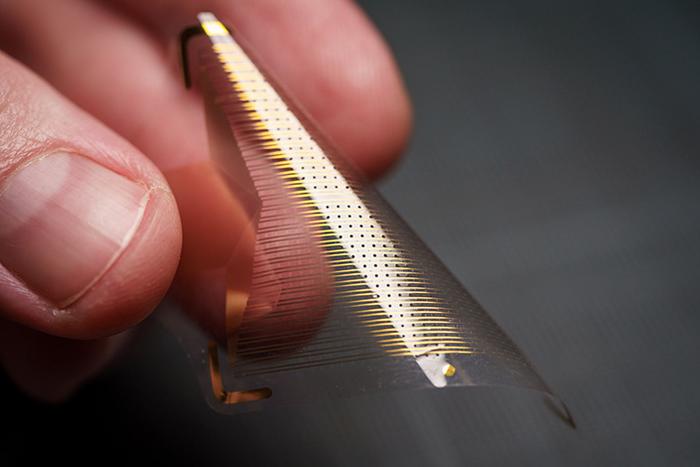
Current memory implants require surgical implantation and careful calibration, limiting their availability. The risk of infection, tissue damage, or long-term inflammation remains small but significant.
Researchers are exploring less invasive delivery methods, such as wireless or nanoscale electrodes, that could safely interact with neurons without open surgery. Developing reliable, long-lasting systems that can adapt to individual patients remains one of the field’s biggest engineering hurdles.
10. Researchers Hope to Combine CRISPR and Neural Tech
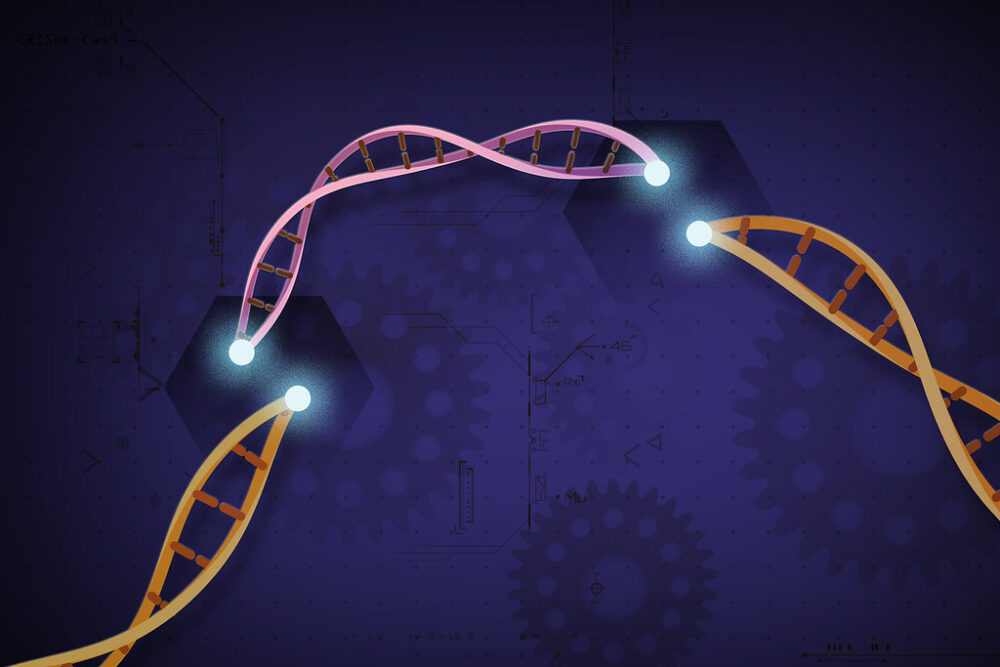
Future versions of these devices may integrate gene-editing technologies like CRISPR to enhance neuron repair. By combining electrical stimulation with molecular restoration, scientists hope to both repair and rewire damaged circuits in Alzheimer’s patients.
This dual approach could slow or even halt the progression of neurodegeneration. Although still theoretical, early animal studies show that combining neuroprosthetics with genetic therapy could produce longer-lasting improvements in brain health.
11. The Brain Appears More Adaptable Than Once Thought
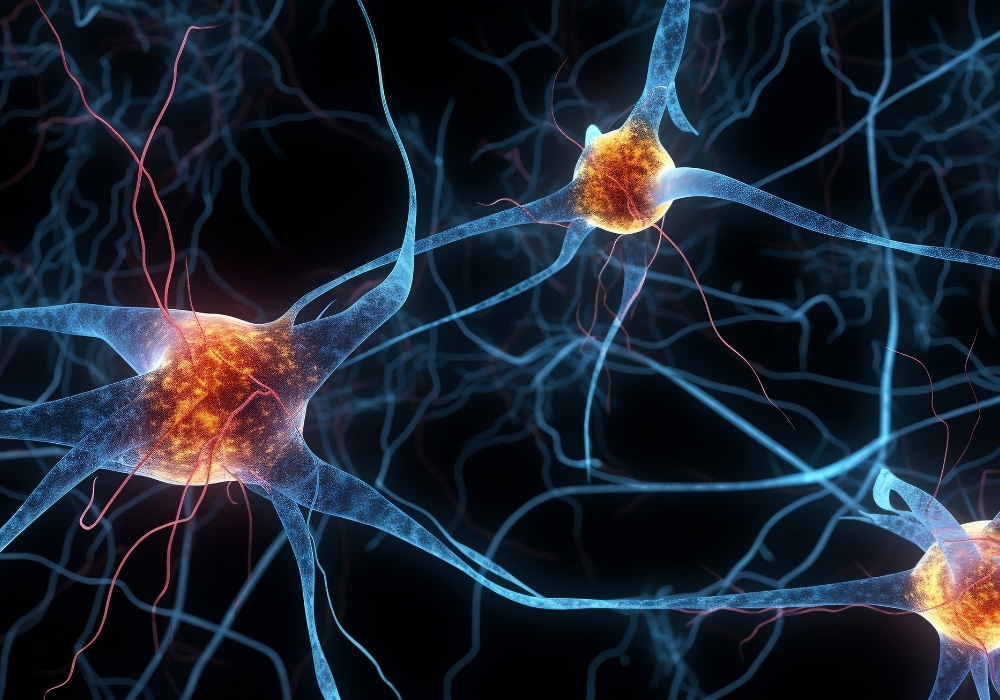
The success of artificial memory research underscores the brain’s remarkable plasticity—its ability to reorganize and adapt even after severe damage. When stimulated correctly, neurons can form new pathways that replicate lost functions.
This adaptability gives scientists hope that even advanced Alzheimer’s cases may one day regain partial memory function. Every successful trial strengthens the idea that cognitive decline is not always irreversible and that technology can help the brain heal itself.
12. Artificial Memories Offer Hope for a Forgotten Past
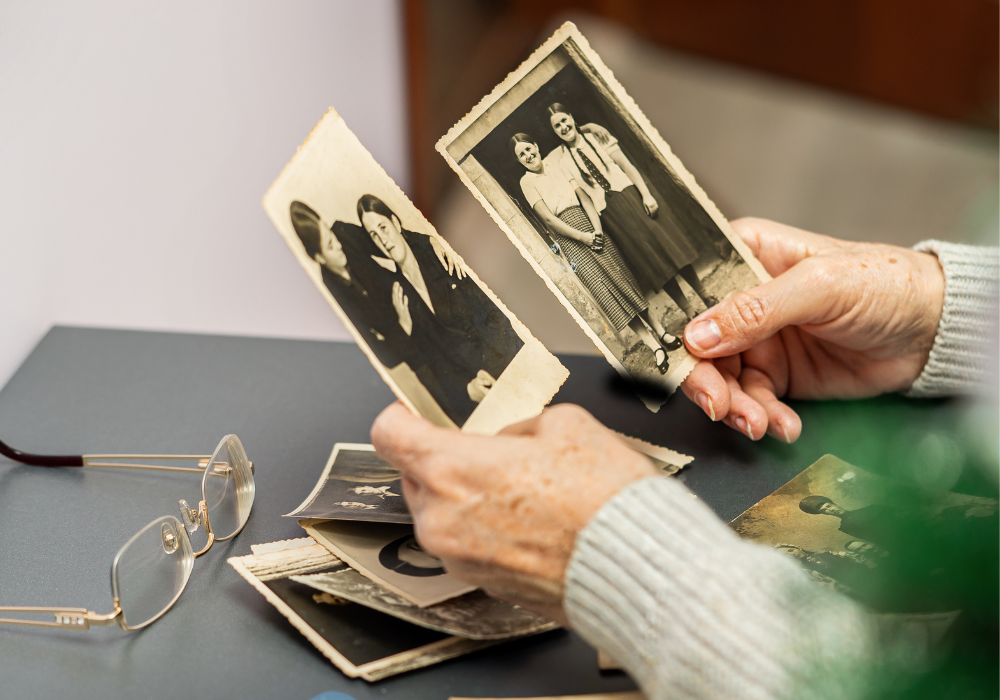
For millions living with Alzheimer’s and dementia, the idea of restoring memory offers profound emotional significance. Families who have watched loved ones lose their connection to the past see these advancements as a potential lifeline.
While full memory restoration remains years away, the progress is undeniable. Each breakthrough moves scientists closer to giving patients back fragments of identity, history, and independence—reminding us that even as memory fades, human innovation continues to light the way forward.