
The newly identified black hole outweighs the Sun by an estimated 30 billion times.
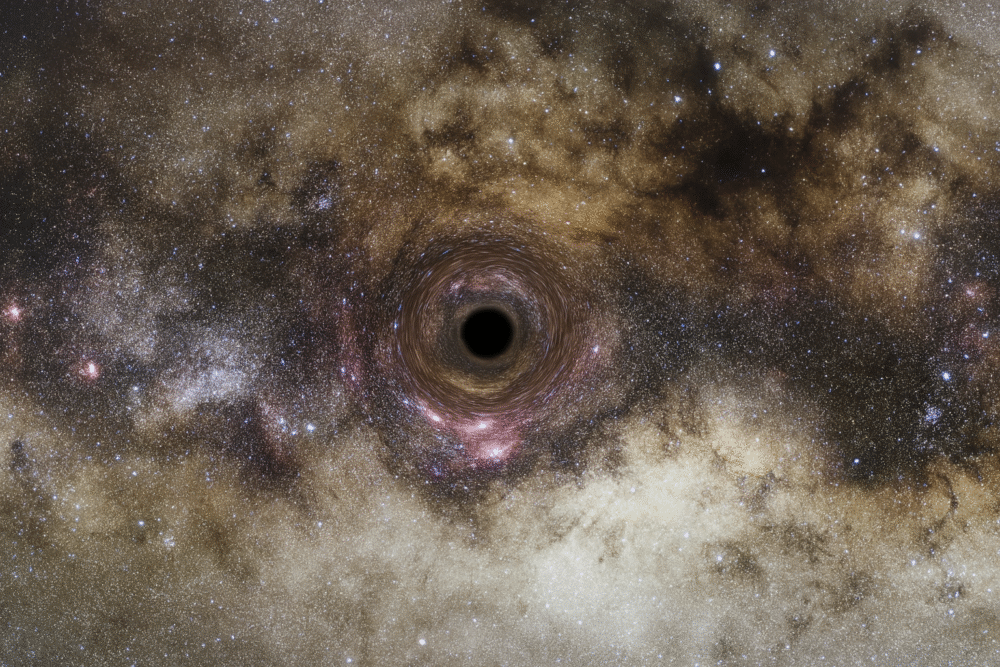
Astronomers have unveiled the largest black hole ever detected—a cosmic titan so massive it challenges existing theories of how black holes form and grow. The object, located about 2.7 billion light-years from Earth, has a mass roughly 30 billion times that of the Sun.
Using gravitational lensing, researchers could observe how the black hole’s immense gravity bends light from distant galaxies. The discovery suggests the universe may host more “ultramassive” black holes than previously believed.
1. The Discovery Was Made Using Gravitational Lensing
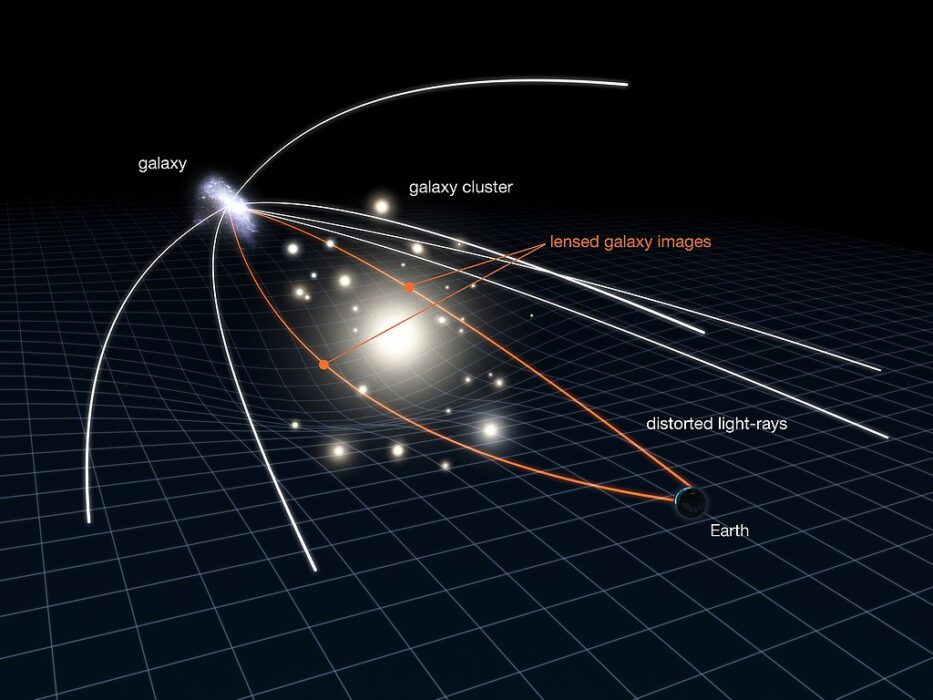
Astronomers identified this record-breaking black hole by analyzing how its intense gravity bent the light from a galaxy located behind it—a phenomenon known as gravitational lensing. This technique allows scientists to “see” otherwise invisible objects by studying distortions in light caused by massive structures.
The research team modeled the light’s path using data from the Hubble Space Telescope and detailed computer simulations. The results revealed the unmistakable signature of an extraordinarily massive black hole embedded in a distant galaxy cluster.
2. It’s Located About 2.7 Billion Light-Years Away
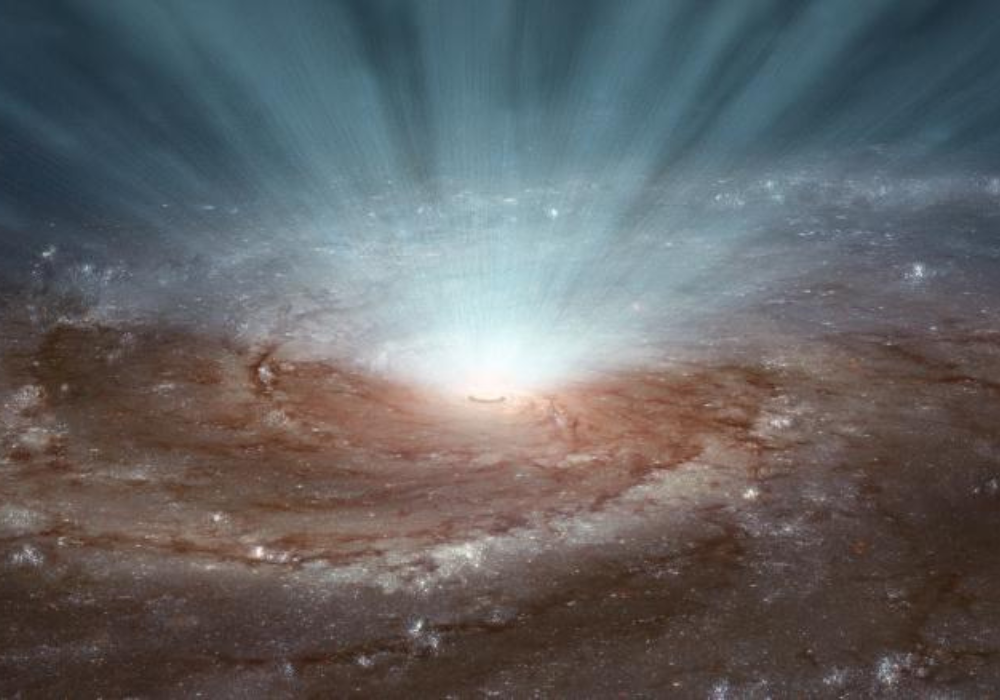
The black hole sits in the center of a giant elliptical galaxy within the Abell 1201 cluster, roughly 2.7 billion light-years from Earth. That distance means astronomers are observing it as it appeared billions of years ago, when the universe was much younger.
Studying such ancient structures helps scientists understand how galaxies and their central black holes evolved over cosmic time. It also provides clues about how the earliest and largest galaxies may have formed.
3. Its Mass Is Estimated at 30 Billion Suns
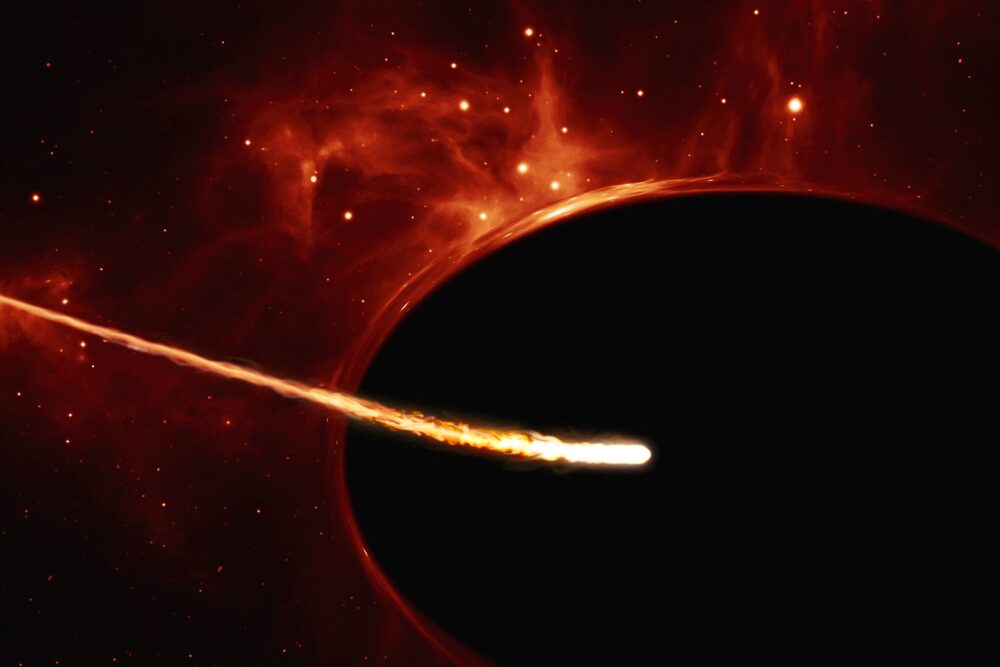
Based on the strength of the gravitational lensing effect, the black hole’s mass is estimated at around 30 billion times that of our Sun. That places it firmly in the category of “ultramassive” black holes—a class even larger than the supermassive black holes found in most galaxies.
For comparison, the black hole at the center of the Milky Way, Sagittarius A*, weighs about four million solar masses. This new discovery is nearly 8,000 times more massive.
4. Ultramassive Black Holes Are Extremely Rare
Only a handful of ultramassive black holes have been confirmed, and most lie at the centers of enormous galaxies that formed early in the universe’s history. Astronomers believe such giants are the product of repeated mergers between smaller galaxies and black holes over billions of years.
However, even with those conditions, reaching a mass of 30 billion Suns pushes the limits of known formation models, raising new questions about how fast black holes can grow and what fuels their expansion.
5. The Research Combined Space and Ground-Based Observations
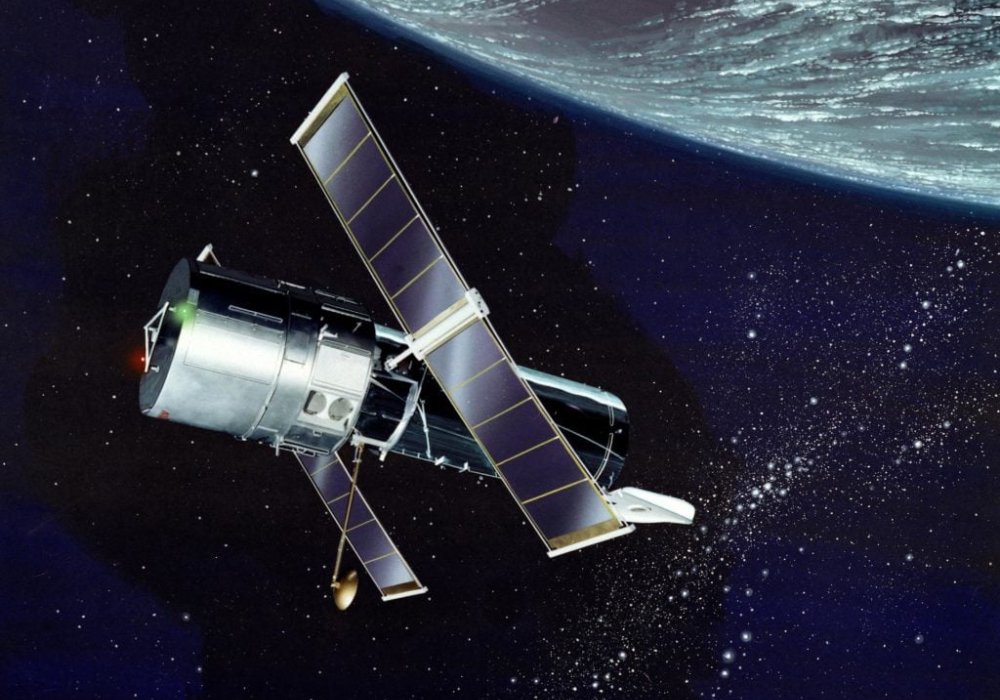
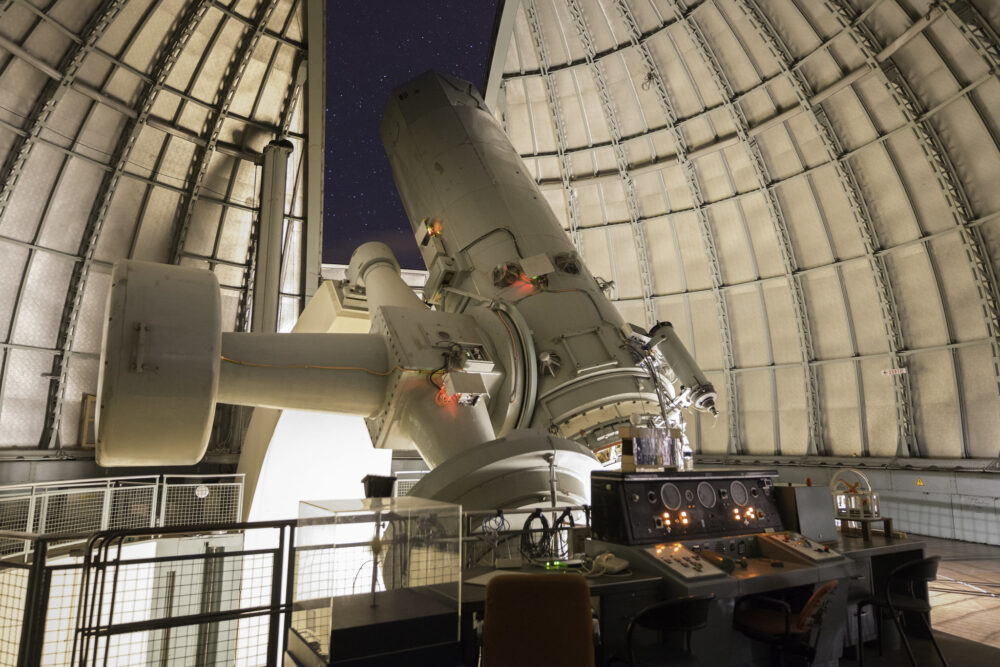
The discovery relied on data from multiple observatories, including the Hubble Space Telescope and the William Herschel Telescope in the Canary Islands. By combining optical and infrared observations, scientists were able to model the lensing effect with unprecedented accuracy.
This combination of space- and ground-based technology allowed the team to measure subtle changes in the light’s path that correspond to the black hole’s gravitational pull, confirming the presence of an ultramassive object.
6. It Challenges Theories of Black Hole Growth
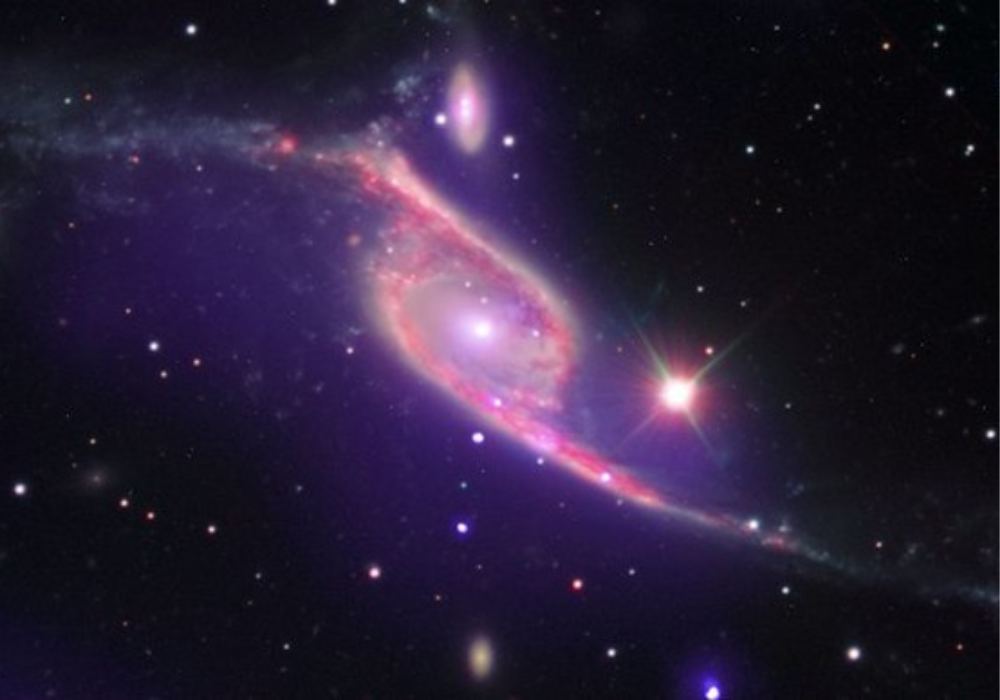
Current astrophysical models suggest that even the largest black holes should top out at a few tens of billions of solar masses, forming gradually as galaxies merge and matter accumulates. The Abell 1201 black hole sits at the upper limit—or possibly beyond—those predictions.
Its sheer size may indicate that some black holes formed differently, perhaps through the direct collapse of massive gas clouds in the early universe rather than by slow accretion or mergers alone.
7. The Host Galaxy Is Exceptionally Massive
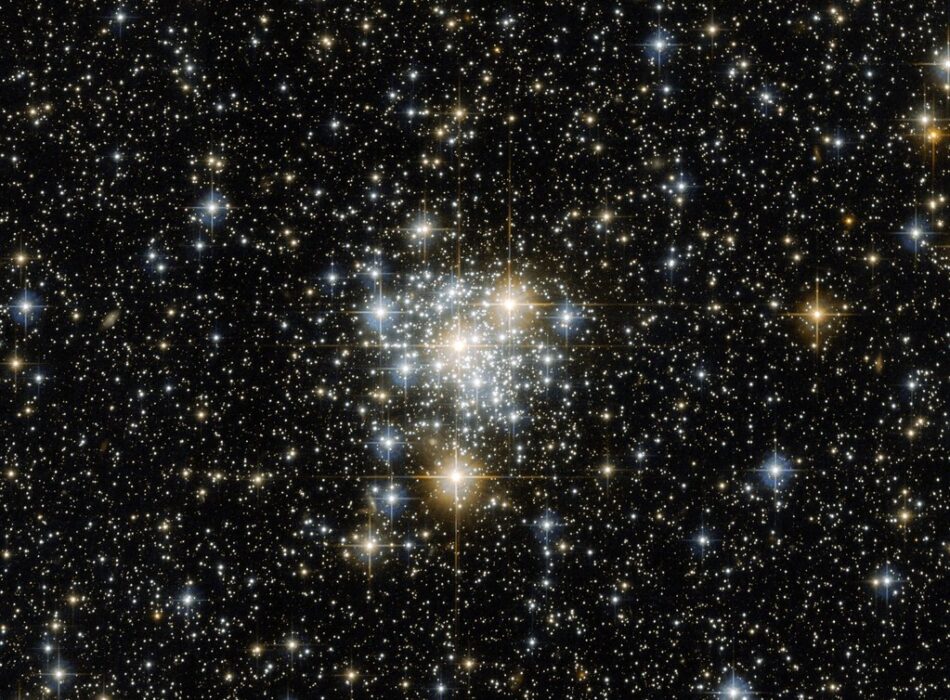
The black hole resides in the central galaxy of the Abell 1201 cluster—one of the most massive types of galaxies known, called a brightest cluster galaxy (BCG). These colossal systems typically dominate the cores of galaxy clusters and are known to host very large black holes.
By studying BCGs like this one, astronomers can explore how galaxy mass and black hole growth are connected, and whether ultramassive black holes influence the formation of the clusters around them.
8. It’s So Big That Light Struggles to Escape Its Gravitational Grip
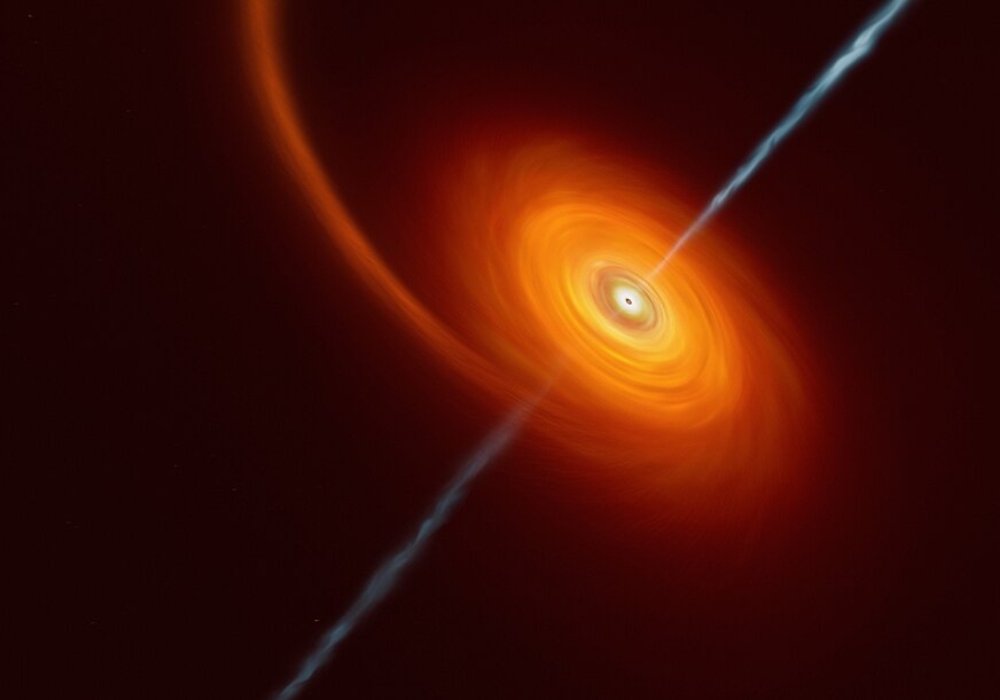
As with all black holes, this one’s gravitational pull is so strong that nothing—not even light—can escape once it crosses the event horizon. But because of its enormous mass, that horizon would extend billions of kilometers across.
If placed at the center of our solar system, the black hole’s event horizon would engulf nearly every planet out to Neptune, demonstrating just how extreme its gravitational power truly is.
9. The Discovery Could Reveal How Early Black Holes Formed
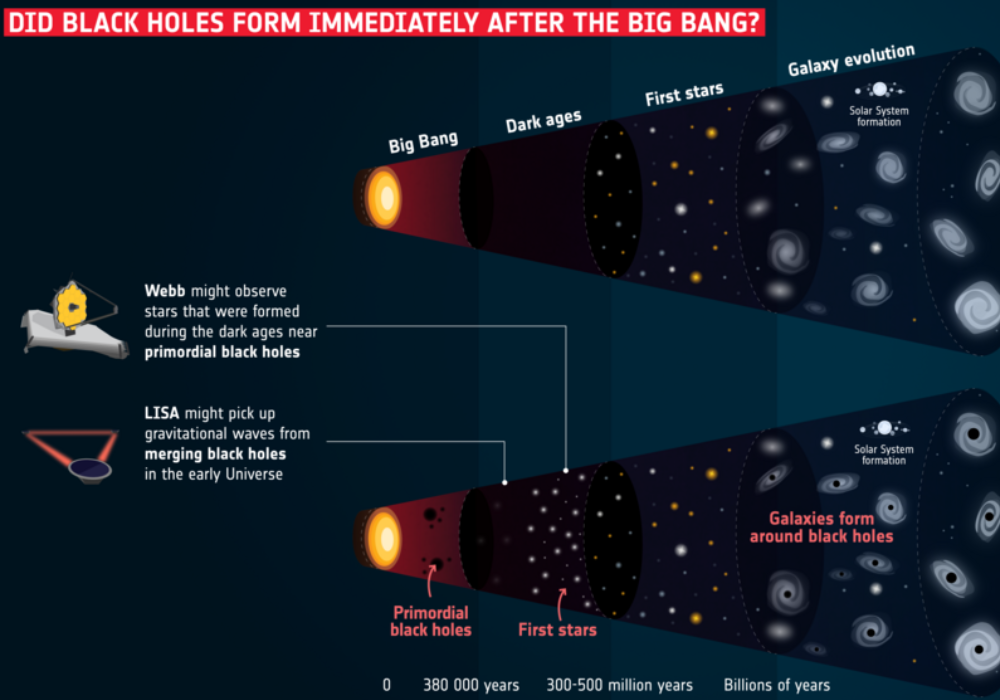
Finding a black hole of this size offers valuable insights into the early universe. Astronomers suspect that such giants may have formed just a few hundred million years after the Big Bang, when conditions allowed rapid growth from dense gas clouds.
Understanding their origins could explain how today’s galaxies—and the supermassive black holes that power quasars—evolved from the first cosmic structures billions of years ago.
10. It Builds on Decades of Observational Work
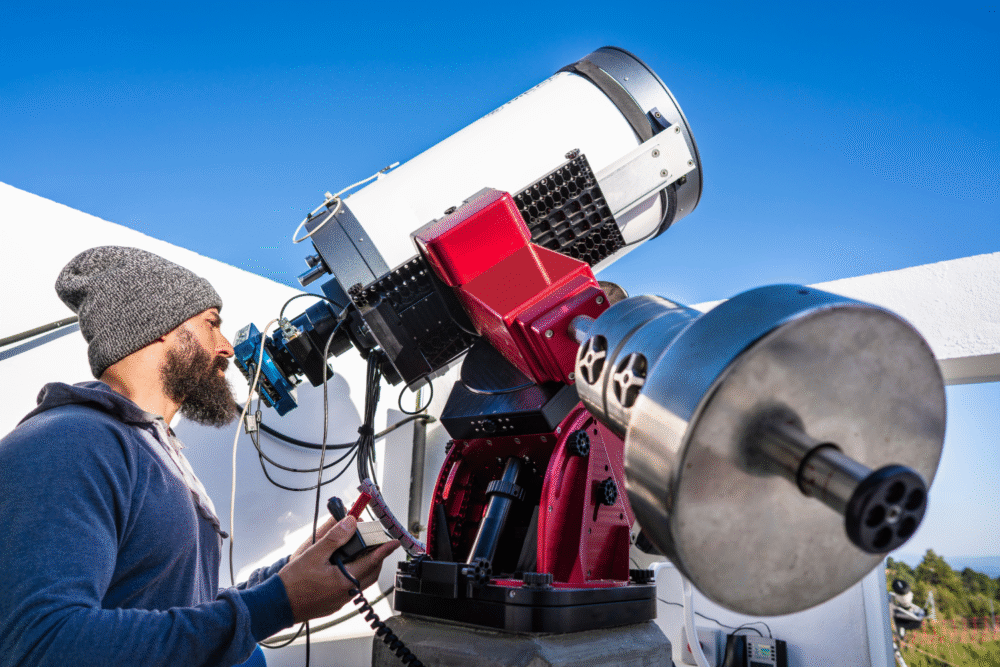
This discovery didn’t happen overnight. Scientists have been studying the Abell 1201 cluster for more than 20 years, refining models of its gravitational lensing effects. Only with advances in imaging resolution and computing power could they isolate the signal of the hidden black hole.
By reanalyzing older telescope data with new software, researchers confirmed that the gravitational distortion could only be caused by a single object with extraordinary mass—revealing the black hole’s true scale.
11. It May Be One of Many Hidden Giants
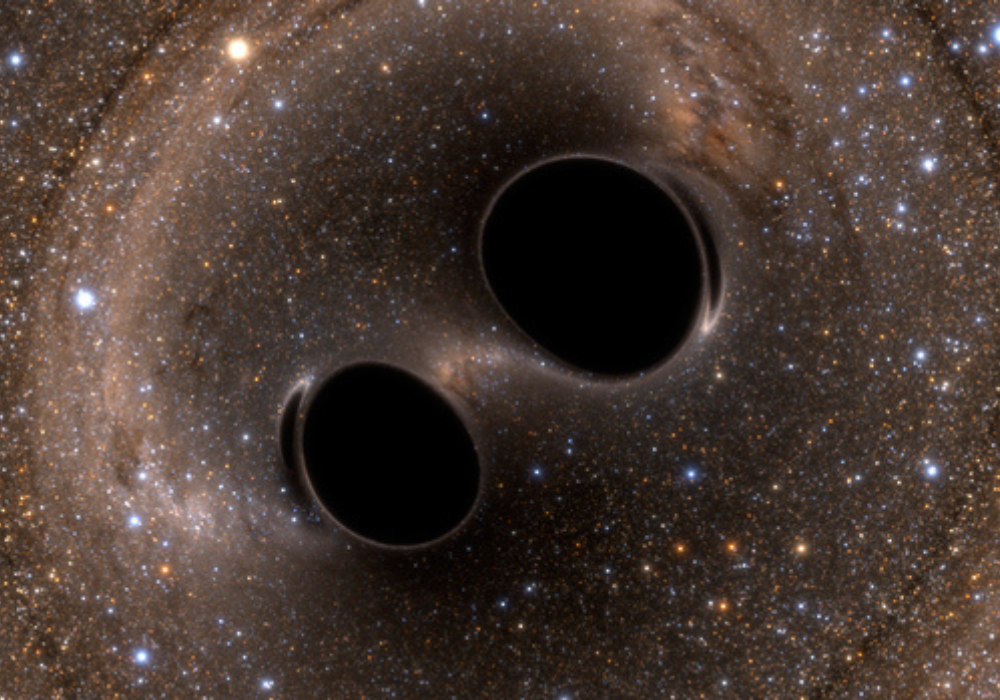
Astronomers believe this black hole could be just the first of many similar objects waiting to be identified. Because gravitational lensing is one of the few reliable methods for detecting ultramassive black holes, future surveys using next-generation telescopes like the James Webb Space Telescope and the Vera Rubin Observatory could uncover more.
Each new discovery helps refine our understanding of the relationship between galaxies and their central black holes—offering a clearer picture of how the universe’s most extreme objects shape the cosmos.