
New research shows Antarctica’s glaciers are warming and melting in the same rapid pattern seen in Greenland.
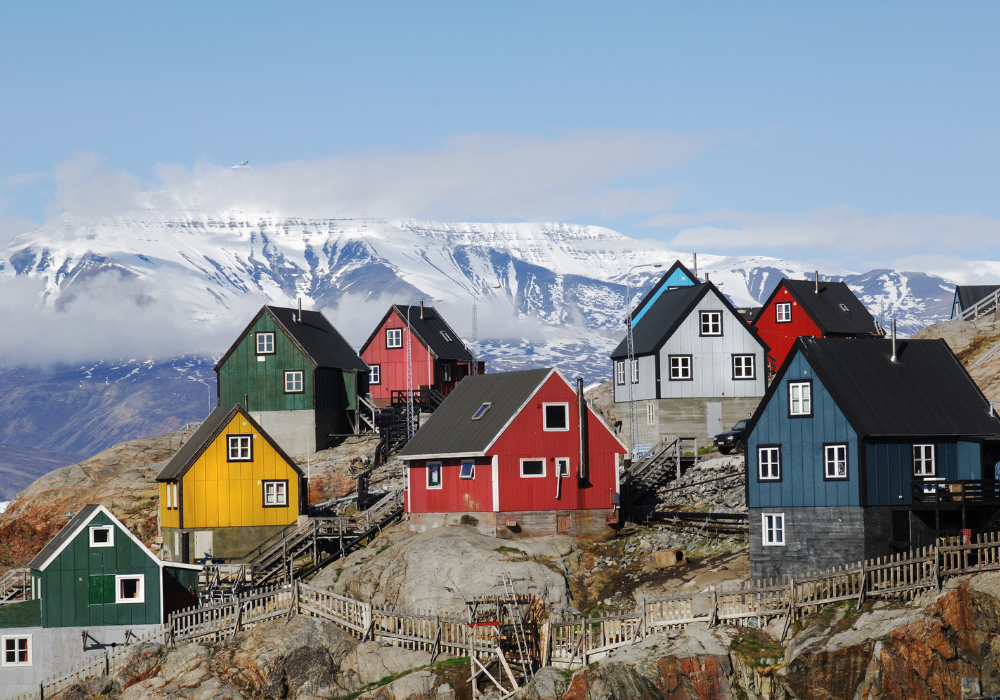
Scientists studying Antarctica’s ice sheets say a troubling transformation is underway—one that mirrors the rapid melt seen in Greenland. The new research, published in Nature Geoscience, reveals that warm ocean water is creeping beneath Antarctic glaciers, destabilizing the ice from below. This “Greenlandification” process is accelerating ice loss and could raise global sea levels far faster than previous models predicted. Experts warn the shift may mark a dangerous tipping point for the planet’s climate system.
1. What Scientists Mean by “Greenlandification”
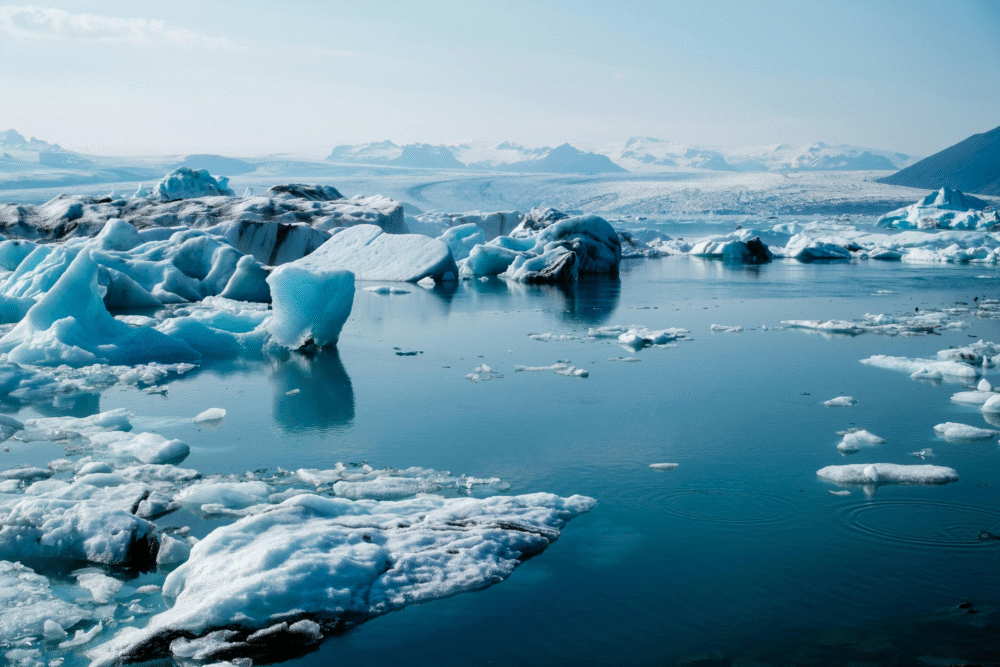
Researchers use the term “Greenlandification” to describe how Antarctica’s ice is starting to behave like Greenland’s—melting from below due to warming ocean waters instead of just surface melting. In Greenland, this process has already caused widespread ice loss and sea-level rise over the past several decades.
Now, similar signs are emerging in Antarctica, particularly in West Antarctica, where deep, warm currents are reaching the base of glaciers and eroding the ice that anchors them to the seafloor.
2. The Study That Sparked Global Concern
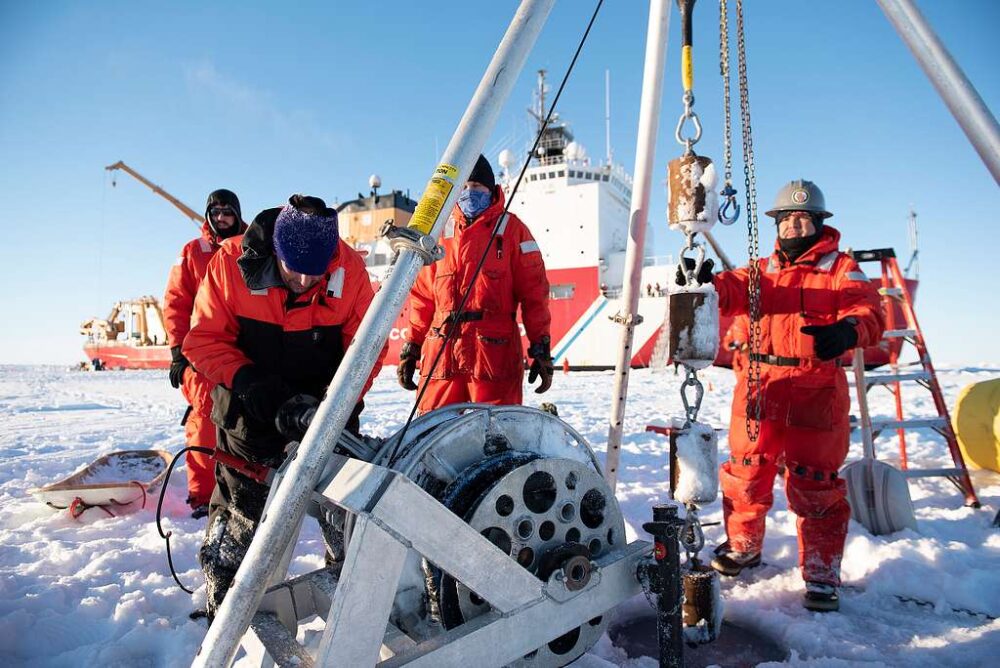
A 2025 study published in Nature Geoscience analyzed satellite radar data, ice-core records, and ocean temperature measurements from the Amundsen Sea region of Antarctica. The research showed that Antarctic glaciers are responding to ocean heat in ways identical to Greenland’s most vulnerable glaciers.
This discovery marks a major shift in understanding: Antarctica was once thought to be far more stable due to its colder climate, but now scientists see similar melt dynamics unfolding on both poles.
3. Warm Ocean Water Is the Main Driver
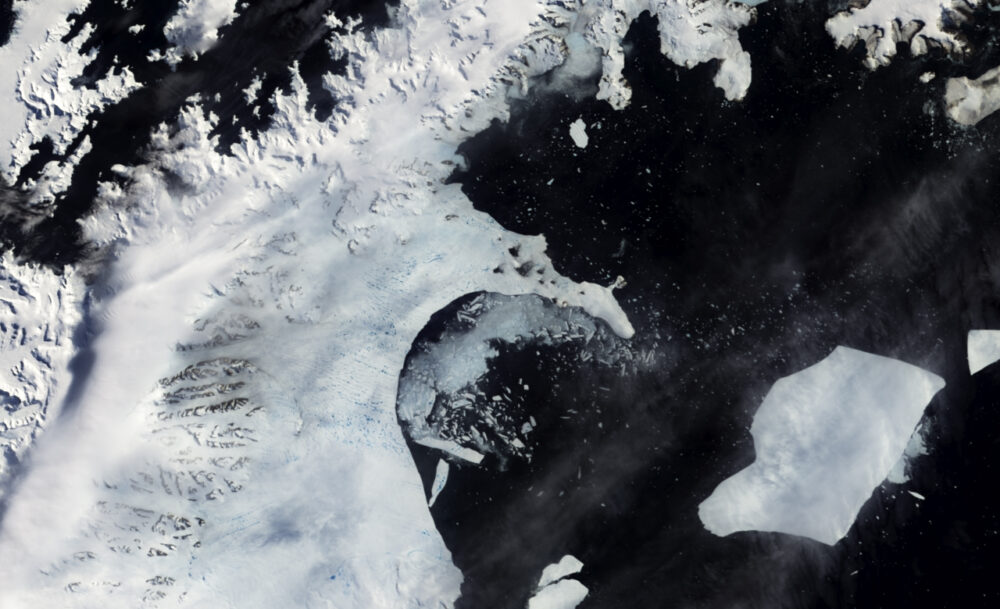
The biggest factor behind this trend is the intrusion of relatively warm circumpolar deep water—currents that are several degrees above freezing—onto the continental shelf surrounding Antarctica. These waters slip beneath floating ice shelves, melting them from below.
As these ice shelves thin, they lose their ability to hold back the land-based glaciers behind them. Once that buttressing effect weakens, glaciers can accelerate toward the sea, adding more ice to the ocean and raising sea levels.
4. The Thwaites and Pine Island Glaciers Are Ground Zero
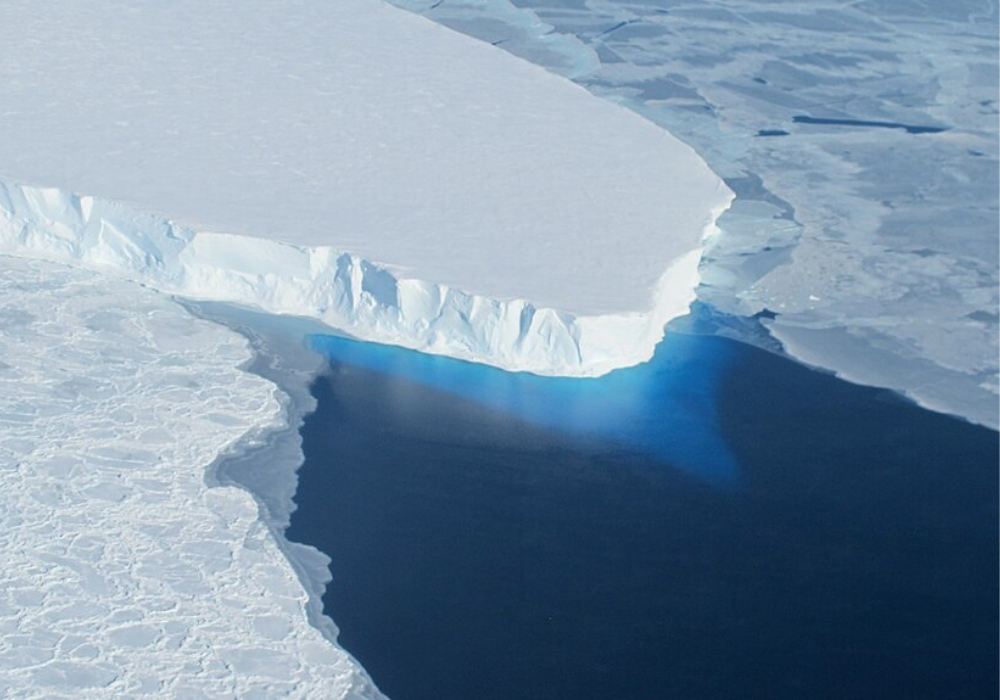
Two glaciers in West Antarctica—Thwaites and Pine Island—have become key indicators of the continent’s instability. Together, they hold enough ice to raise global sea levels by over three meters if they collapse completely.
Both are showing signs of rapid retreat and thinning caused by under-ice melting. The grounding lines, where the glaciers rest on the seabed, are moving inland faster than expected, suggesting that irreversible changes may already be underway in parts of West Antarctica.
5. Satellite Data Reveal Accelerating Ice Loss
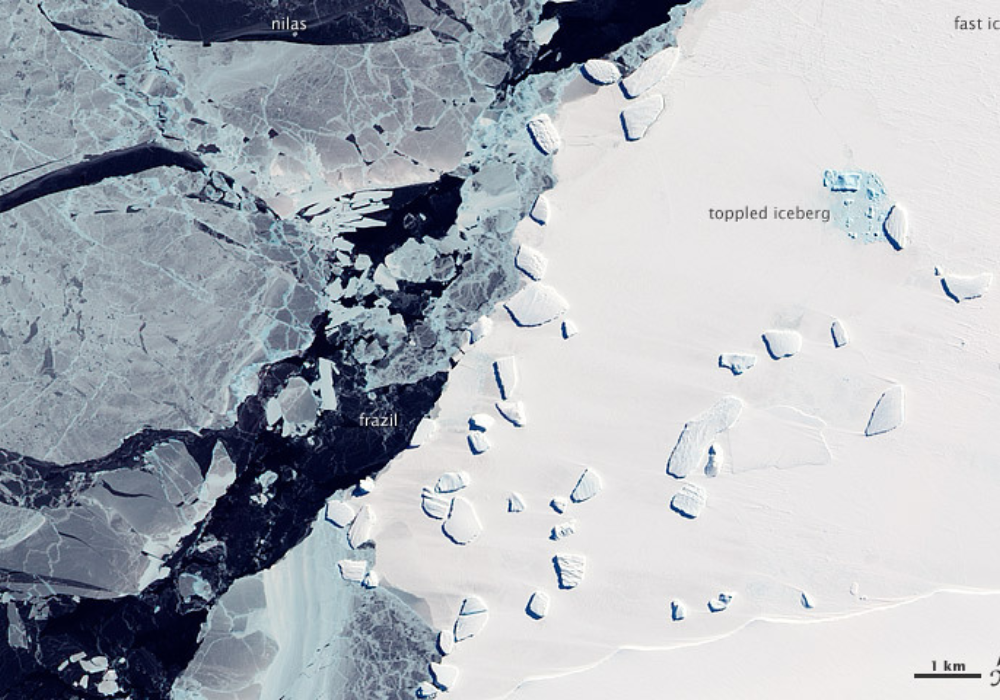
High-resolution satellite imagery from NASA and the European Space Agency shows that Antarctic glaciers are losing mass at record rates. The continent is now shedding more than 150 billion tons of ice per year—a rate that has nearly tripled since the early 1990s.
This acceleration closely resembles patterns first seen in Greenland, where meltwater and ice discharge combined to make it the single largest contributor to global sea-level rise over the past two decades.
6. Sea-Level Rise Could Exceed Earlier Projections
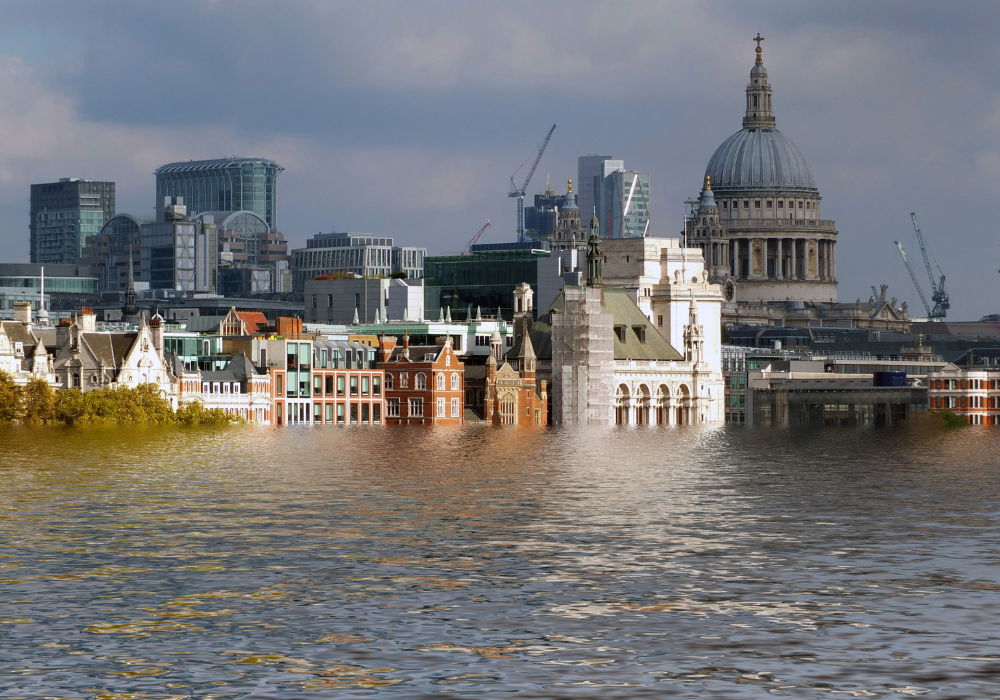
If the current trend continues, scientists warn that Antarctica could contribute significantly more to sea-level rise this century than models predicted just a decade ago. Updated projections suggest global seas could rise by one meter or more by 2100 if Antarctic ice loss accelerates.
Such an increase would threaten coastal communities worldwide, from New York and Miami to Bangkok and Lagos, affecting hundreds of millions of people and trillions of dollars in infrastructure.
7. East Antarctica Is Showing Early Warning Signs

For years, East Antarctica was considered relatively stable because of its colder climate and thicker ice. However, new observations show warming ocean currents reaching the edges of some East Antarctic glaciers, especially near the Denman and Totten regions.
While these areas haven’t yet experienced the same rapid retreat as West Antarctica, scientists caution that similar mechanisms are starting to appear—suggesting that the process of “Greenlandification” could eventually spread across the continent.
8. Melting Ice Shelves Accelerate Glacier Flow
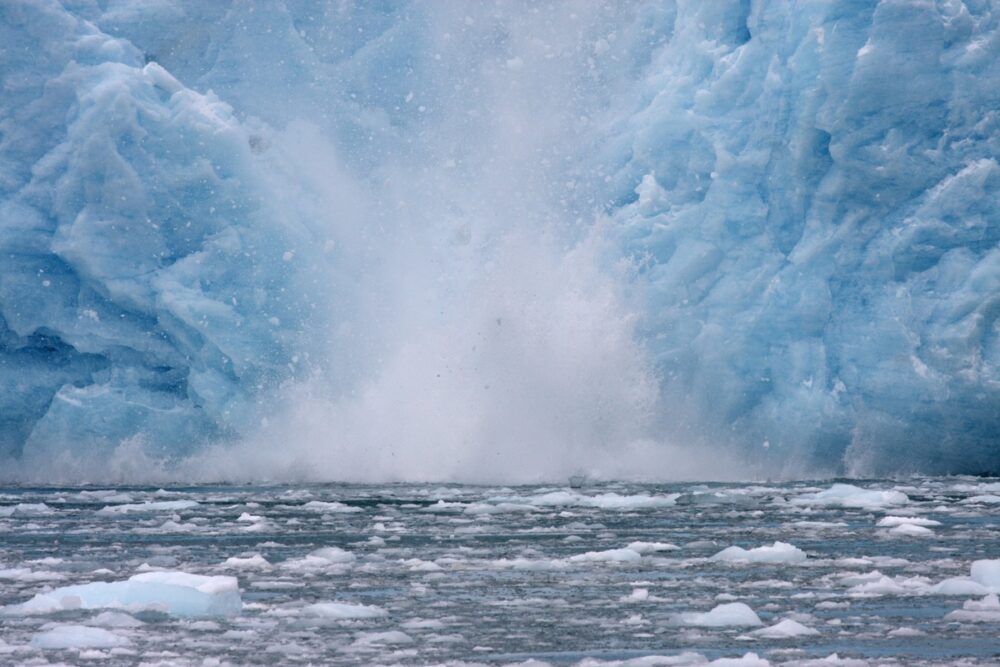
Ice shelves act like giant doorstops, holding back the flow of the glaciers behind them. When warm water thins these floating shelves from below, the grounded ice behind them begins to move faster toward the ocean.
In regions where major ice shelves like Thwaites’ have thinned dramatically, glacier speeds have increased by up to 30 percent. Once these shelves collapse completely, ice discharge into the ocean can rise exponentially, further compounding sea-level rise.
9. The Role of Atmospheric Warming

While ocean heat plays the largest role, atmospheric warming also contributes to Antarctic ice loss. Rising air temperatures increase surface melting and create melt ponds, which absorb more sunlight and accelerate the thaw.
These effects are still smaller than those seen in Greenland but are becoming more frequent. Seasonal heatwaves have recently pushed Antarctic temperatures up to 40°C above average in some regions—an unprecedented sign of the continent’s changing climate.
10. Lessons Learned from Greenland’s Past

Scientists are drawing direct comparisons to Greenland, where once-stable glaciers began collapsing after decades of subtle ocean warming. The result has been irreversible ice loss in several regions, even if global temperatures stop rising.
That history offers a warning: once Antarctic glaciers reach a similar tipping point, their retreat could continue for centuries. The parallels between the two poles show that the processes reshaping Greenland’s ice sheet are now rewriting Antarctica’s future as well.
11. Global Implications Extend Beyond Sea Levels

Antarctica’s melt affects more than just coastal flooding. The influx of freshwater into the Southern Ocean can disrupt major ocean currents that regulate Earth’s temperature and weather patterns.
If these circulation systems slow or shift, it could alter rainfall patterns, intensify storms, and even impact food production. Scientists emphasize that changes in Antarctica reverberate across the globe, influencing everything from fisheries to hurricane activity thousands of miles away.
12. Scientists Urge Swift Climate Action
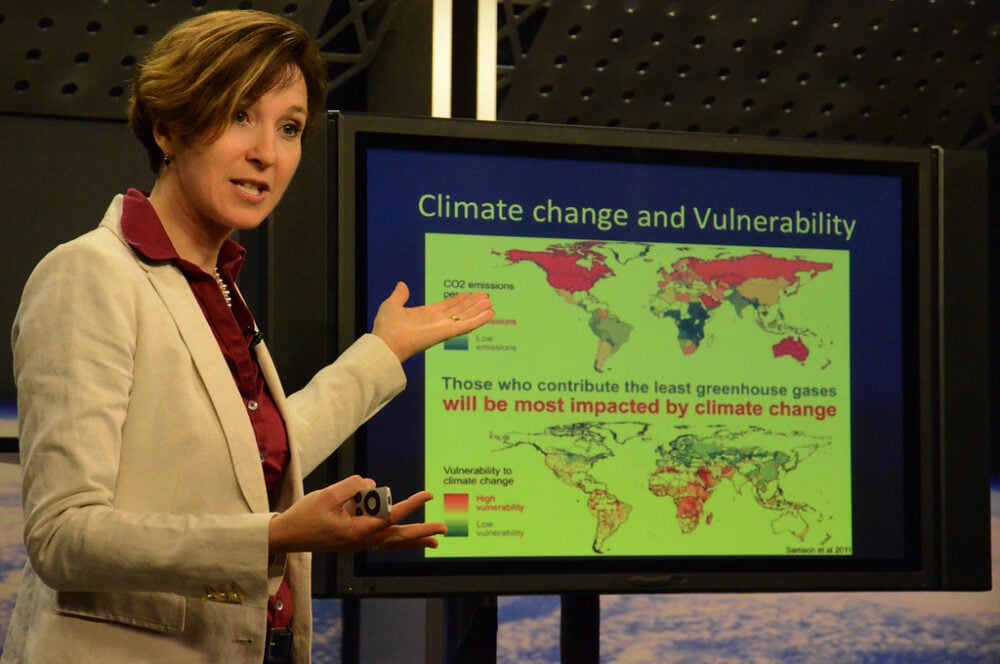
Researchers agree that slowing the “Greenlandification” of Antarctica requires immediate global reductions in greenhouse gas emissions. Even modest improvements in emission targets could limit future warming and help stabilize key glaciers.
Efforts to monitor and model Antarctic ice behavior are expanding, giving policymakers clearer data to guide decisions. But scientists stress that every fraction of a degree matters—the sooner emissions decline, the greater the chance of preserving Antarctica’s remaining ice stability for generations to come.