
Synthetic “mirror life” organisms defy natural biology—and could rewrite the rules of evolution.

Researchers are experimenting with a strange new kind of biology called “mirror life,” built from molecules that are reversed versions of those in all known organisms. These synthetic life forms might resist viruses and open doors to new medicines—but they also pose risks no one fully understands. Because they can’t interact with normal DNA, they could behave in unpredictable ways, raising tough questions about containment, safety, and the limits of scientific control.
1. What Scientists Mean by “Mirror Life”

Mirror life refers to synthetic organisms built from molecules that are the mirror image of those used by all known living things. Normal life uses what’s called left-handed (L) amino acids and right-handed (D) sugars. Mirror life reverses that pattern, creating right-handed proteins and left-handed sugars.
This switch means mirror organisms wouldn’t interact normally with natural life. They could, in theory, live alongside natural organisms but remain invisible to our enzymes, immune systems, and even many detection tools used in biology.
2. How Mirror Molecules Differ from Normal Life
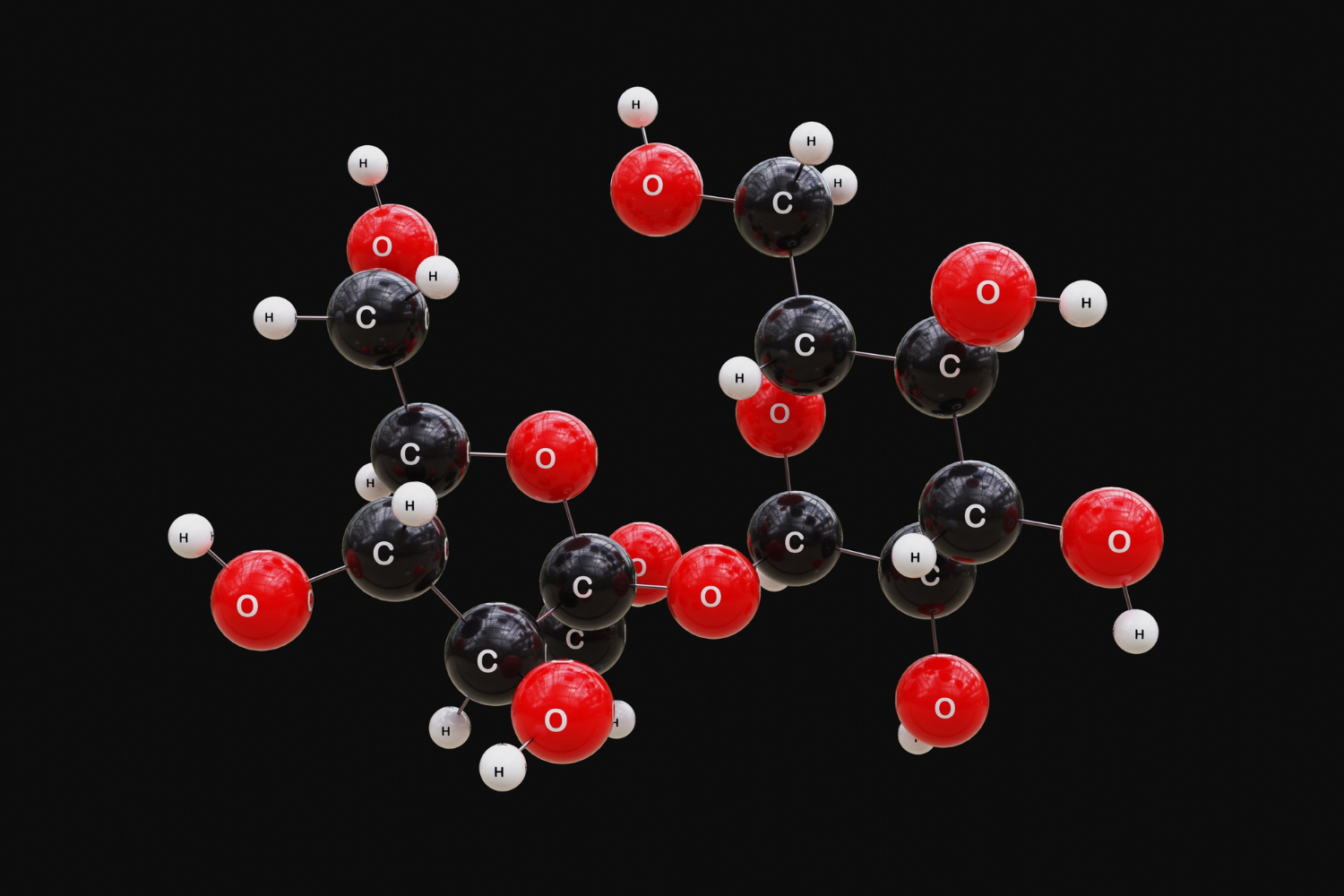
All living things share the same basic molecular “handedness,” or chirality—a property describing how molecules twist. It’s similar to how left and right hands are mirror images but can’t be superimposed.
In mirror life, this chirality is flipped. Scientists can synthesize mirror versions of key biomolecules, like DNA, RNA, and proteins, that can still function—but only with other mirror components. This complete reversal makes mirror organisms biochemically isolated from everything that evolved naturally on Earth.
3. Why Researchers Are Exploring This Technology
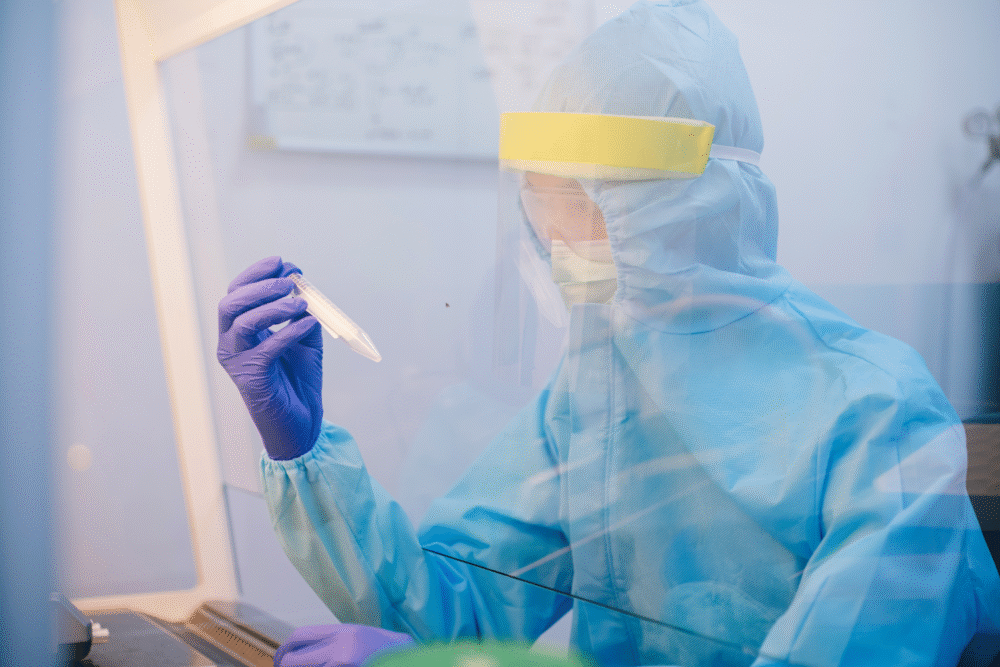
The goal isn’t to create alien life for its own sake—it’s to understand the limits of biology and chemistry. Mirror molecules could help produce drugs that resist breakdown by enzymes, or design diagnostic tools that last longer in the body.
Mirror DNA, for example, could be used in biosensors or nanotechnology, since it’s immune to natural degradation. Understanding these systems also helps scientists test theories about how life first arose and why nature “chose” one molecular handedness over the other.
4. The Potential Benefits of Mirror Biology

Mirror molecules have exciting applications in medicine and materials science. Because mirror proteins can’t be digested by ordinary enzymes, they could lead to longer-lasting pharmaceuticals that aren’t easily broken down in the body.
Researchers also hope to use mirror biochemistry in synthetic biology—creating safe “closed systems” that don’t mix with natural life. In theory, this could make engineered microbes more secure, since they couldn’t exchange genes with normal organisms or survive if released into the environment.
5. The Risks That Have Scientists Concerned

The main fear is unpredictability. Because mirror organisms wouldn’t interact with normal biology, any accidental release might go undetected by standard lab tests. If they found a niche environment with mirror nutrients, they could reproduce unchecked.
Although there’s no evidence this has happened, experts argue that our limited understanding of their behavior makes containment crucial. Even simple mirror molecules could interfere with biological assays or ecosystems in unexpected ways, so researchers advocate for strong safety protocols.
6. Why Natural Life Chose Only One “Handedness”

Every living cell on Earth uses the same molecular orientation—L-amino acids and D-sugars—a mystery that dates back billions of years. Scientists don’t yet know why nature chose this pattern, but it likely emerged by chance and was locked in through evolution.
Studying mirror life could reveal how fragile that balance really is. If reversed biochemistry can function just as well, it challenges assumptions about what defines life and how easily it might arise under different conditions, even on other planets.
7. Could Mirror Life Exist Naturally Somewhere?

It’s possible that mirror life could have evolved elsewhere in the universe. Planets or moons with different chemical environments might favor right-handed amino acids and left-handed sugars.
So far, there’s no evidence that mirror life exists naturally on Earth or beyond it. Still, understanding how it might form helps astrobiologists recognize truly alien life if it’s ever discovered—life that may look familiar under a microscope but operate on completely opposite chemistry.
8. What Makes Mirror Life Hard to Detect
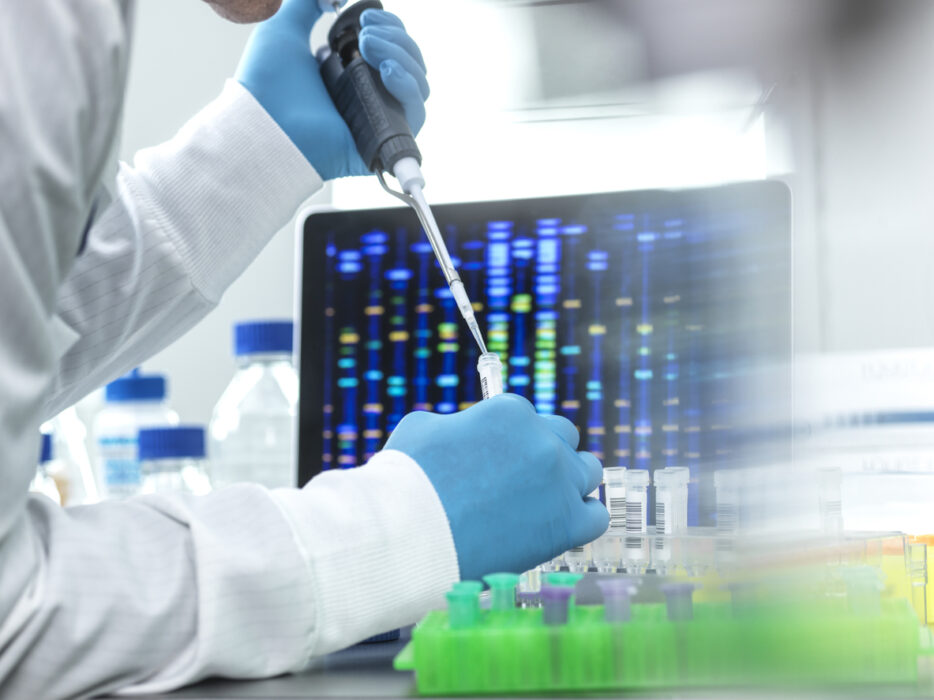
Because natural enzymes and sensors can’t bind to mirror molecules, detecting them would require custom-built tools. Standard DNA sequencing, for instance, wouldn’t recognize mirror DNA strands.
That means mirror life could potentially exist undetected in controlled environments if scientists weren’t explicitly testing for it. Researchers are developing new instruments that can analyze chirality directly—essential for ensuring safety in labs studying reversed molecular systems.
9. The Ethical Debate Around Synthetic Life

The rise of mirror life research has reignited debates over synthetic biology—how far humans should go in creating or redesigning living systems. Many scientists support strict international oversight before such organisms are made self-replicating.
Critics worry about “dual-use” risks, where powerful tools developed for medicine could be misused. Proponents counter that responsible research, transparency, and containment policies can allow innovation without compromising environmental or public safety.
10. What Would Happen if Mirror Life Escaped a Lab
If mirror organisms ever escaped into the wild, they wouldn’t likely infect humans or animals since their molecular structures can’t interact with normal biology. However, they could still alter environments chemically if they metabolized mirror nutrients or affected soil or water chemistry.
Experts emphasize that this scenario is theoretical, not observed. Labs handling synthetic mirror molecules already use advanced containment measures similar to those used for genetically modified organisms and pathogens, minimizing the chance of uncontrolled release.
11. Why Scientists Are Calling for Global Oversight

Leading biologists argue that mirror life research needs international biosafety standards similar to those used for genetic engineering. Because this field is advancing quickly, proactive regulation can prevent mistakes before they occur.
Agencies like the U.S. National Academies and the European Commission on Synthetic Biology are already reviewing how to govern such technologies responsibly. The challenge is balancing innovation with caution—ensuring that breakthroughs in mirror biology expand human knowledge without putting natural ecosystems at risk.