
The ancient words, sealed in ash for 2,000 years, have been brought to light by artificial intelligence.

For centuries, the words inside a set of ancient scrolls buried by Mount Vesuvius in A.D. 79 were thought to be lost forever. The fragile papyrus was carbonized by volcanic heat, making it impossible to unroll without destroying it. Now, thanks to artificial intelligence and advanced imaging, researchers have finally read portions of the text. The decoded words from the so-called Herculaneum scrolls are offering historians an extraordinary glimpse into the thoughts of ancient Roman philosophers.
1. The Scrolls Were Buried by Mount Vesuvius in A.D. 79

When Mount Vesuvius erupted nearly two thousand years ago, it devastated the Roman towns of Pompeii and Herculaneum, burying them beneath volcanic ash and rock. Inside a grand villa overlooking the Bay of Naples, hundreds of papyrus scrolls were carbonized by intense heat. Once filled with ancient wisdom, they turned into black, fragile cylinders that crumbled at the slightest touch.
Discovered in the 18th century, these papyri became known as the Herculaneum scrolls—haunting relics of a vanished world that no scholar could safely unroll or read for centuries.
2. The Scrolls Came From a Wealthy Roman’s Private Library

The villa that housed the scrolls is thought to have belonged to Lucius Calpurnius Piso Caesoninus, the father-in-law of Julius Caesar and one of Rome’s richest men. His home likely contained one of the only surviving libraries from classical antiquity.
The scrolls, written mainly in Greek, contained philosophical works and essays reflecting the intellectual life of Rome’s elite. Scholars believe Piso’s collection included texts from major thinkers, giving historians a rare glimpse into how Romans preserved and debated ideas before the fall of their empire.
3. Early Efforts to Open the Scrolls Ended in Ruin
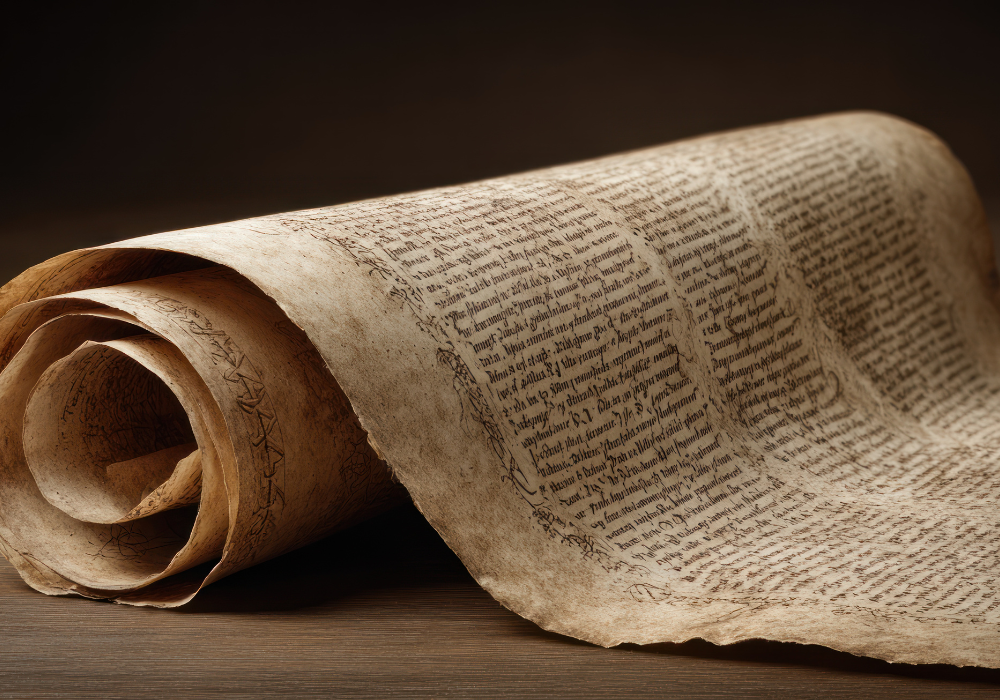
In the 1700s and 1800s, well-meaning scholars attempted to unroll the scrolls using knives, chemicals, and mechanical devices. But the papyrus was so delicate that nearly every attempt led to disaster. Many scrolls tore apart, while others disintegrated completely in the process.
Because the ink was made from carbon-based soot, it appeared nearly identical to the burned papyrus, making the writing invisible. By the late 19th century, experts had given up hope, assuming that the knowledge trapped inside these scrolls was lost forever.
4. New Imaging Techniques Offered a Way Forward

In the early 2000s, researchers began using advanced X-ray scanning called phase-contrast tomography, which can peer through solid materials without opening them. These scans produced highly detailed 3D images of the scrolls’ internal layers.
The images revealed faint texture patterns that hinted at traces of writing hidden beneath the surface. Although the text could not yet be read, this was the first real sign that modern technology might succeed where centuries of physical handling had failed.
5. The Vesuvius Challenge Invited the Power of AI

In 2023, a team of researchers launched the Vesuvius Challenge, an international competition encouraging participants to use artificial intelligence to read the unreadable scrolls. Competitors were given high-resolution scans and invited to design algorithms that could identify ink hidden in the carbonized papyrus.
Thousands of programmers, classicists, and data scientists from around the world took part. Their combined efforts dramatically accelerated progress, turning a centuries-old mystery into a modern digital race to recover ancient knowledge.
6. The First Words Came From the Philosopher Philodemus

By late 2023, the first legible Greek words emerged from one of the sealed scrolls. Scholars identified the text as a work by Philodemus, an Epicurean philosopher who lived in the 1st century B.C. and was known for his writings on ethics and human pleasure.
The deciphered passage explored how pleasure and pain shape our experiences—a timeless theme that connected directly to modern psychology. For historians, this breakthrough proved that lost voices from antiquity could finally speak again through the power of technology.
7. Artificial Intelligence Made the Impossible Possible

AI succeeded by detecting minute variations in density that the human eye could never perceive. Even though both the ink and papyrus were carbonized, algorithms learned to recognize subtle textural differences created by brush strokes more than two millennia old.
These virtual reconstructions allowed scientists to “unwrap” the scroll digitally, layer by layer, revealing clear Greek letters where once there had been only blackened ash. It marked a revolutionary leap for archaeology, conservation, and ancient text restoration.
8. The Discovery Provided a Window Into Ancient Thought
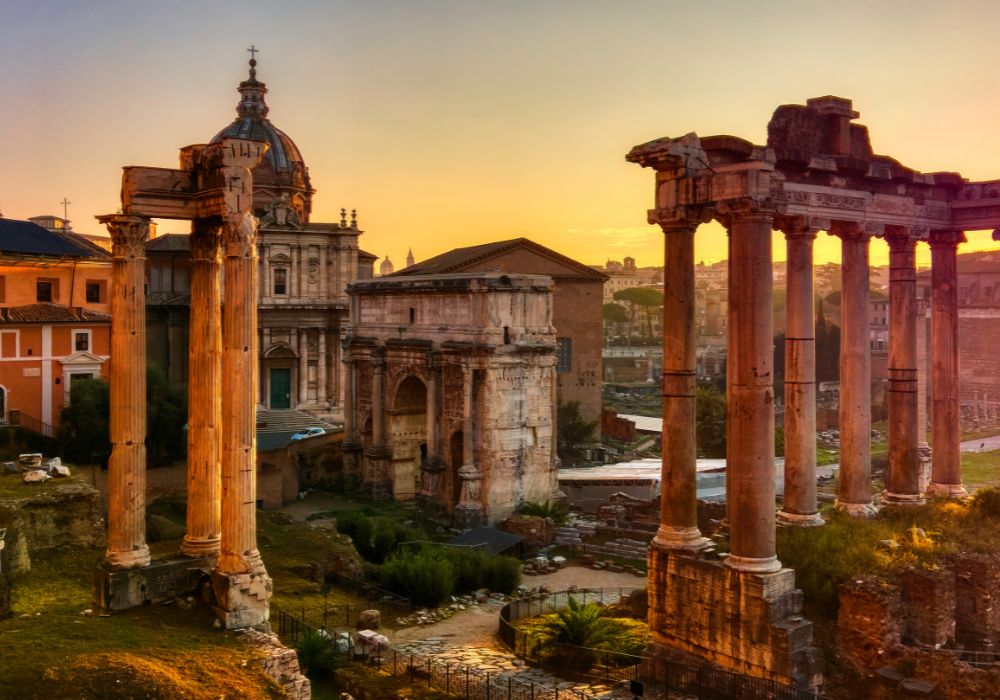
Beyond its technical triumph, the decoded text offered a remarkable look into the moral and philosophical debates of ancient Rome. Philodemus’s writing discussed the nature of pleasure, human behavior, and how people find meaning in everyday life.
Such insights showed that ancient societies grappled with many of the same emotional and ethical questions we face today. The scroll gave historians a living connection to the intellectual spirit of the ancient world, preserved by chance beneath volcanic ash.
9. The Project United Scientists Around the Globe

The Vesuvius Challenge became a rare example of seamless collaboration between fields that rarely overlap. Engineers, historians, linguists, and AI specialists pooled expertise to solve one of archaeology’s oldest puzzles.
Major universities, independent researchers, and technology companies shared resources and discoveries in real time. This cooperative spirit set a new precedent for open science, showing how data and AI could bridge the gap between modern computing and the humanities.
10. The Breakthrough Was Announced in 2024

In March 2024, researchers officially revealed the first coherent sections of text to the public. The words, written more than 2,000 years ago, were verified by scholars fluent in ancient Greek. Their accuracy astonished classicists who had waited decades for such a moment.
The announcement marked the culmination of years of innovation and experimentation. It also opened the door to decoding hundreds of other scrolls that still lie unread in museums and storage facilities across Europe.
11. Hundreds More Scrolls Still Wait to Be Read
Experts estimate that more than 600 Herculaneum scrolls remain sealed, with many still encased in hardened volcanic material. Each one could contain new literary or philosophical works thought to be lost forever.
As scanning and AI recognition improve, researchers believe they will soon be able to read every surviving scroll. The prospect of uncovering unknown writings by Epicurus, Aristotle, or other ancient thinkers has electrified scholars worldwide.
12. AI Is Reshaping Archaeology and Human History

The success of artificial intelligence in decoding the Herculaneum scrolls is redefining how we recover the past. Similar technologies could soon be used to read faded manuscripts, damaged cave writings, and ancient tablets long considered indecipherable.
For historians, it represents a profound turning point—a moment when modern science and ancient history merged. Thanks to AI, the voices of the distant past are no longer lost to time but ready to tell their stories once more.