
A newly found cosmic radio ring is the most powerful and distant “ORC” yet—and it’s made of two interlocked circles unlike anything seen before.
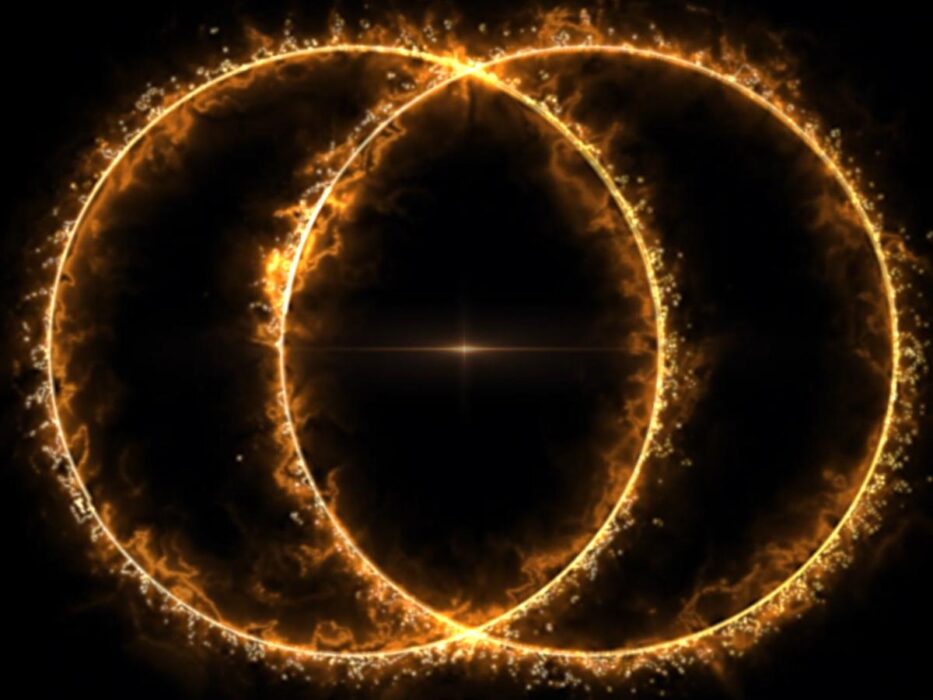
Astronomers have unveiled the most powerful and distant “odd radio circle” (ORC) yet, spotted as two interlocking rings around a distant galaxy. This newly discovered structure—dubbed RAD J131346.9+500320—emits intense radio waves and challenges current models of how these cosmic rings form. Citizen scientists first flagged it, and follow-up observation using the LOFAR telescope confirmed its scale and energy. With only a handful of ORCs known so far, this discovery offers fresh clues about galaxy formation, black holes, and the turbulent forces shaping deep space.
1. ORCs Are Mysterious Radio Rings Spanning Millions of Light-Years
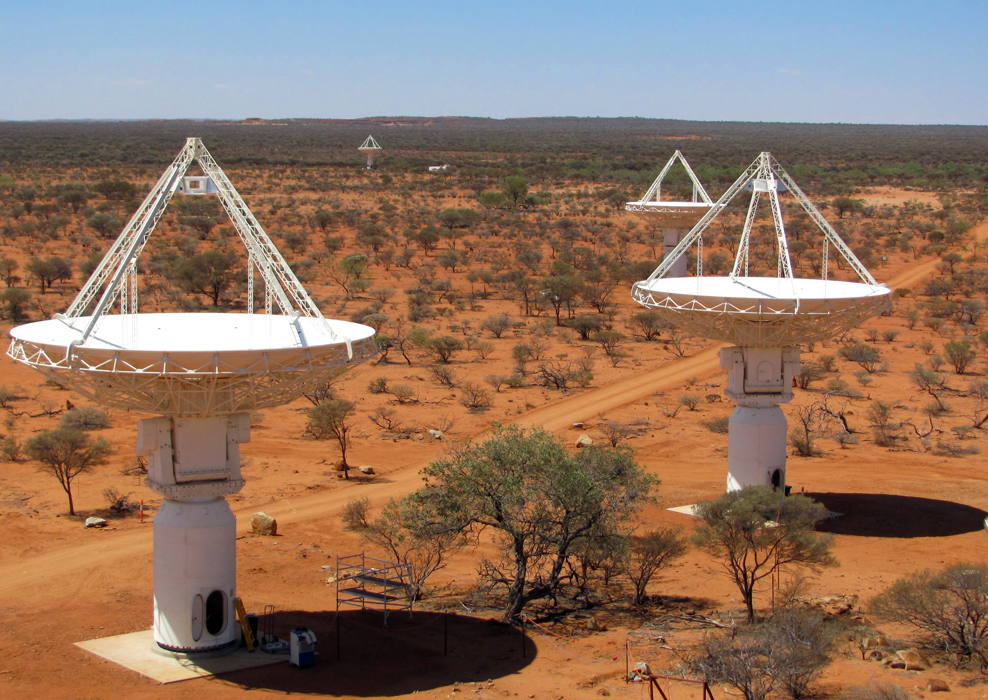
Odd radio circles, or ORCs, are vast loops of radio emission surrounding distant galaxies. They were first identified in 2019 using data from Australia’s ASKAP telescope and remain among astronomy’s most puzzling phenomena. Unlike galaxies or supernova remnants, ORCs have no visible light counterpart—only their radio signatures reveal their presence.
Each one spans millions of light-years, dwarfing most known galactic structures. Astronomers believe they form when extreme cosmic events—like galactic explosions or black hole activity—send shock waves rippling through surrounding gas. The energy released lingers for hundreds of millions of years, creating the faint, circular glow observed today.
2. This ORC Is the Most Powerful and Distant Ever Detected

The newly found ORC, designated RAD J131346.9+500320, lies billions of light-years from Earth and is the strongest of its kind ever recorded. Its radio emission is significantly more intense than any previous discovery, suggesting it was formed by a highly energetic process.
Researchers say its immense distance means the light reaching Earth left the source when the universe was less than half its current age. Studying such an ancient structure helps scientists trace how galaxies evolved over cosmic time—and how massive explosions might have influenced their growth.
3. It’s Formed of Two Interlocking Rings

Unlike most ORCs, which appear as single, nearly perfect circles, this one contains two overlapping rings. It’s only the second “double-ring” ORC ever discovered, making it a rare and valuable find for researchers.
Scientists suspect the twin loops may have resulted from two sequential shock waves or outbursts from the galaxy at the center. The second ring could mark a later eruption or a rebound effect caused by powerful winds interacting with surrounding gas, revealing a dynamic, layered history within one massive structure.
4. Citizen Scientists Helped Make the Discovery
The ORC was first identified by volunteers with India’s RAD@home Astronomy Collaboratory, a citizen-science initiative that trains participants to analyze radio telescope data. These volunteers spotted the unusual ring-like formation while studying images from the Radio Galaxy Zoo project.
Their discovery was later verified by professional astronomers using high-resolution data from multiple observatories. This collaboration underscores the growing importance of citizen science in astronomy—where trained volunteers can spot subtle patterns that automated systems might overlook in the flood of cosmic data.
5. The LOFAR Telescope Confirmed the Findings

After the initial identification, astronomers used the Low-Frequency Array (LOFAR), a network of 50,000 antennas spread across Europe, to confirm the discovery. LOFAR’s sensitivity to low-frequency radio emissions allowed researchers to map the ORC’s shape and intensity in detail.
The data revealed a symmetrical structure with two distinct rings radiating from a central galaxy. LOFAR’s observations were key to verifying that this was not a coincidental alignment of objects but a coherent structure—an enormous radio-emitting bubble expanding through intergalactic space.
6. The Rings May Have Formed From Galactic Superwinds
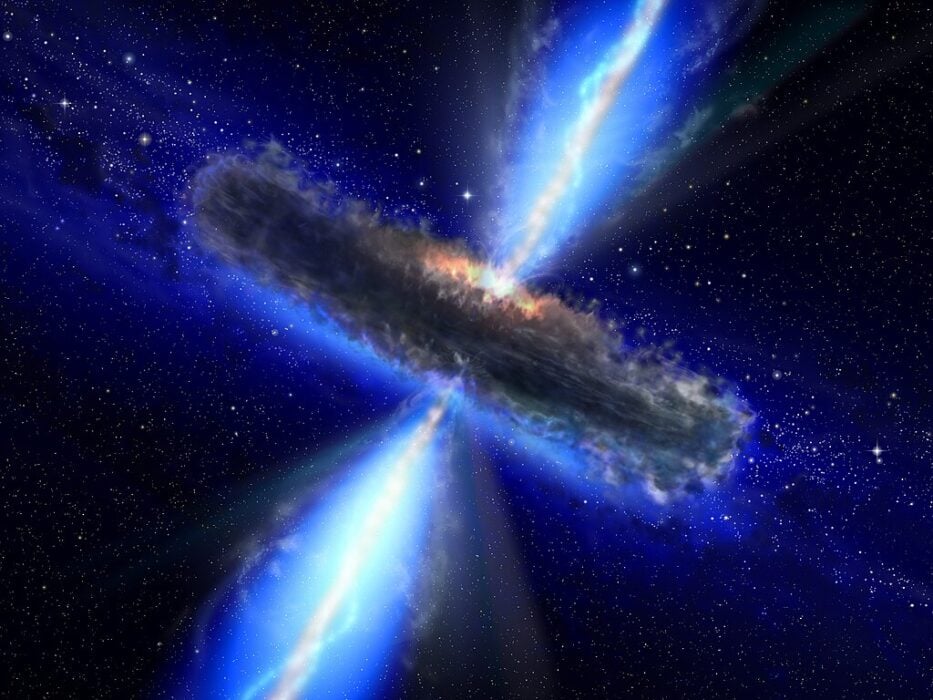
One leading theory suggests that ORCs are created by vast “superwinds” blowing out from galaxies. These winds form when intense star formation or black hole activity pushes material into surrounding space, generating enormous shock fronts that radiate radio waves.
In this case, the double-ring pattern could represent two separate bursts of superwind activity. Each outburst would have expanded outward, interacting with intergalactic gas to produce the glowing arcs seen today. This theory links ORCs to the life cycles of galaxies, showing how star formation and energy release can reshape their environments.
7. Black Hole Activity May Also Play a Role
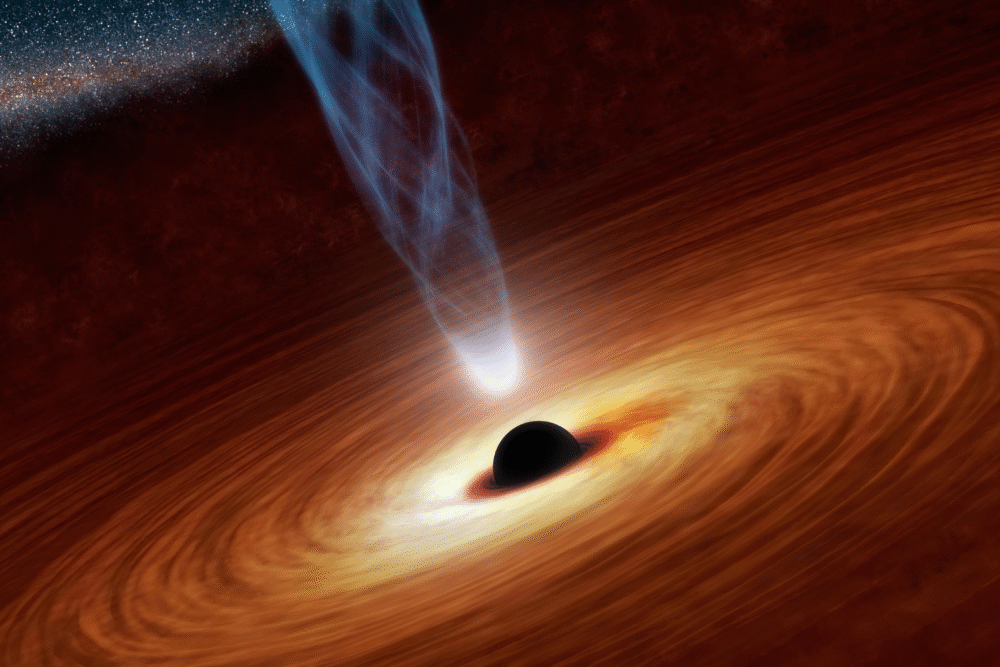
Another explanation centers on supermassive black holes. When galaxies’ central black holes consume gas and dust, they can emit powerful jets of energy that heat and compress nearby matter. This process could create giant, ring-like shock waves visible in radio wavelengths.
In the case of RAD J131346.9+500320, the energy output suggests black hole-driven activity could be responsible. The galaxy at its center appears active, with emissions consistent with an energetic core. Scientists believe these massive eruptions may be one of the primary mechanisms behind ORC formation.
8. ORCs Are Exceptionally Rare Cosmic Structures

Fewer than a dozen confirmed ORCs exist despite extensive sky surveys. Their faintness and enormous size make them difficult to detect, even with modern instruments. Most were identified using radio telescopes capable of mapping very low-frequency signals across large areas of the sky.
Their rarity suggests that the events producing them are equally uncommon—possibly requiring very specific conditions such as a recent galactic merger or an unusually powerful energy release. Each new ORC discovered provides a unique case study for testing competing theories of how they form.
9. The Discovery May Help Explain Galaxy Evolution

Understanding ORCs could shed light on how galaxies grow, merge, and interact with surrounding space. If they result from black hole outbursts or superwinds, they provide evidence that galaxies can dramatically affect the intergalactic medium beyond their visible boundaries.
These vast bubbles of energy might influence how gas condenses into new stars or how galaxies exchange material with their environments. Studying ORCs, therefore, helps connect the dots between small-scale processes inside galaxies and the large-scale structures shaping the universe.
10. Future Telescopes Could Reveal Many More
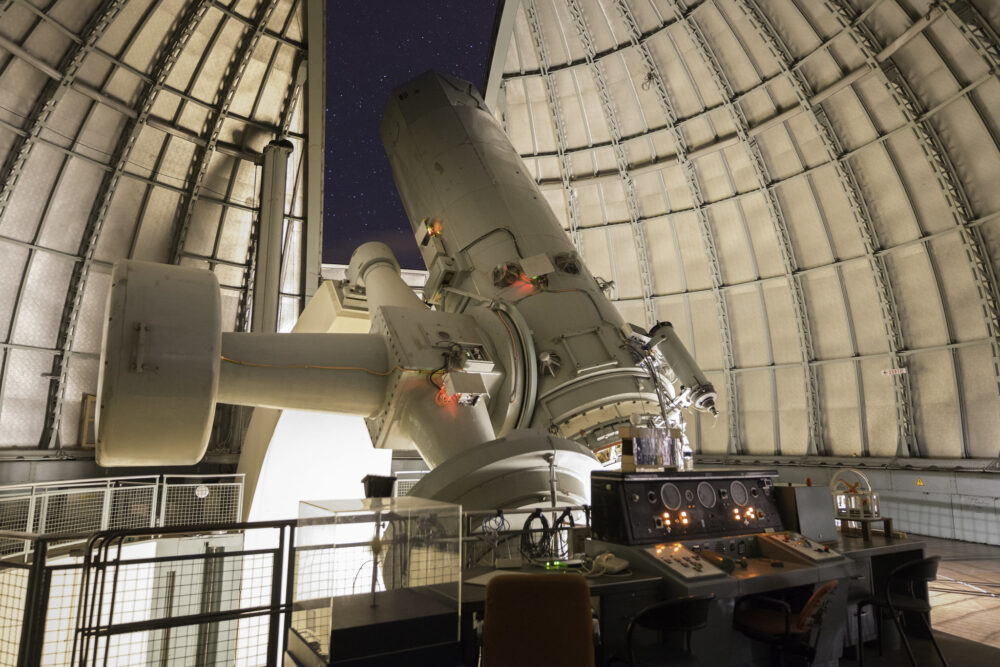
Next-generation radio observatories like the Square Kilometre Array (SKA) and the Vera C. Rubin Observatory are expected to uncover many more ORCs in coming years. These instruments will map the sky at higher sensitivity and resolution, allowing astronomers to detect fainter, more distant examples.
With a larger sample, scientists hope to determine whether ORCs are rare cosmic anomalies or common byproducts of galactic evolution. The discovery of RAD J131346.9+500320 marks only the beginning of what could be an entirely new chapter in understanding the energetic forces shaping the cosmos.