
Ancient hand fossils show a surprising blend of ape-like power and human dexterity.

Deep in South Africa’s Rising Star cave system, scientists have uncovered the first known hand fossils of Homo naledi, an extinct human relative that lived about two million years ago. The bones show a surprising blend of traits, including long, curved fingers suited for climbing and a thumb structured for delicate manipulation.
Experts say this unique combination challenges the idea that tool use and dexterity evolved only in modern humans, offering new insight into how early relatives may have lived, worked, and survived.
1. The Discovery Was Made in South Africa’s Rising Star Cave System

The hand fossils were unearthed deep within the Rising Star cave system near Johannesburg, a site that has yielded thousands of Homo naledi bones since its first major excavation in 2013. Researchers from the University of the Witwatersrand and National Geographic’s “Homo naledi” project led the effort.
The fossils were found in narrow passageways accessible only by specialist cavers. Their preservation in such a remote chamber suggests that Homo naledi may have intentionally placed their dead in hidden spaces—an early sign of complex social behavior.
2. The Hands Belonged to Homo naledi, an Extinct Human Relative
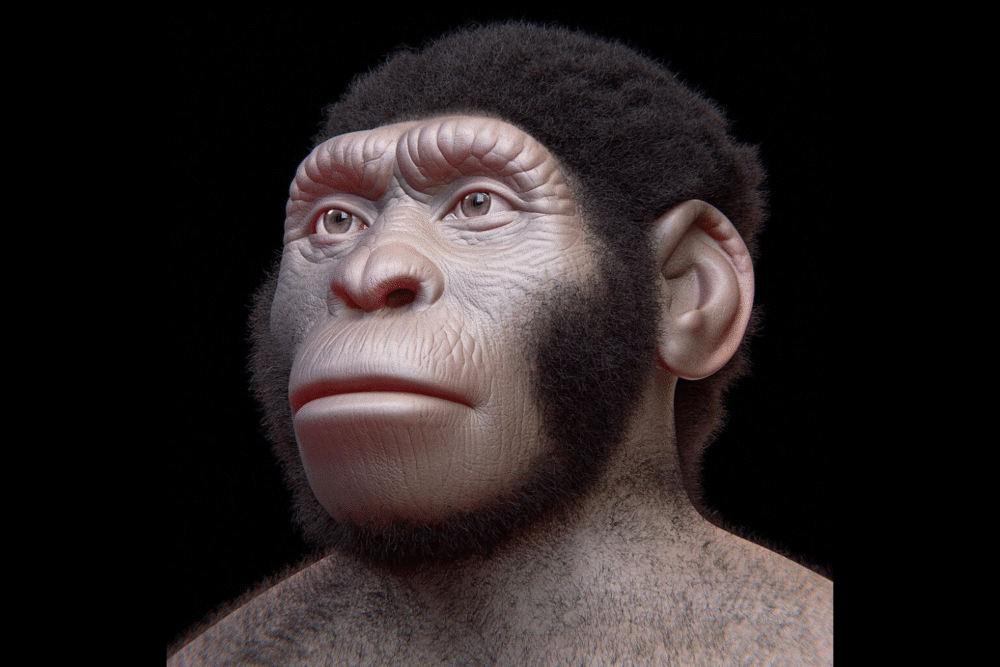
Homo naledi is a species of ancient human relative discovered in 2013 and formally named in 2015. It lived in southern Africa roughly two million years ago, around the same time as early Homo erectus and Australopithecus sediba.
Although Homo naledi had a brain only about one-third the size of modern humans, its anatomy reveals advanced traits—especially in its hands and feet—suggesting it was well adapted to both climbing and tool-related activities on the ground.
3. The Fossils Represent the First Complete Hand From the Species
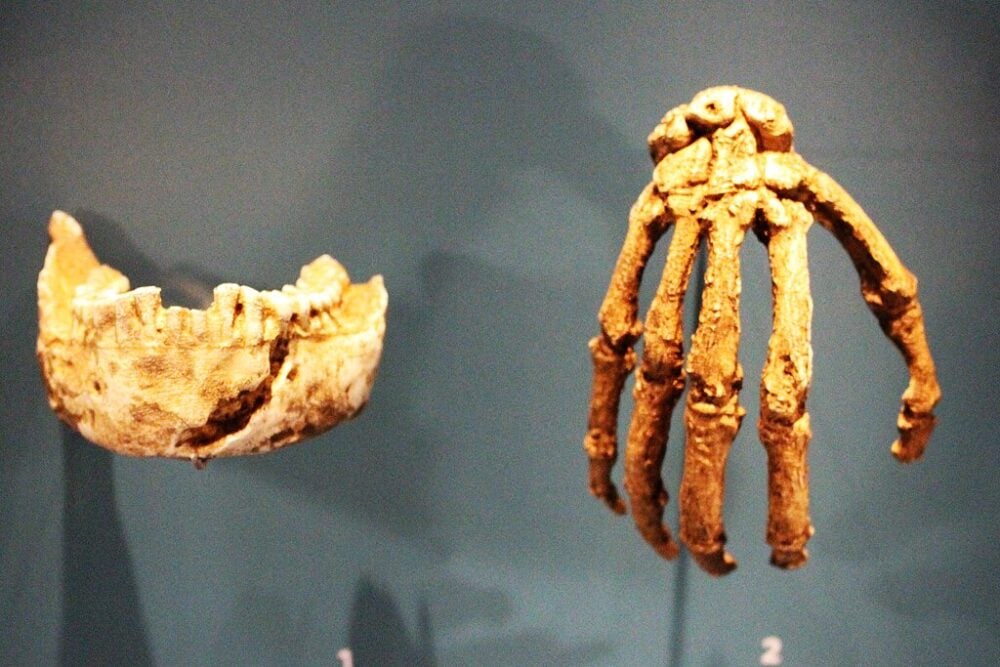
The fossils include a nearly complete right hand from an adult female, nicknamed “Hand of Naledi.” This is the most complete hand ever found from an early human relative in Africa.
Scientists reconstructed the hand using micro-CT scans and careful 3D modeling. The result showed a complex structure—curved fingers, a short palm, and a powerful thumb—unlike any other fossil species known so far.
4. The Thumb and Wrist Are Strikingly Human-Like

One of the most surprising findings is that Homo naledi’s thumb and wrist joints closely resemble those of modern humans. These features suggest a strong ability to grasp, pinch, and manipulate objects with precision.
Researchers believe these adaptations would have allowed the species to make and use simple tools, even though no tools have yet been found directly associated with Homo naledi fossils. The hand’s design challenges the assumption that fine motor control evolved only in later human species.
5. The Fingers Are Long and Curved—Built for Climbing

While the thumb and wrist appear modern, the fingers tell another story. Homo naledi had elongated, strongly curved fingers, similar to those seen in tree-dwelling primates like chimpanzees. This suggests they were excellent climbers, capable of gripping branches and navigating vertical terrain.
The mix of features implies that Homo naledi lived in a transitional world—spending time both on the ground and in trees. Scientists think this combination helped them forage, build shelters, and avoid predators in forested environments.
6. The Combination of Traits Is Unique Among Human Relatives

No other known fossil species combines such ape-like and human-like features in a single hand. Earlier species such as Australopithecus afarensis (“Lucy”) had curved fingers but lacked the human-like wrist structure seen in Homo naledi.
This distinct mix suggests that Homo naledi evolved along a separate branch of the human family tree, developing dexterity without fully losing its climbing adaptations. The finding underscores how evolution doesn’t follow a straight path but rather a complex web of experimentation.
7. The Hands Suggest Tool Use—Even Without Direct Evidence
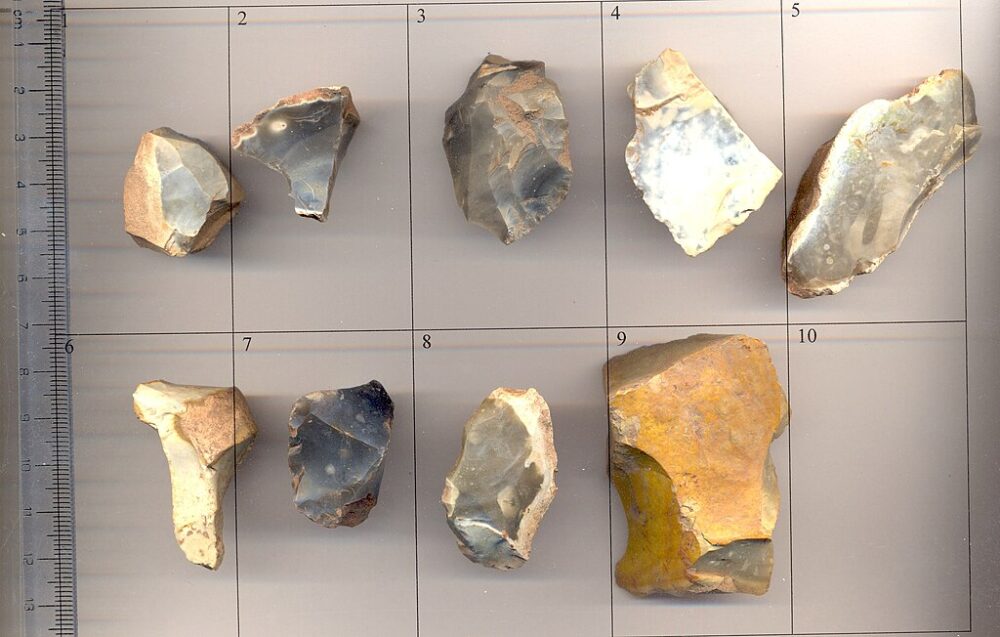
Although no tools have been found in the same cave chamber, the structure of Homo naledi’s hands indicates the capability for toolmaking. The opposable thumb and stable wrist would have allowed precise grips needed for cutting, scraping, or shaping materials.
Researchers compare this dexterity to that of Homo habilis, the earliest known toolmaker, which lived about 2.4 million years ago. It’s possible that Homo naledi used perishable tools—like wood or plant fibers—that didn’t survive over time.
8. The Discovery Challenges Long-Held Evolutionary Timelines
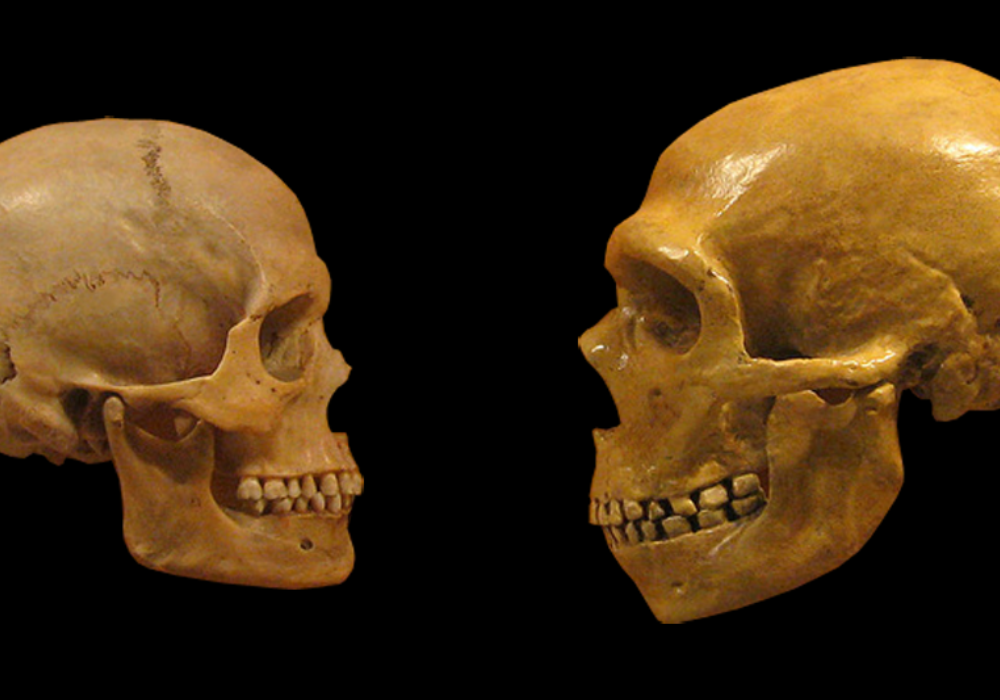
Before this discovery, scientists believed that advanced hand structures evolved much later, alongside larger brain size. Homo naledi disrupts that timeline. Despite its small brain—about 500 cubic centimeters—it shows the anatomical capacity for complex, purposeful behavior.
This finding supports the growing idea that intelligence and physical sophistication didn’t always evolve together. In other words, Homo naledi may have had the manual ability to make tools even if its brain wasn’t as developed as ours.
9. Female Fossils Offer Key Clues About Daily Life
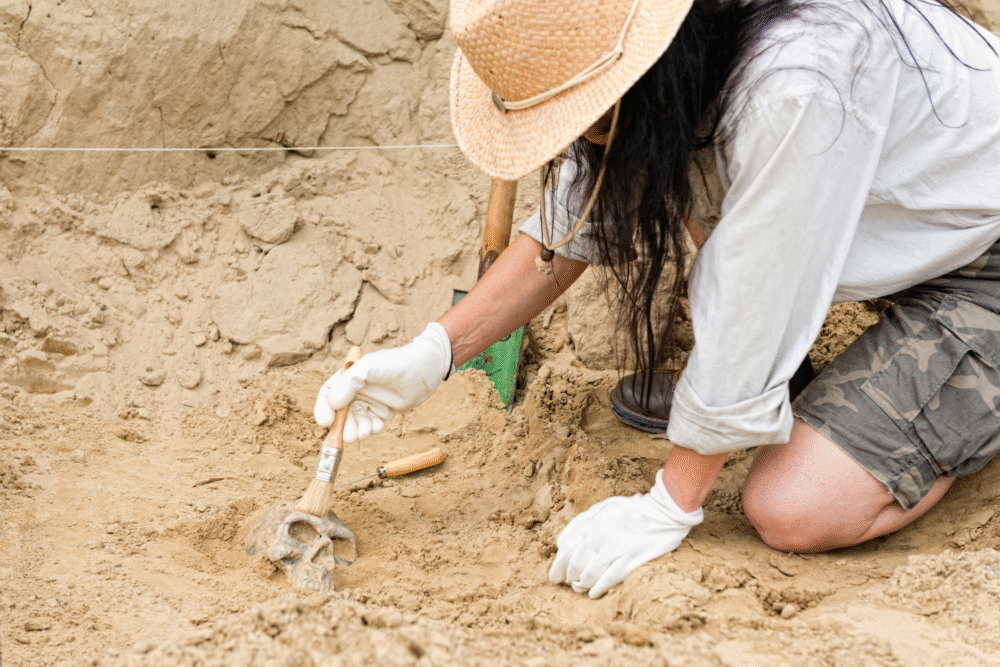
The nearly complete hand belonged to a small-bodied female, roughly 1.45 meters tall. Her hands show powerful grip strength and signs of wear that suggest heavy daily use.
This discovery provides rare insight into how female individuals of early human species contributed to survival—possibly through foraging, climbing, and tool-assisted gathering. It broadens understanding of division of labor and adaptation in early hominin groups.
10. The Hands Add to Evidence of Advanced Behavior in Homo naledi
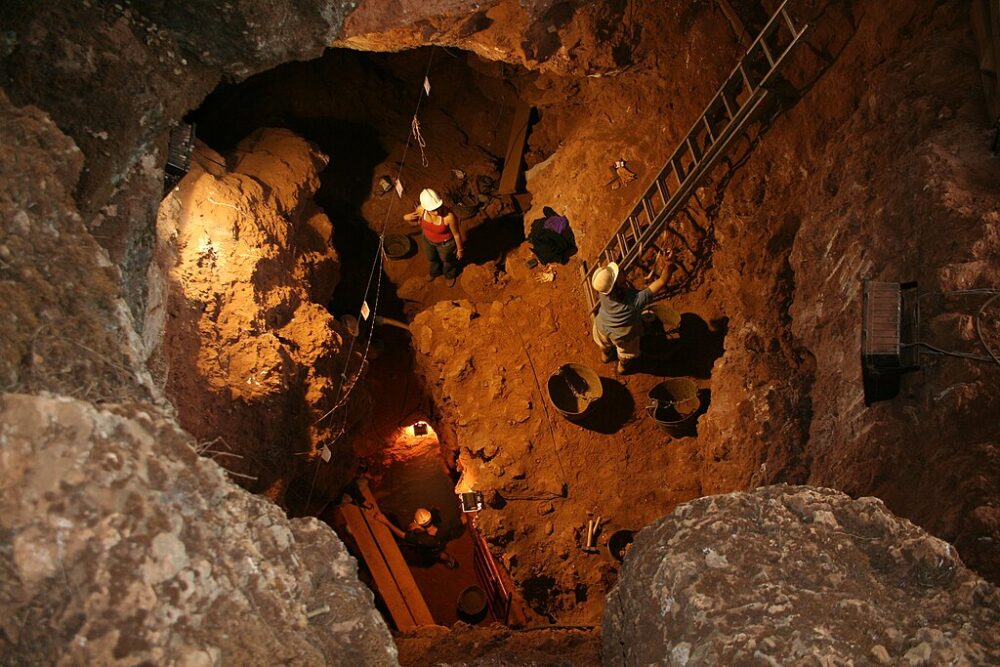
Beyond its anatomy, Homo naledi has fascinated scientists for behaviors that seem advanced for such a small-brained species. Fossil placement deep in caves hints at intentional burial or disposal of the dead—behavior once thought unique to modern humans.
When paired with hands capable of grasping and manipulating, these clues suggest that Homo naledi may have used simple tools, shared tasks, or organized group efforts. The discovery continues to blur the line between primitive and modern.
11. The Fossils Were Described by an International Research Team
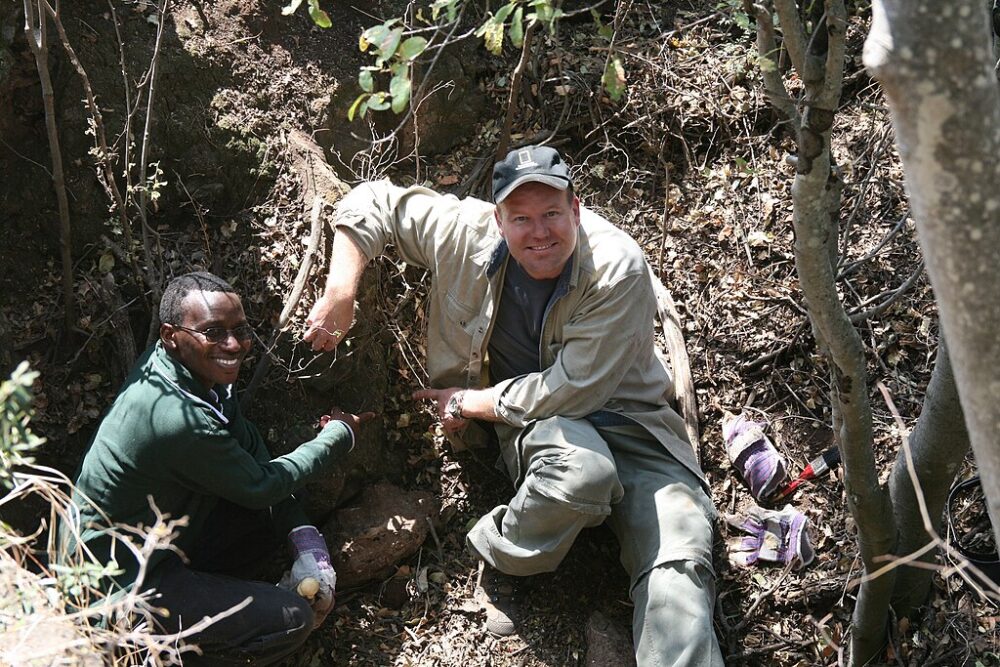
The study was led by paleoanthropologist Lee Berger and an international team of researchers affiliated with the University of the Witwatersrand and the National Geographic Society. Their findings were published in the Journal of Human Evolution and presented by the South African National Museum.
The interdisciplinary team included specialists in anatomy, 3D modeling, and primate biomechanics. Their collaborative approach has helped establish Homo naledi as one of the most studied early human relatives ever discovered in Africa.
12. The Discovery Redefines What It Means to Be Human

The Homo naledi hand fossils reveal that dexterity and adaptability evolved far earlier than expected. These ancient relatives could both climb trees and manipulate objects—a dual skill set rarely seen in the evolutionary record.
By uncovering how early species used their hands, scientists are redefining the milestones that shaped humanity. Homo naledi may not have been our direct ancestor, but it demonstrates how evolution experimented with many forms of intelligence, resilience, and creativity long before modern humans appeared.