
Inside the hidden world where memories, loss, and obsession turn homes into prisons.

Behind closed doors across America, millions quietly live surrounded by overwhelming piles of possessions. What begins as a simple wish to save or remember can spiral into a psychological struggle that consumes entire homes—and lives. Experts say hoarding is far more than disorganization; it’s a complex mental health disorder rooted in fear, trauma, and loss. It remains one of the most misunderstood and heartbreaking conditions in modern society, marked by deep emotional pain and hidden daily struggles.
1. When Saving Becomes Surviving

For many hoarders, collecting begins as a way to preserve memories or maintain control over life’s chaos. A saved newspaper, an old shirt, or a forgotten receipt becomes a symbol of identity and safety. Over time, possessions replace people, and rooms once filled with warmth become impassable barriers.
Experts say this attachment often stems from loss or trauma. Letting go of objects feels like letting go of stability itself. Each item represents comfort in a world that feels unpredictable, turning accumulation into emotional survival.
2. The Hidden Toll on Health and Safety

Hoarding creates an environment of constant risk. Cluttered hallways, blocked exits, and decaying materials turn simple tasks into daily hazards. Fires spread faster, falls become more likely, and air quality declines as dust and mold take over. Many hoarders live unknowingly in physical danger.
The health effects extend beyond the body. Chronic stress, sleep loss, and shame deepen as the mess grows. What may feel like a private coping mechanism becomes a life-threatening trap—one that can take years of intervention to escape.
3. The Psychology of Possession

Hoarding disorder is recognized as a serious mental health condition, not a lifestyle choice. Psychologists link it to obsessive-compulsive tendencies, perfectionism, and heightened emotional sensitivity to loss. Discarding an item can trigger intense anxiety, guilt, or even panic.
Brain imaging studies show that decision-making areas in hoarders’ brains react differently when faced with the idea of throwing something away. The object’s perceived value becomes inflated, making decluttering feel like an impossible emotional sacrifice rather than a rational act.
4. The Shame That Keeps Them Silent

Hoarding thrives in secrecy. Many sufferers hide their homes from family, friends, and neighbors out of deep embarrassment. They fear judgment, eviction, or intervention, so they isolate themselves further, reinforcing the loneliness that fuels the disorder.
Shame becomes a powerful barrier to help. Even when loved ones notice signs, confronting the issue can feel like betrayal. The result is a cycle of silence—one where emotional pain festers while the piles grow higher, making recovery harder with each passing year.
5. The Family Fallout

Living with or loving a hoarder takes an immense emotional toll. Family members often feel helpless as they watch a parent or spouse refuse assistance. Arguments escalate, trust erodes, and relationships fracture under the weight of frustration and fear.
Children raised in hoarded homes frequently carry those experiences into adulthood, struggling with anxiety or avoidance behaviors. For many, hoarding isn’t just an individual struggle—it’s a family legacy of loss, misunderstanding, and emotional exhaustion.
6. When Hoarding Turns Deadly

Firefighters and rescue workers frequently encounter hoarded homes where clutter blocks exits or traps occupants. In some tragic cases, people have died because emergency crews couldn’t reach them in time. The physical risks are as severe as the psychological ones.
Experts warn that hoarding can also lead to fatal neglect. Unsanitary conditions attract rodents and mold, and access to medical care becomes impossible in homes too packed to navigate. These extreme outcomes highlight how hoarding can quietly become a matter of life and death.
7. The Financial Cost Few Expect
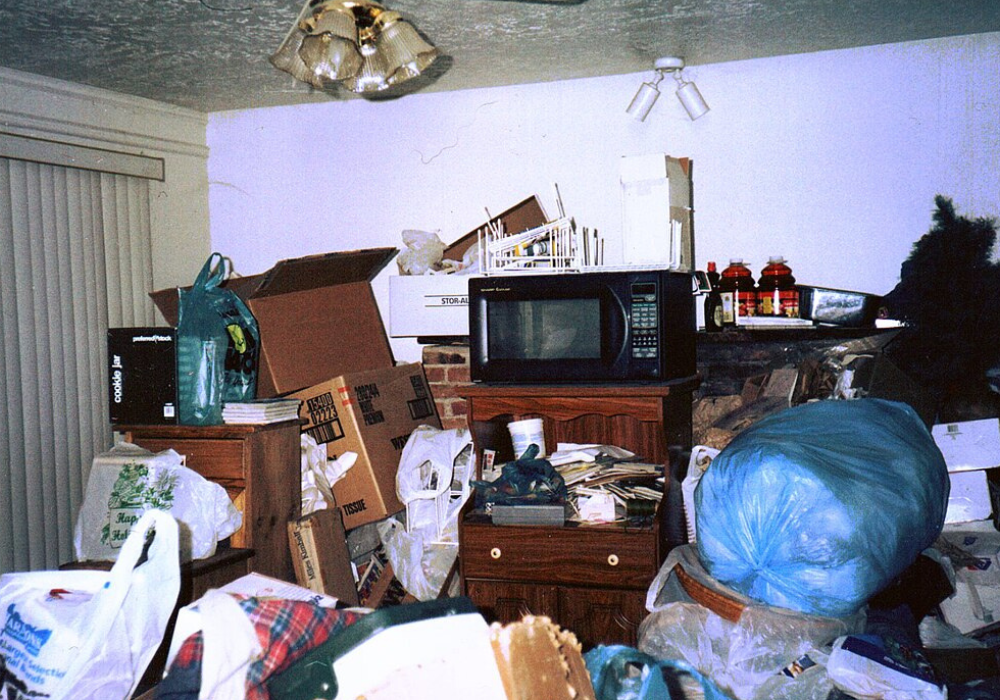
Hoarding can devastate a person’s finances. Items bought “just in case” pile up, credit cards max out, and homes lose value due to damage or neglect. Some individuals even rent storage units they can’t afford, further deepening their financial instability.
Beyond personal loss, entire properties can be condemned when conditions become unlivable. Cleanup costs can reach tens of thousands of dollars. What starts as emotional attachment can end in bankruptcy, foreclosure, or homelessness—proof that hoarding drains more than space.
8. When Clutter Becomes Contagious
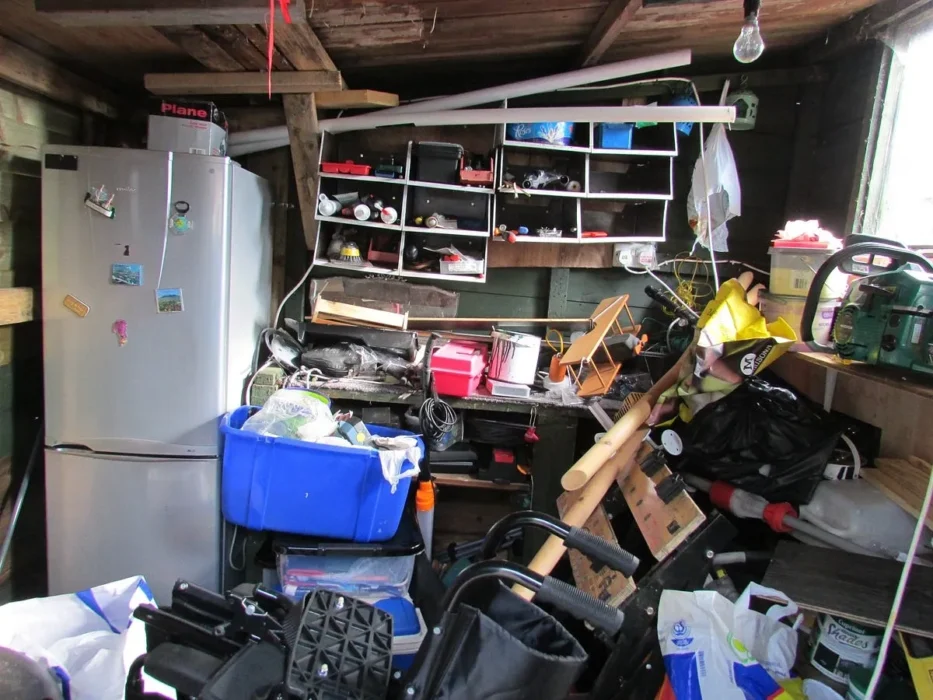
Hoarding doesn’t always stay contained. Family members or housemates may adapt to the chaos, lowering their own tolerance for clutter. In some cases, children of hoarders develop similar behaviors as adults, repeating the same emotional patterns they witnessed growing up.
Researchers call this “learned cluttering,” where people internalize the idea that possessions equal safety. Without intervention, the cycle continues across generations, transforming a single home’s disorder into a family-wide struggle that spans decades.
9. The Challenge of Intervention

Convincing a hoarder to accept help is one of the most difficult steps in treatment. Direct confrontation or forced cleanup often backfires, causing emotional distress or relapse. Experts emphasize compassion and gradual progress over judgment or ultimatums.
Therapy, particularly cognitive-behavioral approaches, helps individuals understand their attachment to possessions and develop healthier coping mechanisms. Recovery takes time, patience, and empathy—but it’s possible when support replaces shame.
10. The Role of Community and Support

Hoarding recovery rarely happens in isolation. Support groups, mental health professionals, and local agencies can play crucial roles in providing both accountability and encouragement. Specialized cleanup teams also help restore safety while preserving dignity.
Communities that respond with understanding instead of ridicule see better outcomes. Education and awareness help break the stigma, turning what once seemed like a private shame into a recognized, treatable condition.
11. Finding Hope Beyond the Clutter

Despite the darkness surrounding hoarding, recovery stories offer real hope. With therapy, support, and gradual change, individuals can reclaim their homes and reconnect with loved ones. Each discarded item becomes a step toward emotional freedom.
Progress is rarely fast or perfect, but even small victories can transform lives. Behind every cleaned room is proof that healing is possible—and that no one trapped by clutter has to face their struggle alone.