
Methane released beneath Antarctic ice raises concerns about long-term climate stability.

Deep beneath Antarctica’s frozen waters, scientists have discovered methane, one of the most potent greenhouse gases on Earth, leaking from cracks in the seafloor. The finding, first documented by marine ecologists and geochemists from Oregon State University and published in Proceedings of the Royal Society B, marks the first observed methane seep ever recorded in Antarctic waters.
The discovery has alarmed researchers because it suggests the planet’s coldest region, long thought to trap greenhouse gases securely under ice, may be starting to release them. If such leaks expand, they could accelerate global warming in ways humanity has never experienced.
1. Methane Is a Far More Potent Greenhouse Gas Than CO₂

While carbon dioxide gets most of the attention in climate discussions, methane is over 25 times more effective at trapping heat in the atmosphere over a 100-year period. It’s produced naturally from decaying organic matter trapped underground or beneath the ocean floor.
Normally, methane stays sealed beneath permafrost and sediments. But when temperatures rise or ice retreats, those natural “caps” can fracture—allowing gas to escape. Scientists say even small increases in methane release can amplify global warming significantly.
2. The Leak Was First Detected Near McMurdo Sound
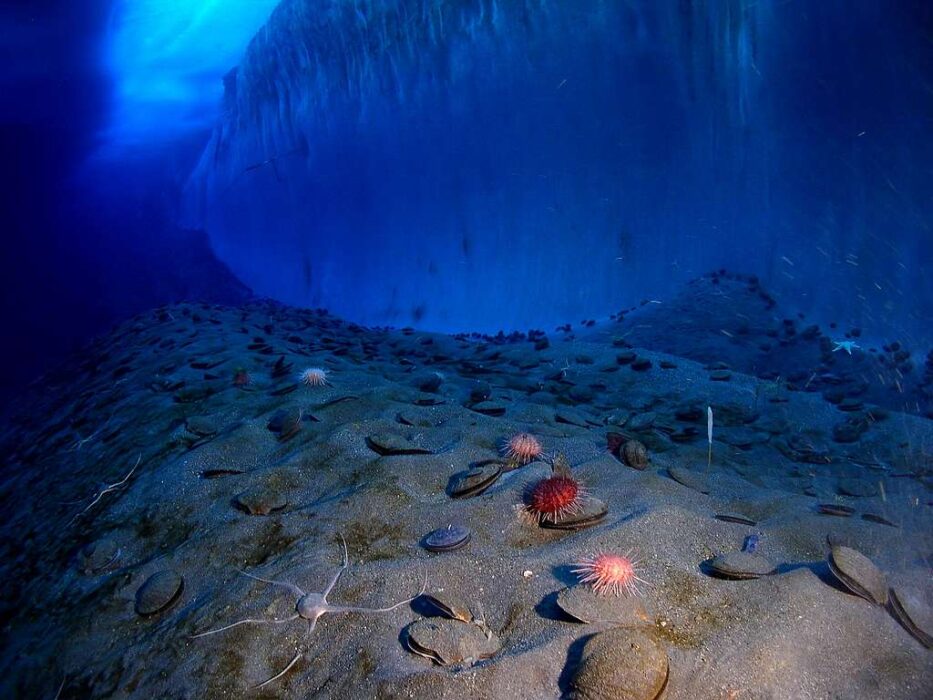
The newly discovered methane seep was found in McMurdo Sound, off the coast of East Antarctica. Researchers observed gas bubbles rising from the seabed roughly 30 feet below the surface, forming a visible stream.
The leak likely began several years before it was detected, as early sediment samples showed signs of methane oxidation. The area, previously thought to be stable, is now being closely monitored for changes in gas flow and microbial activity.
3. Microbes That Normally Absorb Methane Are Missing
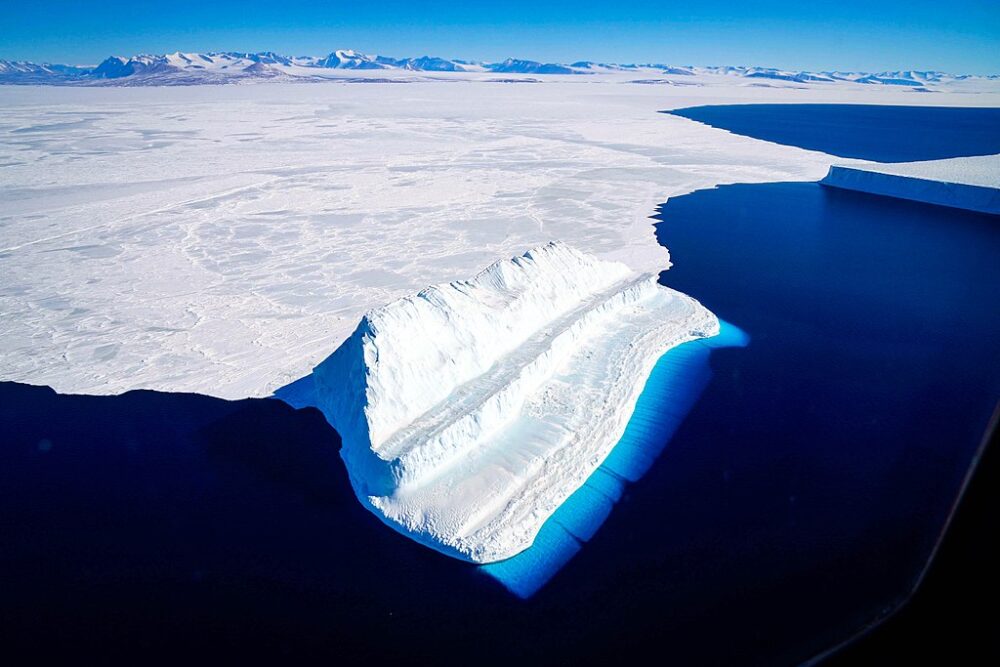
In most parts of the ocean, specialized microbes consume methane before it reaches the atmosphere. But in McMurdo Sound, scientists were surprised to find very few of these methane-eating bacteria.
This absence means more methane can escape into the water column and potentially reach the air. It also suggests the microbial ecosystem is too slow to adapt to newly thawed methane seeps—leaving a gap in nature’s defense system against greenhouse emissions.
4. Warming Oceans May Be Triggering the Leaks

Antarctica’s surrounding seas are warming faster than almost any other ocean on Earth. Satellite data show average sea surface temperatures have increased steadily over the past four decades.
That warming weakens the permafrost-like layers of sediment that hold methane in place. Once those layers thaw, methane trapped for thousands of years can seep upward through cracks. Scientists warn that continued ocean warming could turn isolated seeps into widespread emissions zones.
5. Methane Seeps Have Been Found in the Arctic—But Not Antarctica

Methane leaks are well-documented in the Arctic, especially off the Siberian coast and near Alaska’s Beaufort Sea. However, Antarctica was considered geologically stable and too cold for such processes.
This new finding challenges that assumption. Researchers now believe the Southern Ocean may be far more dynamic—and vulnerable—than previously thought. It suggests that global methane release could become a truly planet-wide phenomenon as temperatures continue to rise.
6. The Discovery Took Scientists Completely by Surprise

The team that discovered the leak wasn’t even looking for methane. They were studying marine ecosystems near McMurdo Station when divers noticed a steady stream of bubbles rising from the seabed.
Subsequent analysis confirmed that the bubbles were methane escaping from ancient organic deposits. Lead researcher Andrew Thurber called the find “both exciting and deeply concerning,” noting that it represents a process scientists didn’t expect to see in Antarctica for centuries.
7. The Leak Is Still Small—But Symbolically Huge
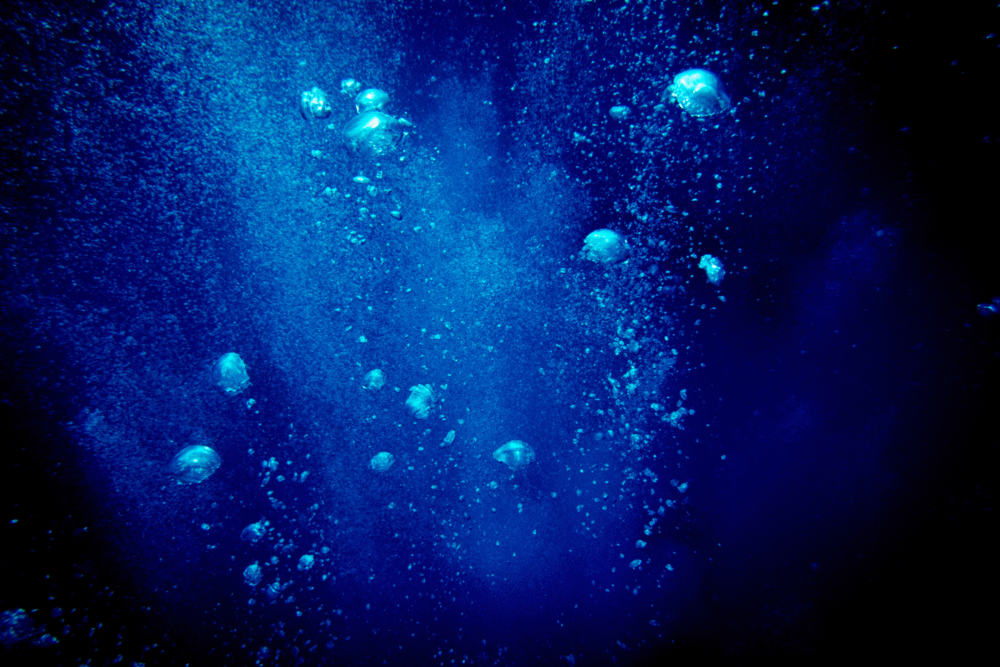
In terms of volume, the methane seep is currently modest compared to Arctic emissions. However, its location and implications make it a critical warning sign.
If even Antarctica’s frozen seabed is beginning to leak, it indicates a planetary tipping point may be closer than predicted. Researchers say this event could represent the first step toward larger, more continuous methane releases as the planet warms.
8. Melting Ice Shelves Could Expose More Methane Reservoirs
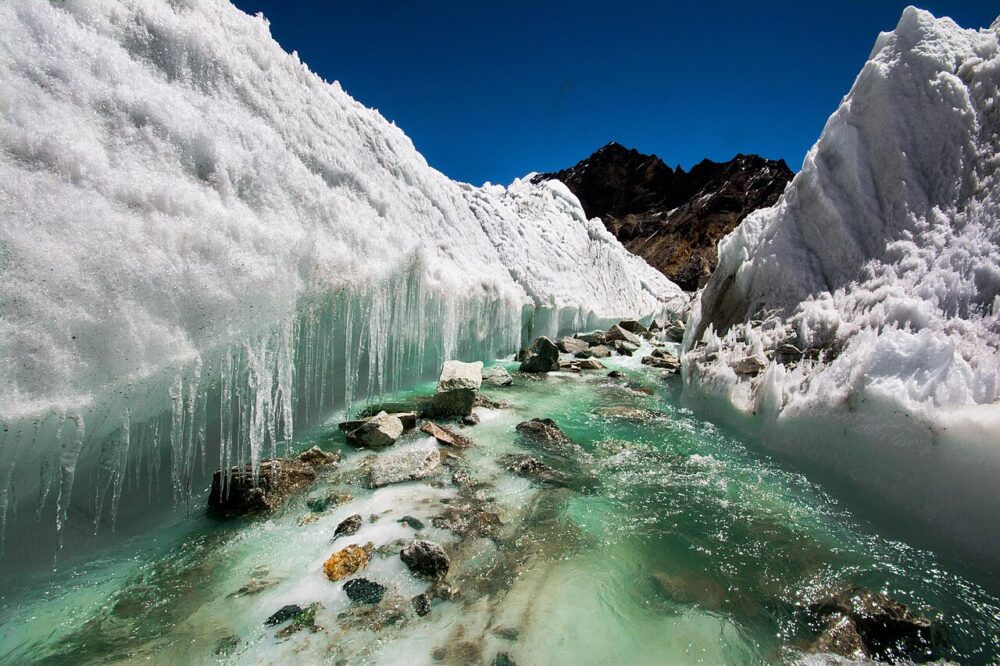
Beneath Antarctica’s thick ice shelves lie vast methane deposits formed from ancient organic matter. As those ice shelves melt and retreat, they expose sediments to warmer water, creating pathways for trapped gases to escape.
Some models suggest that if only a small fraction of Antarctic methane were released, it could significantly amplify global temperature rise. Scientists are now racing to identify potential hotspots before more leaks appear.
9. Methane Release Could Create a Feedback Loop
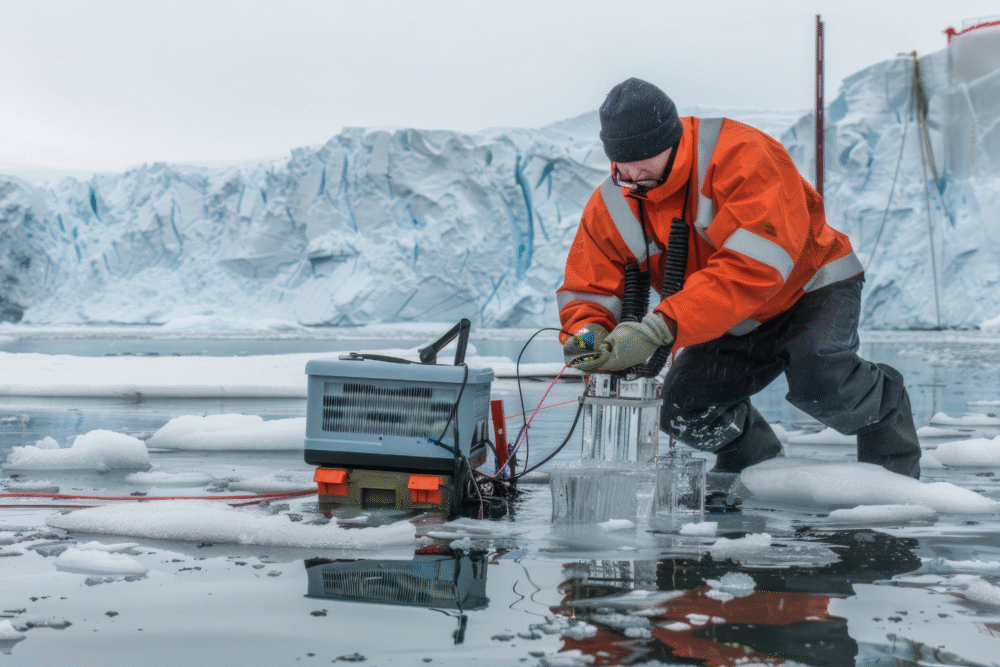
If methane continues to escape, it could intensify warming, which in turn melts more ice—causing even greater methane release. This self-reinforcing cycle, known as a climate feedback loop, is one of the most feared scenarios in climate science.
While experts emphasize that such large-scale feedback hasn’t begun yet, this Antarctic seep shows how easily the process could start. It’s a stark reminder that Earth’s climate systems are more interconnected—and fragile—than once believed.
10. Scientists Are Monitoring for Atmospheric Impact
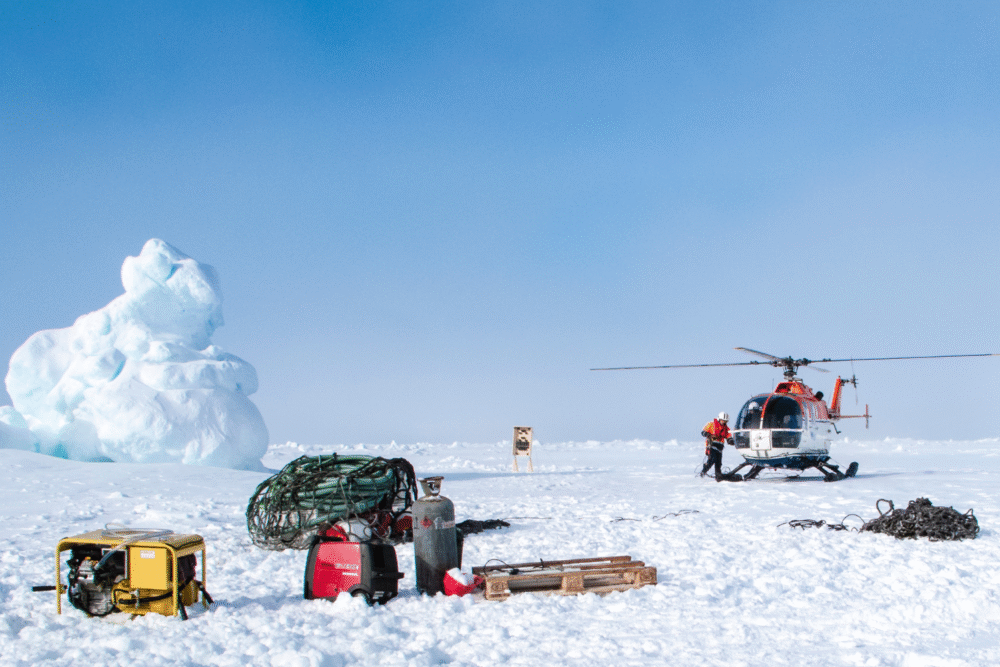
Researchers are now tracking methane levels near McMurdo Sound to determine how much of the gas reaches the surface. Instruments on nearby research vessels and satellites are measuring concentrations in both water and air.
Early results suggest that some methane is indeed escaping into the atmosphere, though much remains dissolved in the ocean. Continued monitoring will reveal whether emissions are increasing as water temperatures continue to climb.
11. The Discovery Underscores the Urgency of Climate Action
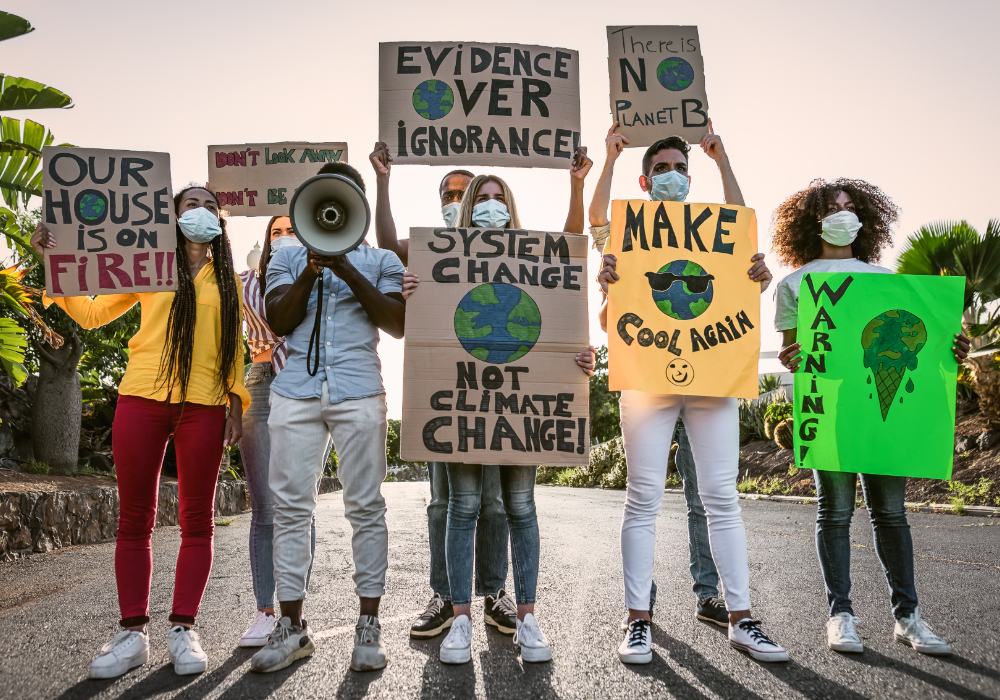
While the methane leak itself is relatively small, its symbolism is enormous: it shows that climate change is reshaping even Earth’s most remote and supposedly stable regions.
Experts say preventing large-scale methane release will require aggressive global emission cuts, investment in carbon removal, and expanded research in polar regions. The Antarctic seep is both a scientific breakthrough and a warning—that once natural thresholds are crossed, even the coldest corners of the planet can start working against us.