
The stripes in canyon walls reveal Earth’s violent climate shifts and evolving life.
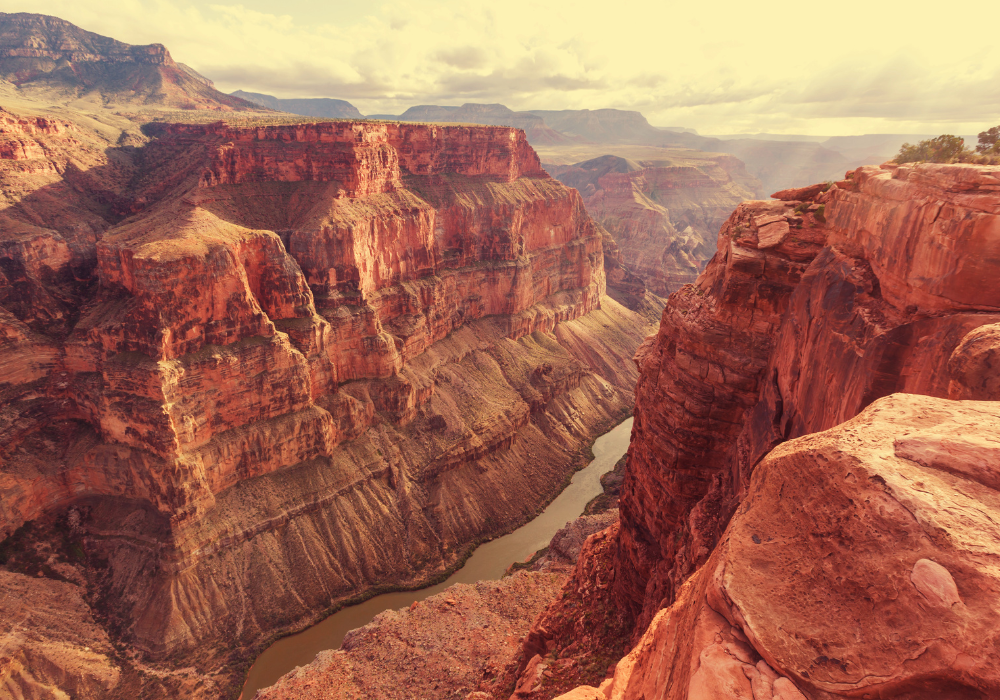
At first glance, the striped cliffs and layered stones that shape Earth’s landscapes seem quiet and unremarkable. But to geologists, they’re vivid records of chaos—snapshots of a planet in constant upheaval. Each layer captures ancient oceans, volcanic eruptions, asteroid impacts, and the rise and fall of entire species. These “boring” rocks are, in truth, Earth’s autobiography—written over billions of years in sand, mud, and ash. Reading them reveals just how restless and remarkable our planet has always been.
1. Rocks Record Billions of Years of History
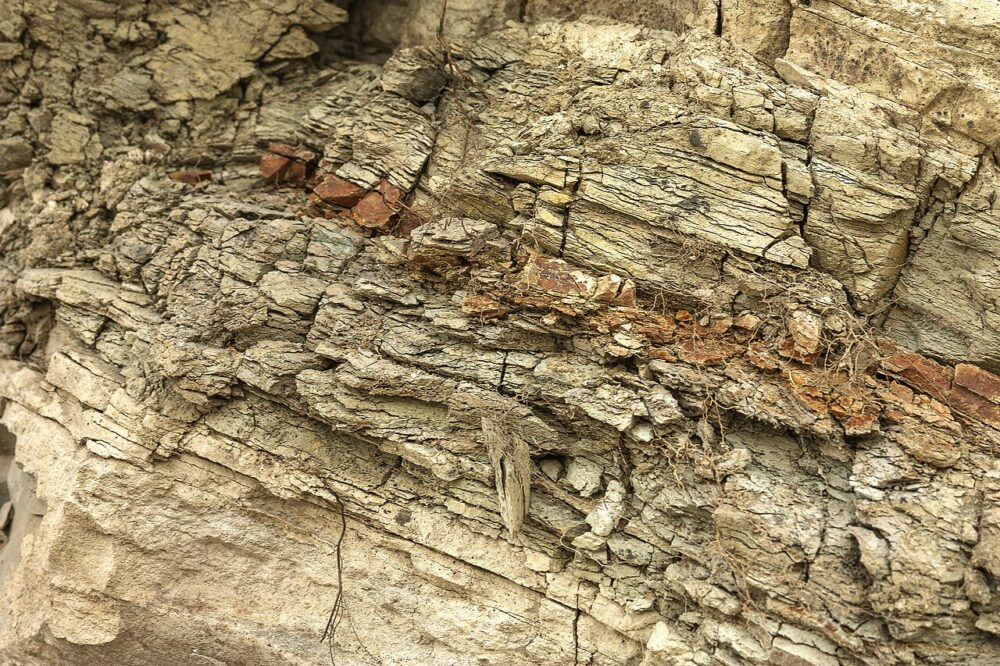
Earth’s layered rocks act as pages in the planet’s geological storybook. Each stratum forms under different conditions—riverbeds, ocean floors, deserts, or volcanic plains—and locks away chemical and fossil evidence of its era.
By studying these layers, scientists can trace how continents drifted, climates shifted, and ecosystems evolved. The deepest layers date back over 3.5 billion years, offering a nearly continuous timeline of how our planet transformed from a barren world into one teeming with life.
2. Sedimentary Layers Are Nature’s Time Capsules
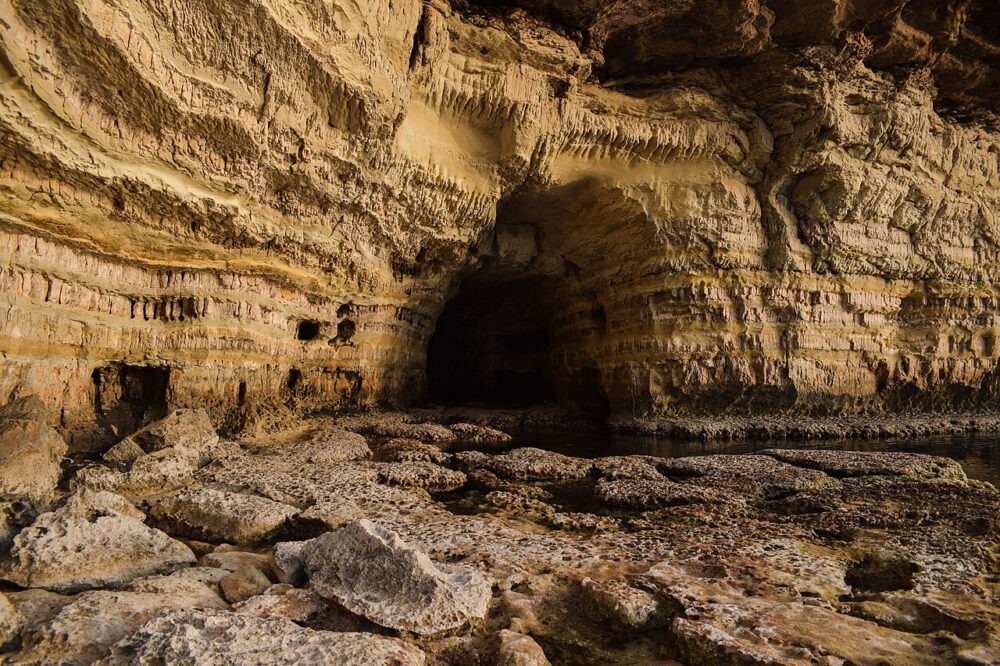
Sedimentary rocks like sandstone, limestone, and shale form when particles accumulate over time, compacted into distinct bands. Each layer represents an ancient environment—some calm and oceanic, others shaped by floods or volcanic ash.
These layers preserve extraordinary detail: grains of sand that once rolled along ancient shores, chemical signatures of vanished seas, and fossils of organisms long extinct. By examining them, scientists can reconstruct what Earth looked like when those layers formed.
3. Fossils Reveal the Rise and Fall of Life
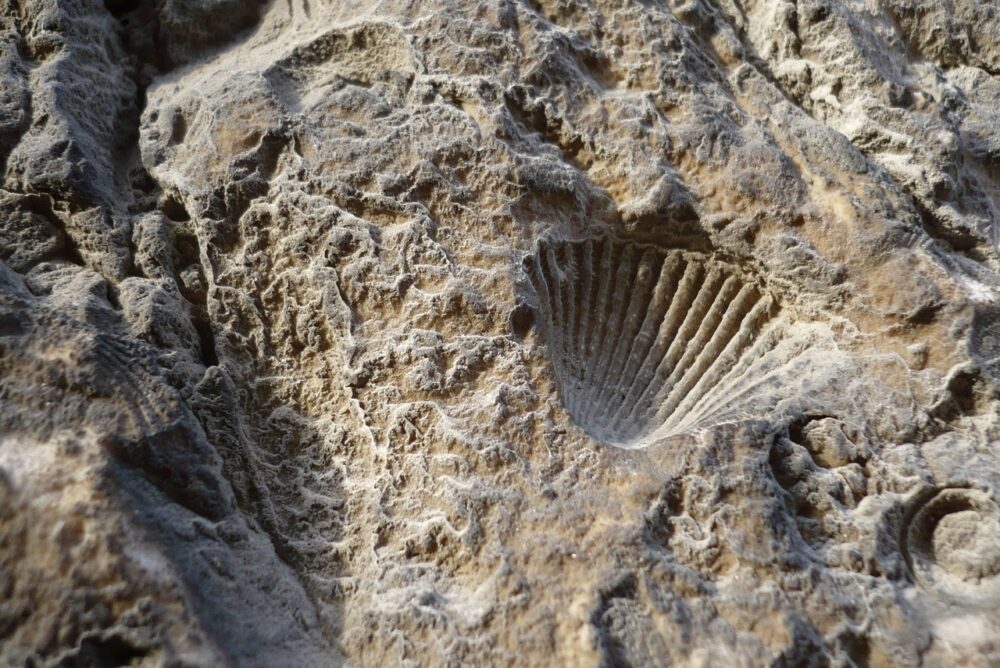
Fossils embedded within layered rocks provide the most direct evidence of life’s evolution. The oldest fossilized microorganisms appear in rocks more than three billion years old, while later layers record the Cambrian Explosion, when complex life rapidly diversified.
Mass extinction boundaries—like those marking the end of the dinosaurs—are clearly visible as thin layers of ash or dark clay rich in rare elements. These fossil records show not only when species lived but also how global catastrophes reshaped life on Earth.
4. Layers Capture Ancient Climate Swings

Chemical clues within rocks reveal dramatic climate changes. Variations in oxygen and carbon isotopes show when Earth swung between warm, greenhouse conditions and deep ice ages.
For instance, rocks from 700 million years ago display evidence of a “Snowball Earth” period when glaciers covered much of the planet. Later layers show recovery, as volcanic activity released carbon dioxide that thawed the world. These patterns help scientists understand how climate and life have been intertwined since the planet’s beginning.
5. Volcanic Layers Mark Global Catastrophes

Thin bands of volcanic ash found worldwide tell stories of colossal eruptions that changed history. These ash layers, rich in minerals like zircon, can be precisely dated, creating anchors in the geologic timeline.
Some mark events so powerful they cooled the entire planet. For example, the Deccan Traps in India erupted around the time of the dinosaurs’ extinction, releasing massive amounts of gas and ash. Layered rocks preserve the chemical fingerprints of those ancient global disasters.
6. Ancient Oceans Left Their Signature in Stone
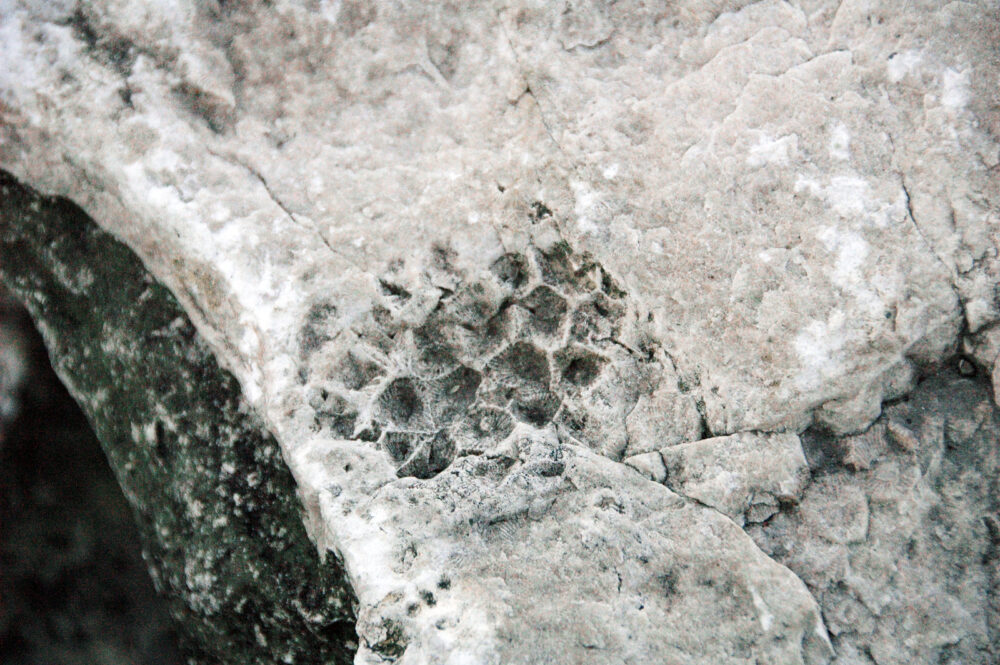
Many of Earth’s rock layers were once seafloors. Ripple marks, coral fossils, and mineral deposits reveal that much of today’s dry land was once underwater.
Limestone formations, built from shells and marine organisms, are especially common. Their chemical makeup records the composition of ancient oceans and even hints at the oxygen levels that made complex life possible. These ocean-born rocks help scientists trace how rising and falling sea levels shaped Earth’s continents and ecosystems over time.
7. Impact Events Are Written in the Rocks
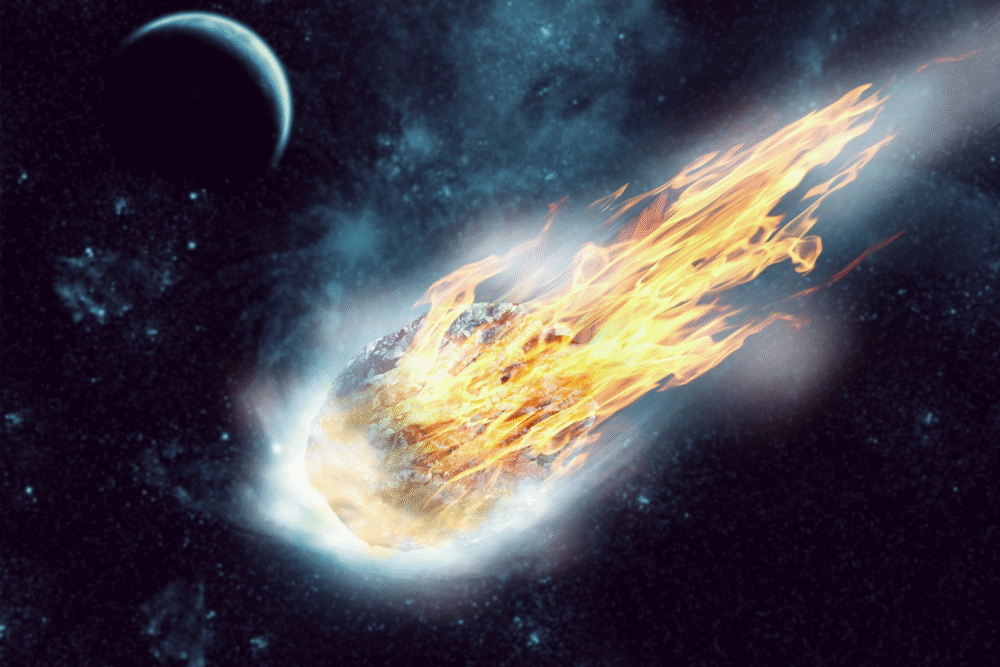
Around 66 million years ago, a thin global layer of iridium-rich clay marked the asteroid impact that wiped out the dinosaurs. Similar impact layers exist elsewhere in Earth’s crust, each recording a moment when space collided with our planet.
These layers often contain glass-like spherules formed by intense heat, along with shocked quartz crystals created by high pressure. They reveal how extraterrestrial impacts reshaped ecosystems and altered climate—sometimes ending eras and beginning new ones.
8. The Great Oxygenation Event Changed Everything
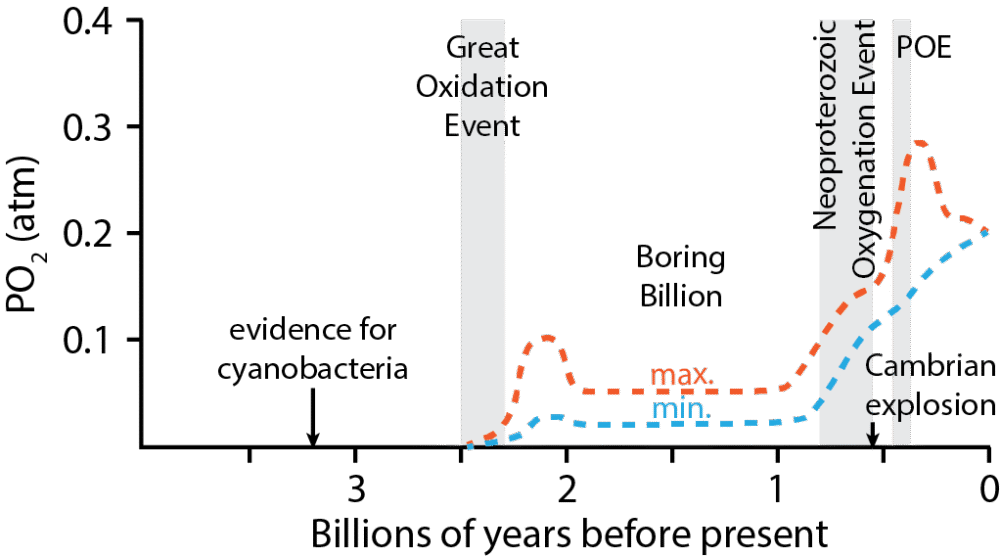
More than two billion years ago, bands of iron-rich rock known as banded iron formations began appearing around the world. These layers record one of the most important transitions in Earth’s history—the rise of oxygen in the atmosphere.
Cyanobacteria in ancient oceans produced oxygen through photosynthesis, rusting dissolved iron and leaving behind striking red and gray stripes. This “Great Oxygenation Event” transformed Earth’s chemistry and made complex life possible, a milestone still visible in rocks today.
9. Rocks Reveal Supercontinent Cycles
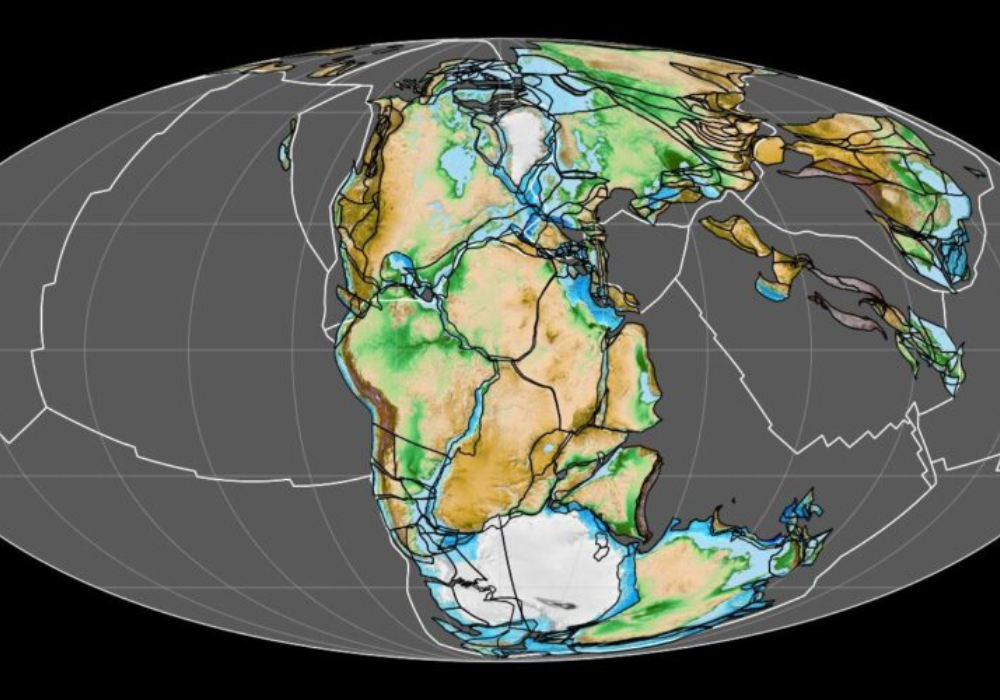
By comparing rock layers across continents, scientists can track the formation and breakup of supercontinents like Pangaea and Gondwana. Matching fossils and minerals found on distant lands show where continents once joined.
These shifting patterns reveal that plate tectonics has recycled Earth’s surface for billions of years. Each collision and breakup left distinct layers of mountain-building, erosion, and volcanism—evidence that our planet’s crust is far from static.
10. Chemical Traces Tell the Story of Extinction and Renewal

Certain layers show sudden spikes in elements like sulfur or carbon, signaling mass extinctions or global fires. Others show renewed biodiversity afterward, marking Earth’s capacity to recover.
The transition from one layer to the next often represents dramatic change—entire ecosystems erased and replaced by new ones. These shifts remind scientists that Earth’s history is cyclical, defined by destruction and renewal across deep time.
11. Every Layer Is a Reminder of a Living Planet
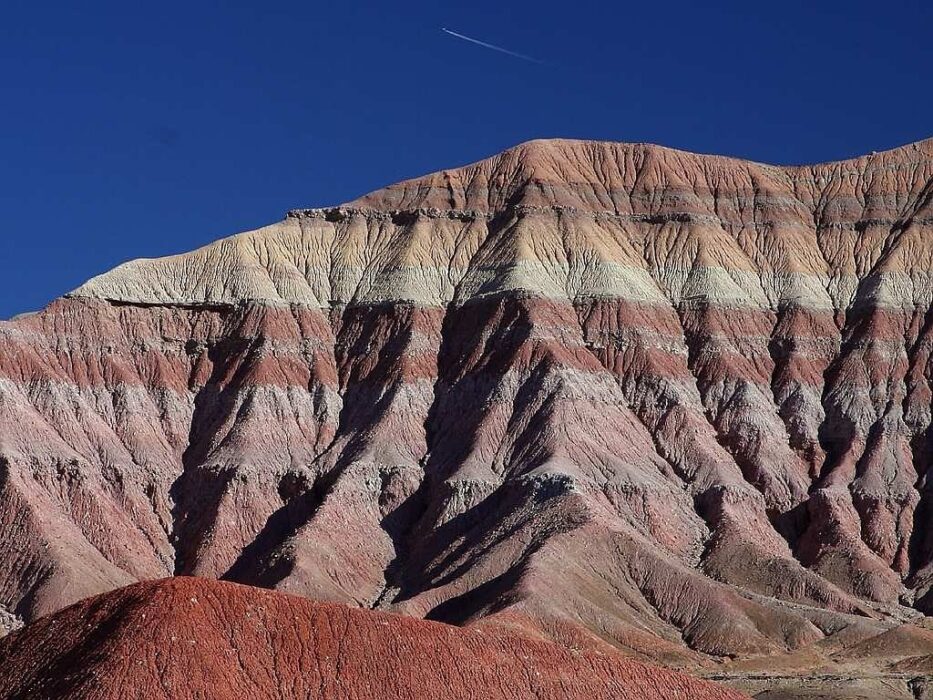
The “boring” rocks we walk on are, in truth, alive with stories of transformation. They record the shifting of oceans, the birth of mountains, and the emergence of life itself.
Each layer is a monument to change—evidence that Earth has never stopped reinventing itself. For scientists, decoding these layers isn’t just about studying the past; it’s about understanding the planet’s resilience and how it may respond to the challenges of the future.