
New data from NASA’s exoplanet missions suggest life may be surprisingly common.
For decades, scientists debated whether Earth might be the only world to host life. But recent discoveries suggest the universe could be far more alive than we imagined. Thanks to NASA’s Kepler and TESS missions, astronomers have confirmed thousands of exoplanets—planets orbiting other stars—and identified many that could sustain liquid water. Combined with what we’ve learned about Earth’s most extreme life forms, these findings suggest the odds of life elsewhere may be higher than ever before.
1. NASA Has Found Thousands of Exoplanets
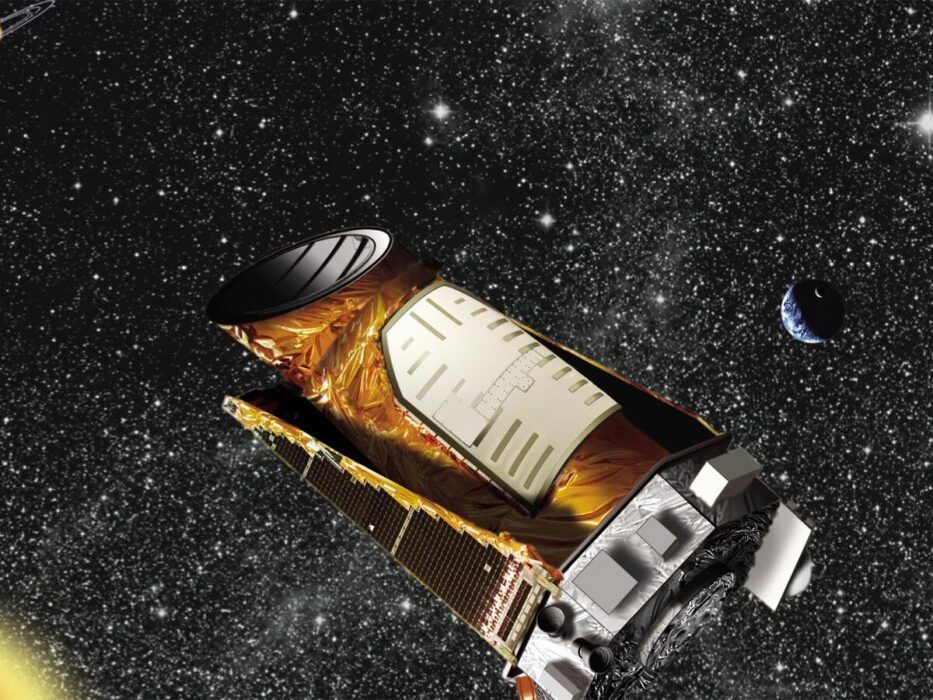
Since 2009, NASA’s Kepler Space Telescope and its successor TESS have revolutionized our understanding of the cosmos. They’ve confirmed more than 5,500 exoplanets and detected thousands of additional candidates.
These worlds range from gas giants to rocky, Earth-sized planets. Statistical models now estimate there could be over 300 million potentially habitable planets in our galaxy alone—suggesting that Earth is not as rare as once thought.
2. Many Planets Orbit in the “Habitable Zone”
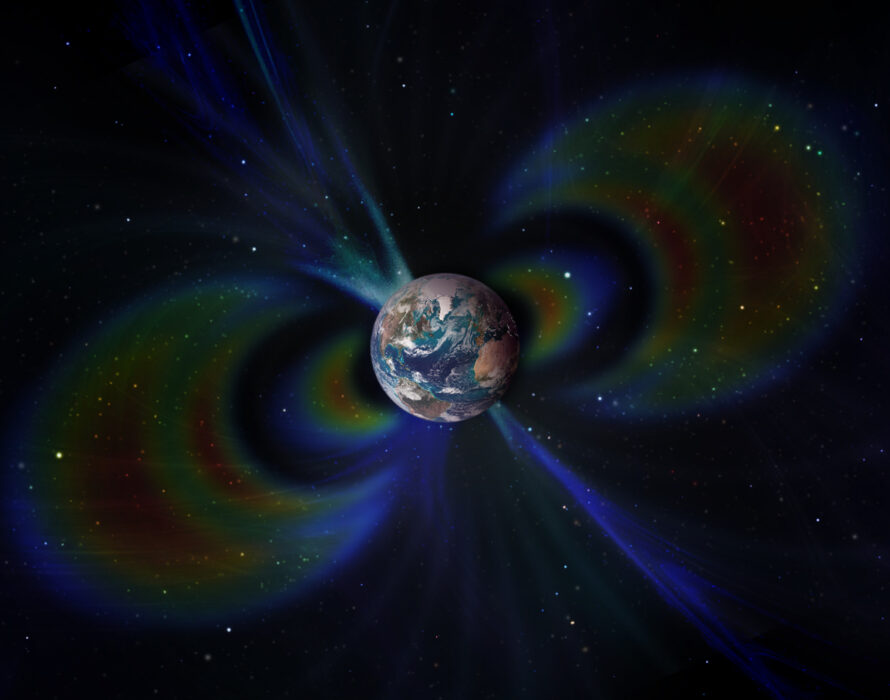
Astronomers define a star’s habitable zone as the region where temperatures allow liquid water to exist on a planet’s surface. Kepler found that many stars, especially those like our Sun, host planets within this zone.
Earth-sized worlds like Kepler-186f and TOI-700 d sit at just the right distance from their stars, making them prime candidates for life-supporting conditions. These discoveries greatly increase the odds that life could evolve elsewhere in our galaxy.
3. Extremophiles Changed the Definition of Habitability

On Earth, scientists have found organisms thriving in boiling volcanic vents, under Antarctic ice, and in radioactive caves. These extremophiles survive without sunlight, oxygen, or even moderate temperatures.
Their existence proves life doesn’t require Earth-like conditions—it simply needs stability and energy. This realization expands the possible habitats for extraterrestrial life, from Mars’s subsurface ice to the ocean worlds of Europa and Enceladus.
4. Ocean Moons May Be Prime Candidates for Life
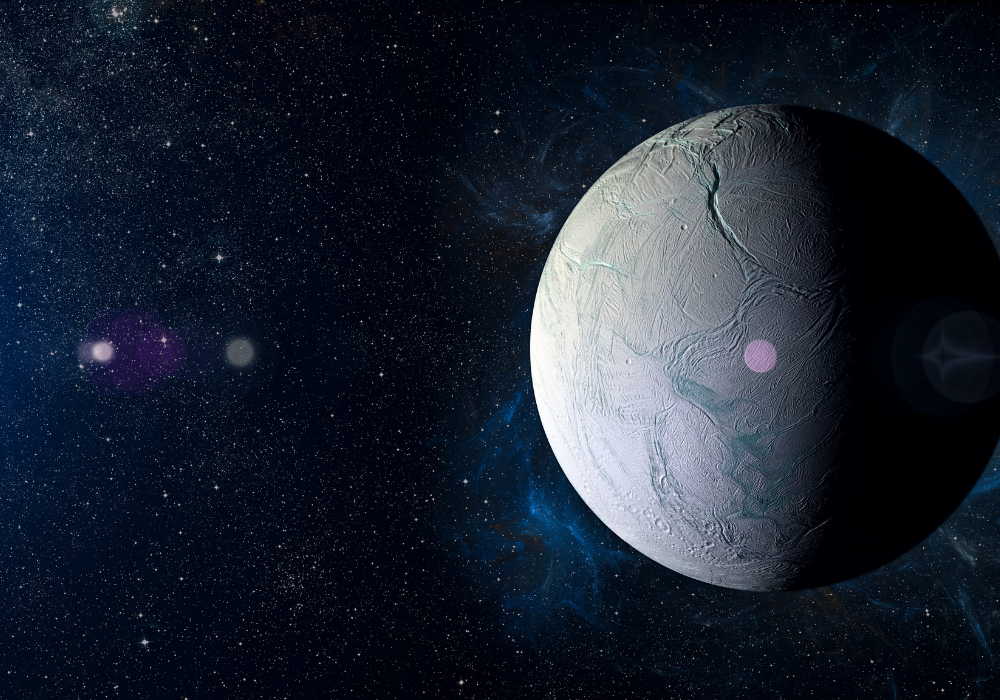
Beyond planets, several moons in our solar system harbor conditions ideal for microbial life. Jupiter’s moon Europa and Saturn’s Enceladus both contain subsurface oceans beneath icy crusts.
Spacecraft have detected water plumes erupting from Enceladus and chemical compounds that could sustain life. These discoveries suggest that life could thrive in environments powered by internal heat, rather than sunlight—vastly broadening where scientists look for it.
5. The Drake Equation Estimates Intelligent Civilizations
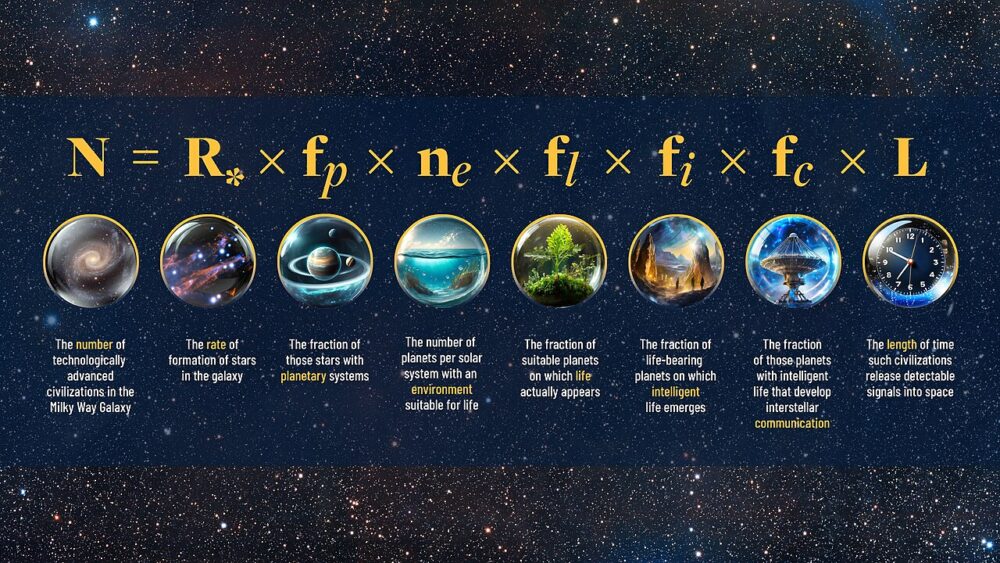
In 1961, astronomer Frank Drake developed an equation to estimate the number of communicative civilizations in our galaxy. Using updated data from NASA’s exoplanet missions, modern scientists now plug in much more accurate numbers.
Even with conservative assumptions, many calculations suggest that intelligent life could exist on thousands of planets across the Milky Way. The equation doesn’t guarantee alien civilizations—but it shows the statistical odds strongly favor their possibility.
6. SETI Continues to Search for Signals

The Search for Extraterrestrial Intelligence (SETI) uses powerful radio telescopes to listen for signals that might originate from intelligent sources. While no verified signals have been detected, the search area is still tiny compared to the vastness of space.
Modern instruments can now scan billions of radio frequencies at once, vastly improving detection capabilities. Each year, SETI expands its reach—making the silence we’ve heard so far more intriguing than discouraging.
7. The “Great Filter” May Explain the Silence
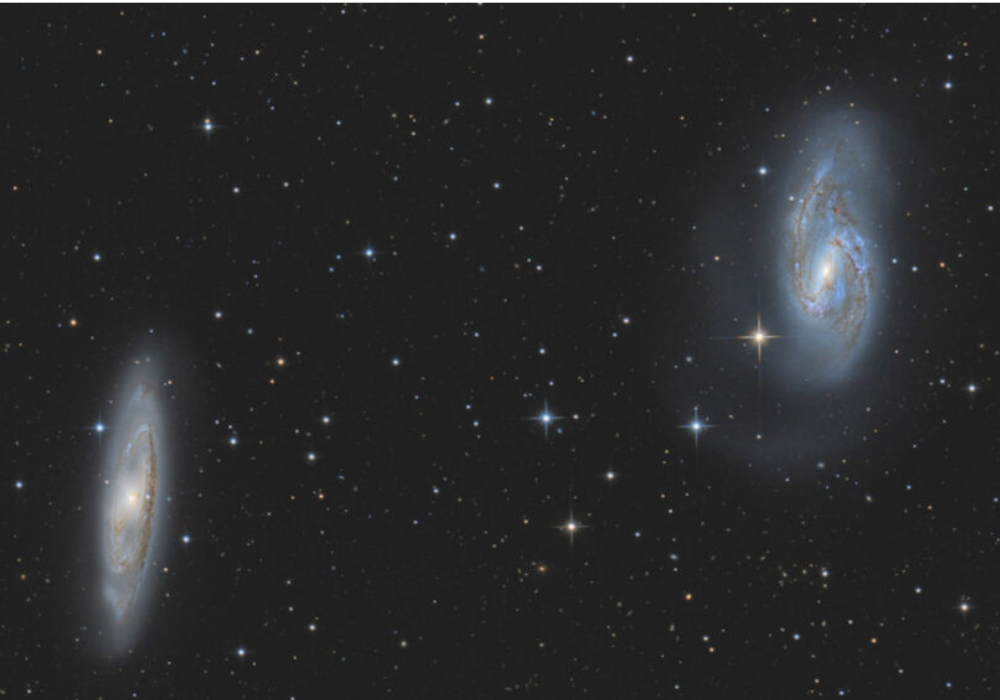
One major question remains: if intelligent life is common, why haven’t we found it? Scientists call this the Fermi Paradox, and one proposed answer is the “Great Filter.”
This theory suggests that while life may begin frequently, few civilizations survive long enough to communicate across the stars. Factors like extinction events, resource collapse, or self-destruction could explain why the universe appears quiet despite its immense potential.
8. Life Could Be Very Different From Ours
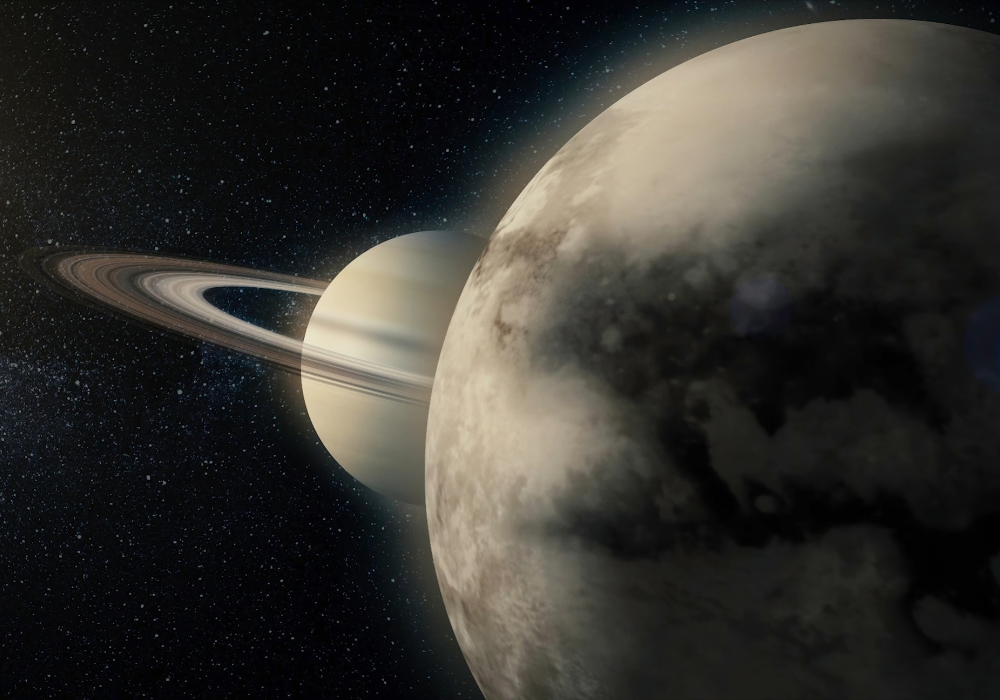
Many scientists believe we might be looking for the wrong kind of life. Earth-based biology relies on carbon and water, but alien life could form from different chemistry—such as silicon or ammonia-based systems.
Astrobiologists studying Titan, Saturn’s largest moon, believe its methane lakes could support such exotic life forms. Recognizing these possibilities helps scientists design instruments that can detect life very different from what we know.
9. Exoplanet Atmospheres May Hold the Clues
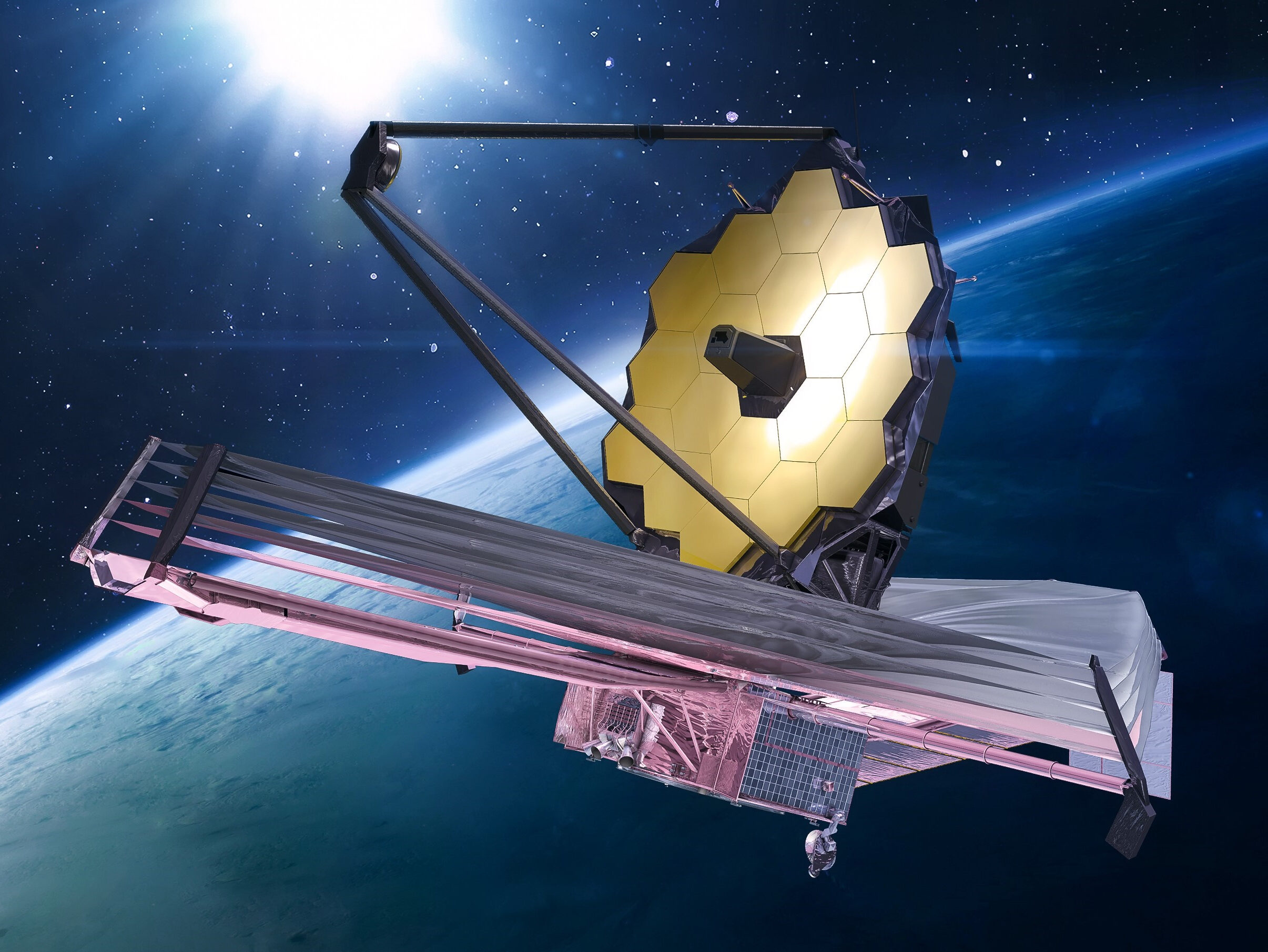
Next-generation telescopes like the James Webb Space Telescope (JWST) are analyzing the atmospheres of distant planets. By studying how starlight filters through them, astronomers can detect gases such as oxygen, methane, and carbon dioxide—potential biosignatures of life.
JWST has already examined several promising exoplanets, finding complex atmospheric patterns that hint at diverse chemical activity. Within the next decade, scientists hope to identify atmospheric evidence that could confirm life beyond Earth.
10. Mars Still Holds Intriguing Possibilities
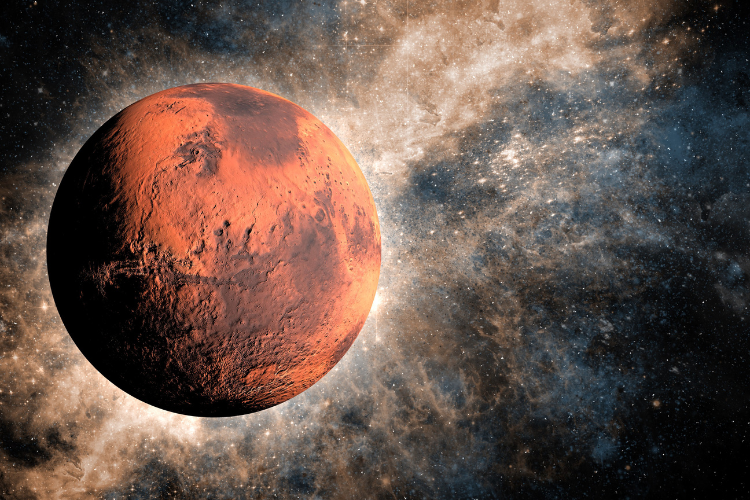
Mars remains one of the most studied planets in the solar system for signs of past or present life. Rovers like Perseverance have found organic molecules and evidence of ancient riverbeds and lake sediments.
Though no living organisms have been discovered, subsurface regions may still hold microbial life shielded from radiation. Future missions plan to return rock samples to Earth, where they can be examined for fossilized or living microbes.
11. Life May Be a Cosmic Imperative

Some scientists argue that life might be an inevitable outcome of the universe’s chemistry. Given the abundance of organic molecules found in interstellar dust, comets, and meteorites, the raw materials for life are everywhere.
If chemistry naturally leads to biology when conditions are right, then the emergence of life on Earth might not be unique—it could be the universe repeating a familiar pattern billions of times across countless worlds.
12. We May Be on the Verge of Discovery
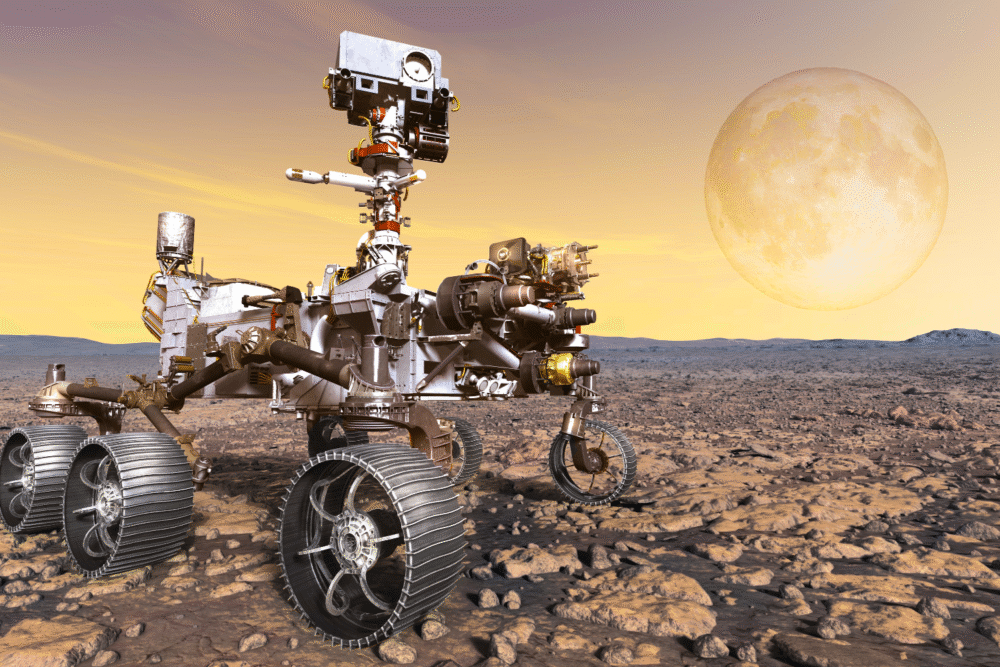
Every new mission—from Mars rovers to deep-space observatories—brings us closer to answering the question of whether we’re alone. Advances in astrobiology, atmospheric science, and AI-driven data analysis are accelerating the search.
Many experts believe that within the next 20 to 30 years, we could find definitive signs of life—microbial or otherwise. Whether it’s in an exoplanet’s atmosphere or an icy moon’s ocean, the evidence may soon confirm that life is not the exception but a cosmic rule.