
Researchers say orcas are offering humans fish and shells in a mysterious new behavior.
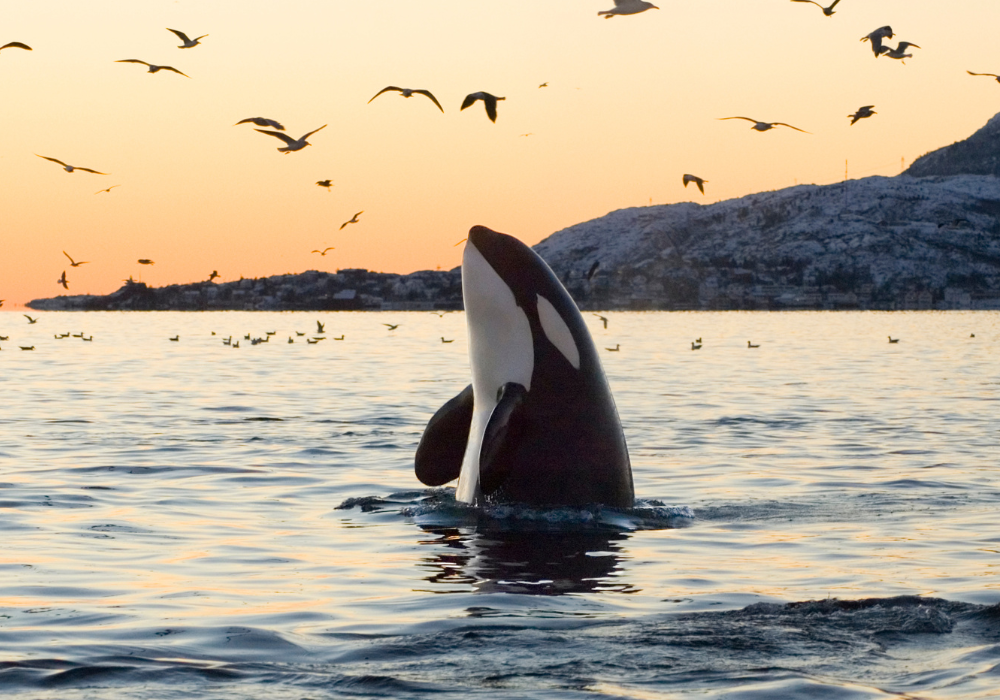
Orcas have long fascinated scientists with their intelligence and complex social lives, but a new behavior is leaving researchers baffled—and captivated. In several coastal regions, orcas have been observed bringing humans “gifts,” such as fish, seaweed, and even fragments of shell. Marine biologists are racing to understand whether this unusual exchange signals play, curiosity, or an attempt at communication. The phenomenon raises new questions about the emotional depth and social intelligence of one of the ocean’s most powerful predators.
1. Orcas Are Presenting Fish and Sea Creatures to Humans
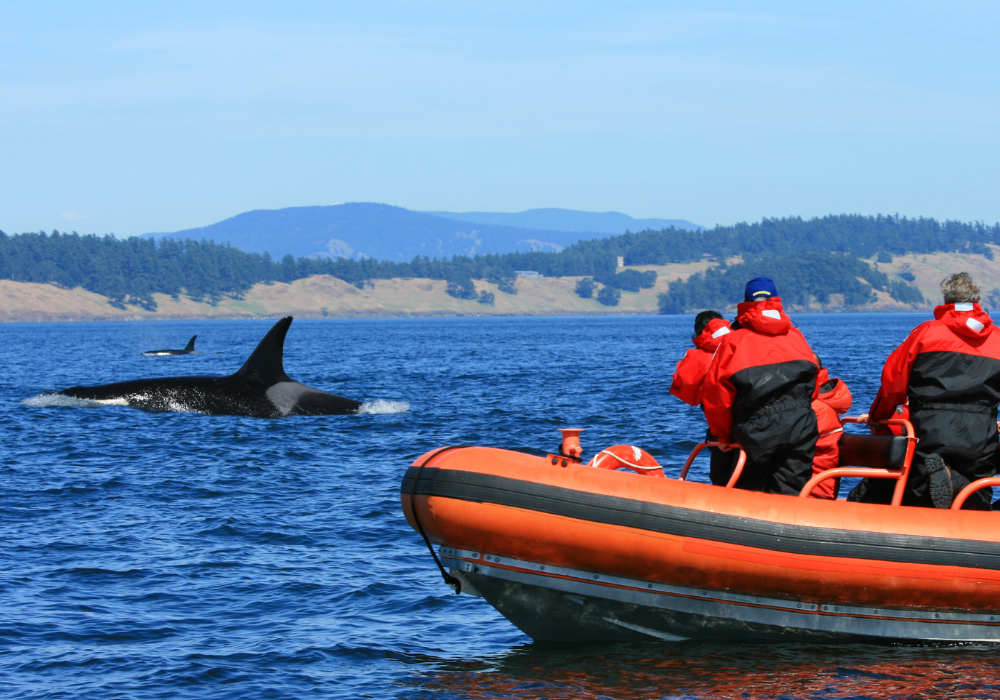
Reports of orcas surfacing near boats with fish in their mouths are increasing, particularly in regions off Canada, New Zealand, and Norway. Some whales have even released the fish directly toward humans before swimming away.
Researchers note that this behavior is rare among wild orcas, which are typically cautious around humans. The gesture resembles “gift-giving” seen in other intelligent species, sparking intrigue over its purpose and meaning.
2. Scientists First Noticed the Behavior Near New Zealand
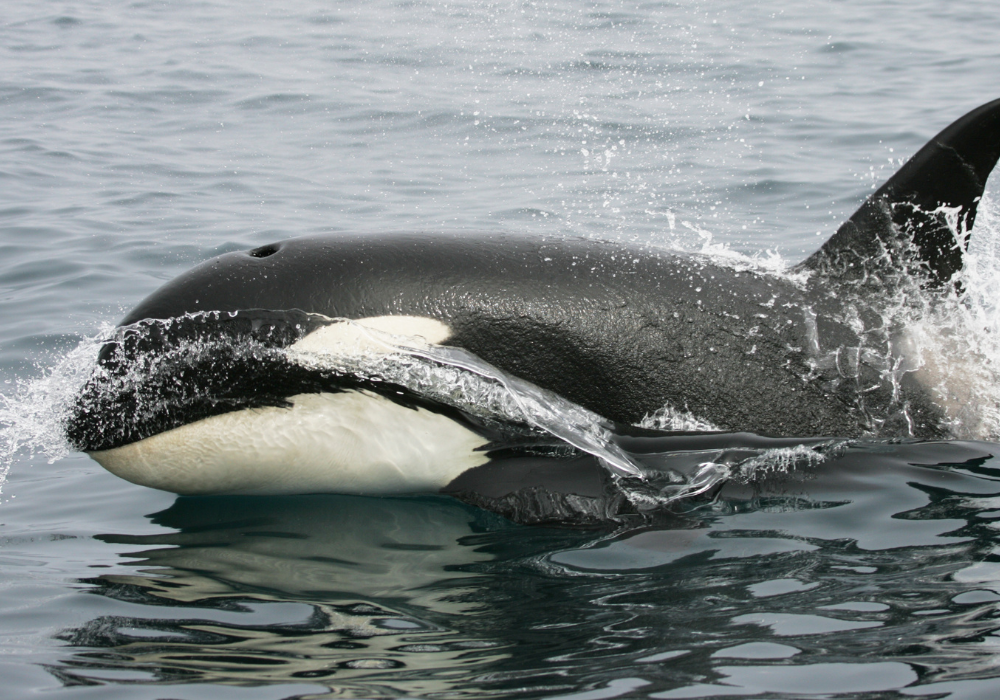
The earliest consistent observations came from New Zealand’s South Island, where divers and fishers began documenting orcas surfacing with offerings as early as 2023. Videos show the animals gently presenting snapper, stingrays, or kelp to boats.
Marine ecologists there say the behavior appears deliberate, not accidental. While it’s unclear why the orcas are doing it, the frequency of interactions suggests a developing social pattern rather than isolated curiosity.
3. Gift-Giving Is Rare but Not Unheard Of in Nature
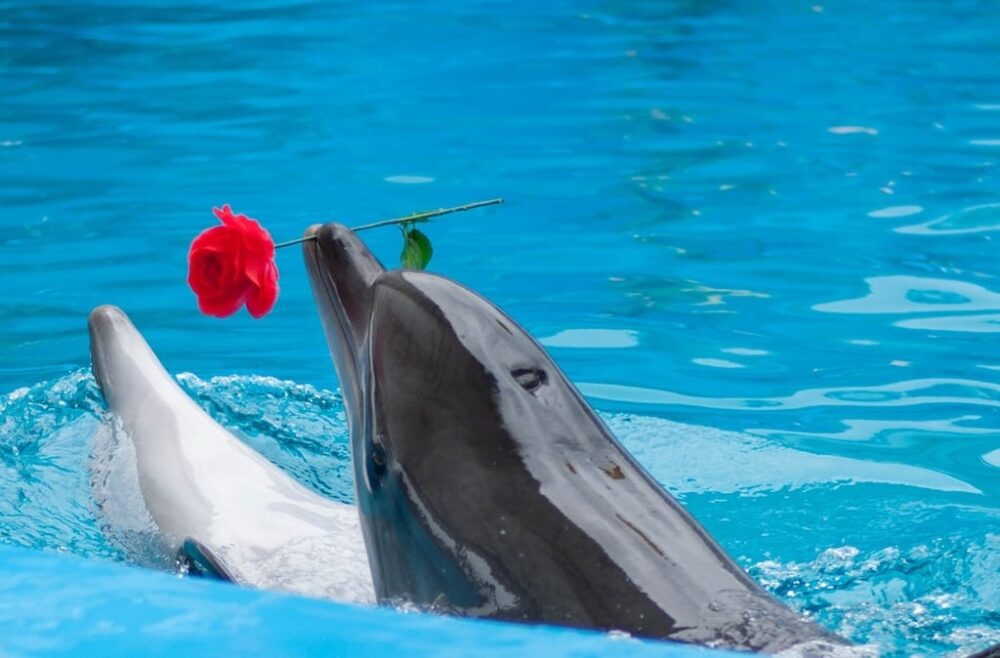
Some animals—like dolphins, crows, and even cats—have been observed offering gifts to humans or other species. These gestures often appear tied to social bonding, play, or learned behavior reinforced by attention or food rewards.
With orcas, such interactions are striking because they suggest advanced cognitive intent. Scientists believe this may represent an attempt to initiate social exchange, a behavior that demonstrates emotional awareness and problem-solving ability.
4. It May Be Linked to Playful or Exploratory Behavior
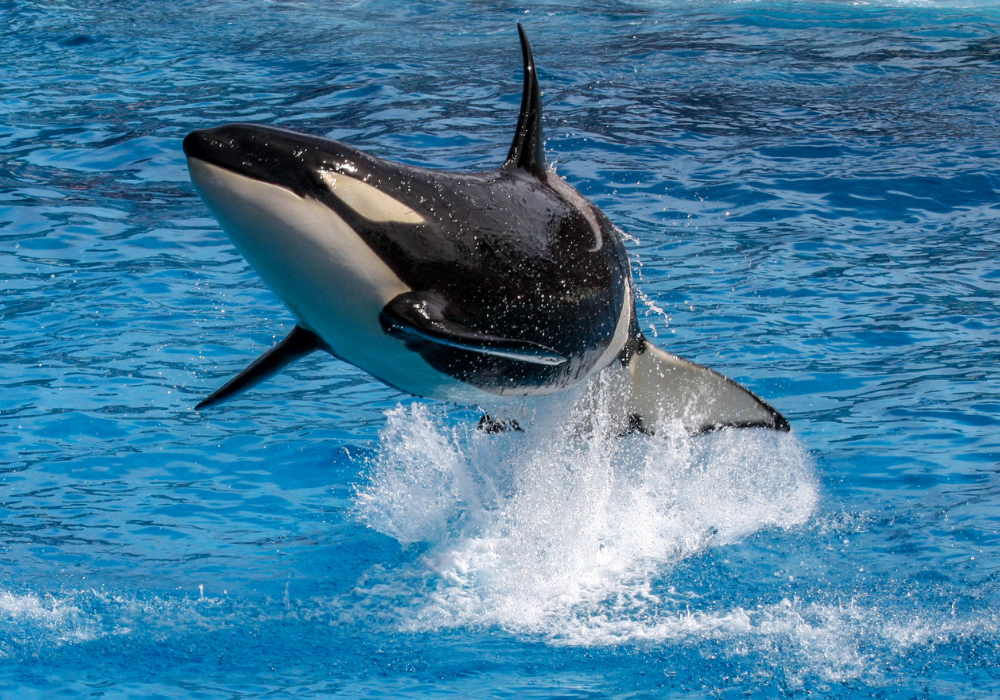
Orcas are highly playful and curious, often interacting with objects and creatures in their environment. Researchers suggest the whales might view humans as intriguing participants in their social world.
Play behavior in orcas is thought to serve learning and bonding purposes, helping young whales develop communication and hunting skills. Gift presentation could be an extension of this natural play instinct directed toward humans.
5. The Whales Could Be Mimicking Human Behavior
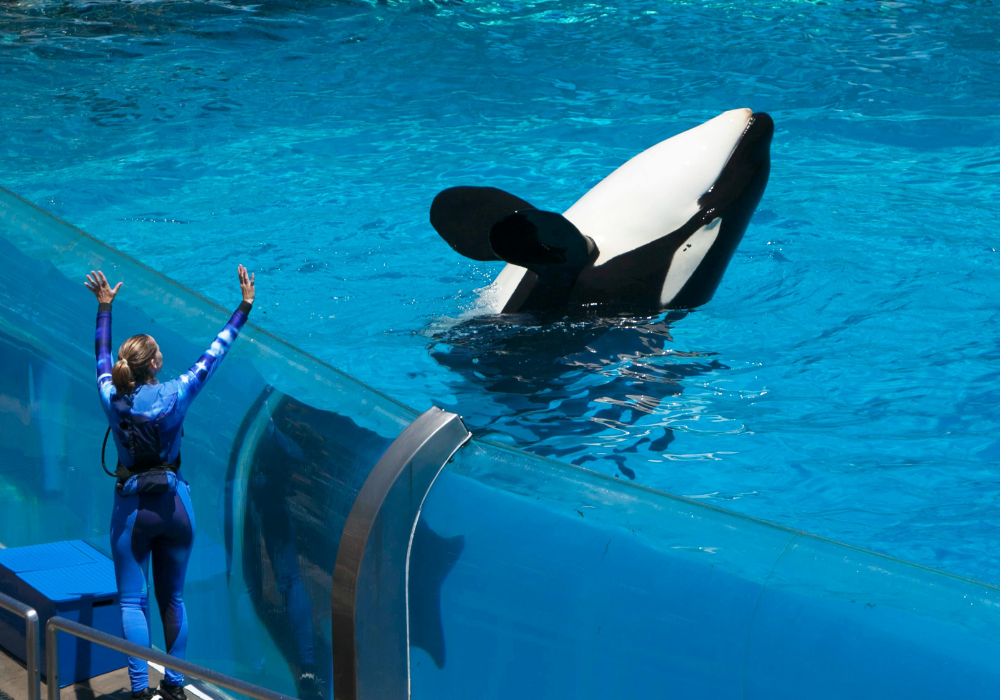
Some experts believe the whales are responding to human actions—possibly imitating people offering or dropping fish into the water. Orcas are known for social learning and imitation, often copying each other’s calls or movements.
If this theory is correct, the “gift exchange” could represent cultural learning passed among pods. That possibility excites researchers, who see it as further proof that orca societies develop and share traditions.
6. Social Bonds Might Drive the Interactions
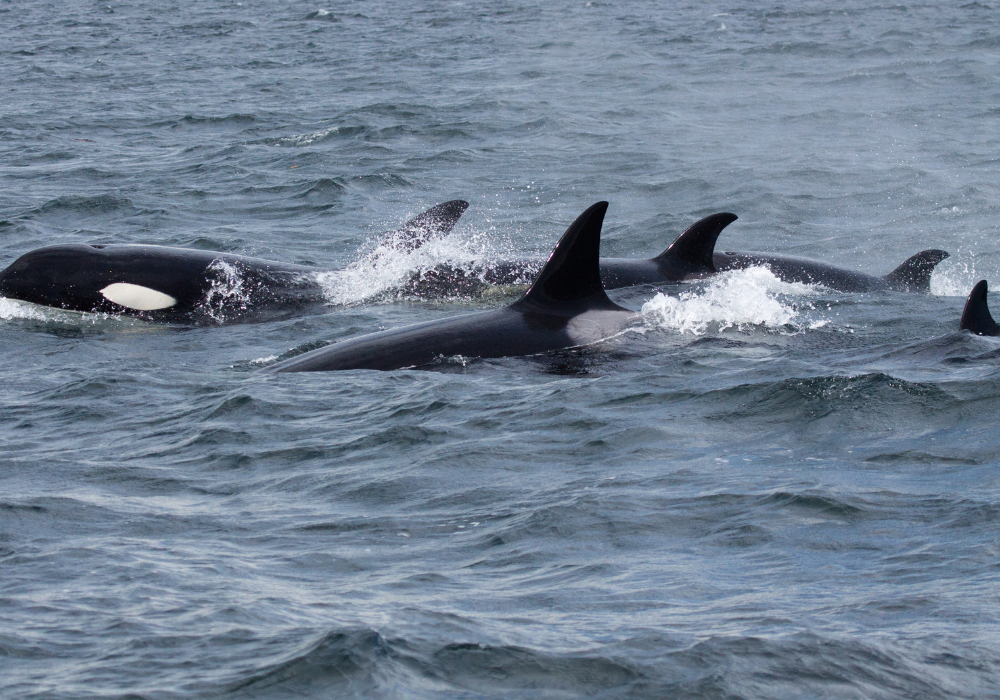
In tightly knit orca pods, behaviors often emerge from strong social dynamics. Researchers think these “gifts” might be part of an affiliative gesture—an attempt to connect or build trust with unfamiliar beings.
Such actions would reflect empathy and cooperation, traits previously documented in captive and wild orca communities. If the whales perceive humans as allies rather than threats, they may be extending gestures of goodwill.
7. Some Scientists Caution Against Over-Interpreting the Acts
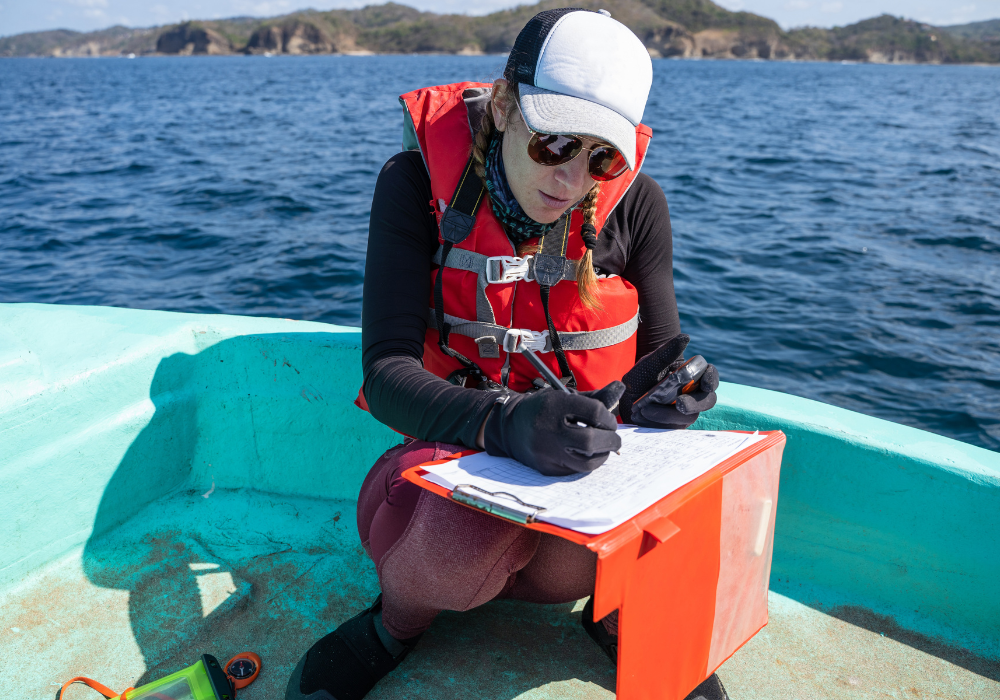
While the gift-giving is captivating, experts warn against projecting human meaning onto animal behavior. Without consistent patterns or context, it’s difficult to know whether the whales intend to “share” or are simply experimenting.
Marine behaviorists emphasize the importance of systematic observation before drawing conclusions. Still, the recurring reports across regions suggest that something more than coincidence is taking place beneath the surface.
8. The Behavior Might Be Tied to Shifting Environments
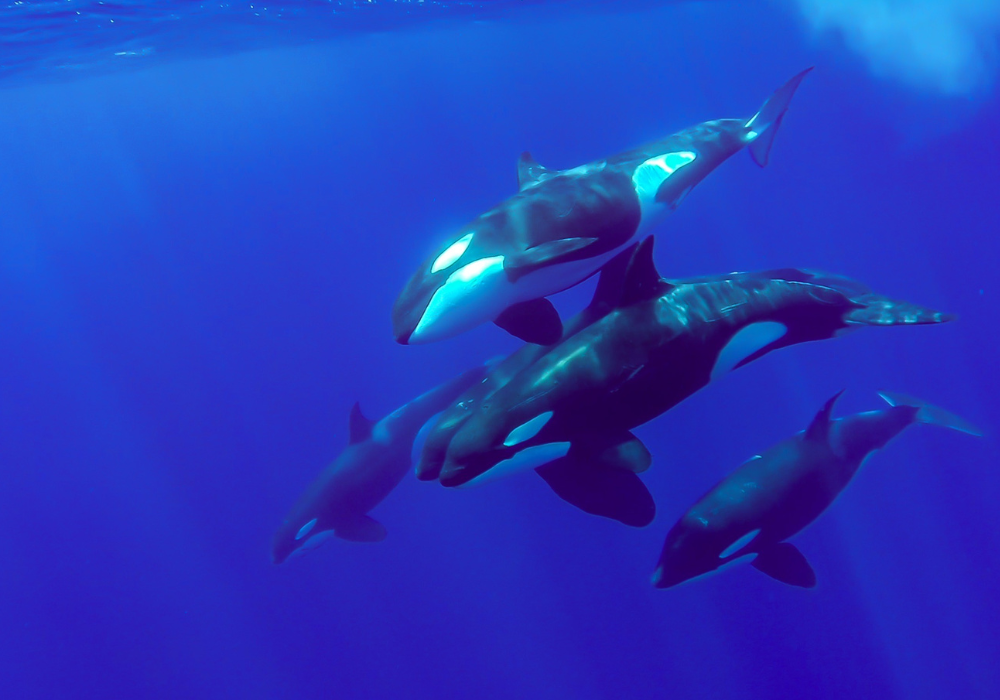
Environmental changes could be influencing whale interactions. As food sources move due to warming oceans, orcas may encounter humans more frequently and respond in new ways.
Increased proximity could encourage experimentation or communication attempts. Scientists are monitoring whether changing ocean conditions might explain the rise in these interactions as part of broader behavioral adaptation.
9. This Isn’t the First Time Orcas Have Surprised Scientists

In recent years, orcas have displayed other startling behaviors—such as ramming sailboats off Spain and teaching one another to interact with rudders. Many of these acts show social learning and emotional complexity.
Gift presentation may be another chapter in this evolving story of intelligence. Researchers say these emerging behaviors demonstrate how orcas continuously adapt and develop new ways to interact with their environment.
10. What It Reveals About Orca Intelligence and Emotion
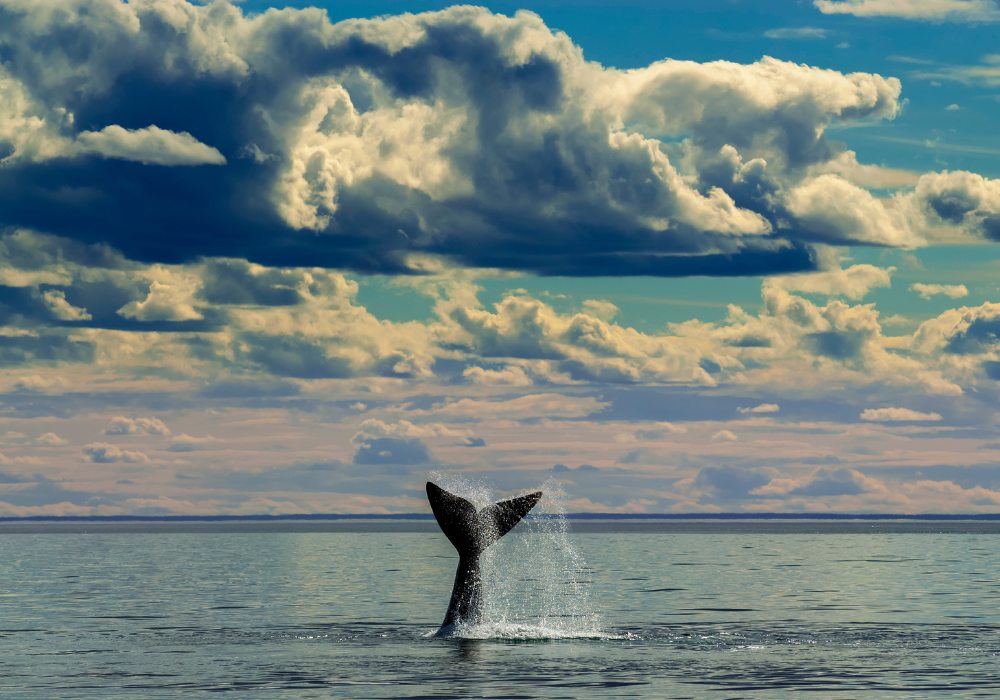
Whether play, imitation, or communication, the gift-giving phenomenon reinforces what scientists already know: orcas possess remarkable emotional intelligence. They demonstrate self-awareness, cultural transmission, and even empathy.
The idea that these apex predators might offer gifts to humans challenges how we see them—not just as powerful hunters but as sentient, socially conscious beings. For scientists, the mystery is as fascinating as the gesture itself: what, exactly, are the orcas trying to tell us?