
Scientists say unusually warm Pacific waters are driving extreme weather into late autumn.

The Pacific Ocean—Earth’s largest heat reservoir—is running hotter than ever recorded, and the effects are showing up everywhere. Scientists say sea surface temperatures are now so high that the normal transition from summer to fall is being delayed across vast regions. From record heat in North America to unusual rainfall patterns in Asia, the Pacific’s warmth is reshaping global weather. Experts warn that if the trend continues, the world could experience prolonged heatwaves well into seasons that once brought relief.
1. The Pacific Is at Record-Breaking Temperatures
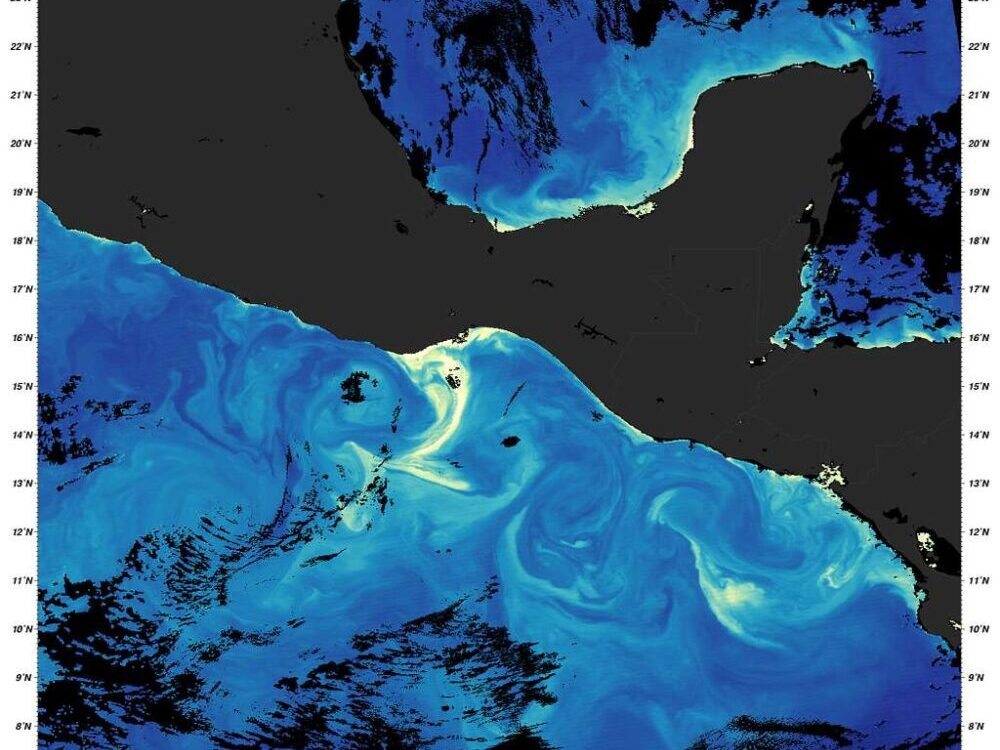
Satellite data shows that large swaths of the Pacific Ocean are several degrees warmer than average. This includes both tropical and mid-latitude waters, where the temperature anomalies are historically high.
Researchers link the warming to long-term climate change and a strengthening El Niño pattern. The combination traps more heat in the upper ocean, disrupting weather systems that depend on cooler sea surfaces to trigger seasonal changes.
2. Jet Streams Are Losing Their Seasonal Rhythm

Jet streams—fast-moving air currents that guide weather—rely on temperature contrasts between the equator and poles. When the Pacific stays hot, those contrasts weaken, causing the jet streams to wobble and slow down.
This slowdown can lock heat domes or storms in place for longer, amplifying extremes. Meteorologists say this is why regions that should be cooling are instead stuck under lingering warmth or heavy rain.
3. Fall Heatwaves Are Becoming the New Normal
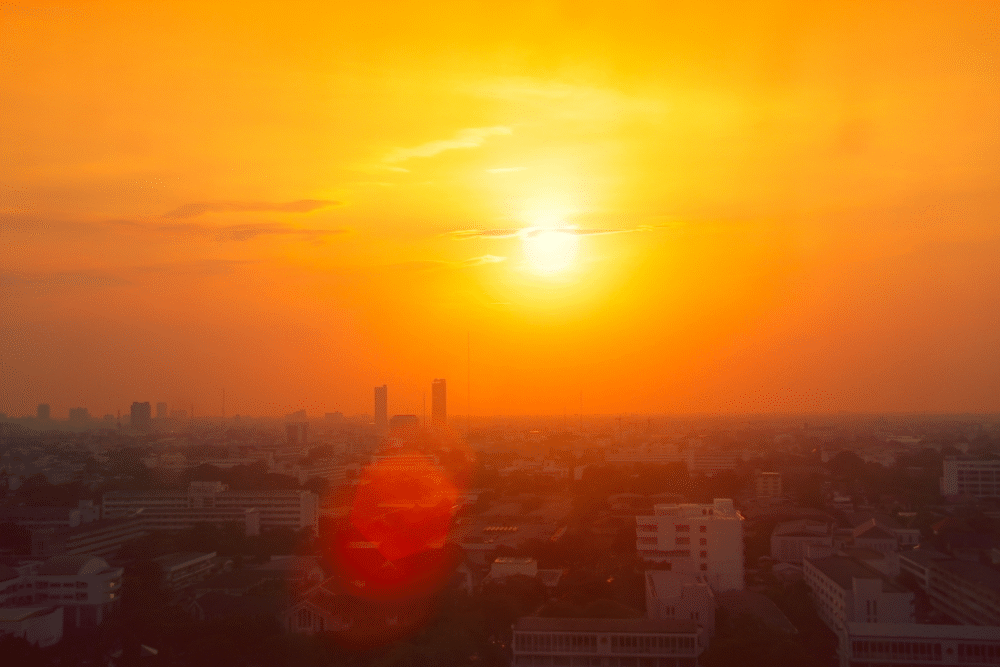
Many parts of the Northern Hemisphere are reporting record-breaking autumn temperatures. Cities from Los Angeles to Tokyo are experiencing September and October highs that resemble midsummer.
Scientists attribute this shift directly to the ocean’s excess heat. The Pacific releases stored warmth into the atmosphere, delaying the seasonal cooling that typically defines fall. These extended warm spells could soon become standard in many regions.
4. Marine Ecosystems Are Reaching Critical Stress Levels
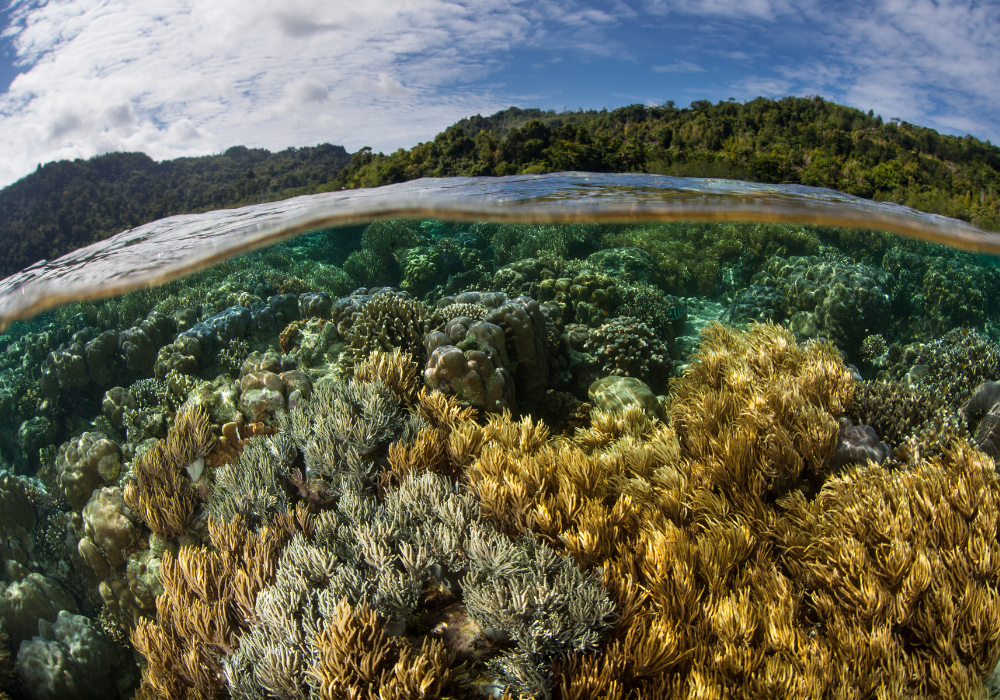
It’s not just weather on land that’s affected. The overheated Pacific is pushing marine ecosystems to their limits. Coral bleaching events, fish migrations, and die-offs are increasing as oxygen levels drop in warmer water.
Marine biologists warn that sustained ocean heat can trigger long-term ecological collapse. The loss of biodiversity could ripple through global food chains and coastal economies for years to come.
5. El Niño Is Amplifying the Warming Effect
This year’s strong El Niño is magnifying the Pacific’s natural heat cycles. The phenomenon pushes warm water eastward across the ocean, further elevating temperatures near the Americas.
When combined with background climate warming, El Niño creates a powerful one-two punch. Experts say this pairing explains why 2025 could see the warmest global ocean readings in recorded history.
6. Wildfire Risks Are Rising in Drier Regions

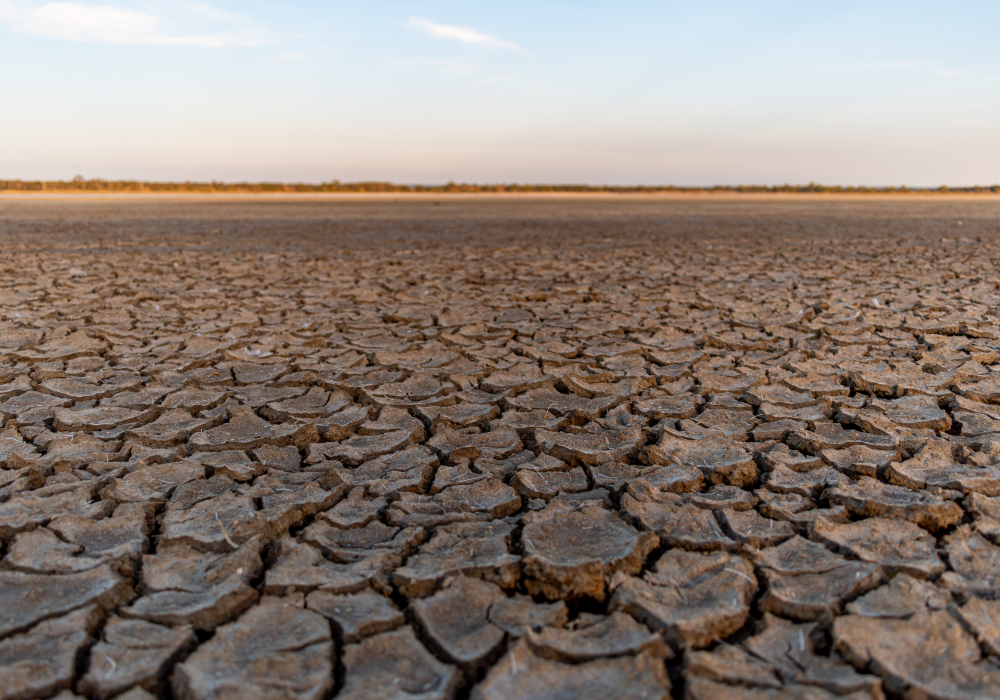
Hotter seas mean drier air in key regions such as the U.S. West Coast and Australia. As Pacific-driven weather systems shift northward, rainfall becomes less reliable and fire seasons stretch longer.
Meteorologists note that even a one-degree ocean temperature increase can significantly alter moisture delivery inland. With forests drying earlier and staying parched later, wildfire risks rise long after summer should have ended.
7. The Tropics Are Generating Stronger Storms
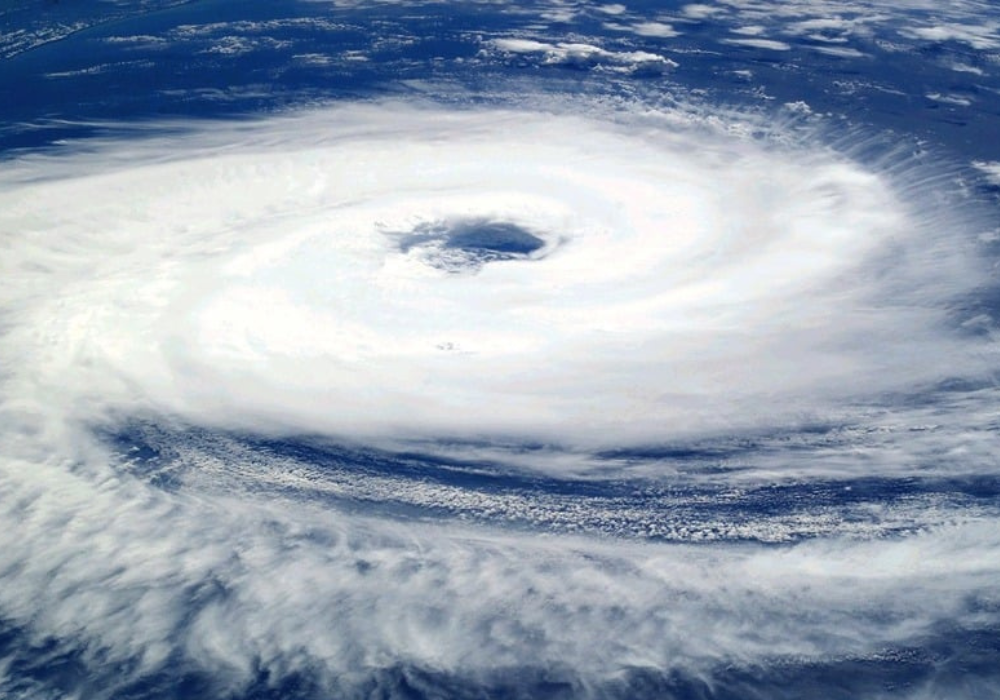
While some areas face drought, others are seeing the opposite. Warmer ocean water fuels tropical cyclones, allowing them to form faster and grow stronger. This year’s Pacific storms have been unusually intense and long-lasting.
Scientists say this pattern may persist as the ocean continues to warm. Storms that once faded after landfall are now re-energizing over unusually warm waters, increasing flooding and damage potential.
8. Agricultural Patterns Are Being Disrupted
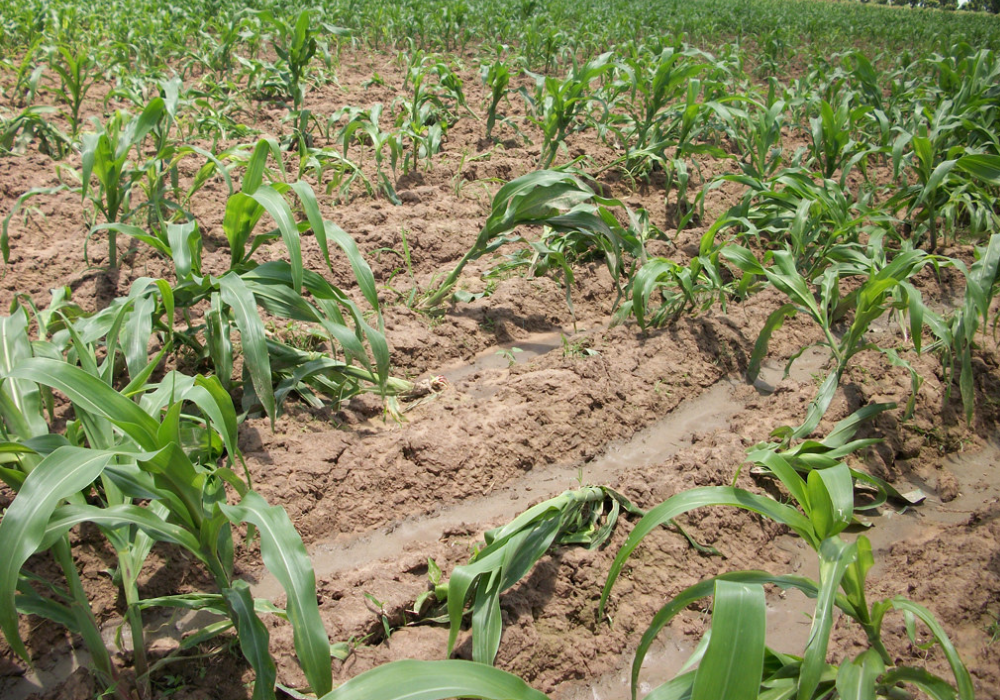
Farmers across Asia and North America are grappling with shifting rainfall patterns and delayed planting cycles. Crops dependent on predictable seasonal changes are particularly vulnerable.
Extended heat and inconsistent rain can reduce yields and alter harvest schedules. Agricultural experts warn that the Pacific’s prolonged warmth could eventually destabilize global food supplies if the trend continues unchecked.
9. Ocean Heat Is Fueling Record Global Temperatures
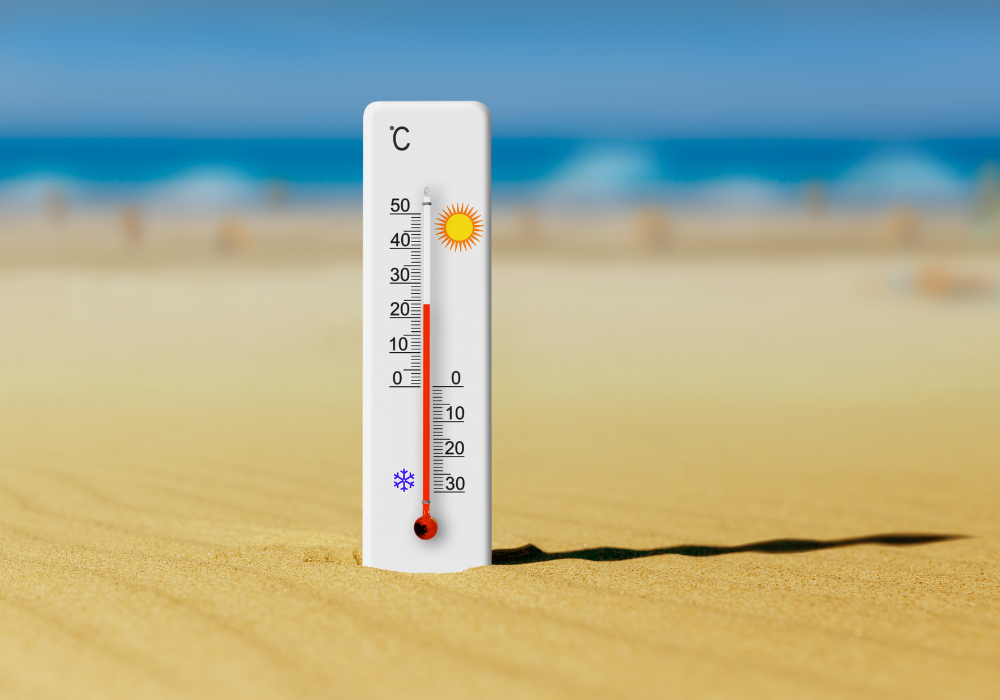
The Pacific’s record heat doesn’t stay confined to the ocean. It radiates upward, contributing to higher global air temperatures. The past year’s unprecedented heat records have coincided directly with this marine warming phase.
Climate scientists emphasize that ocean heat is the planet’s energy “battery.” When it’s overcharged, it releases excess warmth that amplifies heatwaves and shifts long-term climate patterns worldwide.
10. Scientists Say It’s a Warning of What’s to Come

Experts view the Pacific’s current state as both alarming and instructive. It shows how rising ocean temperatures can alter entire seasonal systems, turning familiar weather patterns upside down.
If current warming trends continue, the line between summer and fall could blur permanently in many regions. Scientists say this event should serve as a warning: the oceans are changing faster than our seasonal rhythms can adapt.