
Experts warn the world’s waste is rising faster than we can recycle or contain it.
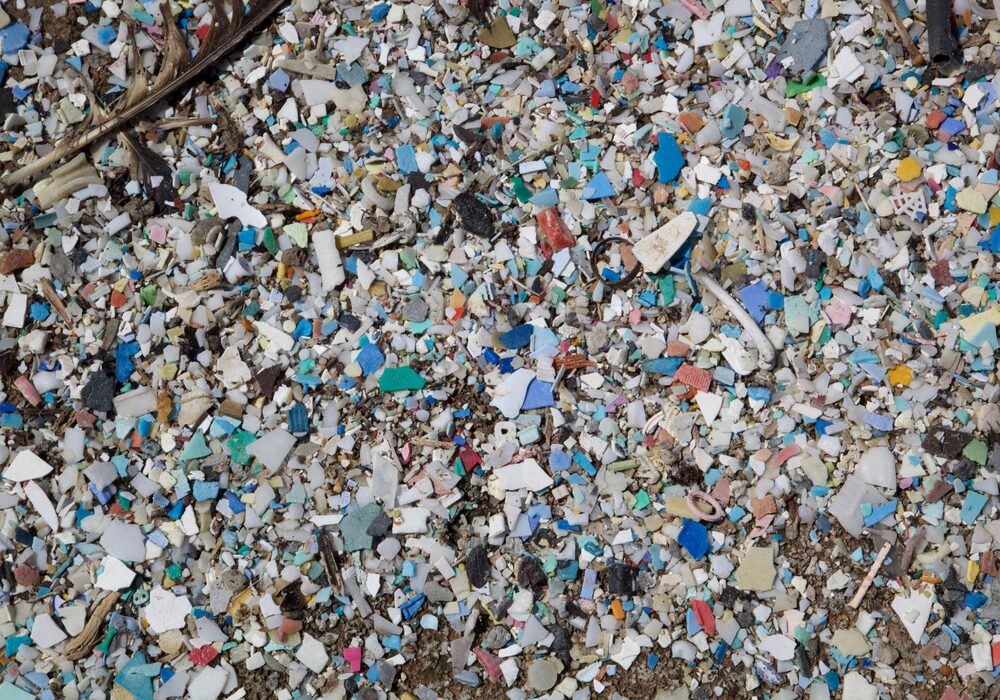
Every year, humanity produces billions of tons of garbage—and the pile is growing faster than the population itself. From overflowing landfills to plastic-choked oceans, the world’s waste crisis has become a defining environmental challenge of our time. Even the most advanced nations are struggling to manage their refuse, while developing countries face mounting health and pollution risks. Scientists now warn that without drastic changes, the planet could literally drown in its own trash within decades.
1. Global Waste Is Expected to Nearly Double by 2050
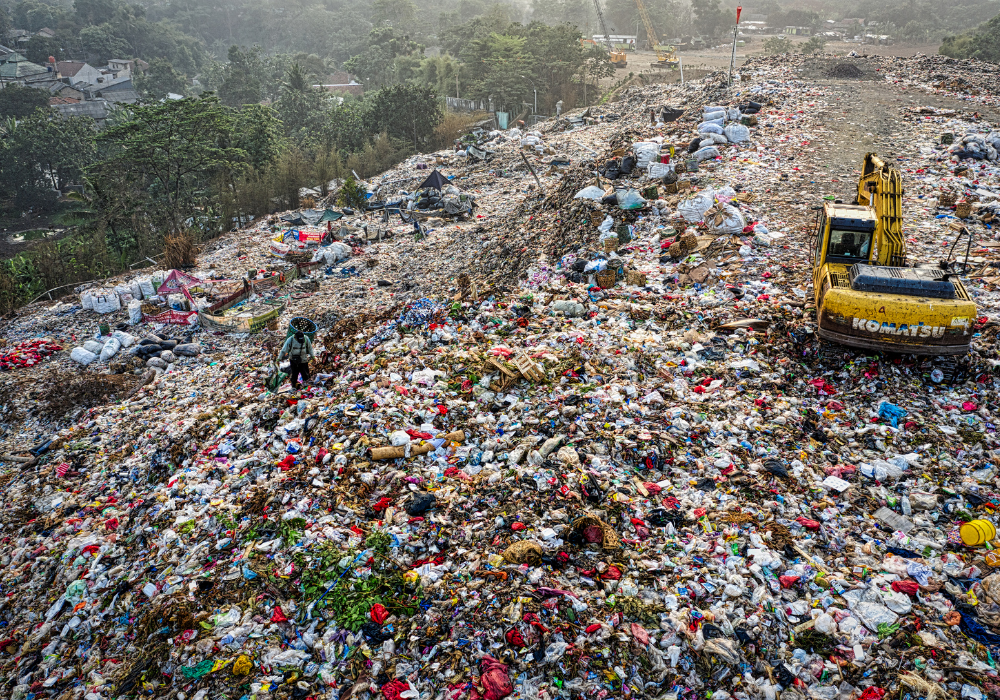
According to projections by international environmental organizations, global waste generation could soar from about 2.2 billion tons today to nearly 4 billion by mid-century. Population growth and rising consumerism are driving this surge, especially in developing economies where waste systems lag behind.
This acceleration means cities will need to handle more garbage in the next 25 years than in all previous human history combined. Without better recycling, composting, and waste-to-energy systems, landfills and oceans will continue to fill at catastrophic rates.
2. Plastic Waste Remains the Fastest-Growing Pollutant
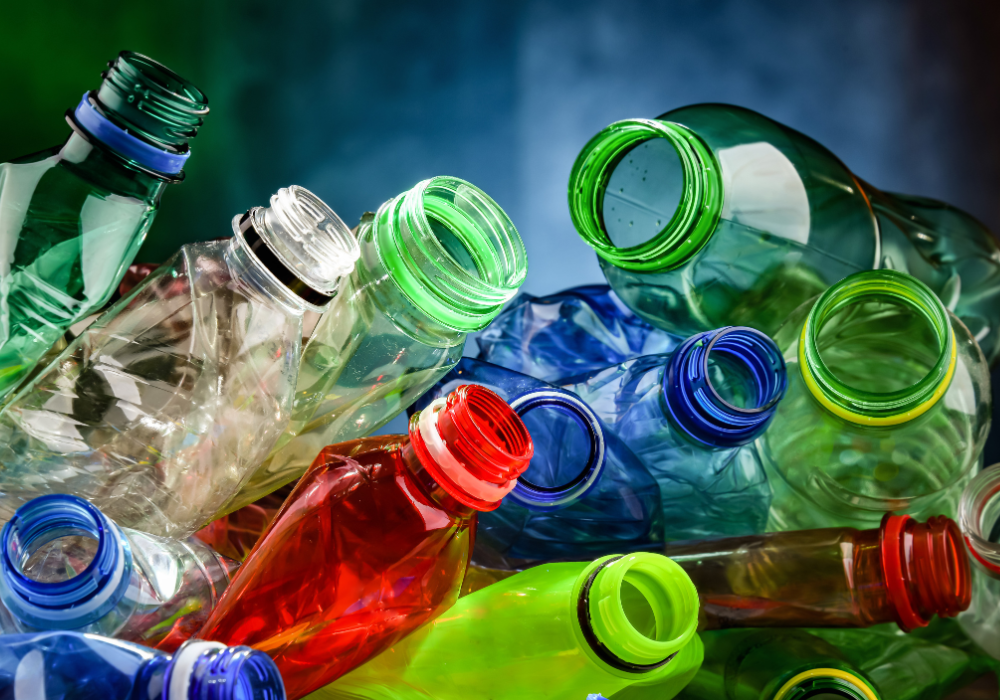
Plastic production has exploded over the past 70 years, and much of it ends up in the environment. An estimated 11 million metric tons of plastic enter the oceans each year, a number expected to triple by 2040 if no major interventions occur.
Despite bans on single-use plastics in some regions, the material’s durability and low cost keep it ubiquitous. Microplastics now contaminate air, soil, water, and even human blood, underscoring how inescapable the problem has become.
3. Recycling Systems Are Failing to Keep Pace
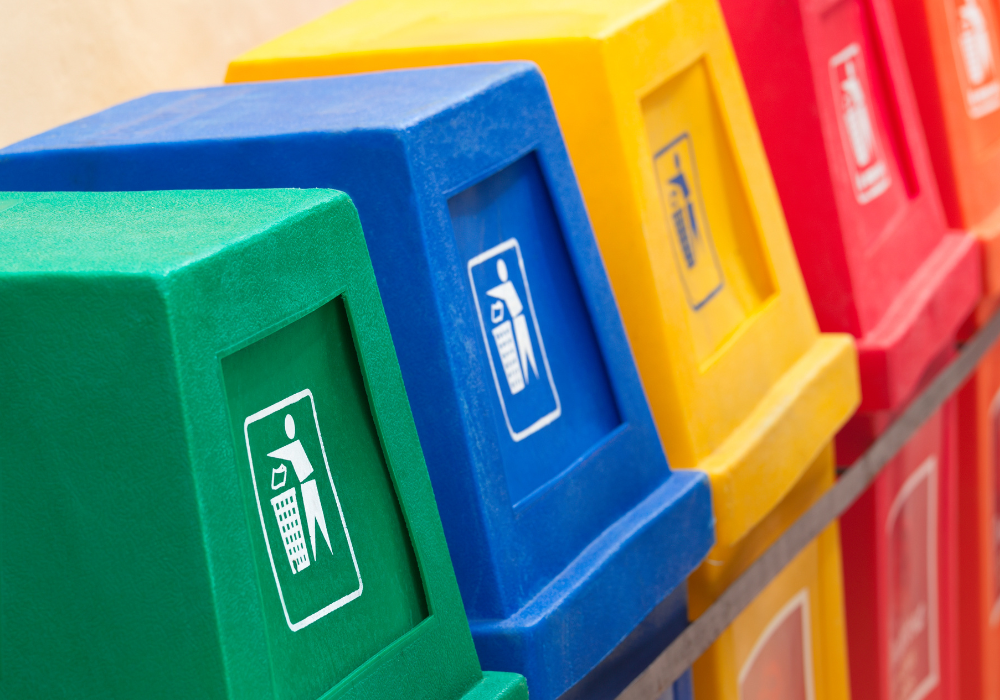
While recycling was once seen as the solution, global rates have stagnated at roughly 9% for plastics and under 20% for all waste. Many countries lack proper sorting infrastructure, and contamination makes much of what’s collected unrecyclable.
Developing nations often import other countries’ waste, only to burn or dump it. The recycling industry also struggles with fluctuating market prices for recovered materials, discouraging investment in better technologies or logistics.
4. Landfills Are Overflowing and Releasing Methane
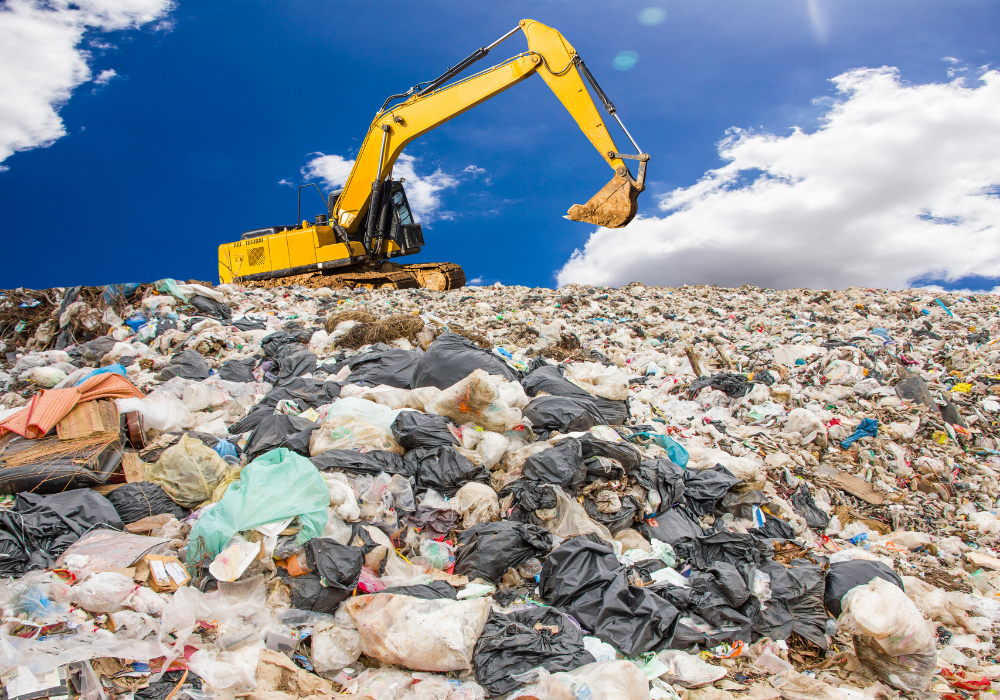
Landfills are now the third-largest source of human-related methane emissions, a greenhouse gas far more potent than carbon dioxide. As organic waste decomposes, it releases methane into the atmosphere, accelerating climate change.
Many landfills have reached capacity, forcing cities to transport waste hundreds of miles away or burn it, further worsening air quality. Modern waste management systems exist, but most countries still rely heavily on open dumping or poorly regulated landfill operations.
5. Developing Nations Bear the Brunt of the Crisis
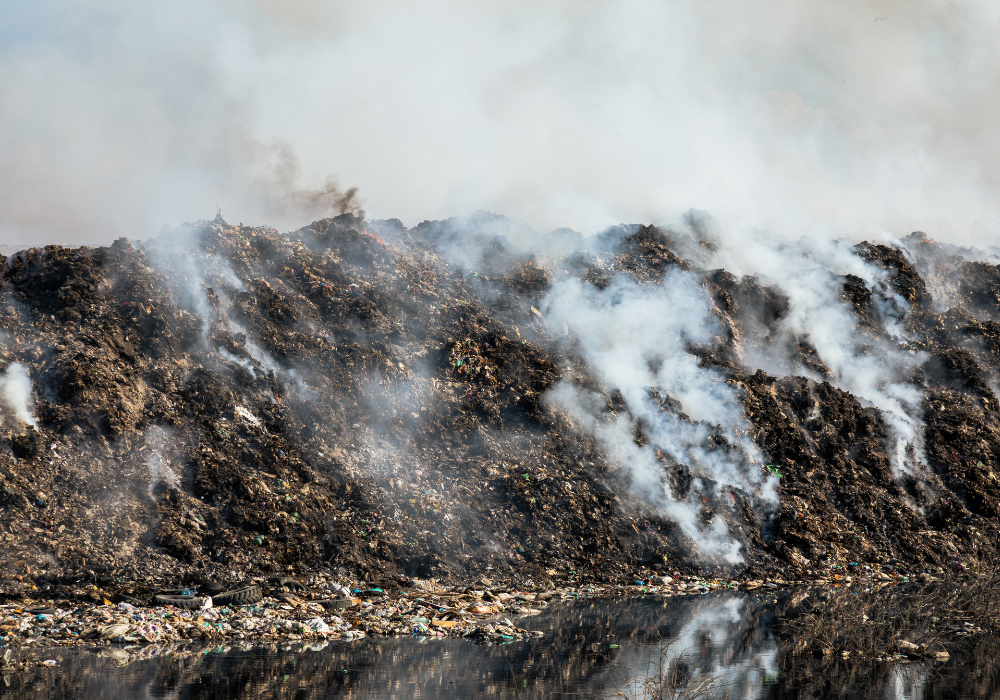
High-income nations often export their garbage to poorer countries under the guise of recycling. Unfortunately, much of that imported waste is non-recyclable and ends up in open dumps or rivers, creating severe environmental and health hazards.
Communities near these sites face contaminated water, toxic smoke from burning plastics, and disease outbreaks. This waste trade highlights the global inequality of pollution—where wealthier nations offload responsibility onto those least equipped to manage it.
6. Food Waste Is a Hidden Environmental Disaster
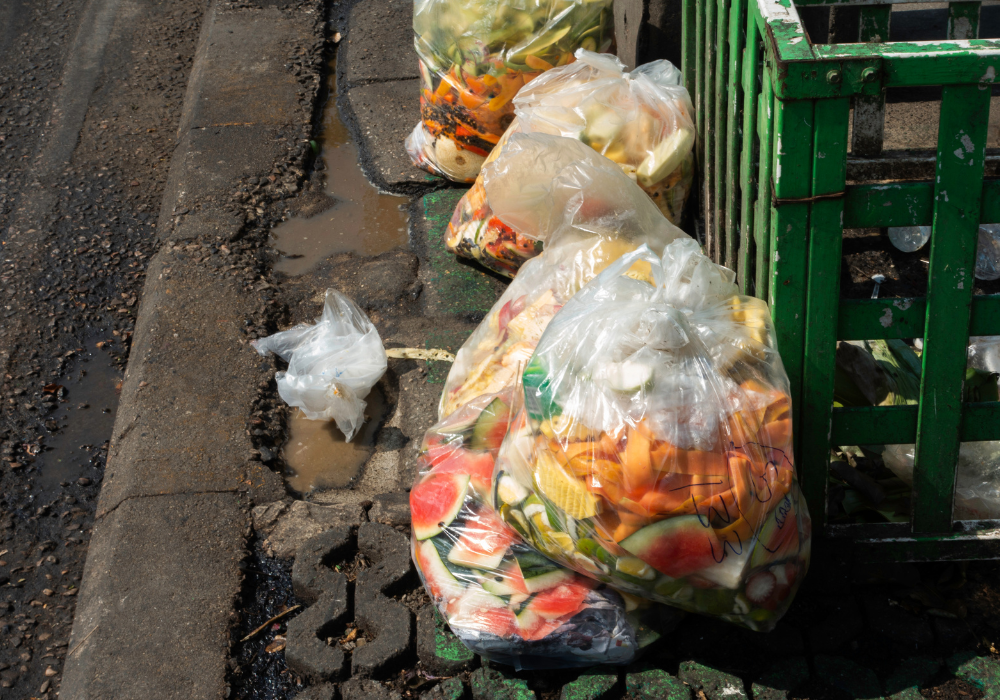
Roughly one-third of all food produced globally is lost or wasted each year—about 1.3 billion tons. When food decomposes in landfills, it emits methane and represents wasted energy, water, and agricultural resources.
In many countries, inefficient supply chains, poor storage, and consumer habits drive unnecessary losses. Reducing food waste could ease both hunger and environmental strain, yet most policies focus more on disposal than prevention.
7. Oceans Are Becoming the Planet’s Final Dumping Ground
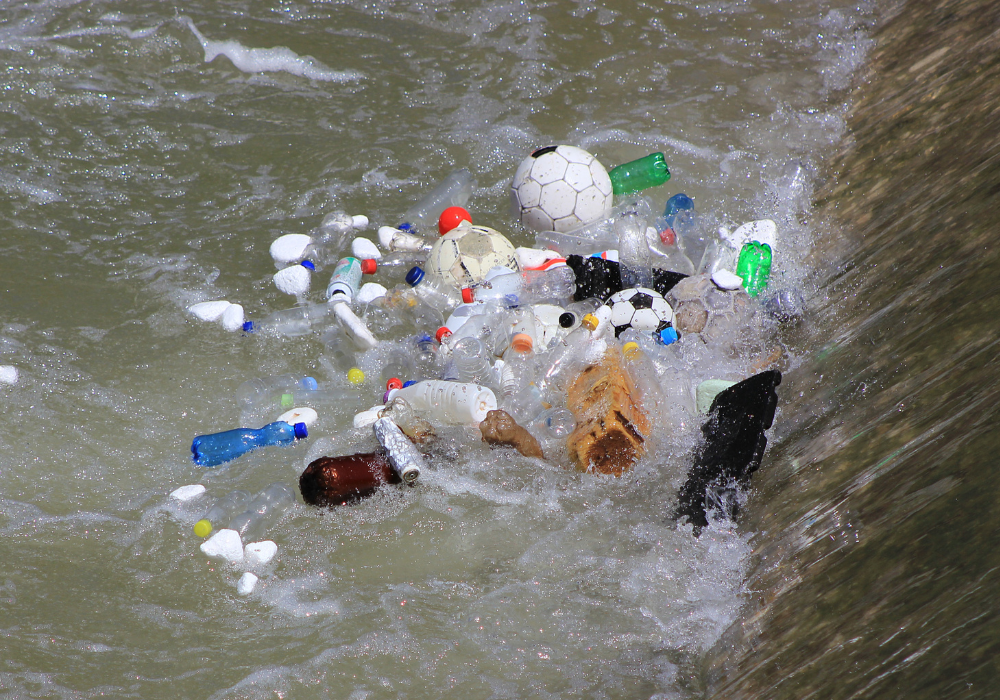
The Great Pacific Garbage Patch, a floating mass of debris twice the size of Texas, symbolizes how human waste invades marine ecosystems. Millions of marine animals die each year after ingesting or becoming entangled in plastic.
Coastal countries, especially in Asia, are primary contributors due to limited waste infrastructure. Once waste enters waterways, it’s nearly impossible to remove. These plastics break down into microfragments that persist for centuries, threatening the entire ocean food web.
8. Waste-to-Energy Has Promise but Comes with Costs
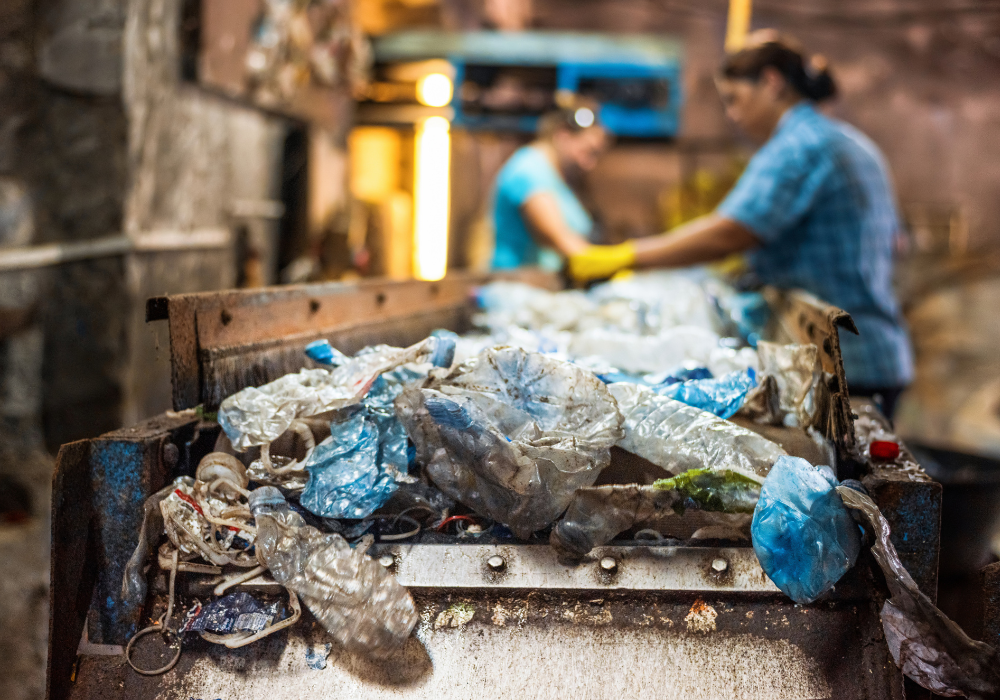
Converting waste into energy through incineration or gasification can reduce landfill volume and generate power. Some nations, like Sweden and Japan, rely heavily on these systems to manage municipal waste efficiently.
However, burning trash releases pollutants if not properly filtered, and facilities are expensive to build and maintain. Environmental experts warn that waste-to-energy should complement, not replace, recycling and reduction programs to avoid perpetuating the cycle of overconsumption.
9. Electronic Waste Is the World’s Fastest-Growing Stream
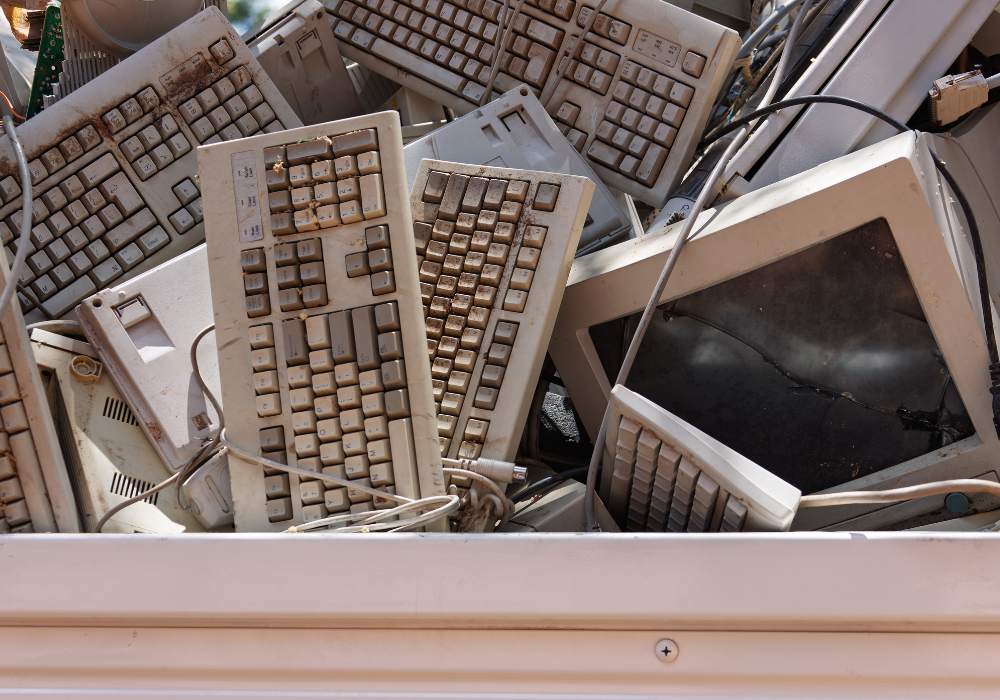
Every year, the world produces over 60 million metric tons of e-waste—discarded phones, computers, and appliances. Only about 20% is formally recycled. The rest often ends up in informal dumps where workers dismantle devices by hand, exposing themselves to toxins like lead and mercury.
As technology advances and upgrade cycles shorten, the problem worsens. Recovering valuable materials like gold and copper from electronics could reduce mining impacts, but global collection systems remain fragmented and inconsistent.
10. Climate Change Is Making Waste Management Harder
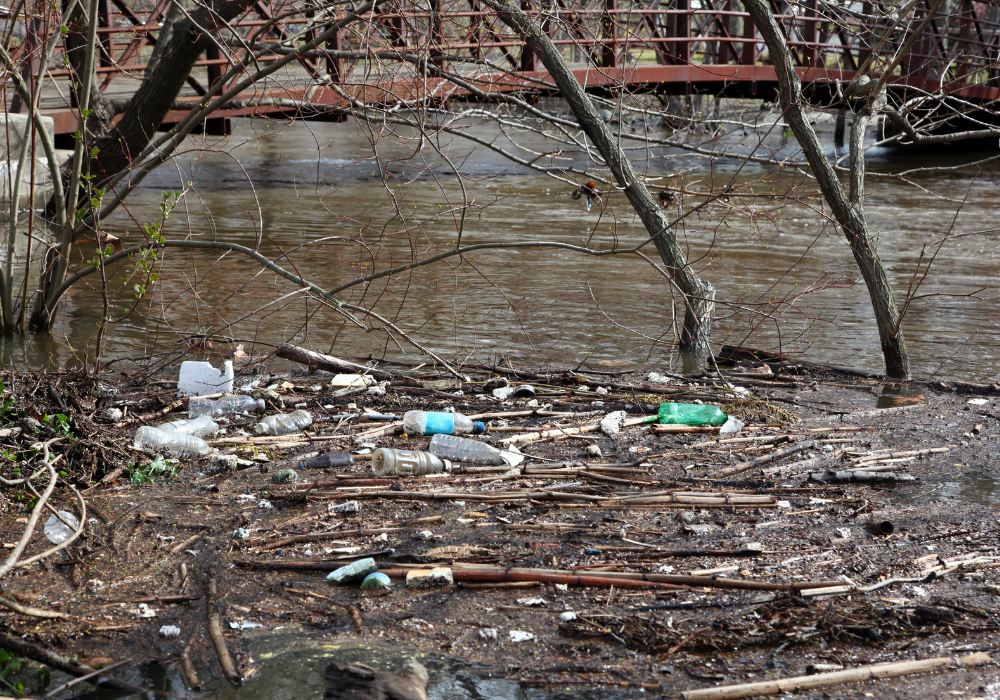
Extreme weather events—floods, hurricanes, and wildfires—destroy infrastructure and scatter debris across vast areas. Waste from disasters adds millions of tons of new material that must be cleared, sorted, and disposed of safely.
Warmer temperatures also speed decomposition and methane release, creating new environmental challenges for landfill management. Many countries are unprepared to deal with the dual burden of climate disasters and mounting waste.
11. The Only Sustainable Solution Is to Produce Less Waste
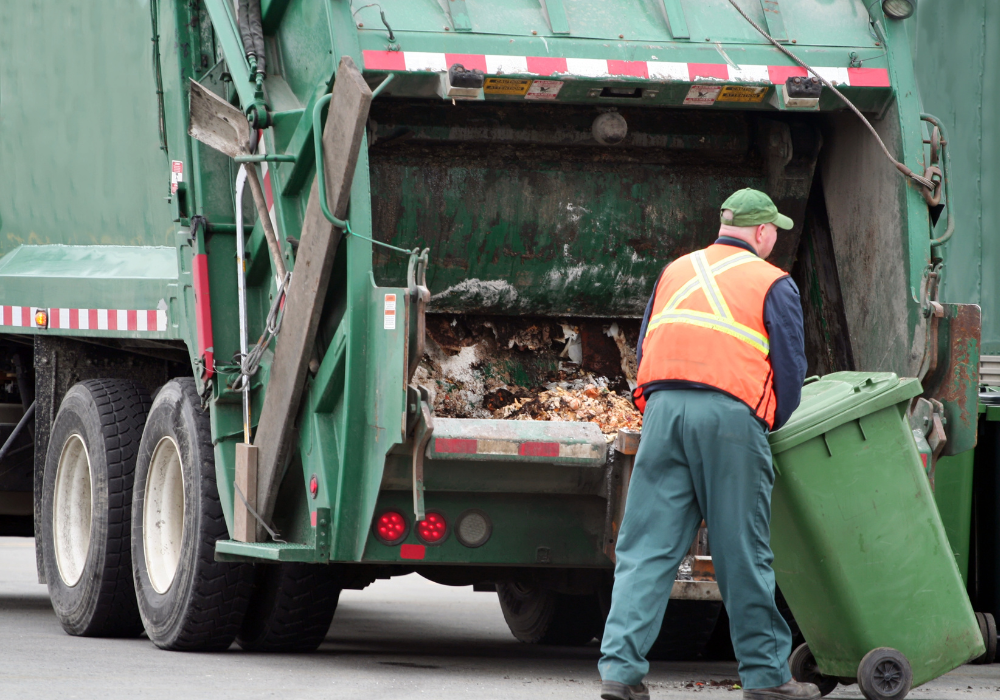
Experts agree that long-term success depends on reducing waste at the source. This means redesigning products for durability, banning unnecessary packaging, and shifting to circular economies where materials are reused and repurposed.
Education, policy reform, and corporate accountability all play crucial roles. Unless consumption patterns change, no amount of recycling or cleanup will be enough to stem the rising tide of global garbage.