
Rapidly changing wind patterns could intensify storms and destabilize weather across the globe.
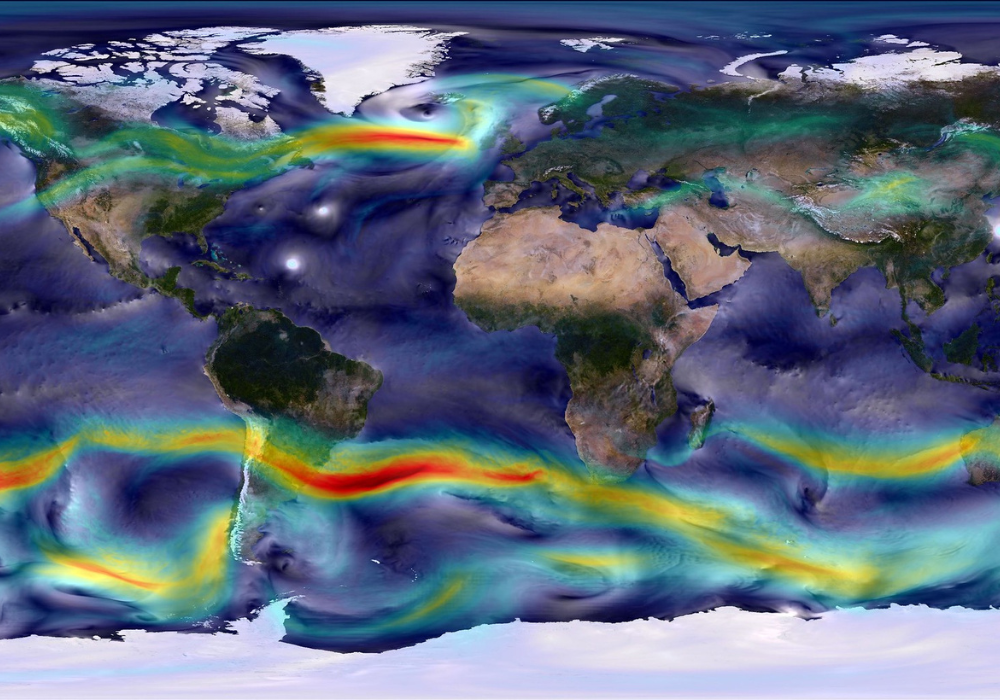
Global winds — the invisible forces shaping our weather — are changing in ways scientists didn’t expect. New research shows that rising global temperatures are throwing these massive air currents off balance, disrupting jet streams, storm paths, and rainfall patterns. The result? Stronger hurricanes, longer droughts, and unpredictable weather that threatens crops, coastlines, and communities worldwide. Experts say these shifting wind speeds may be one of the clearest signs yet that the planet’s climate system is faltering.
1. Global Wind Patterns Are Shifting Faster Than Scientists Expected
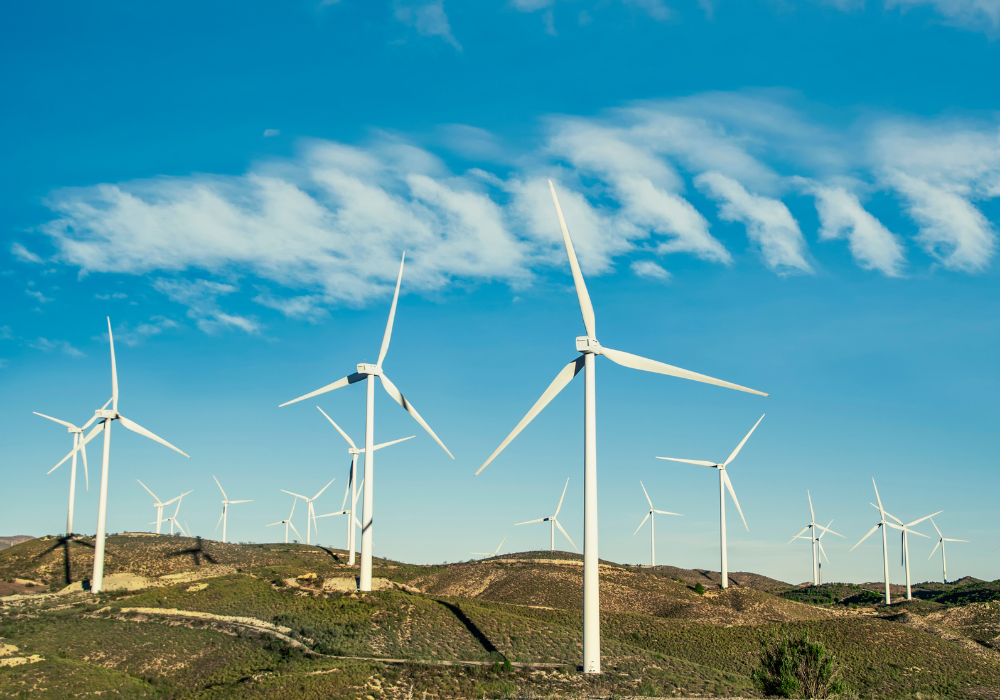
Winds drive weather systems across the planet, but researchers say these patterns are becoming increasingly erratic. As greenhouse gases warm the atmosphere, air pressure differences that guide winds are weakening and reshaping how air moves around the globe.
This disruption is altering everything from ocean currents to rainfall timing. Scientists note that even small wind shifts can have major ripple effects, changing where storms form and how they move — a troubling sign that Earth’s delicate atmospheric balance is breaking down.
2. Jet Streams Are Becoming Weaker and More Unstable
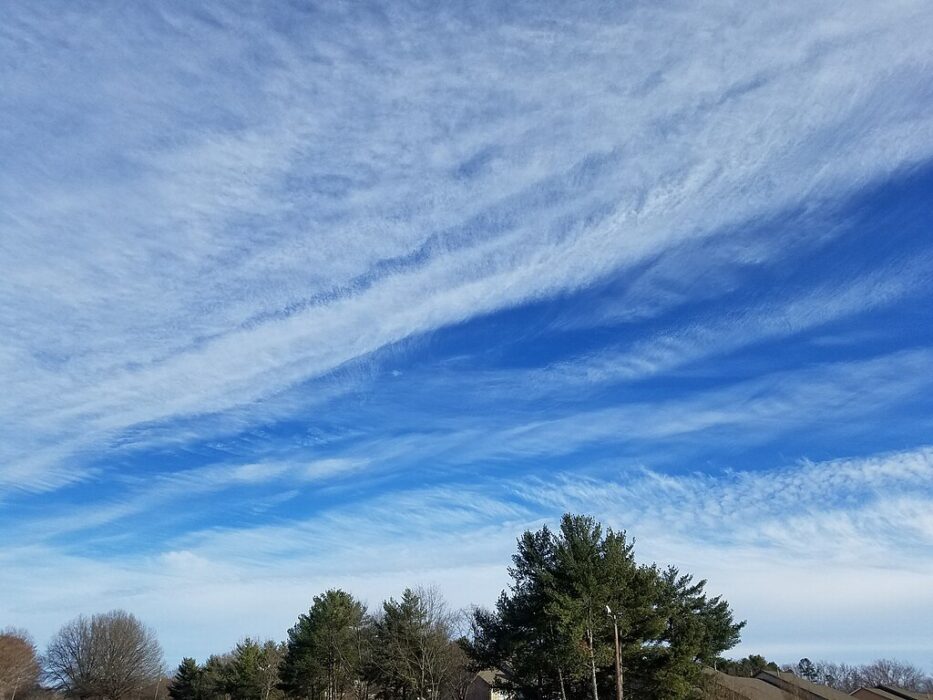
The jet streams — powerful air currents that steer weather across continents — are slowing and meandering more than ever. This weakening causes weather systems to stall, leading to long-lasting heat waves, floods, or cold spells.
Experts say warming in the Arctic is narrowing the temperature difference between polar and tropical air, throwing the jet streams off balance. The result: unpredictable seasons, extreme swings in weather, and increased difficulty forecasting climate patterns accurately.
3. Storms Are Growing Stronger and Lasting Longer
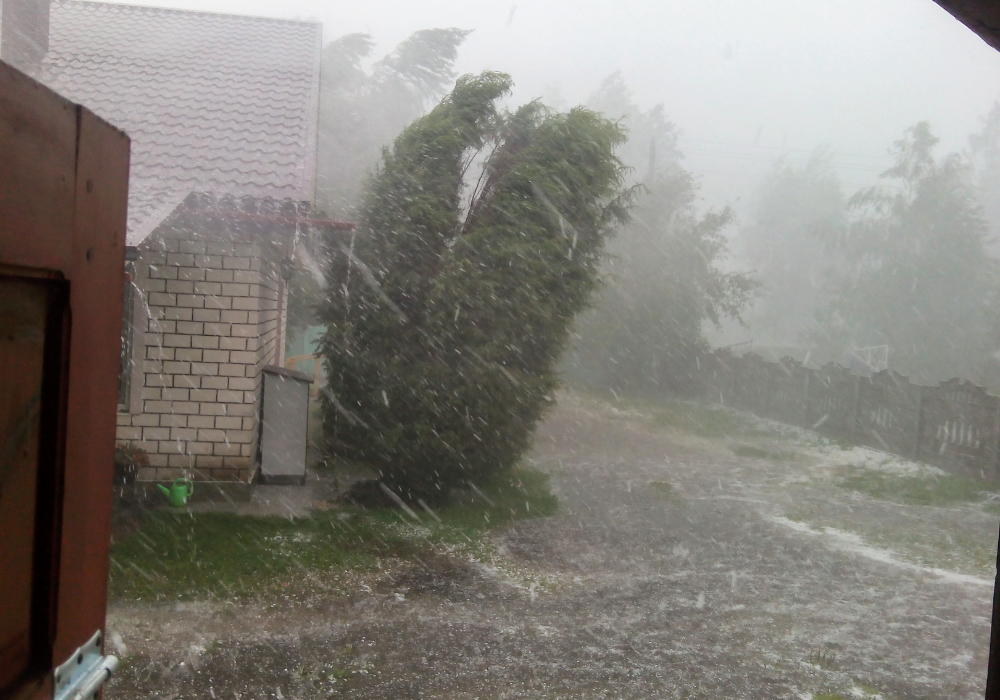
Shifting wind speeds and warmer air are fueling more intense storms worldwide. Hurricanes, cyclones, and typhoons are forming in new regions and maintaining strength for longer periods over land.
Scientists say wind shear — the change in wind speed and direction with altitude — is being altered by climate change. In some areas, reduced wind shear allows storms to build vertically and rapidly intensify, leading to destructive “superstorms” that devastate coastlines and disrupt communities.
4. Droughts and Floods Are Becoming More Extreme
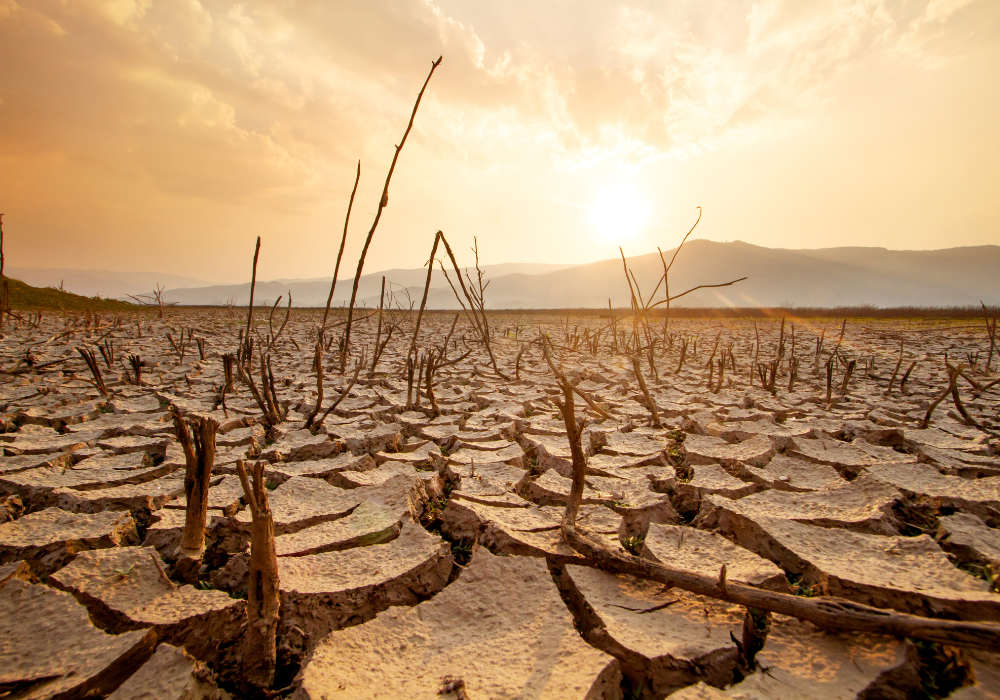
When wind patterns stall or shift, some regions get trapped in long dry spells while others face relentless rain. These locked weather systems are becoming more common as global air circulation weakens.
Researchers have linked these patterns to stronger heat domes, flash floods, and historic droughts. The uneven distribution of moisture not only strains water resources but also threatens agriculture, ecosystems, and economies dependent on predictable rainfall.
5. Ocean Currents Are Being Disrupted by Changing Winds

Wind patterns help drive ocean circulation — including critical systems like the Gulf Stream and Pacific trade winds. As these winds shift, ocean temperatures and currents are being altered in turn.
Scientists warn this could affect everything from marine food chains to global weather stability. Warmer, stagnant oceans absorb less carbon dioxide and release more heat, further accelerating climate change in a dangerous feedback loop.
6. Polar Regions Are Losing Their Atmospheric Shields
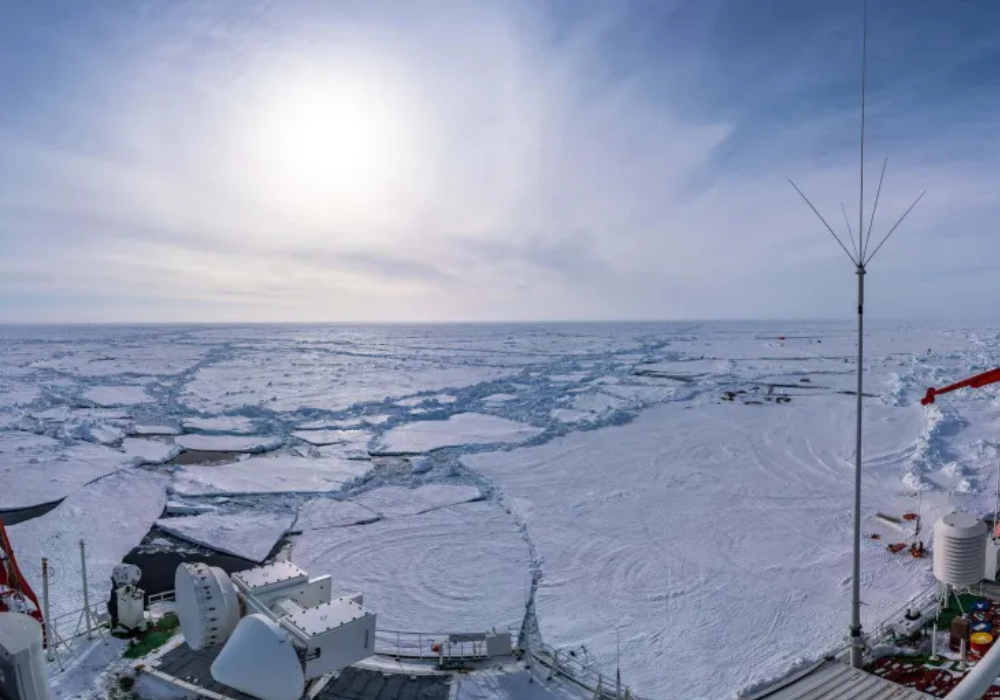
In the Arctic and Antarctic, wind systems that once helped regulate polar temperatures are breaking down. The weakening of the polar vortex, for example, allows frigid air to escape into mid-latitudes, creating cold snaps in unlikely places.
Meanwhile, warming oceans are disrupting the winds that once trapped cold air at the poles. These changes accelerate ice melt, sea level rise, and temperature anomalies that can destabilize weather systems thousands of miles away.
7. Agricultural Regions Are Facing Unpredictable Winds
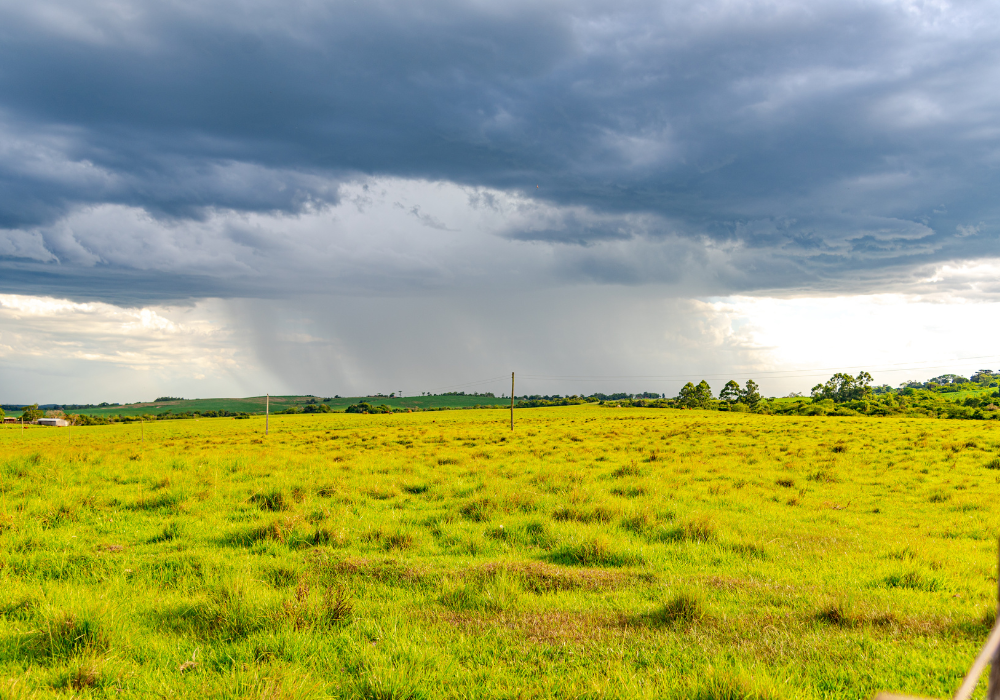
Farmers rely on stable wind patterns to anticipate rainfall, pollination timing, and soil moisture. As winds become erratic, crop yields are increasingly at risk.
Unseasonable wind shifts can dry out fields, spread pests, and disrupt irrigation cycles. Scientists warn that unpredictable winds could make traditional farming calendars obsolete, particularly in vulnerable regions like South Asia, Africa, and the American Midwest.
8. Air Pollution Is Worsening in Stagnant Wind Zones
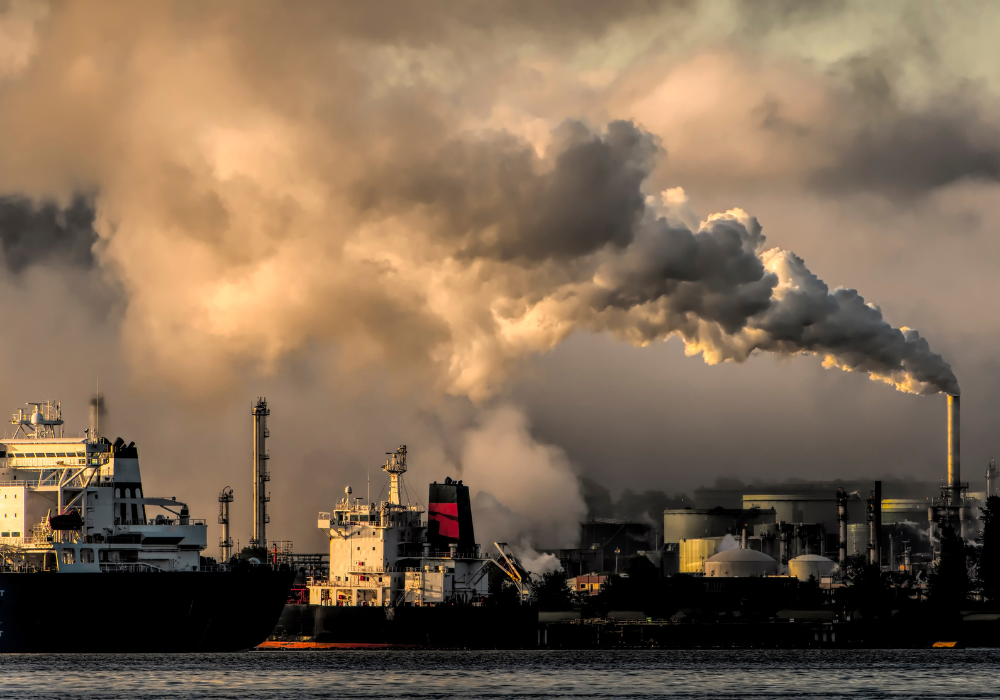
In areas where wind speeds have slowed, pollutants are lingering longer in the atmosphere. This creates dangerous “air stagnation events” that trap smog and fine particles close to the ground.
Major cities, especially in Asia and Europe, are already reporting spikes in respiratory illnesses linked to poor air circulation. Scientists fear that as global winds weaken, urban pollution crises could become more frequent and more deadly.
9. Renewable Energy Systems Are Being Affected Too
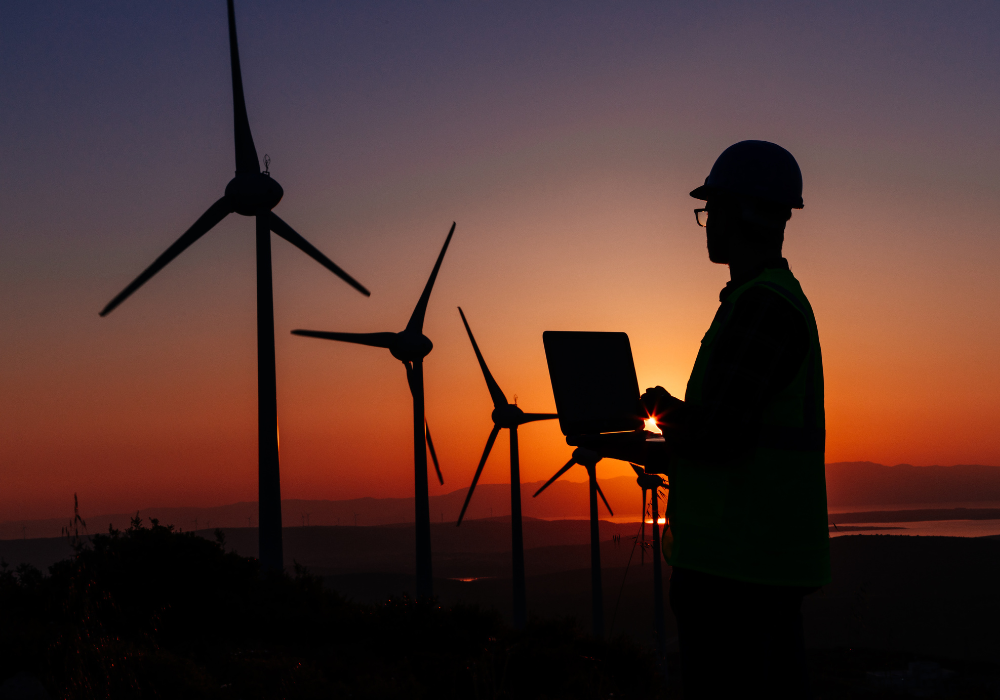
Wind power is one of the fastest-growing renewable energy sources, but climate-driven shifts are already affecting where and when wind turbines can generate efficiently.
Some regions are seeing declines in average wind speeds — a phenomenon known as “global stilling.” Others face stronger but more erratic gusts that make energy production harder to predict. This instability complicates efforts to plan reliable renewable grids in a warming world.
10. Wildlife Migration and Ecosystems Are Being Disrupted
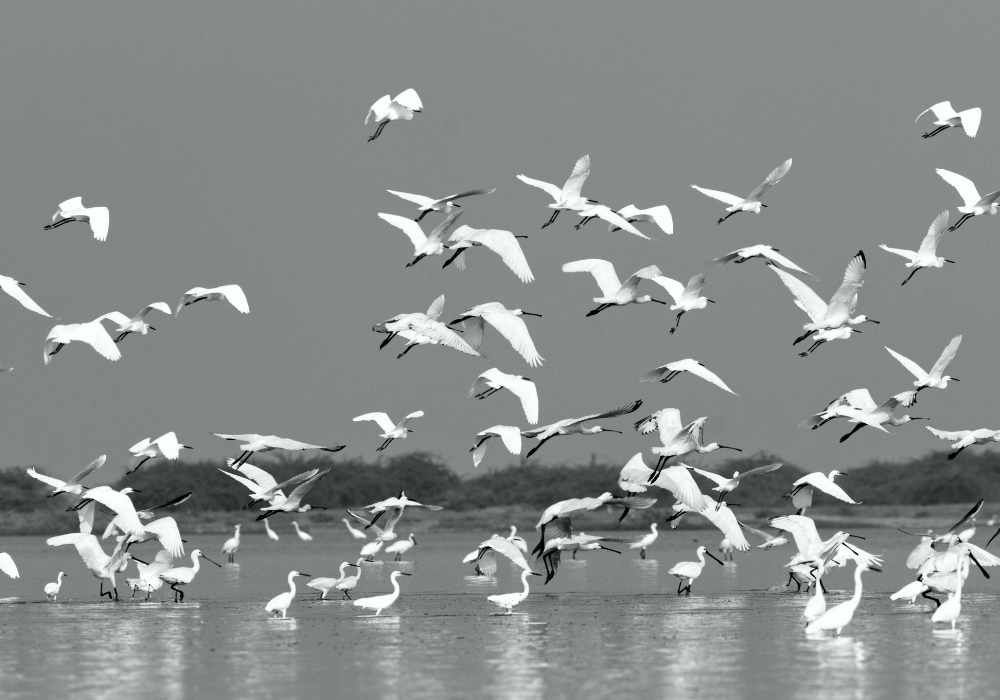
Many migratory species depend on consistent wind patterns for seasonal travel and temperature cues. As these winds shift, birds, insects, and even marine life are struggling to adapt.
Scientists have observed migratory routes changing and breeding cycles thrown off balance. These disruptions ripple through ecosystems, affecting plant pollination, predator-prey relationships, and biodiversity stability across continents.
11. Scientists Say the Wind Is a Warning We Can’t Ignore
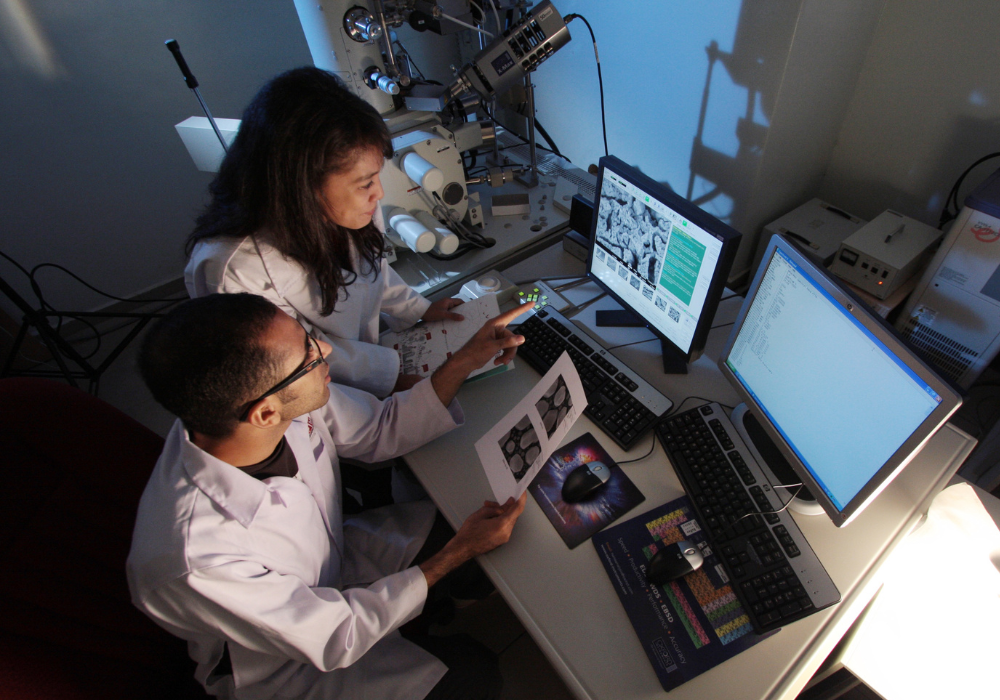
Experts caution that changing global winds are not just a symptom of climate change — they’re an amplifier. When wind systems destabilize, they intensify nearly every other environmental challenge, from storms to wildfires.
Researchers urge that monitoring wind speed and direction could serve as an early warning system for broader climate disruption. The message is clear: as the planet warms, the winds themselves are sending an unmistakable signal — and it’s one humanity can’t afford to overlook.