
Disrupted jet streams are already fueling extremes—but could they push Earth toward an Ice Age?
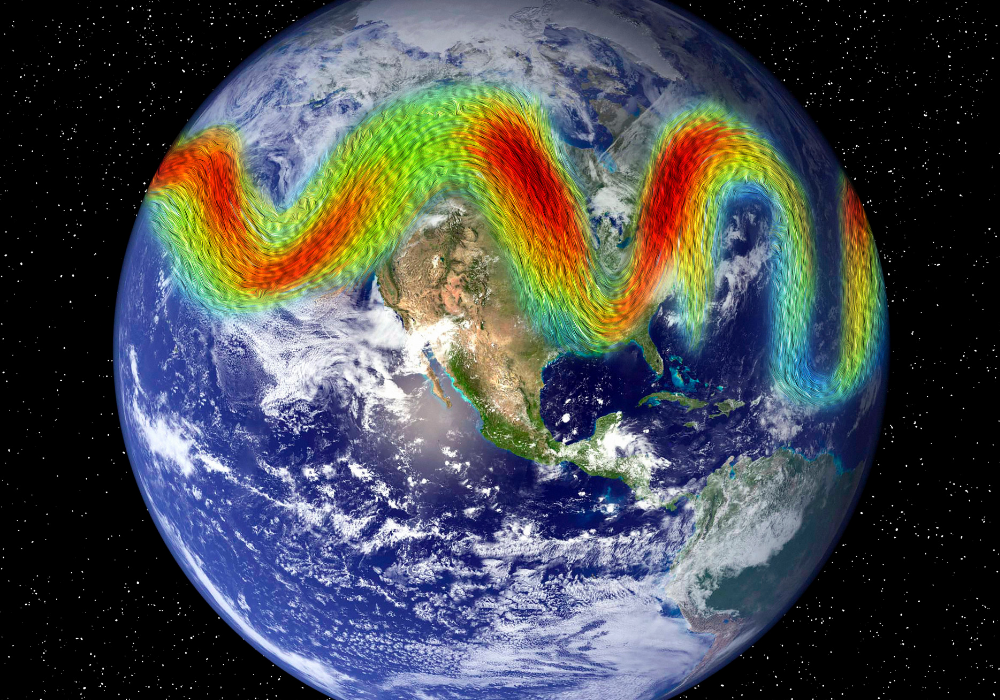
Jet streams are powerful, fast-moving air currents high in the atmosphere that play a key role in shaping weather and climate. They form at the boundaries between warm and cold air masses, guiding storms and temperature shifts across continents. While changes in jet stream patterns can affect temperature and precipitation, ice ages arise from a complex mix of factors beyond jet streams alone, including Earth’s orbit and ocean currents.
1. Jet streams are fast flowing air currents high in the atmosphere.

These fast-flowing air currents snake high through the atmosphere, carving their paths and setting the stage for evolving weather. Composed of narrow bands, jet streams are powerful engines of movement, reaching speeds up to 200 miles per hour, like invisible rivers in the sky.
Characterized by ferocious velocity, jet streams are crucial navigators in atmospheric dynamics. Their relentless currents delineate critical zones between air masses, influencing not only daily weather but also broader climatic patterns. This intricate dance high above our heads helps modulate Earth’s vast climate narrative.
2. They primarily form near the boundaries of warm and cold air masses.
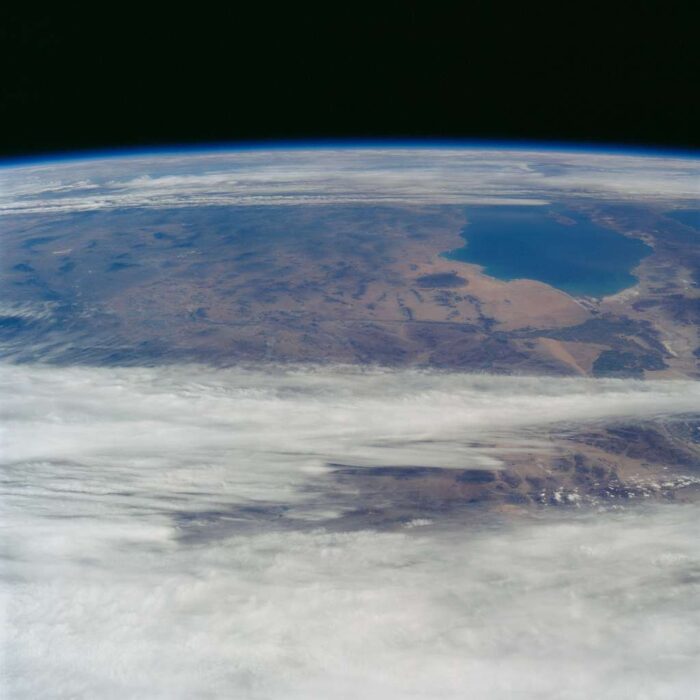
Near the convergence of warm and cold air masses, jet streams find their arena. At these dynamic boundaries, temperature contrasts fuel the jet streams’ intense speeds, driven by thermal differences between polar and tropical regions.
These temperature disparities engender powerful flows as the warm, less dense air rises, and cold air descends, creating towering atmospheric waves. The interplay between these masses fuels the very existence of jet streams, ensuring that climate patterns remain in perpetual flux across continents.
3. Jet streams influence weather patterns by steering storms and temperature changes.

Jet streams shape weather by guiding storms, carving out paths for temperature shifts and influencing precipitation patterns. Like conductors wielding control over a stormy orchestra, they steer atmospheric systems in complex rhythms.
Their influence extends to the distribution of warmth and cold, impacting storm tracks and rainfall. When jet streams shift, consequences ripple through ecosystems, sometimes unleashing storms or ushering in unexpected warmth, thus altering the climate’s predictable melodies and introducing new climatological variations.
4. Shifts in jet stream patterns can lead to prolonged cold spells or heat waves.

At times, jet streams flex their influence, shifting patterns that hold sway over continents. These atmospheric shifts may result in either a relentless cold embrace or an unforgiving heat wave that lingers long after the sun sets.
Such prolonged periods of abnormal temperatures not only test ecosystems but also challenge human resilience. These shifts herald extreme weather that may disrupt agriculture or strain water supplies, demonstrating the power jet streams have in dictating more than just daily forecasts.
5. The polar jet stream is closely linked to Arctic air movement.
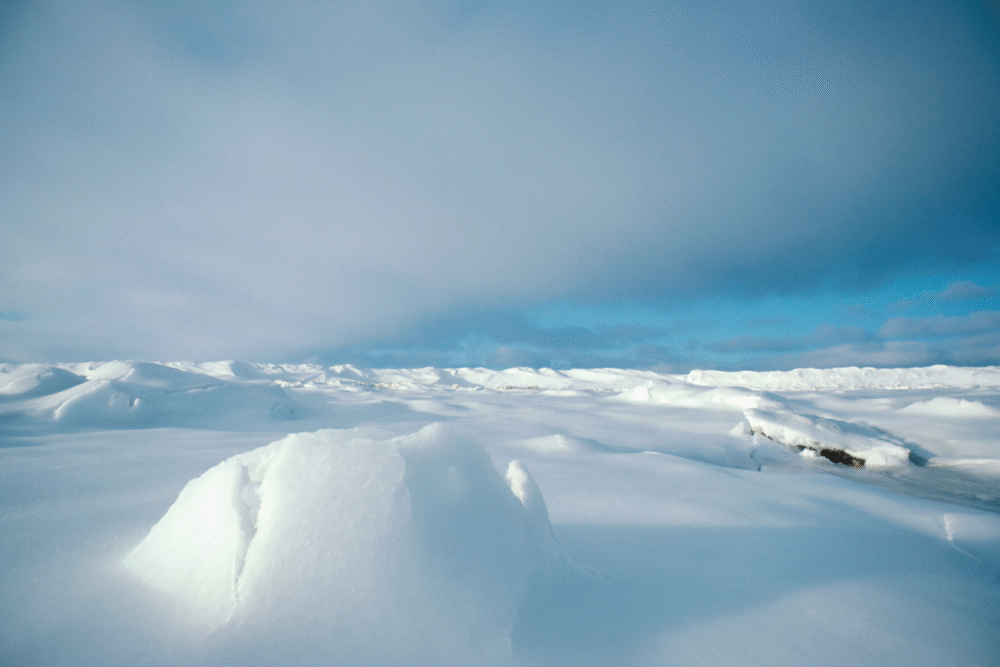
The polar jet stream, a potent atmospheric force, often guides the Arctic’s chilling breath southward, shaping deep-freeze conditions. As it meanders, the polar jet determines the extent of cold air invasions across North America and Europe.
A northward retreat of the polar jet may result in milder flows, whereas its southward journey spells frigid days. This force also defines the boundary of polar air masses, influencing the regional climates that lay beneath its swirling path, marking severe winters with its icy hallmark.
6. Changes in jet stream behavior have been observed during past climate shifts.
During Earth’s climatic upheavals, jet streams have danced to different tunes, shifting behaviors in response to global climate changes. These shifts echo through geological epochs, revealing how past climates evolved through time from lush warmth to icy chills.
Paleoclimatologists unearth jet stream path variations, offering insight into historical warming or cooling periods. By tracing past jet stream behaviors, scientists decode ancient atmospheric puzzles, seeking to understand how such shifts influenced ice ages, ultimately guiding today’s climate inquiries with historical perspective.
7. Weakening jet streams may contribute to more extreme and unpredictable weather events.
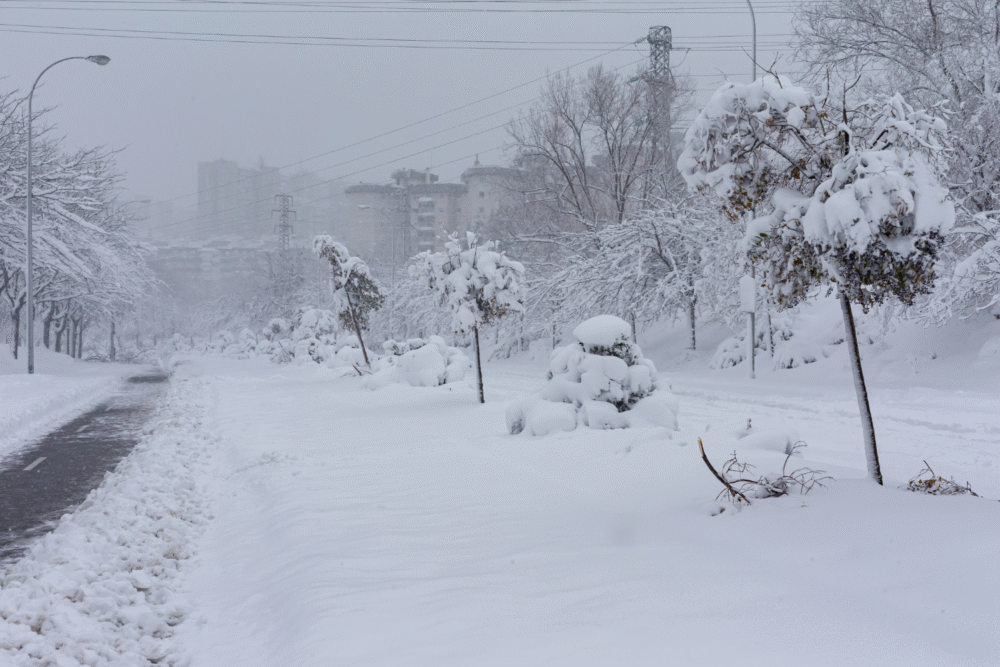
Weakened jet streams can unleash erratic weather patterns, leading to spells of extreme climate conditions. Their subdued strength may result in prolonged heat waves or unexpected cold snaps as weather systems stall, waiting for fresh currents to spur them onward.
Such stagnation disrupts seasonal expectations, as cities face longer stretches of drought or unexpected frosts. In these moments, the normally dynamic jet streams falter, underscoring the role they play in maintaining a semblance of weather predictability across the globe’s climate spectrum.
8. Jet streams can affect ocean currents by altering wind patterns over seas.
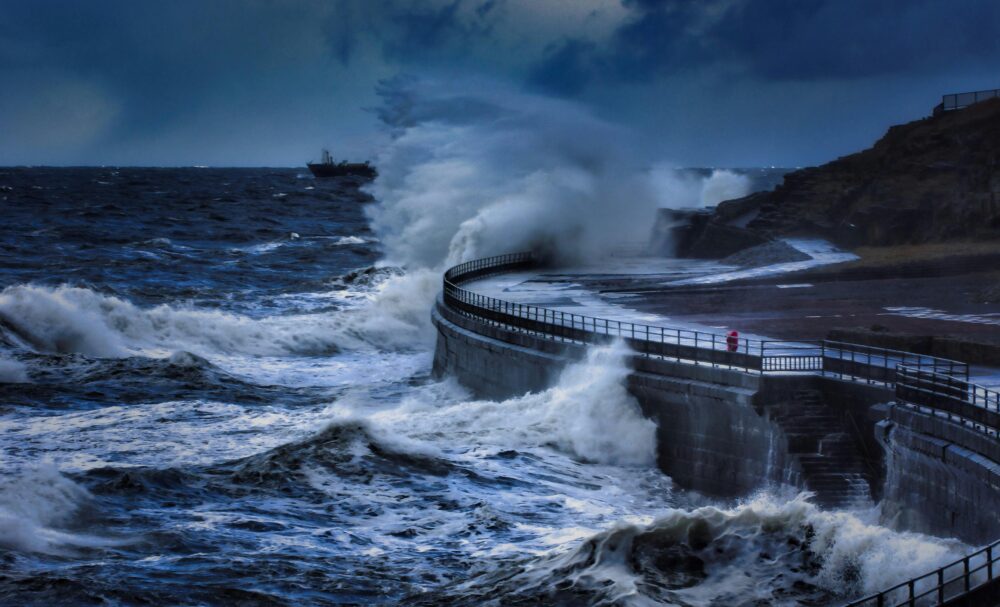
Jet streams extend their influence towards oceans, manipulating currents by altering prevailing wind patterns. These winds, bustling over open seas, can shift ocean circulations, impacting the climate of coastal regions.
Changes in ocean currents further modulate temperature patterns, demonstrating how atmospheric shifts reverberate through marine environments. The synergy between air and sea circulates warmth and cold, affecting not only marine life but also local climates, inextricably linking jet streams with Earth’s intricate systems.
9. Ice ages are associated with complex interactions involving jet streams and global climate.

Ice ages, intricate climatic events, involve multiple factors, with jet streams playing a significant role. These air currents weave through cold and warm phases, joining forces with other environmental factors to forge glacial periods.
While not the sole driver, jet streams contribute to intricate interactions, modulating temperature and precipitation patterns that affect glaciation. The combined effects of atmospheric positioning, solar input, and Earth’s orbital variations determine how jet streams participate in ushering in these icy epochs over millennia.
10. Scientists use computer models to study jet streams’ role in climate change scenarios.

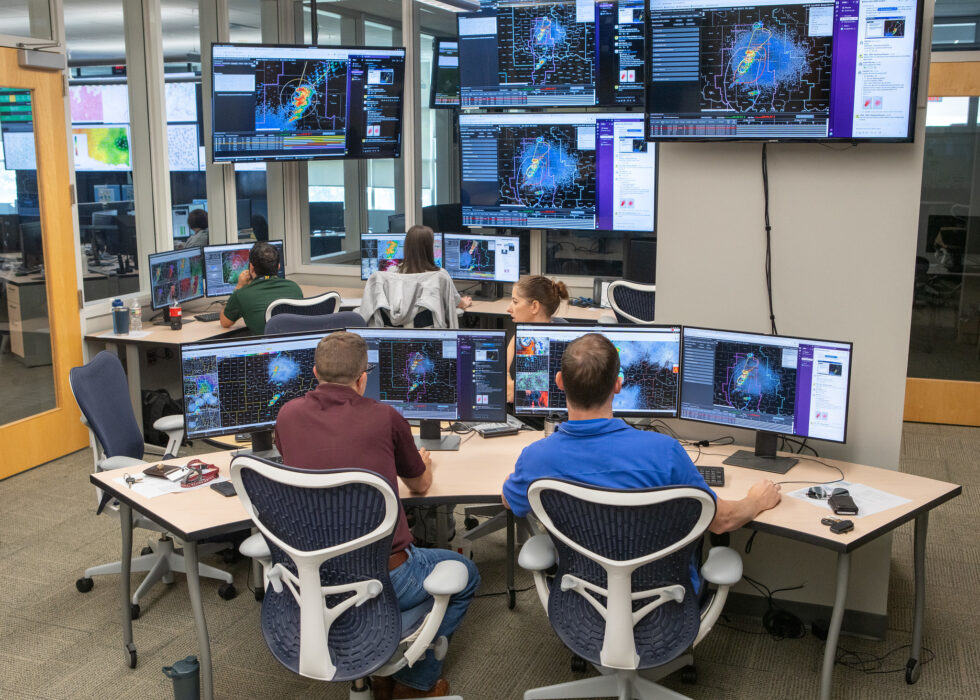
Scientists employ complex computer models to hypothesize about jet streams’ implications for future climate scenarios. These simulations analyze vast arrays of data to project potential changes in climate, guiding research on atmospheric circulation.
Through these digital tools, predictions on jet stream behaviors help to unravel climate trends. By mapping the potential paths of these currents and their interactions with global systems, climatologists forecast shifts that could redefine Earth’s climate landscape, assisting in comprehending potential future states of this delicate balance.
11. Understanding jet streams helps predict potential long-term shifts in Earth’s climate.

Comprehending jet streams offers insight into potential climatic shifts, providing a glimpse into long-term trends on our planet. Researchers use patterns observed over centuries to refine predictions about how these currents could evolve.
By linking jet stream observations with historical data, climatologists anticipate potential impacts on global climates. This understanding informs strategies to adapt to possible future changes, highlighting the significance of harnessing knowledge about these high-speed air currents that influence temperatures worldwide.