
From food supplies to electricity, a dry reservoir can trigger a cascade of serious consequences.
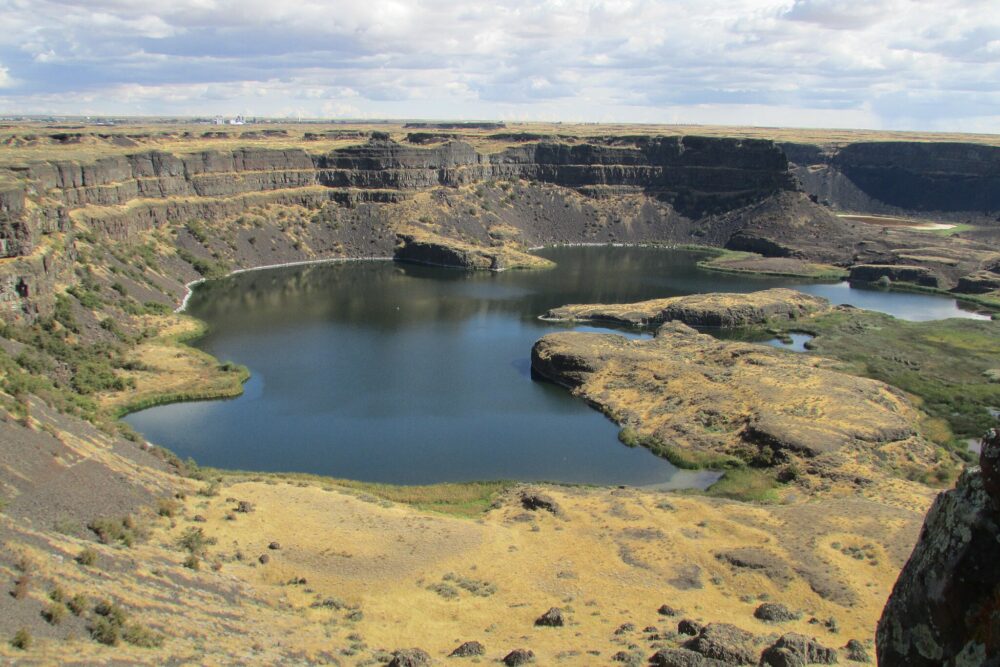
When a reservoir runs dry, the effects ripple far beyond the loss of stored water. Ecosystems that depend on steady aquatic environments face disruptions, wildlife habitats decline, and water quality worsens due to concentrated pollutants. Communities encounter water shortages, impacting daily life and local economies. Understanding these consequences is essential for managing water resources sustainably and preparing for the challenges posed by drought and climate change.
1. Local wildlife habitats suffer significant disruption and loss.
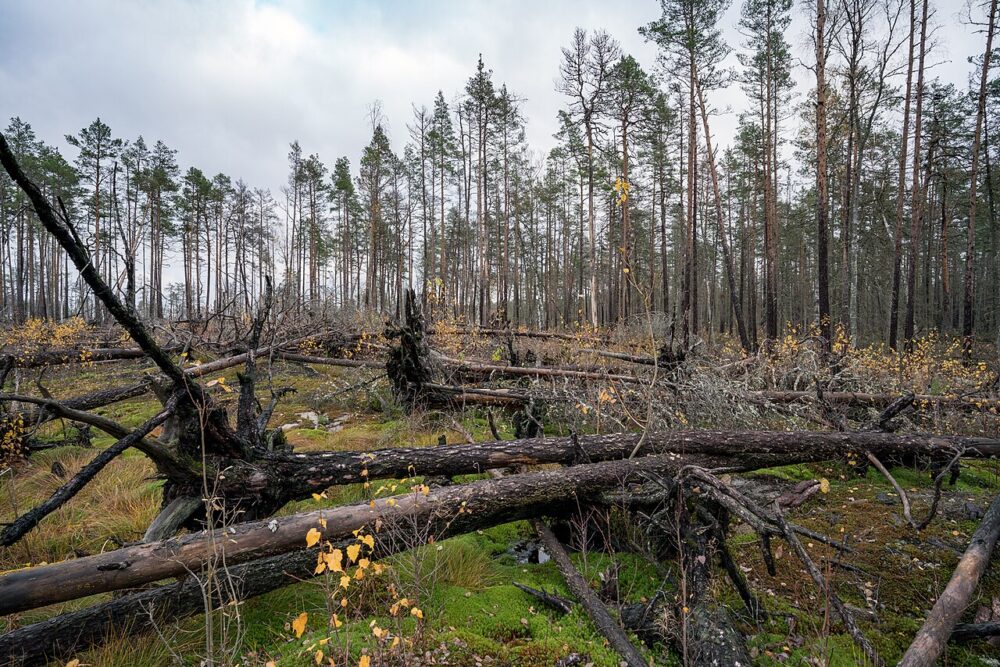
Local wildlife, accustomed to stable water sources, face upheaval when a reservoir runs dry. Animals like otters and herons, which rely heavily on consistent aquatic environments, struggle to find new habitats, leading to decreased biodiversity and increased competition for resources.
The disruption extends beyond immediate habitat loss. Predator-prey relationships can shift, as new species may move in or existing ones may leave, altering the food chain. Conservation efforts must consider these cascading effects to maintain ecological balance in surrounding areas.
2. Surrounding vegetation experiences increased stress and eventual decline.
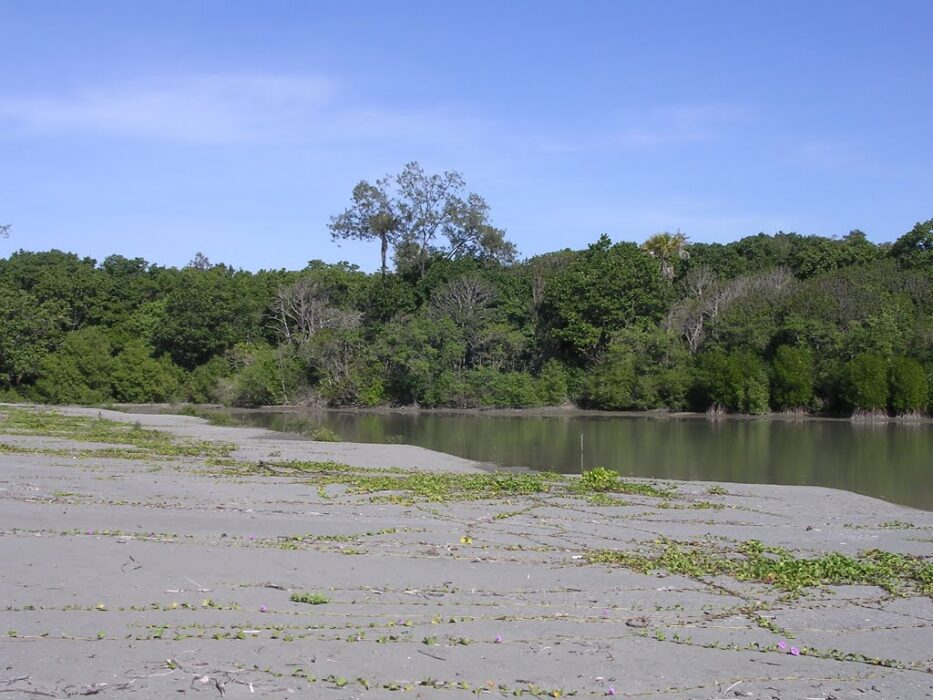
Vegetation benefits from consistent water levels for growth and sustainability. Without a steady reservoir, plants face increased stress, visible in wilting leaves and reduced growth. This, in turn, affects local ecosystems that depend on these plants for shelter and food.
Prolonged dry conditions can lead to more severe consequences. Over time, entire plant communities may decline, impacting insects and other organisms that rely on them. This disruption emphasizes the interconnectedness of water, flora, and fauna within the ecosystem.
3. Water quality deteriorates as sediment and pollutants concentrate.
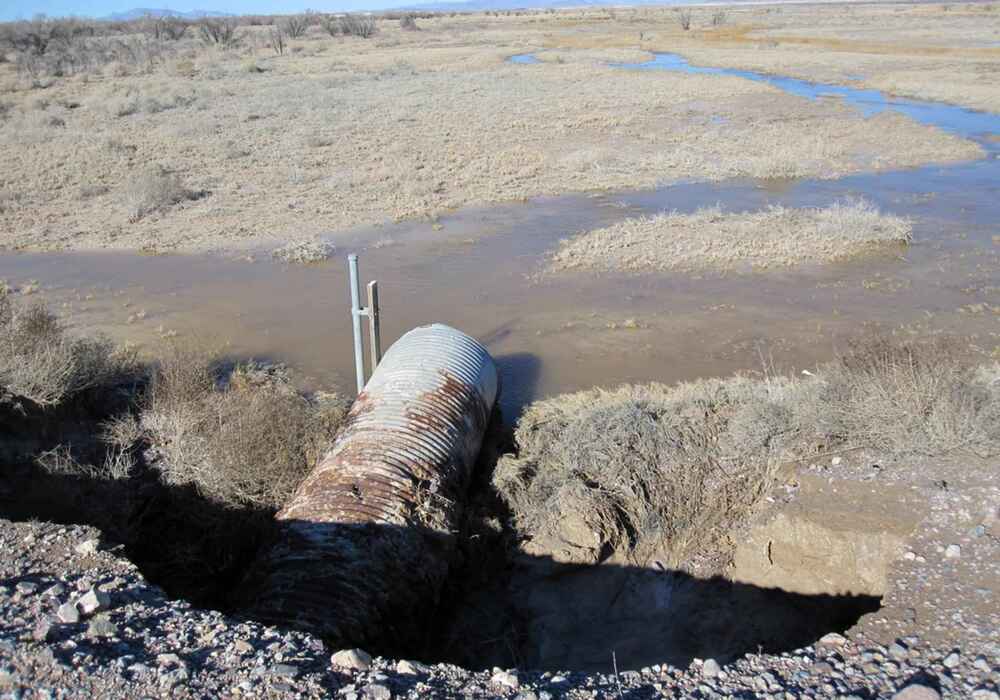
When water levels drop, pollutants and sediments once diluted become concentrated, degrading water quality. The clarity and potability of the remaining water diminish, creating challenges for both human consumption and wildlife that rely on the reservoir.
This concentration of contaminants can poison aquatic life and disrupt the natural purification processes that reservoirs typically provide. Managing these risks requires careful monitoring and timely intervention to safeguard public health and ecological integrity.
4. Aquatic life faces habitat loss and declining oxygen levels.
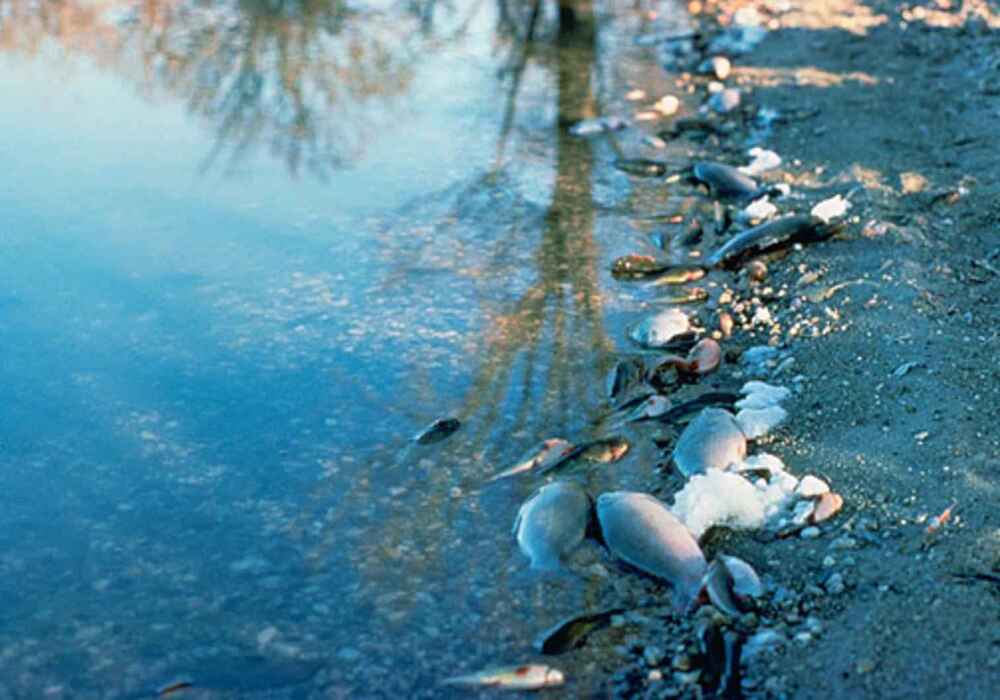
Aquatic habitats vanish, and fish and other organisms lose their homes as water levels plummet. Oxygen levels fall, making survival untenable for many species. The diversity of life that once thrived within the reservoir’s expanse collapses dramatically.
Reduced oxygen can lead to widespread fish kills, further impacting the ecosystem. Local fishermen, who depend on these waters for livelihood, see immediate and potentially long-term impacts. Restocking programs might need to be reconsidered or adapted to these changing conditions.
5. Nearby communities encounter water shortages and usage restrictions.
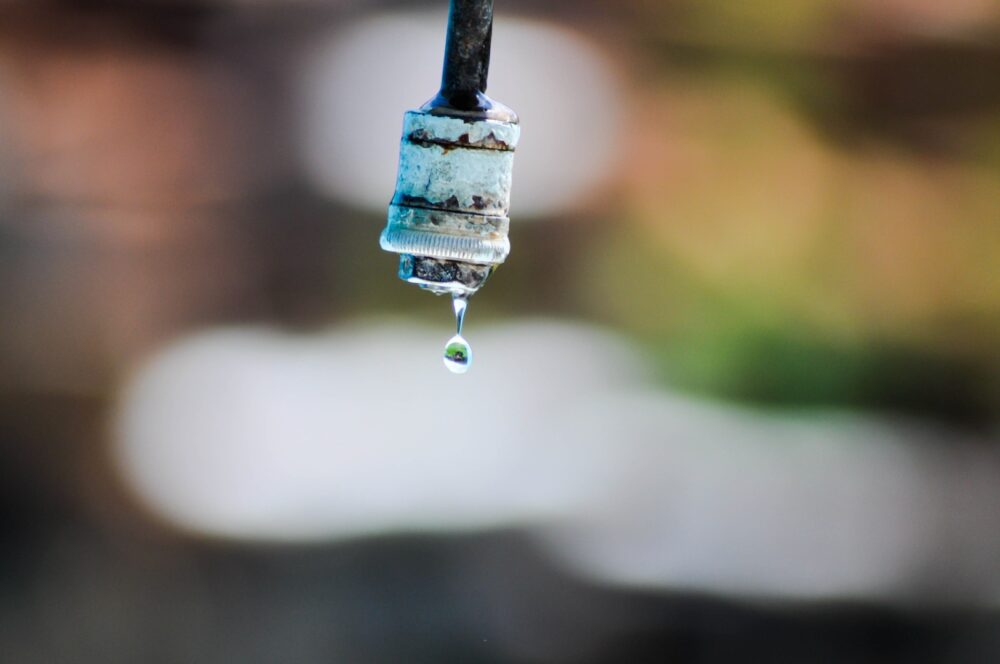
When a reservoir runs dry, nearby communities often face water shortages. Restrictions on usage become common, affecting daily life, agriculture, and local industries. This disruption highlights the delicate balance between natural resources and human needs.
The impact extends beyond inconvenience. Water scarcity can heighten tensions, as shared resources grow more limited and communities are forced to adapt or innovate their water management strategies to survive.
6. Recreational activities such as boating and fishing come to a halt.
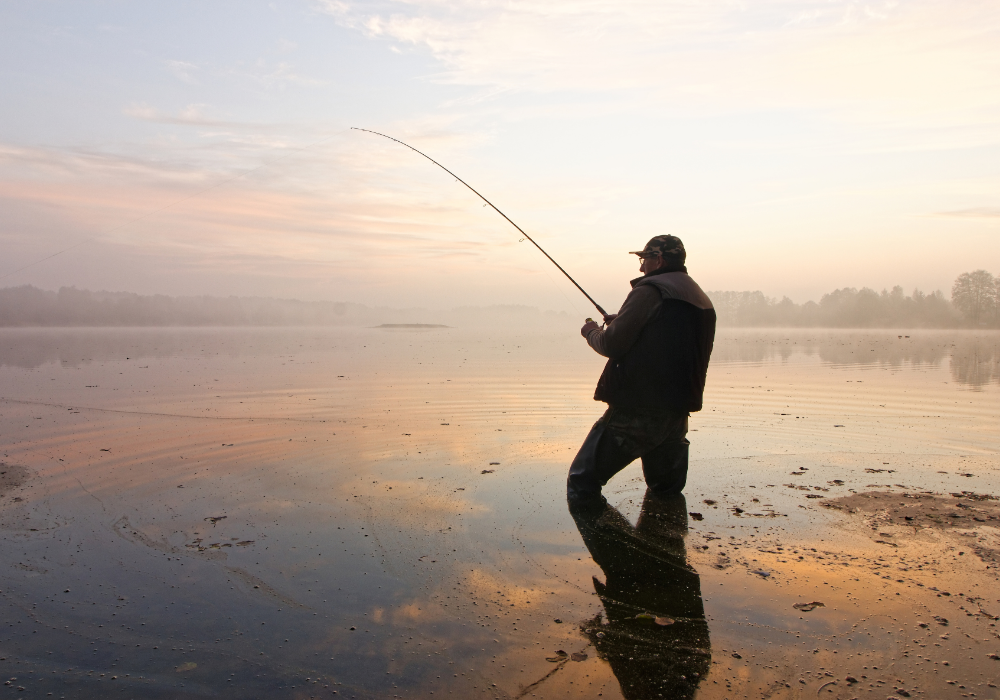
With water levels low, activities like boating and fishing become impractical or impossible. Beloved pastimes, these activities also support local tourism and contribute significantly to community economies. Reservoir depletion changes local recreational landscapes dramatically.
These activity halts affect more than just leisure. Equipment rental businesses, bait shops, and other ancillary services face financial strain. Communities need to find alternative attractions or reinvent ways to utilize the space left by the vanishing water.
7. Soil erosion accelerates due to the lack of water stabilization.
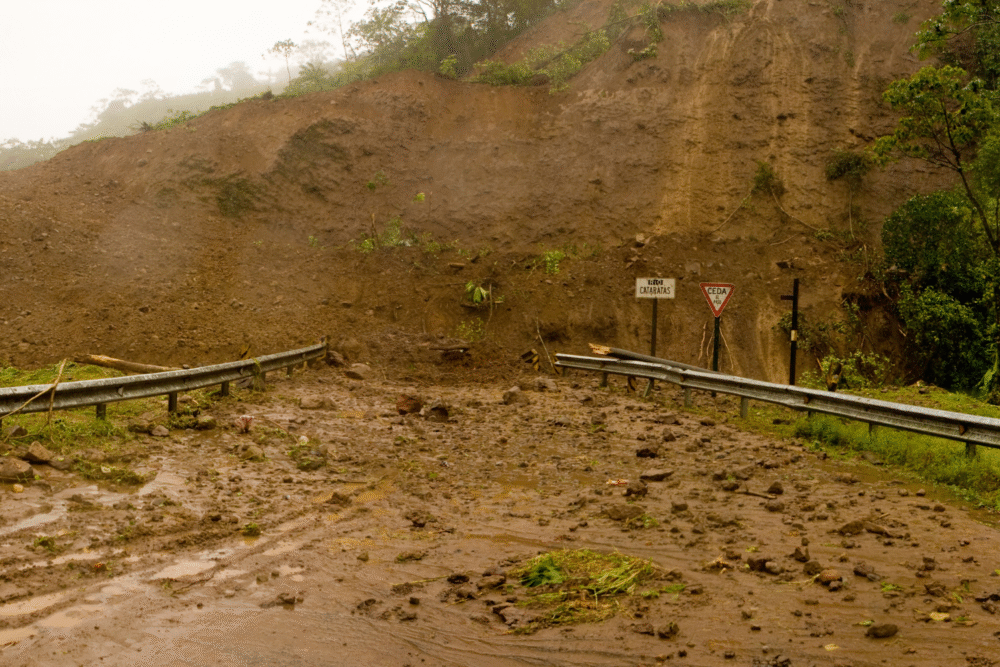
Water once stabilized soil, preventing erosion around reservoir banks. Without it, soil becomes unstable, leading to increased erosion. This can cause landslides and sediment displacement, which affect human infrastructure and natural landscapes.
Rapid erosion significantly alters the terrain. Buildings or roads near the reservoir may face structural risks. Meanwhile, displaced sediment can smother aquatic habitats, affecting species that depend on clearer waters. Managing erosion requires attentive oversight and potential land-use adjustments.
8. Groundwater levels may drop, impacting wells and natural springs.
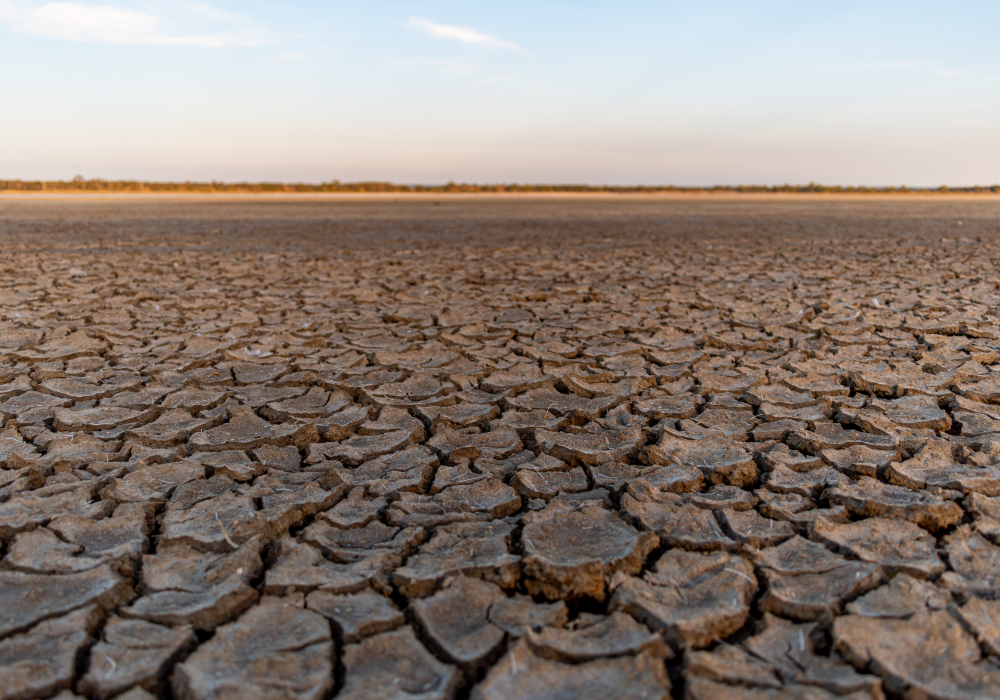
Groundwater levels can be closely linked to reservoirs. When reservoirs dry, these levels may fall, impacting wells and natural springs that communities rely on for water. The absence of this natural replenishment strains local water supplies further.
Communities that rely on well water find an urgent need to reassess or deepen wells, which can be costly. Natural springs known for their recreational and ecological importance may dry up, altering landscapes and affecting wildlife that depend on these sources.
9. Economic activities relying on water supply reduce or cease.

Industries reliant on water flow—such as agriculture and hydropower—face cutbacks or shutdowns. Water-intensive processes must adapt or halt, impacting employment and economic stability. These changes underline the crucial role of water in economic lifecycles.
Local economies reliant on water-based resources see short- and long-term effects, prompting innovations like drought-resistant crops or alternative energy sources. Businesses may relocate to areas with more reliable water supplies, reshaping economic landscapes significantly and rapidly.
10. Local climate can become warmer and drier without water bodies.

Reservoirs play a role in moderating local climates. Without them, the area may become warmer and drier, affecting growing seasons and natural ecosystems. These climate shifts can lead to altered weather patterns, influencing agriculture and daily life in unexpected ways.
Warmer temperatures stress crops not suited for the new climate, necessitating the adoption of heat-tolerant varieties. Residents must adapt to more extreme weather conditions, and there may be longer, drier periods followed by intense rainfall, challenging local infrastructure and community planning.
11. Ecosystem balance shifts, leading to increased vulnerability to invasive species.
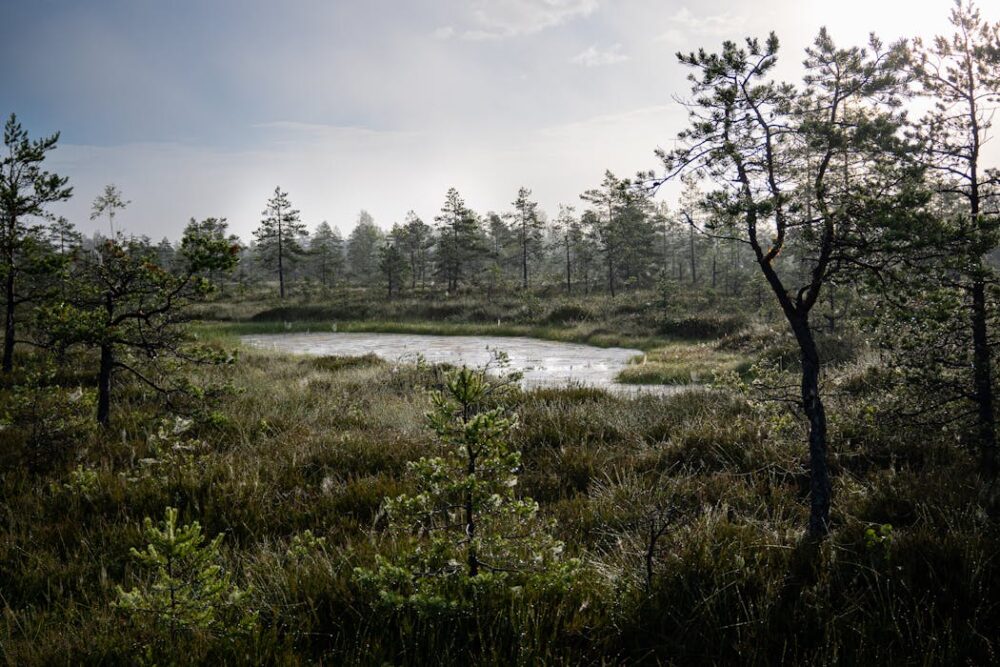
With a major water body gone, the ecosystem’s balance skews, increasing vulnerability to invasive species. Native species struggle to survive while opportunistic outsiders can thrive, potentially causing irreversible ecological shifts.
Unchecked, invasive species can displace native plants and animals, leading to less biodiversity. This shift disrupts existing food webs and can reduce the natural resilience of the area, demanding targeted management to protect native species and maintain ecological health.