
Physicists say the mysteries of black holes could hold the key to understanding the universe itself.

Black holes are among the most mysterious and extreme objects in the universe — places where gravity is so powerful that nothing, not even light, can escape. Scientists have studied them for decades, yet new discoveries continue to challenge our understanding of physics. From the bending of time to the disappearance of matter, black holes seem to break every known rule of nature. Recent observations are helping researchers uncover their secrets — and revealing just how strange our universe truly is.
1. How black holes bend space and time in surprising ways.
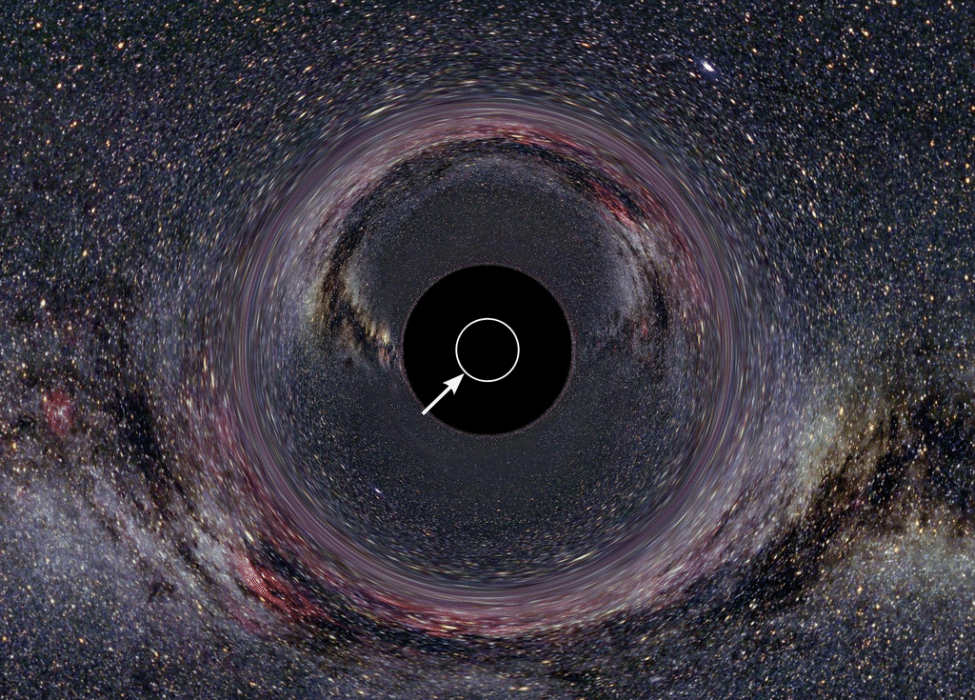
Black holes create a gravitational field so intense that even light cannot escape, warping space-time into the shape of a funnel. This distortion affects objects and light near them, leading to phenomena like gravitational lensing, where light bends around a massive body.
Close to a black hole, time dilation becomes noticeable, stretching moments into hours for distant observers. Scientists compare this surreal experience to sitting at the edge of a vast cosmic whirlpool, where reality itself starts to bend in unexpected ways.
2. The enigma of what lies beyond a black hole’s event horizon.
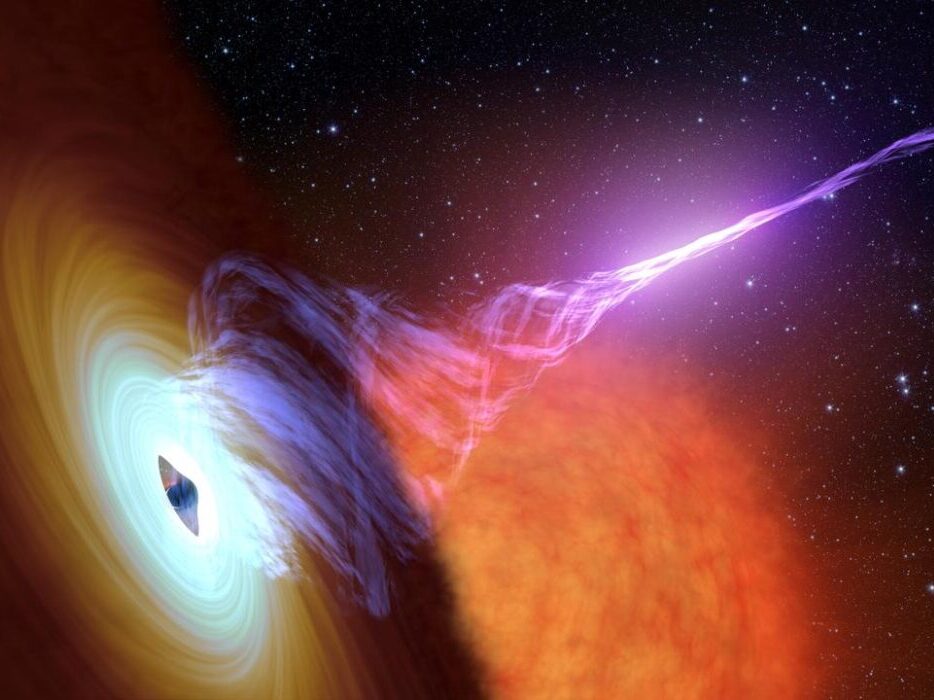
Step across an event horizon and everything irrevocably vanishes from view, hidden behind a veil from the universe. This boundary marks the point of no return, where the escape velocity equals the speed of light, locking everything inside.
Even though nothing can escape once it crosses this invisible border, what’s truly puzzling is how particles might slowly trickle away through Hawking radiation. It hints at the possibility that black holes may shrink over time, challenging what we know about their nature.
3. Why black holes can quietly consume entire stars effortlessly.
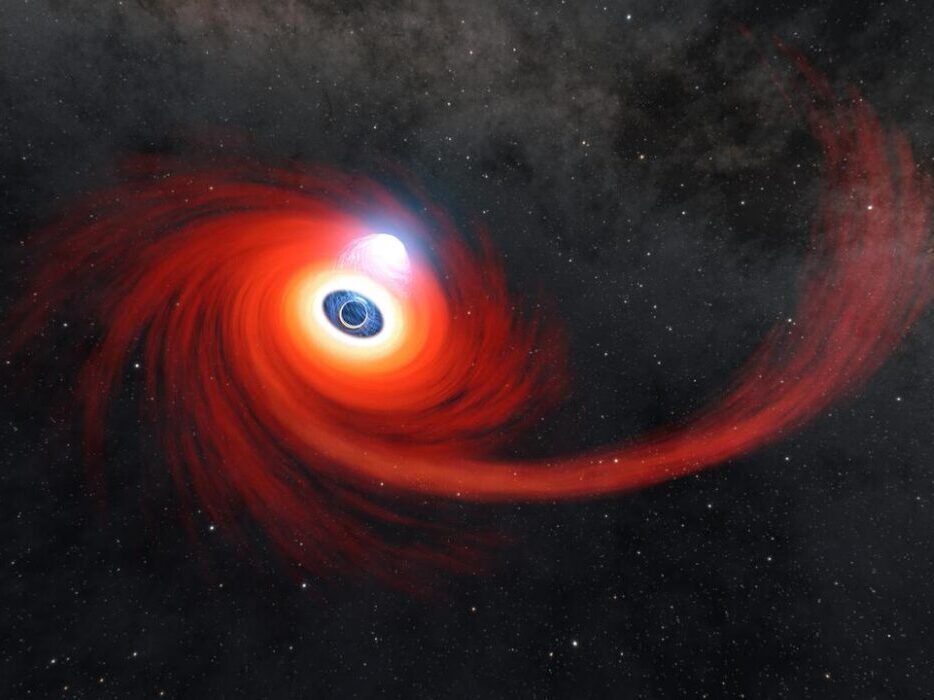
Silent and relentless, black holes draw in nearby matter, turning stars into feeding sources. Their immense gravitational pull allows them to engulf entire stars without fanfare, turning them into swirling accretion disks that glow with incredible energy.
A star drifting too close gets spaghettified, stretched into long strands before disappearing into the void. This quiet consumption shows how effortlessly these cosmic giants can change everything around them, devouring whole stellar bodies with apparent ease.
4. The elusive nature of singularities at black holes’ cores.
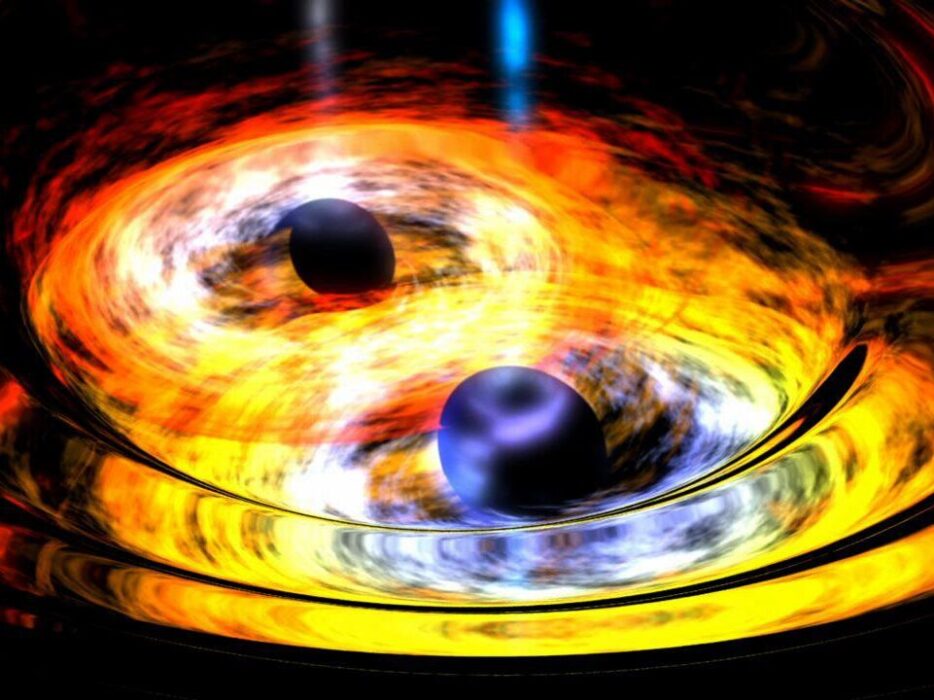
Within a black hole’s core lies a singularity, a point where gravity compresses matter to infinite density. This mystery challenges our understanding of physics, as known laws break down in such extreme conditions, defying conventional explanations.
To visualize it, imagine an entire galaxy crushed into an infinitesimally small space, beyond which our comprehension fades. Scientists seek to understand this elusive core, hoping to unite the theories of quantum mechanics and general relativity.
5. Why some black holes spin at nearly the speed of light.
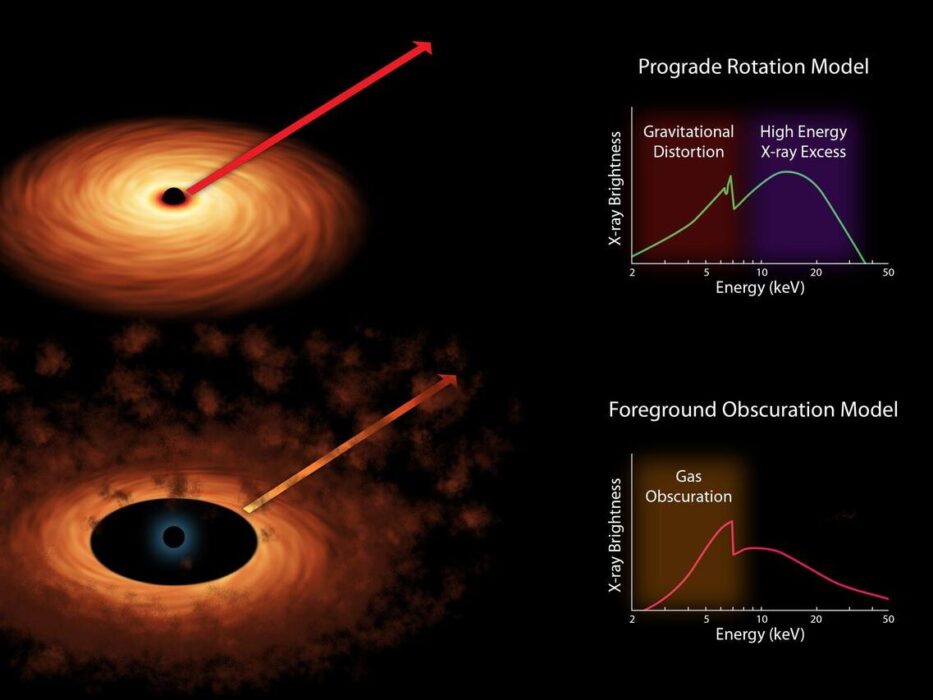
Some black holes rotate at astonishing speeds, reaching nearly the speed of light. This rapid spin stretches space-time further and generates immense magnetic fields, altering everything around them with dynamic forces.
Such swirling giants can drag space-time along with their captivating spin, like a potter’s wheel pulling clay into new forms. These fast rotations add layers of complexity to their enigmatic nature, illuminating the intricate dance of forces in the universe.
6. The mystery of how black holes emit powerful jets of energy.

Black holes can shoot out jets of energy that stretch across vast distances, fueled by the turmoil of their accretion disks. These high-speed streams contain charged particles accelerated by strong magnetic fields around the black hole.
Despite their mysterious origin, these jets pierce through space like cosmic lighthouses, illuminating the surroundings. They offer insight into how these powerful objects interact with their environment, sparking intrigue about the depths of their fueling mechanisms.
7. How black holes can warp the light around them dramatically.

Light bending around black holes creates an arc, a process known as gravitational lensing. This warping of light can magnify celestial objects positioned behind them, acting like a natural telescope that reveals distant galaxies otherwise invisible.
In a more earthly analogy, think of an optical illusion, where perspective shapes perception, transforming dark cosmic voids into tools of discovery. This phenomenon helps scientists study the universe’s expansion and the elusive nature of dark matter.
8. The paradox of information seemingly lost inside black holes.

The idea that information may vanish inside black holes puzzles physicists, leading to what is known as the information paradox. According to quantum mechanics, information should never be lost, yet a black hole seems to hide it irretrievably.
Hawking radiation complicates this mystery further, as it suggests that black holes slowly evaporate. Researchers debate whether any information they swallowed eventually re-emerges, maintaining the universe’s balance or challenging current theoretical frameworks.
9. How black holes influence galaxy formation on a cosmic scale.

Black holes influence galaxies by acting as cosmic anchors, with supermassive versions sitting at the centers of most galaxies. Their gravitational pull helps structure and stabilize the galaxy over billions of years, orchestrating the cosmic dance.
The interplay between galaxy and black hole models the universe, showing how vast these structures can grow. The life cycle of a galaxy ties to its central black hole, inspiring curiosity about formation and evolution on a grand cosmic scale.
10. What causes black holes to grow and shrink over time?

Black holes grow by absorbing matter but can also lose mass through Hawking radiation. This balance influences their lifecycle, with some black holes potentially shrinking over cosmic timescales while others balloon by consuming nearby stars.
Such a dynamic process means black holes are far more than static giants. They represent an ever-changing phenomenon, as fluid over eons as the very universe itself, embodying both expansion and decay in celestial cycles.
11. The possibility of black holes connecting to other universes.
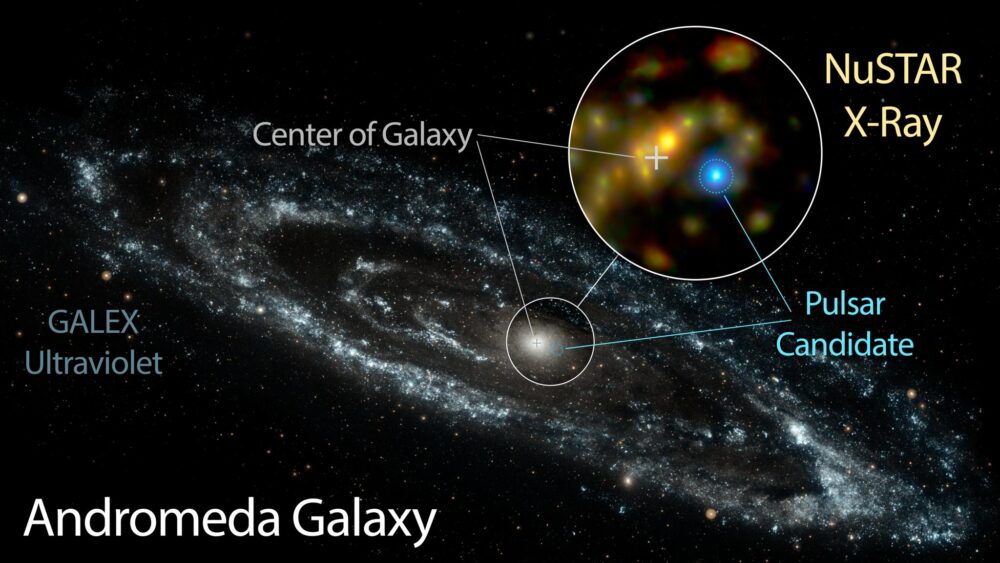
A speculative bridge, some theories suggest black holes could connect to other universes. Physicists ponder if the singularity could act as a portal, allowing for leap across dimensions, opening new vistas beyond our observable cosmos.
Though not proven, such ideas inspire wonder about the boundaries of known reality. In these theoretical realms, black holes may serve as gateways rather than ends, reshaping our comprehension of the universe’s architecture.
12. The challenge of observing black holes despite their invisibility.

Spotting a black hole requires observing its influence, since they emit no light directly. The visible accretion disks or emitted jets hint at their presence, elusive markers of these otherwise dark entities.
Studying their gravitational interactions with surrounding stars reveals their position, much like tracing the flow of a river to find its source. Even unseen, black holes command profound respect, their invisibility a reminder of the vast unknown lurking in the universe.