
What long-term observations are uncovering about Earth’s changing brightness.

NASA scientists say Earth is literally getting darker. New satellite data reveals that the planet is reflecting less sunlight back into space — a phenomenon known as “albedo decline.” The dimming appears to be linked to changes in cloud cover and warming ocean temperatures, especially in the eastern Pacific.
As climate patterns shift, less light bounces off the surface, trapping more heat within the atmosphere. Researchers warn this subtle but measurable change could accelerate global warming in the decades ahead.
1. Increasing levels of air pollution blocking sunlight from reaching Earth.
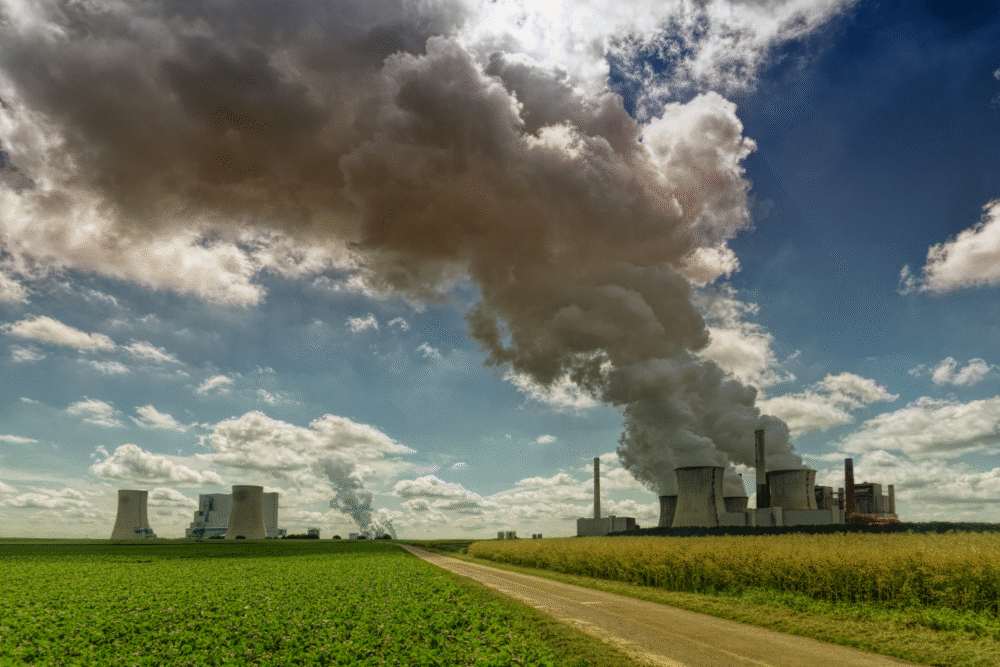
Air pollutants such as soot, dust, and chemicals often scatter or absorb sunlight, reducing the amount of sunlight reaching Earth’s surface. NASA’s observations highlight that increased atmospheric pollution diminishes Earth’s albedo, or the reflectivity of its surface.
When industries release these pollutants, sunlight diminishes, affecting ecosystems and climate. This complex process results in potential cooling and changes to weather patterns. Understanding how pollution alters light absorption helps scientists develop strategies to mitigate its environmental impact.
2. Changes in cloud cover reflecting less light back into space.
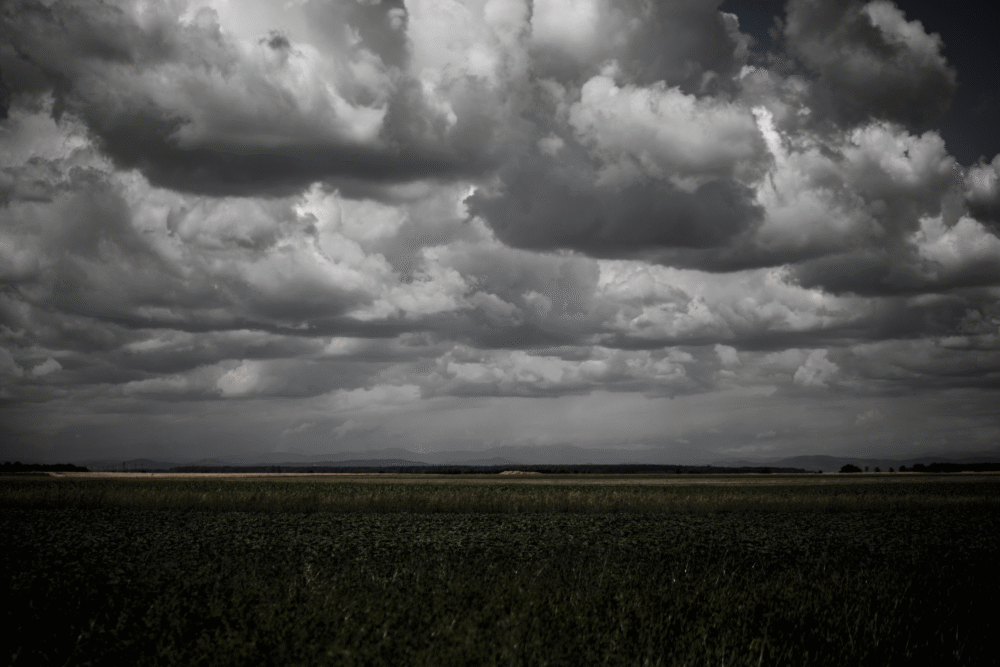
Clouds play a crucial role in reflecting sunlight back into space, regulating Earth’s temperature. Recent shifts in cloud cover, influenced by climate change, can reduce their reflective ability, permitting more sunlight absorption by Earth’s surface.
As cloud patterns fluctuate, regions may experience altered temperatures and precipitation levels. This, in turn, impacts ecosystems and human activities. Scientists use satellite observations to monitor these changes, providing insights into long-term climate projections.
3. Growing soot and black carbon deposits on snow and ice surfaces.
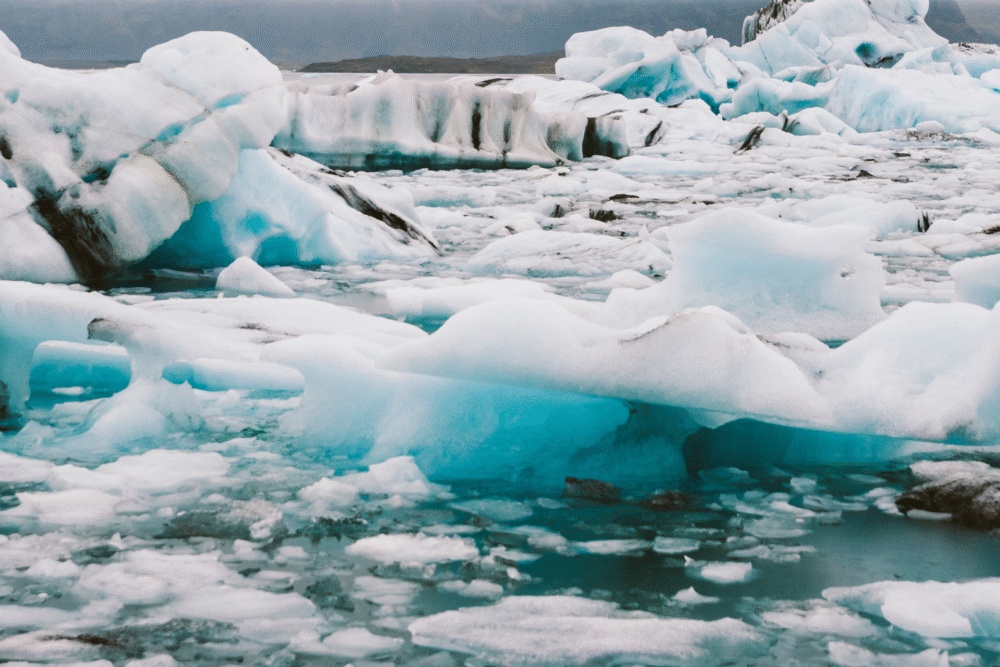
Soot and black carbon, mainly from burning fossil fuels, settle on snow and ice, darkening surfaces. This reduces their reflectivity and speeds up melting, disrupting natural habitats and contributing to sea-level rise.
Once pristine white snow absorbs more sunlight, accelerating the warming of polar regions, scientists track these changes to predict future climate scenarios. The presence of these dark particles in sensitive areas such as the Arctic has particularly significant climatic implications.
4. Shifts in vegetation patterns affecting how much sunlight is absorbed.

Vegetation plays a vital role in the Earth’s albedo by absorbing sunlight during photosynthesis. Changes in vegetation, whether through deforestation or altered land use, affect how much solar radiation is absorbed or reflected by the planet’s surface.
Shifts in vegetation patterns can influence local and global climate systems. For instance, deforestation, which results in less reflective surfaces, increases heat absorption. NASA’s satellite data aids in understanding how these changes contribute to the overall darkening of Earth.
5. Volcanic eruptions releasing particles that temporarily darken the atmosphere.

Volcanic eruptions send ash and sulfur dioxide particles high into the atmosphere, temporarily reducing sunlight. These particles create an albedo effect, cooling parts of the Earth’s surface. Historically, large eruptions have led to brief periods of global dimming.
While volcanic activity is natural, its atmospheric alterations can influence climate by blocking solar radiation. Researchers examine these events to understand their role in the broader context of global environmental changes, offering insights into our planet’s dynamic systems.
6. Human-made aerosols impacting the atmosphere’s transparency and brightness.

Human-made aerosols, from industrial emissions and transportation, play a significant role in Earth’s atmospheric changes. These tiny particles scatter sunlight, altering the planet’s brightness. While some aerosols reflect solar energy back into space, others absorb heat and warm the atmosphere.
The diversity of aerosols complicates climate predictions. Scientists study these impacts to gauge their contributions to climate change and develop policies to manage industrial emissions. Understanding this complex relationship aids in crafting more effective environmental strategies.
7. Dimming caused by changes in solar radiation reaching the planet.

Solar radiation, the primary driver of Earth’s climate, naturally fluctuates over time. Changes in this incoming radiation, whether due to astronomical factors or atmospheric conditions, can lead to dimming or brightening.
Even minor alterations in solar input significantly impact weather patterns and ecological systems. Scientists closely monitor these variations to assess their role in the darkening process and overall climatic shifts. This understanding helps refine climate models and predict future changes.
8. Expansion of urban areas increasing surface absorption of sunlight.

Urban expansion creates surfaces such as asphalt and concrete that absorb rather than reflect sunlight. This intensifies the urban heat island effect, where cities become significantly warmer than surrounding rural areas.
Such changes in surface properties alter the local climate and can amplify energy demands and health issues. Observations from NASA highlight the profound influence of urban development on Earth’s albedo, showcasing the complex interplay between urbanization and environmental change.
9. Aerosol particles from wildfires contributing to atmospheric opacity.

Aerosol emissions from wildfires, increasingly common due to climate change, contribute to atmospheric haziness. These particles, suspended in the air, scatter sunlight, reducing clarity and altering climate patterns by cooling or warming the atmosphere.
While wildfires are natural, their increased frequency emphasizes the need to understand their environmental impact. By tracking aerosol emissions, scientists assess their effect on atmospheric opacity and global climate, offering a clearer picture of these natural disasters’ long-term consequences.
10. Variations in Earth’s surface reflectivity influencing overall light levels.

The reflectivity of Earth’s surface, known as albedo, directly influences light levels. Variations arise from natural and human-induced changes, such as deforestation or desertification, altering how much solar energy Earth’s surface reflects.
As surface reflectivity decreases, more sunlight is absorbed, affecting global temperatures and climate dynamics. Via NASA’s satellite imaging, scientists measure these albedo shifts to clarify their implications for climate change and environmental management strategies.