
Scientists warn extreme heat could push Earth past critical tipping points faster than expected.
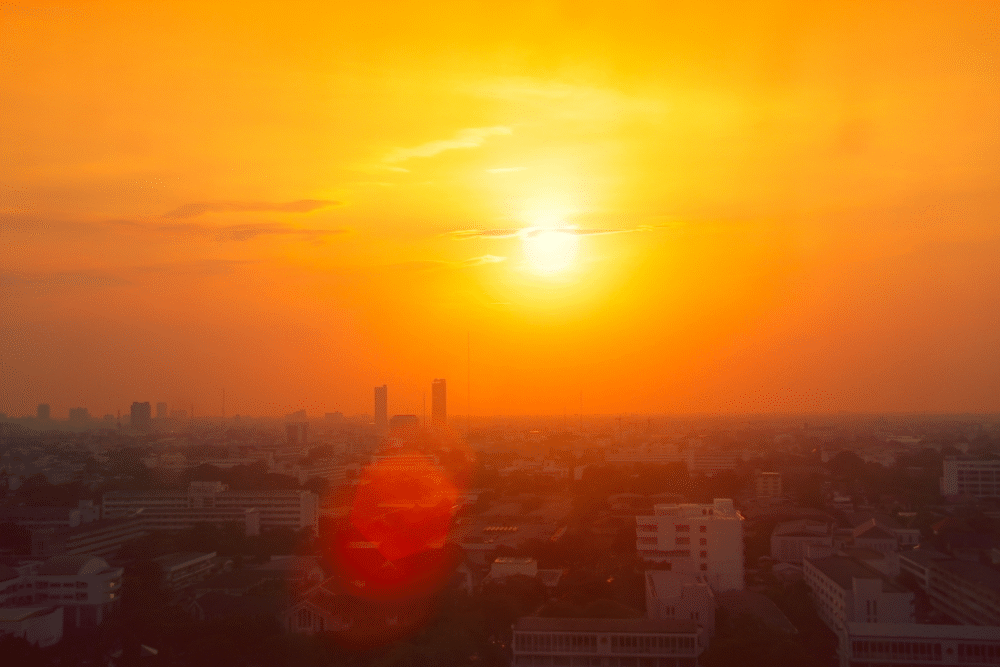
Scientists caution that rapidly rising heat could push the climate system toward dangerous tipping points within just a couple of years. Recent analyses show that greenhouse gas accumulation and extreme weather trends are accelerating, narrowing the window to prevent irreversible damage. If global temperatures continue climbing unchecked, critical systems like ice sheets, forests, and oceans may lose resilience, triggering cascading effects. While “climate catastrophe” is a strong term, the latest data suggests that we are entering a phase where delay could prove disastrous.
1. Triggering Climate Tipping Points Becomes More Likely
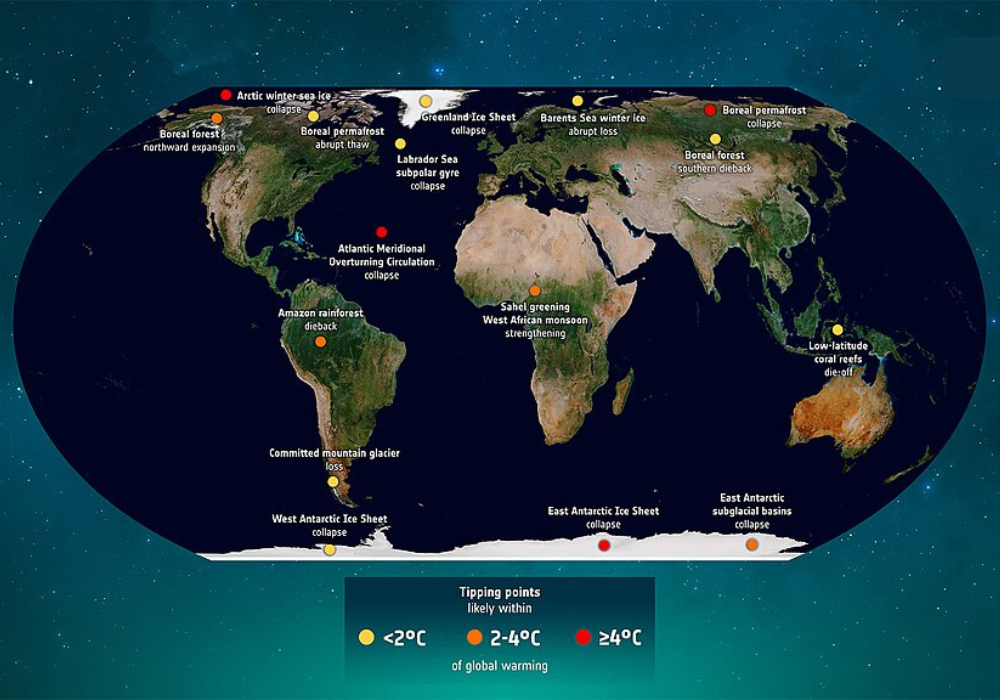
Recent research suggests our current trajectory makes it increasingly probable that the Earth will cross irreversible thresholds. Scientists modeled known tipping points—such as ice sheets, forests, and permafrost—and found that under today’s policies, the risk of triggering them is significant.
Crossing any one of these could cascade into others, compounding impacts. The study warns that warming beyond about 1.5°C greatly increases the chance of setting off irreversible shifts in Earth systems, underscoring how little margin remains to keep global warming under control.
2. Rising global temperatures increase the frequency of extreme weather events.

Rising global temperatures lead to more frequent extreme weather events. Heat waves intensify, hurricanes grow stronger, and heavy rainfall becomes customary. A warm air mass can gather more water vapor, fueling storms that bring wetter and more violent episodes.
These shifting patterns alter long-established climate norms, relentlessly testing infrastructure and communities. Flooded plains, torrential rains, and unyielding droughts emerge, illustrating the tangible impacts of these changes. Prolonged periods of severe weather create cascading challenges, complicating recovery efforts and straining resources worldwide.
3. Melting polar ice reduces the planet’s ability to reflect sunlight.
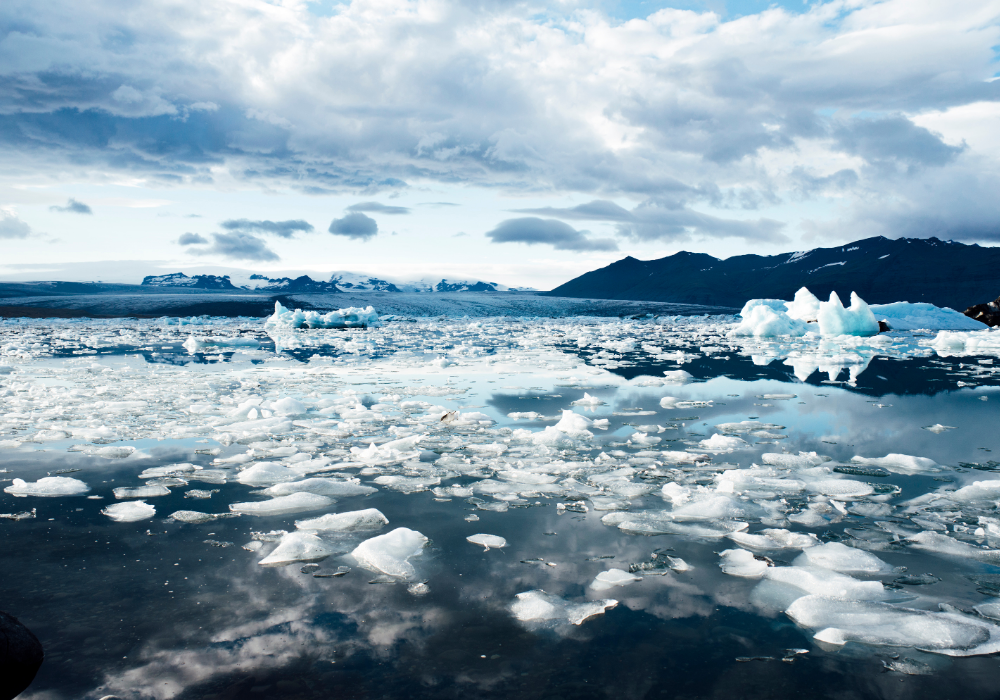
Melting polar ice diminishes Earth’s capacity to reflect sunlight, exacerbating warming. White ice surfaces bounce sunlight back into space, while darker ocean or land surfaces absorb heat. As more ice melts, less solar energy is reflected.
This accelerates warming in a self-reinforcing cycle, driving further ice loss and heating. Vast polar regions, once frostbitten and steady, are rapidly displaying signs of this change. This loss impacts global climate patterns, influencing weather systems far from these icy domains.
4. Heat accelerates the release of greenhouse gases from permafrost regions.
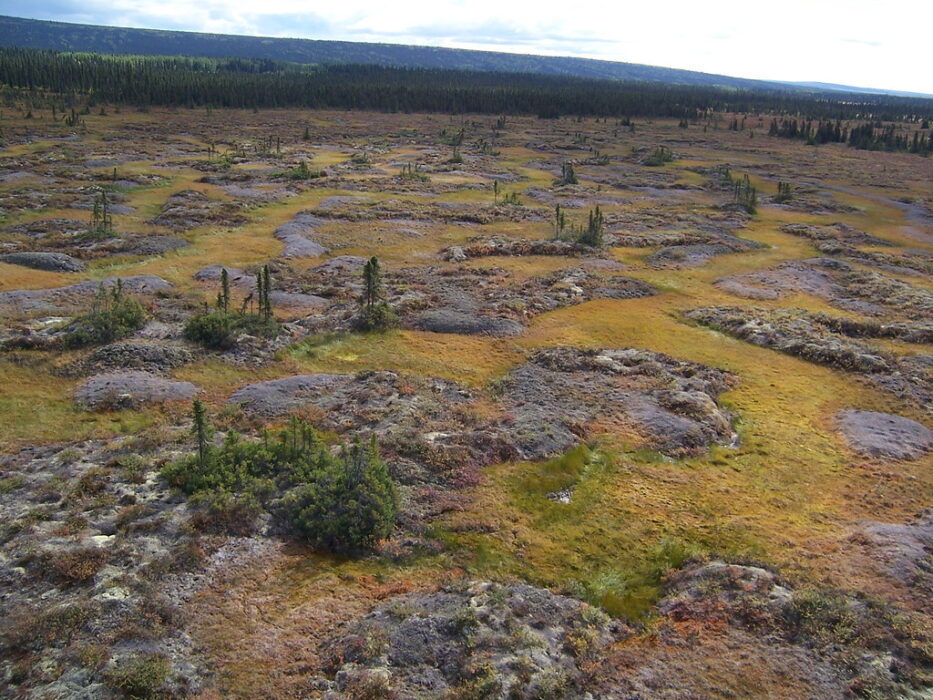
Permafrost regions, once considered permanent, release trapped greenhouse gases as they thaw. Heat causes the frozen ground to decompose, unleashing carbon dioxide and methane previously locked away. These potent gases then accelerate the greenhouse effect, intensifying global warming.
The release from these icy reserves contributes to atmospheric changes, with impacts on both regional and global scales. Formerly stable landscapes, such as Siberian tundra, transform into sources of emissions. This underscores the deep complexities of permafrost dynamics amidst rising temperatures.
5. Increased ocean temperatures disrupt marine ecosystems and weather patterns.
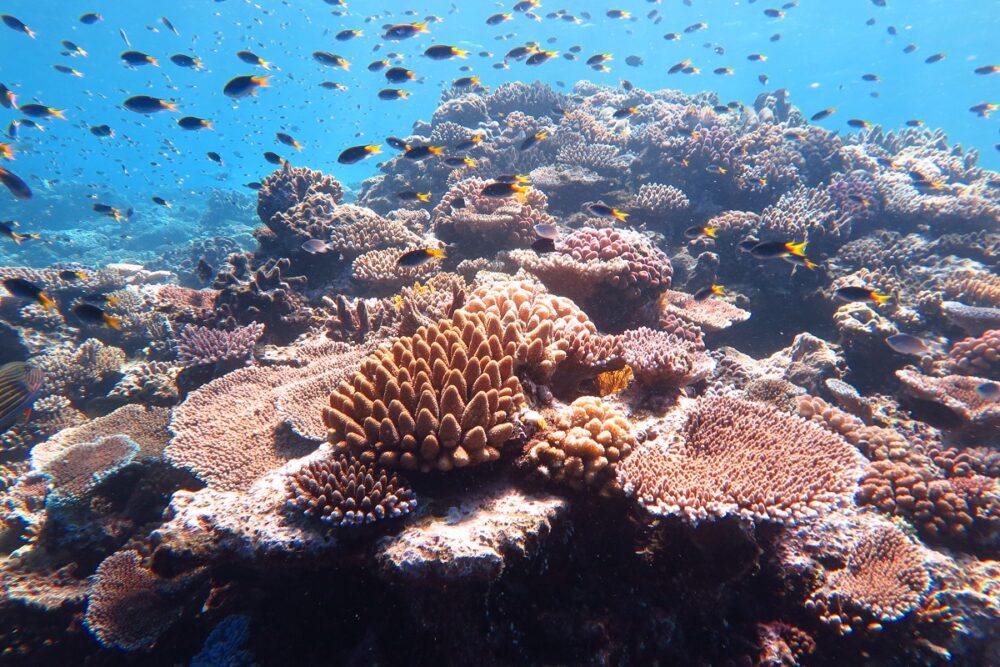
Rising ocean temperatures upset vital marine ecosystems and weather patterns. Warm waters lead to altered currents, which disrupt fish populations and affect global climate systems. Coral reefs, crucial to aquatic biodiversity, struggle to survive in these heated environments.
Marine habitats undergo significant stress, threatening species that rely on specific temperature ranges. Phenomena such as El Niño gain intensity, impacting weather conditions across continents. These shifts highlight interconnected oceanic and atmospheric processes, showcasing their role in worldwide climate systems.
6. Higher heat levels strain freshwater resources and agricultural productivity.

Higher levels of heat put pressure on freshwater supplies and crop yields. Elevated temperatures increase evaporation, reducing accessible water for agriculture and drinking. Extended heat can lead to drought, decimating harvests and challenging water management.
Nations dependent on consistent rainfall feel the strain as reservoirs run dry. Cropland wilts under unrelenting sun, with farming practices adjusting to new climatic realities. Such scenarios illustrate the critical link between temperature and resources essential for survival.
7. Heatwaves heighten the risk of wildfires, releasing more carbon into the air.
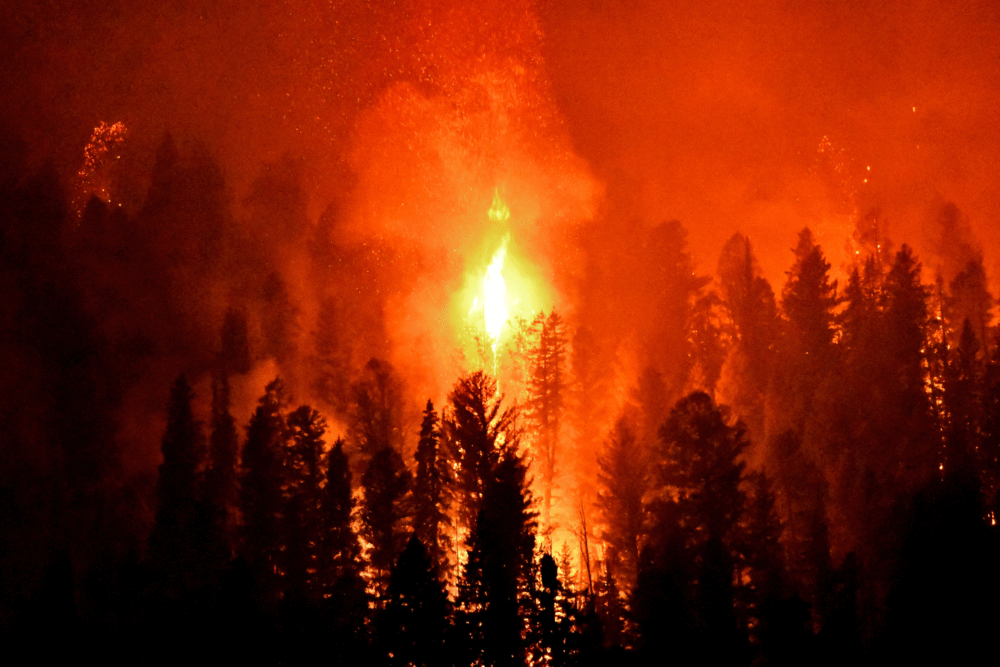
Heatwaves increase wildfire risks, releasing additional carbon into the atmosphere. Dry, hot conditions create tinderbox environments where sparks quickly ignite scenery. Once ablaze, vegetation changes from carbon sink to carbon emitter.
In regions prone to fire, these conditions lead to more frequent and intense outbreaks. Dense smoke contributes particulates and greenhouse gases, exacerbating climate conditions. The cycle perpetuates itself, rendering landscapes vulnerable to repeated fiery episodes.
8. Urban heat islands amplify local temperatures and energy consumption.
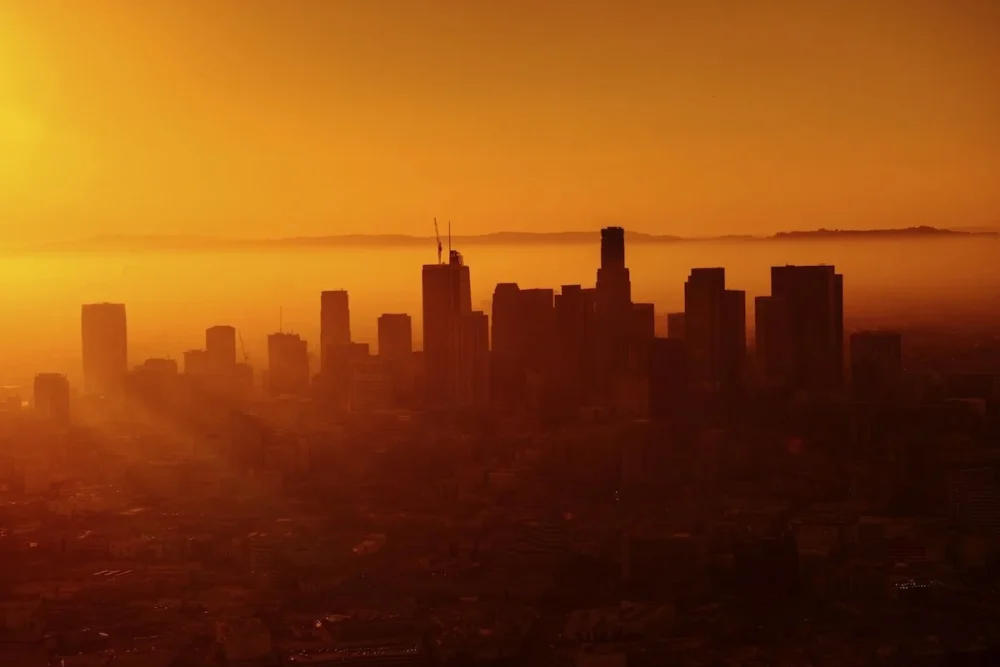
Urban heat islands cause localized temperature spikes, boosting energy demands. Dense cities produce heat from buildings, roads, and emissions, further intensifying warmth. This effect strains power systems as air conditioning and cooling technologies operate overtime.
Consequences span beyond energy, affecting urban climates distinctly from their surroundings. Nighttime temperatures remain elevated, compounding daily stress on residents and infrastructure. These hotspots provide insight into human activity’s influence on immediate environments.
9. Heat stress affects human health, reducing labor productivity globally.

Heat stress impairs human health, reducing labor efficiency on a global scale. Prolonged exposure to high temperatures leads to heat-related illnesses and fatigue. Workers in outdoor or strenuous jobs experience reduced productivity, impacting economic output.
Societies across varying climates feel the weight of these impacts on workforce vitality. Regions lacking adaptation measures see pronounced challenges in sustaining regular activities. The correlation between temperature and human performance encapsulates broader consequences of climate change.
10. Amazon Rainforest Dieback Could Shift Climate Zones

The Amazon helps regulate moisture across South America and beyond. If deforestation, drought, and rising heat push it past a tipping threshold, it could collapse into savanna, reducing rainfall and carbon uptake.
That transformation would weaken regional climates, threaten agricultural regions, and release massive stores of carbon. Scientists fear that once the dieback begins, it may be irreversible on human timescales, with global consequences for biodiversity, food systems, and carbon balance.
11. Elevated temperatures cause coral bleaching, harming biodiversity and fisheries.
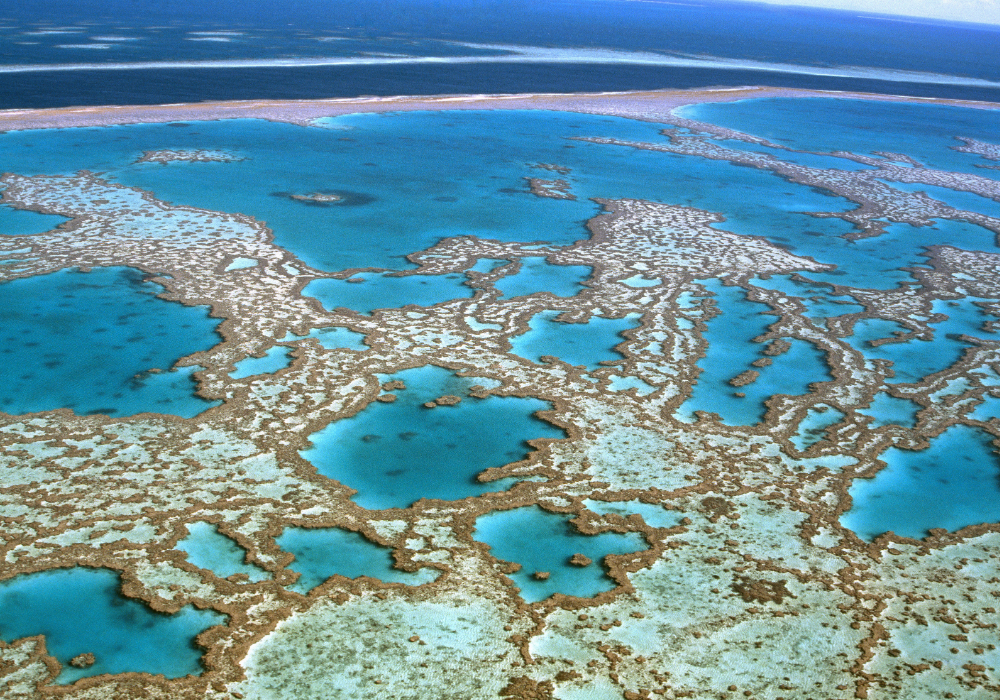
Elevated temperatures cause coral bleaching, disrupting marine biodiversity and seafood sources. Heating oceans stress corals, expelling symbiotic algae and leaving behind white skeletons. This reduces habitat complexity, affecting countless marine species.
Fisheries reliant on healthy coral ecosystems face economic setbacks as populations dwindle. Coastal communities affected by these changes adapt to shifting aquatic balances. These incidents highlight the fragility of marine environments amidst ongoing climate shifts.
12. Atmospheric heat can intensify storms and increase their destructive power.
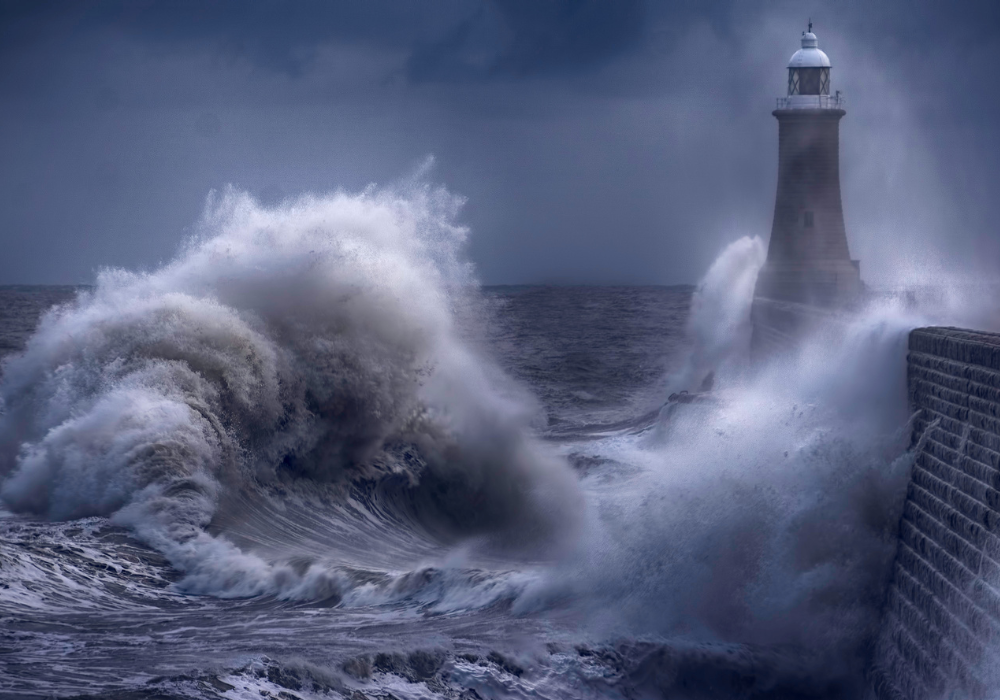
Heated atmosphere amplifies storms, increasing their force and damage potential. Warmer air holds more moisture and energy, fueling severe weather systems. Storms become capable of inflicting heavy rain and strong winds over vast areas.
Communities find themselves unprepared or overwhelmed by intensified storm events. Recovery takes longer, taxing resources and infrastructure. As nature’s swirls grow mightier, adapting to more robust systems remains imperative for future resilience.
13. Persistent warming triggers feedback loops that further accelerate climate change.
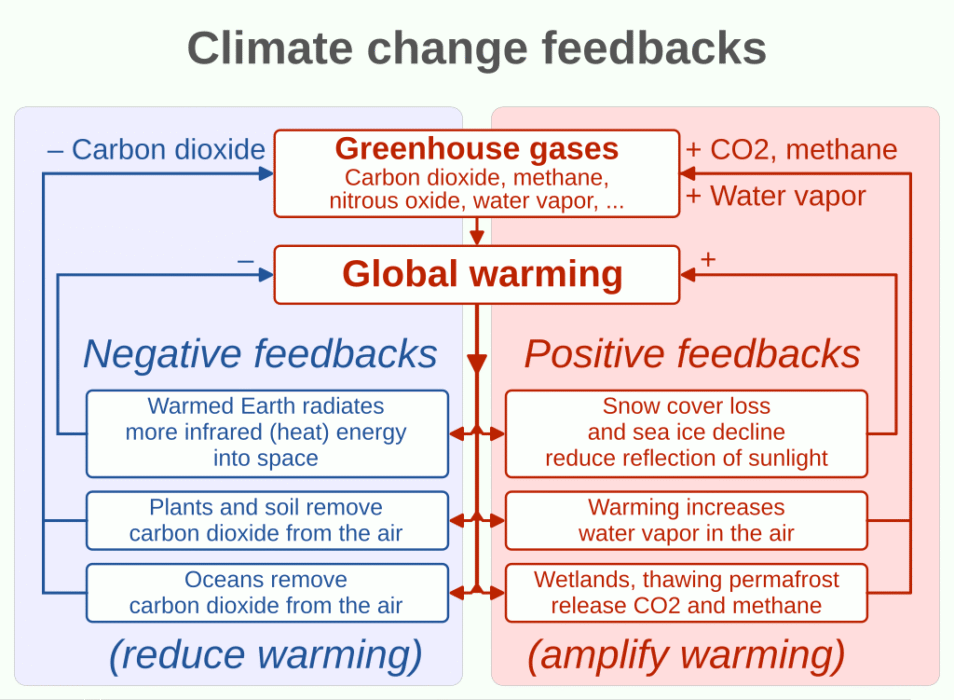
Continual warming activates feedback loops, hastening additional climate changes. For instance, increased temperatures lead to thawing permafrost, which then releases greenhouse gases, raising temperatures further. These loops magnify initial impacts, making mitigation more complex.
Understanding such mechanisms is crucial for predicting future climate dynamics. Self-amplifying cycles pose significant challenges to ecological and human systems worldwide. This intricate web of interactions represents both a scientific puzzle and a call for informed action.
14. Cascading Tipping Could Create Climate Collapse
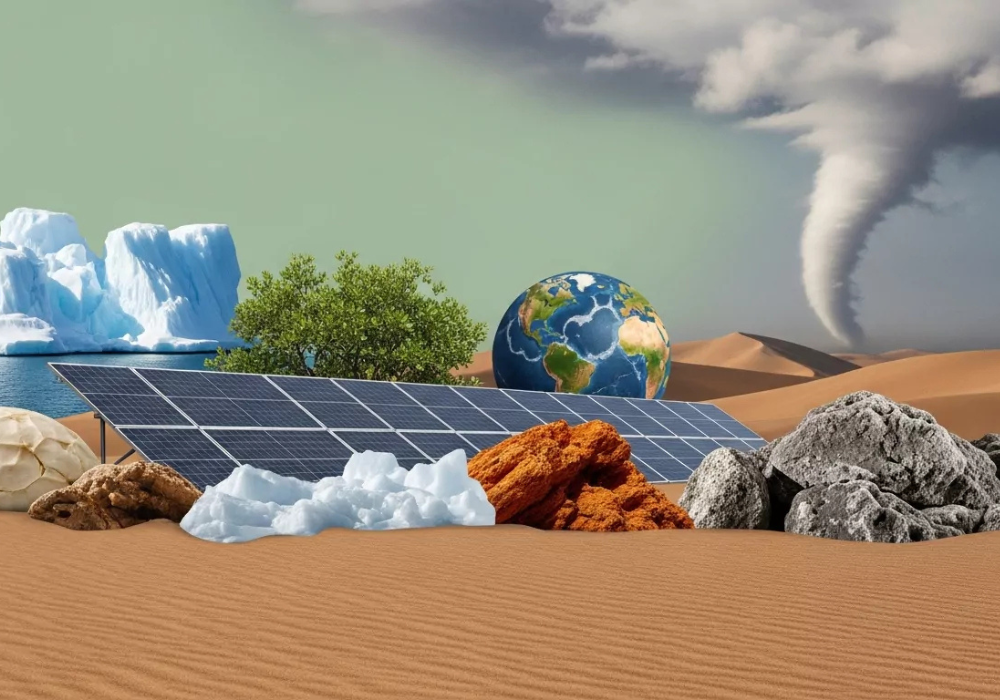
One tipping event can push others over the edge. Scientists warn that crossing a threshold in one Earth system, such as permafrost thaw, may destabilize others, like forest dieback or ice loss.
This domino effect means the threat isn’t just one collapse, but a cascade. Once started, the chain reaction could lead to abrupt, wide-reaching changes on a global scale, overwhelming societies and ecosystems unprepared for such rapid transformations.