
New research reveals alarming changes in Antarctica that could accelerate global sea level rise.
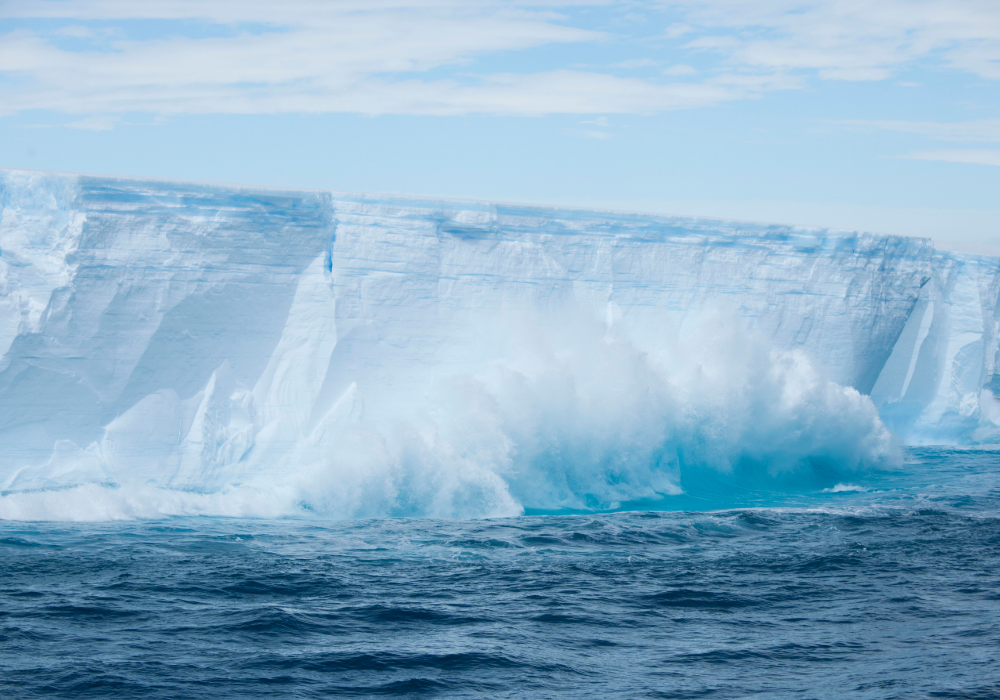
A new study published in Nature Climate Change has scientists sounding the alarm over record-breaking extremes in Antarctica. Researchers found that the continent is experiencing unprecedented heat waves, plummeting sea ice levels, and powerful shifts in wind patterns — all signs of rapid destabilization. These changes, they warn, are unfolding faster than climate models predicted and could have global consequences. As Antarctica’s ice continues to thin and melt, experts say the world may be inching closer to irreversible sea level rise.
1. Antarctic temperatures regularly drop below minus 70 degrees Celsius in winter.
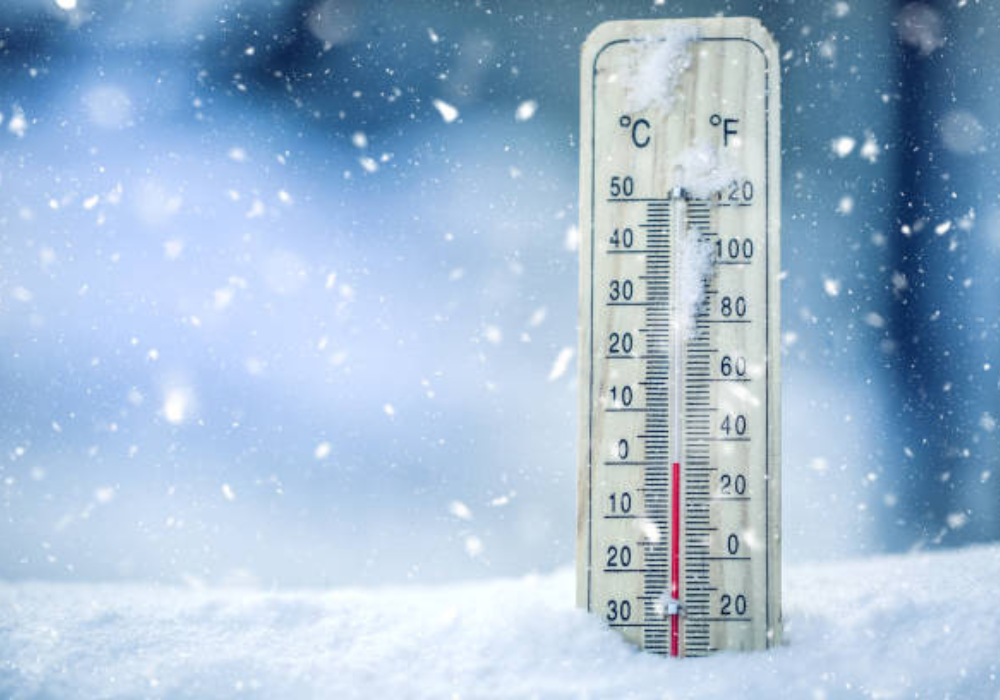
Antarctic temperatures during winter can plunge to below minus 70 degrees Celsius. This makes the continent one of the coldest places on Earth, with consistently harsh and life-threatening conditions that challenge both wildlife and researchers.
Such extreme cold results from a combination of factors including high altitude and low solar energy input. Unlike fluctuations experienced elsewhere, these temperatures stabilize over vast ice sheets, fostering unique ecosystems adapted to frigid environments.
2. The continent experiences prolonged periods of darkness during the polar winter months.
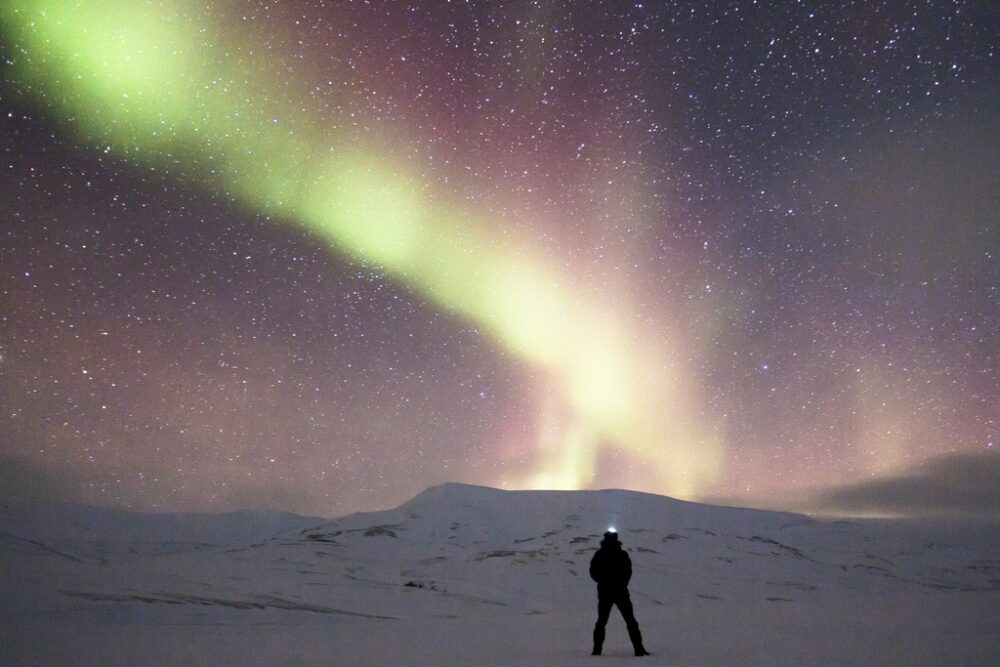
Polar winter months in Antarctica bring extended darkness that lasts for weeks. Without sunlight, temperatures drop even further, and the landscape becomes a stark, icy expanse under the dim glow of auroras.
This surreal perpetual night affects weather patterns, as solar heating remains absent, and ice accumulates undisturbed, creating a mounting challenge for wildlife and human expeditions in tracking food and staying warm.
3. Strong katabatic winds sweep down the ice slopes at hurricane speeds.
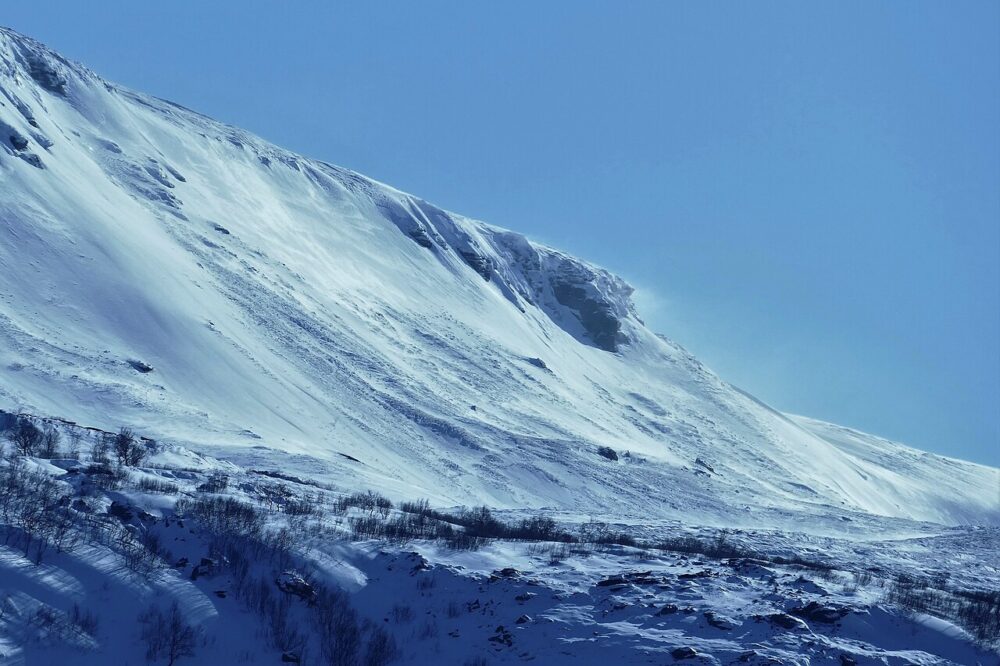
Hurricane-strength katabatic winds frequently descend the icy slopes of Antarctica. Driven by gravity, these cold, dense air masses accelerate down the elevated ice sheets, reaching speeds that can topple tents and disrupt field research activities.
However, they also play a crucial role in shaping the continent’s weather. By redistributing snow and sculpting ice formations, these persistent winds contribute to the dynamic Antarctic landscape, revealing and erasing features over time.
4. Antarctica is the driest continent with some areas resembling cold deserts.
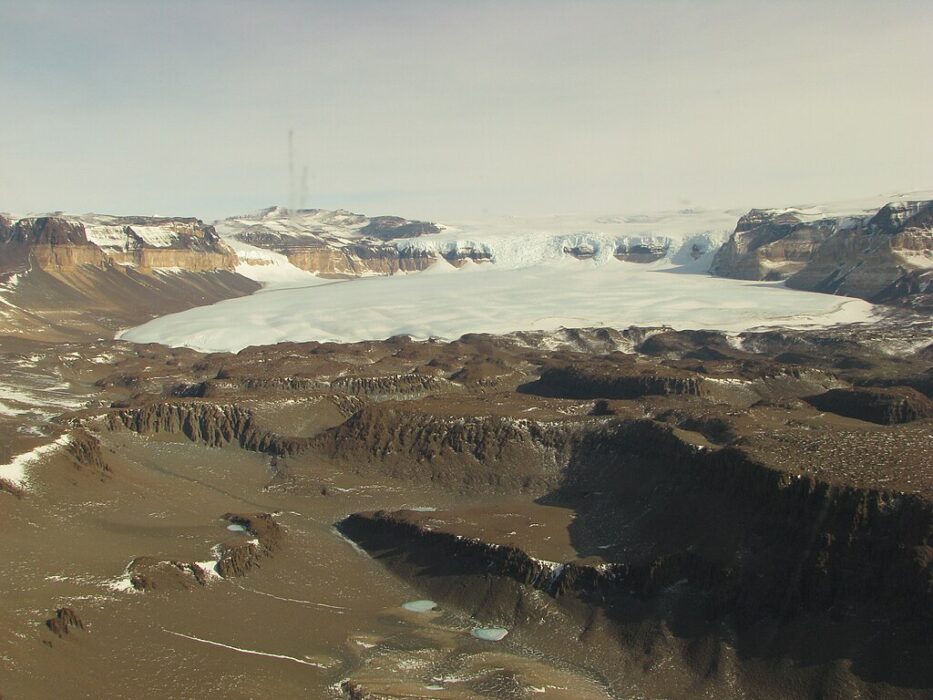
Antarctica earns the title of the driest continent, with certain regions experiencing almost no precipitation. These cold deserts, like the McMurdo Dry Valleys, are as arid as the Sahara.
Such dryness results from limited snowfall and sublimation, where ice turns to vapor directly, bypassing the liquid state. The stark, barren terrain offers scientists a glimpse into Mars-like conditions, aiding planetary research through parallel studies conducted in these extreme environments.
5. Ice sheets in Antarctica hold about 60 percent of the world’s freshwater.
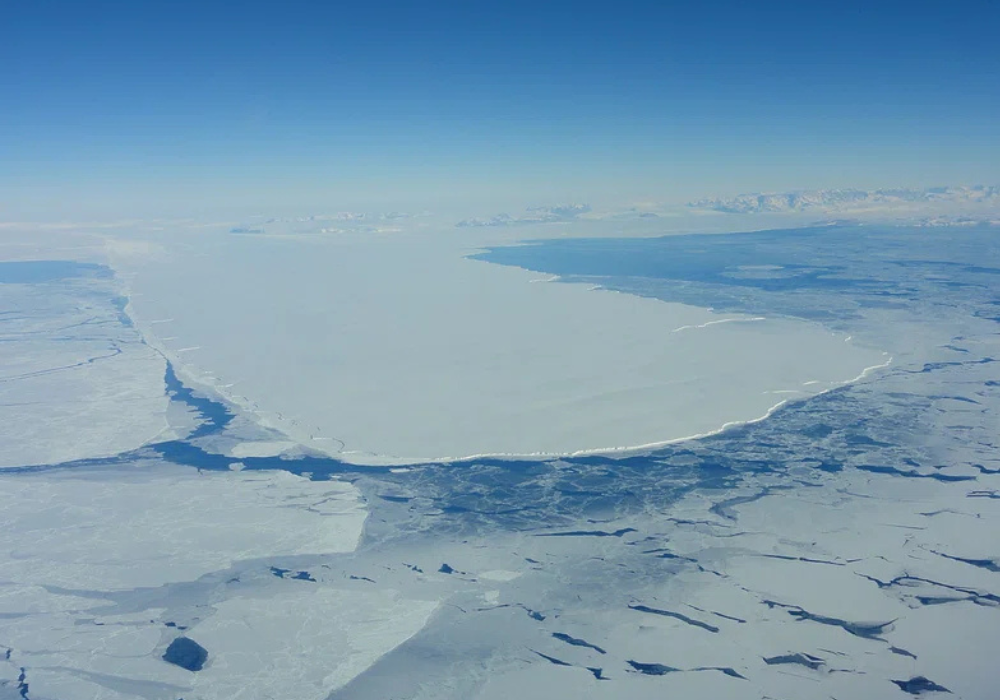
Holding approximately 60 percent of the world’s freshwater, Antarctic ice sheets are fundamental to global water reserves. These massive frozen reservoirs deeply impact sea level conditions worldwide.
As climate change intensifies, potential ice melt from these sheets could drastically raise ocean levels, threatening coastal communities globally. Therefore, understanding their stability is crucial for future climate and environmental planning efforts.
6. Temperature fluctuations can vary drastically between coastal and inland regions.
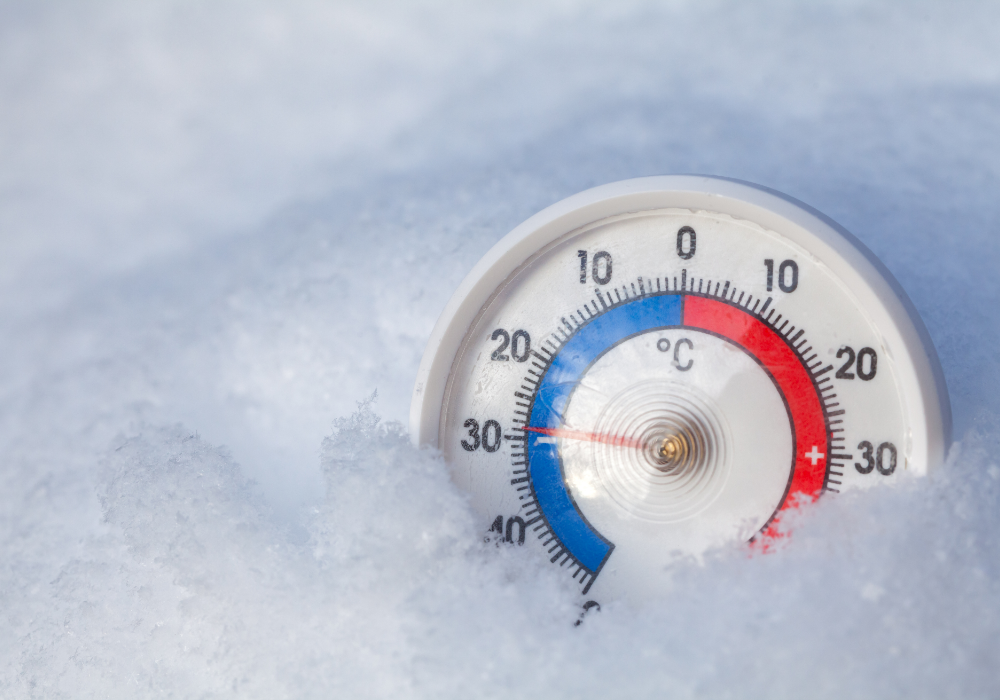
Antarctica’s coastlines and interior present dramatic temperature differences. Coastal areas, influenced by the ocean, often have milder temperatures compared to the frigid inland.
These variations stem from differing altitudes, distance from moderating sea effects, and the insulating properties of extensive ice covers. Studying these fluctuations helps scientists understand how local and global climate systems are interconnected, influencing weather forecasting and climate models.
7. The interior of Antarctica has one of the coldest recorded temperatures on Earth.
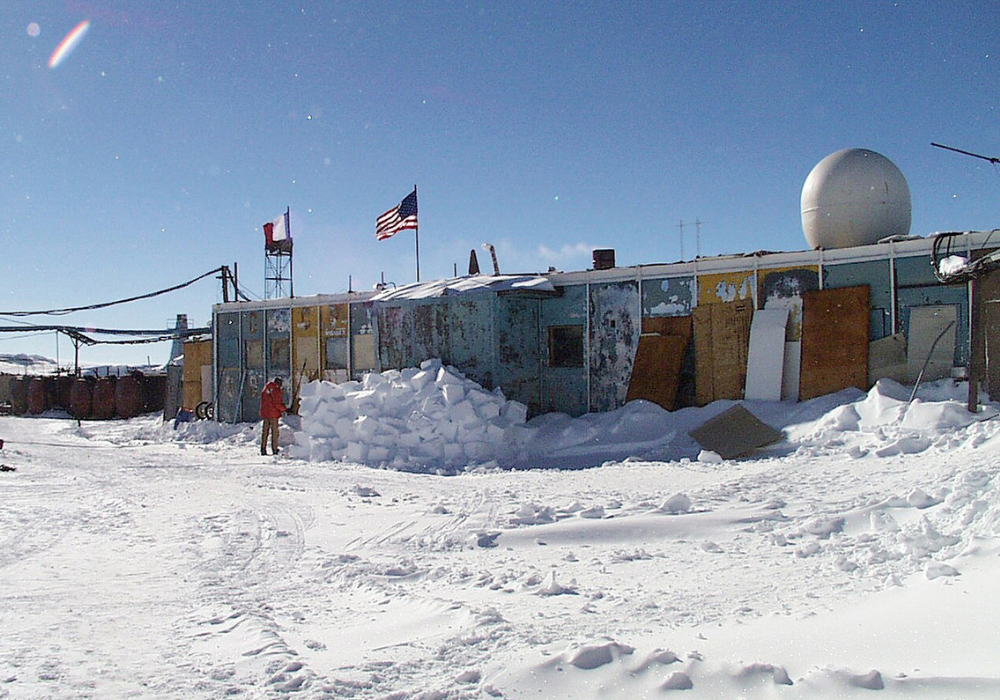
The pinnacle of cold on Earth belongs to Antarctica’s interior, where some of the lowest temperatures ever recorded reside. The Russian Vostok Station holds particular notoriety among these chill zones.
Extreme atmospheric conditions lead to temperature records like minus 89.2 degrees Celsius. The findings from such remote locations provide a baseline for understanding Earth’s natural climate limits and the evolutionary adaptability of life.
8. Snow accumulation rates are extremely low except near the coastlines.
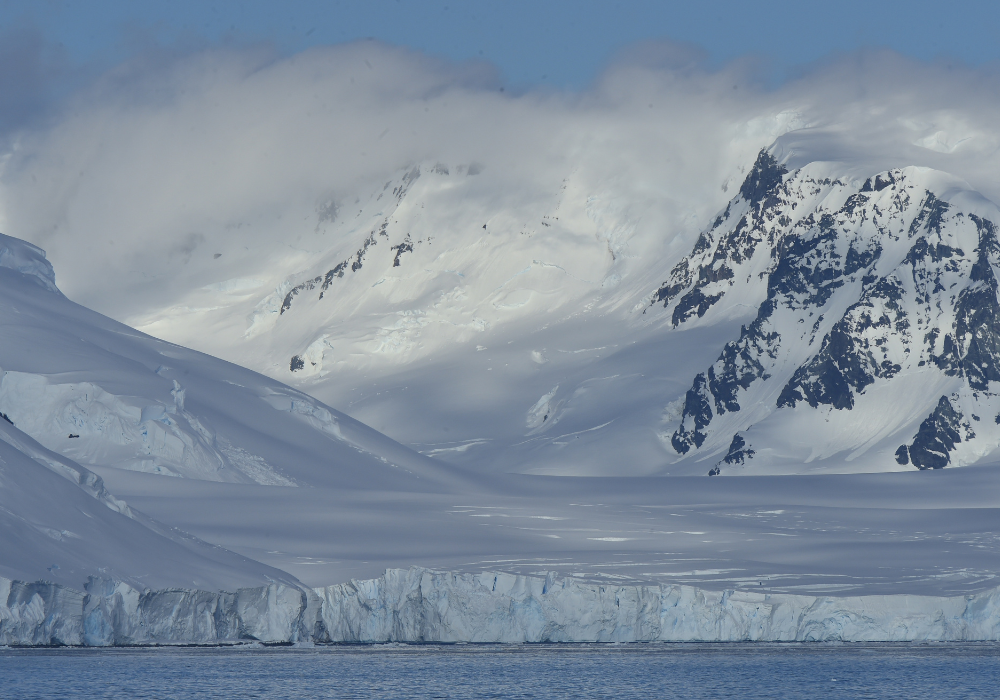
Near-coastal snow accumulation contrasts sharply with the sparse precipitation inland. The coastal regions receive more snowfall due to moisture from the surrounding ocean, whereas the interior sees minimal additions to its icy blanket.
This disparity affects glacial dynamics and sea levels. Since coastal snow can eventually contribute to rising seas if it enters the ocean, these areas serve as critical zones for monitoring climate change impacts.
9. Melting and freezing cycles contribute to unique ice formations and landscapes.
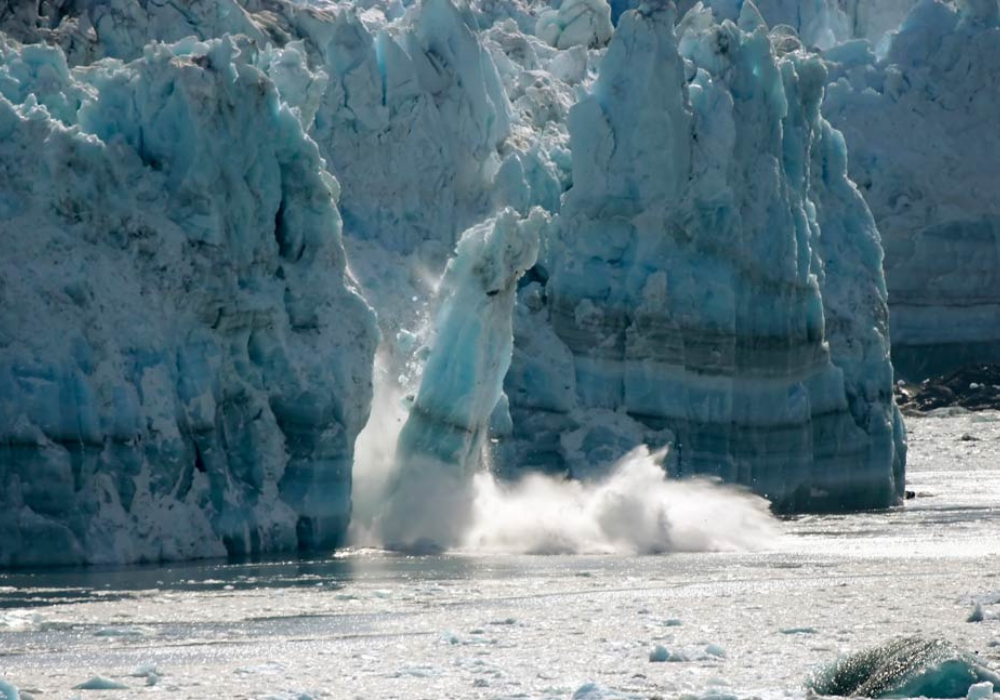
Unique melting and freezing cycles are continuously at play across Antarctica’s ice landscapes. Temperatures above freezing cause surface melting, which refreezes to form intricate ice structures like hummocks and blue ice patches.
These cycles alter ice density and flow characteristics, impacting everything from glacier movement to iceberg calving. Scientists examine them to shed light on past climate shifts and predict Antarctica’s response to current global warming trends.
10. The Antarctic ozone hole affects climate and ultraviolet radiation exposure.
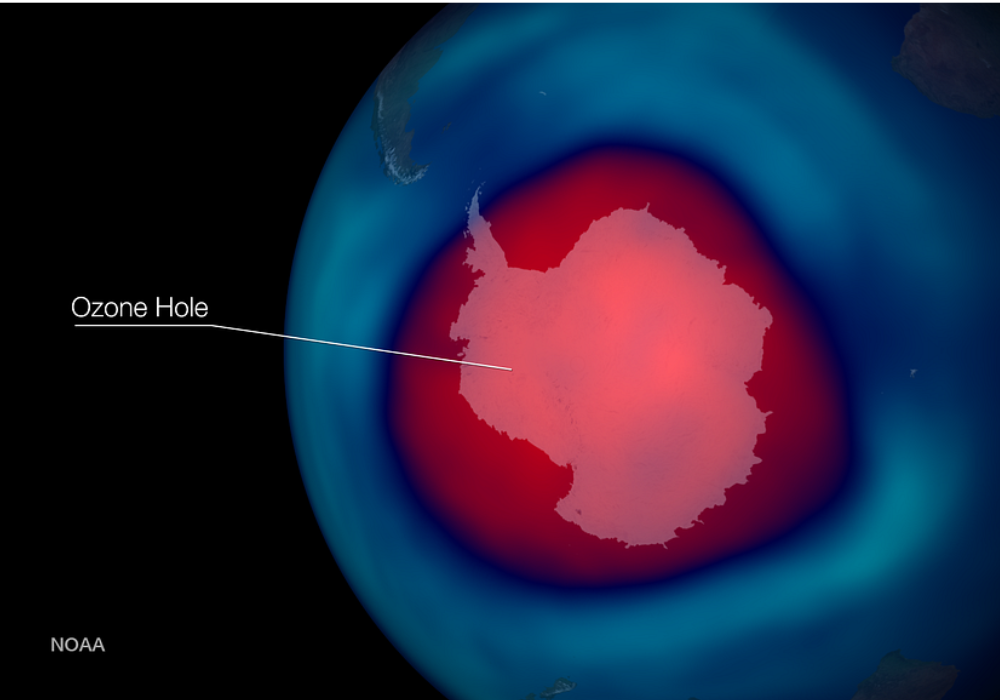
The Antarctic ozone hole influences both the region’s climate and UV radiation levels. Severe ozone depletion each spring allows harmful ultraviolet rays to reach the Earth’s surface.
This phenomenon affects atmospheric temperatures and contributes to altering wind patterns across the Southern Hemisphere. These shifts can modify weather as far away as the tropics, illustrating the far-reaching implications of this environmental issue.
11. Sunlight exposure varies drastically, influencing surface melting and temperature.
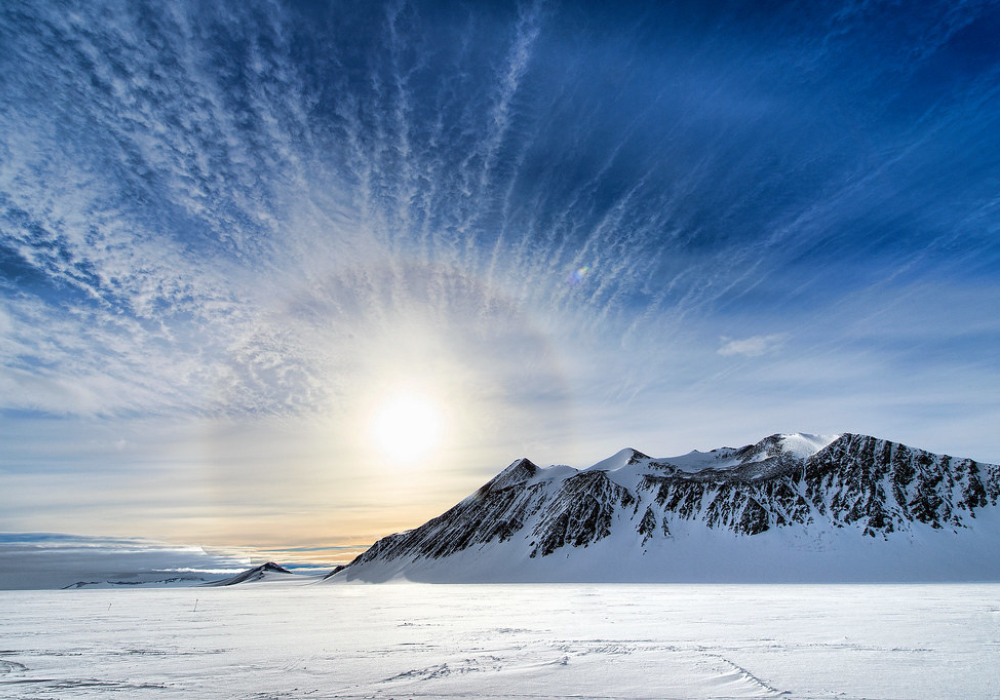
Sunlight dramatically alters conditions on Antarctica’s surface. During the summer, when daylight can last for 24 hours, ice and snow are subject to increased melting.
Absence of sunlight in winter curtails this effect, stabilizing temperatures and precipitation. Researchers analyze these light cycles to understand broader climate impacts, as solar variations directly influence both local ecosystems and global systems like ocean currents.
12. Climate extremes in Antarctica impact global weather patterns and ocean currents.
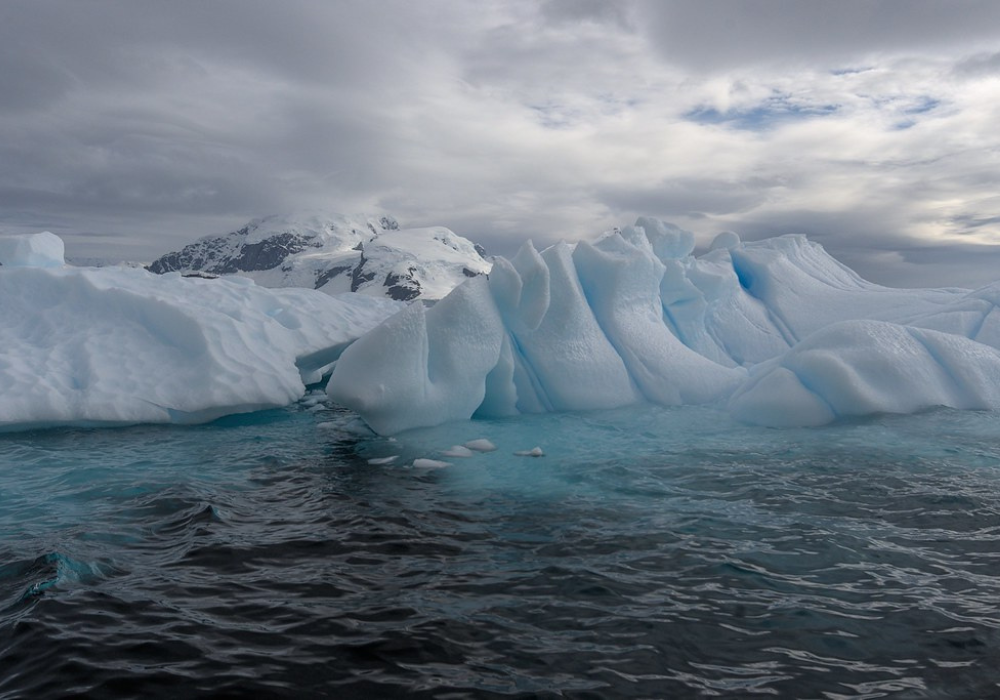
Extreme Antarctic climates significantly shape global weather and ocean currents. The continent’s cooling powers the polar vortex, affecting storm patterns far north.
Through its influence on elements like sea ice extent and water salinity, Antarctica plays an integral role in ocean circulation. This connection helps drive climate systems worldwide, emphasizing the need for continual research into its dynamic environmental conditions.