
Experts warn that a warmer, drier climate is turning vast regions of the U.S. into tinderboxes.
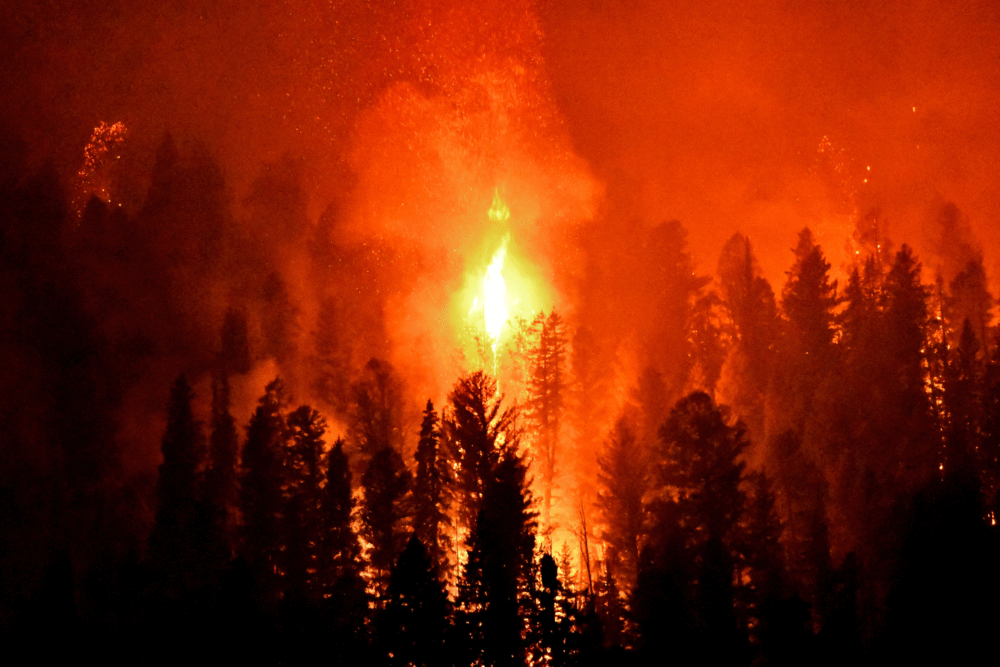
Wildfires across the United States have grown more intense and frequent, and climate change is a central factor behind this shift. Rising temperatures and altered precipitation patterns create drier landscapes primed for fire. Longer fire seasons, increased drought, and changes in vegetation all contribute to the escalating wildfire threat. Understanding these connections helps communities adapt and respond to the evolving risk posed by climate-driven wildfires.
1. Rising temperatures create drier conditions that fuel wildfire spread.
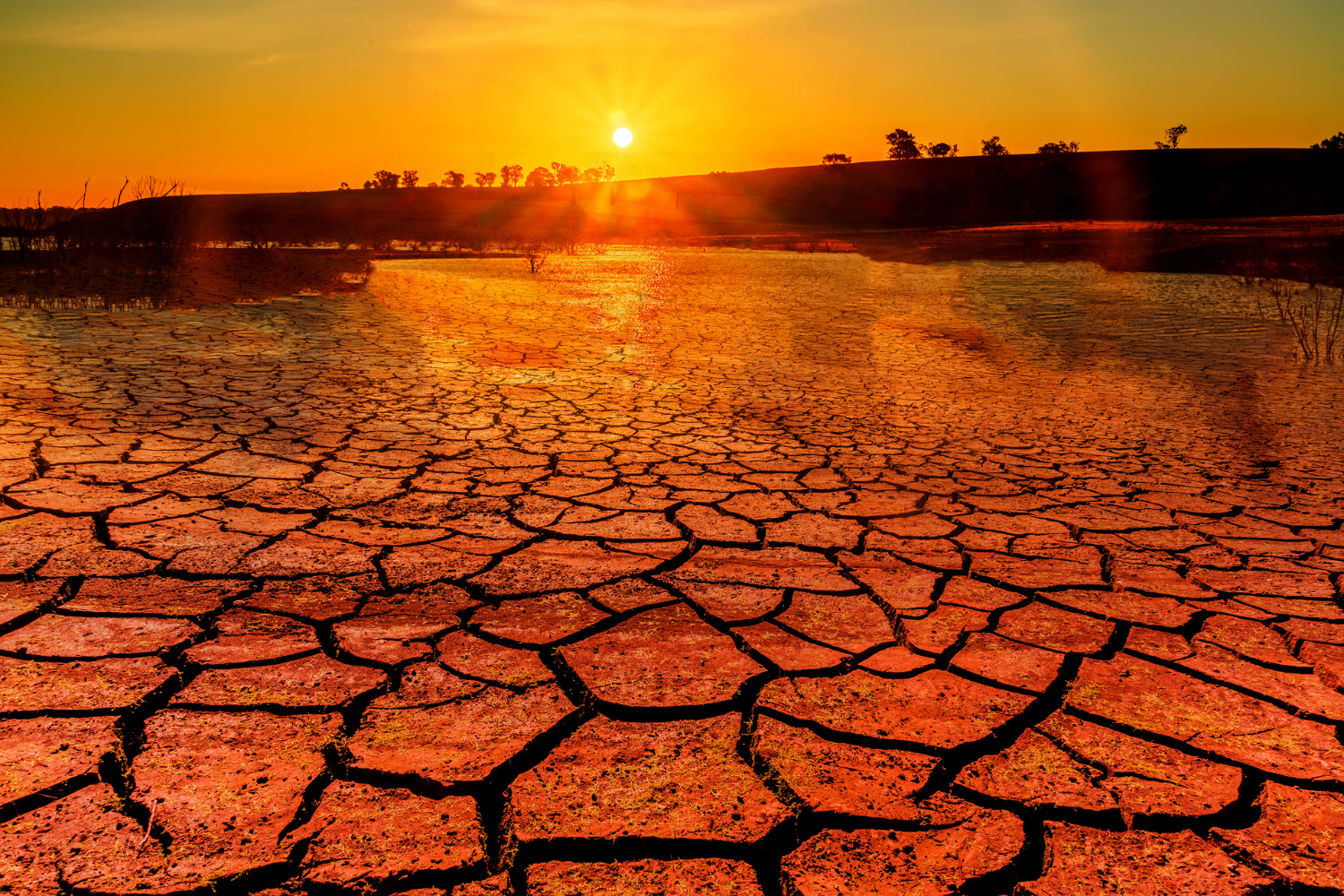
Warm air holds more moisture, and rising temperatures exacerbate drought conditions, leaving forests dry and ready to burn. Wildfires spread quickly when conditions like this persist, as available dry vegetation acts as fuel, igniting more fiercely. Drier air encourages rampant wildfire spread.
Natural cycles become disrupted, prolonging periods without rain in places where moisture once sufficed. Vegetation can’t recover easily, turning forests into tinderboxes. As temperatures climb, landscapes transform from lush to desiccated, inviting more frequent and severe wildfires, reshaping ecosystems with each blaze.
2. Shifts in precipitation patterns lead to longer and more intense fire seasons.
Weather patterns shift globally, leading to altered rainfall in various regions. Longer and more intense fire seasons emerge in previously unaffected areas. The imbalance increases the frequency and duration of wildfires. Firefighters struggle to meet the demands of these extensive seasons.
Habitats accustomed to wet and dry cycles now face unpredictable conditions. Native species experience stress as adaptations falter. Communities plan for fire seasons to extend beyond expected months, affecting agriculture as water resources strain under longer dry spells.
3. Warmer winters reduce snowpack, drying out forests earlier in the year.
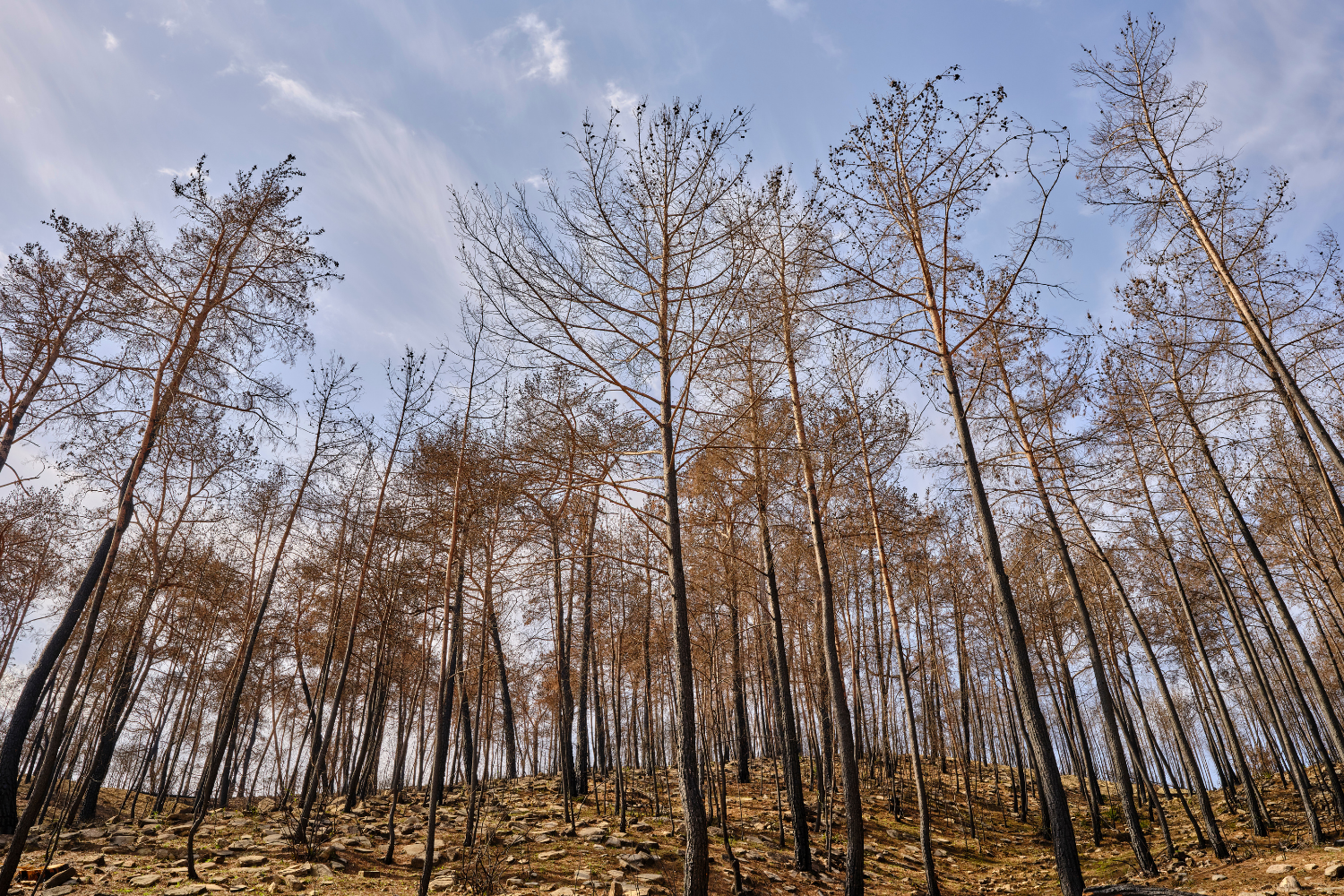
Snowpack serves as a natural reservoir, slowly releasing moisture into the environment. Warmer winters result in reduced snowpack, leaving forests deprived of this gradual hydration. Dryer soils and vegetation ignite more easily, turning winter resilience into spring vulnerabilities.
Forested areas that once thrived under a reliable ebb and flow now confront dry conditions sooner. Wildlife reliant on water from snowmelt faces a new reality. With premature drying, the fire season’s entry begins earlier, prompting communities to realign their fire readiness strategies.
4. Increased drought frequency weakens trees, making them more flammable.

Drought spells hit harder, draining trees of their moisture and nutrients. Stressed trees struggle to resist disease and pests, leaving them weakened and flammable. Their inability to retain water means that they ignite more easily, providing ample fodder for fires.
Ecosystems accustomed to longer wet periods grapple with frailty. Forest dynamics wither under the pressure of increased stress, altering the energy balance within the flora. As trees become tinder in waiting, fire management efforts pivot to adapt to a landscape increasingly difficult to protect.
5. Changing wind patterns help fires grow faster and cover larger areas.
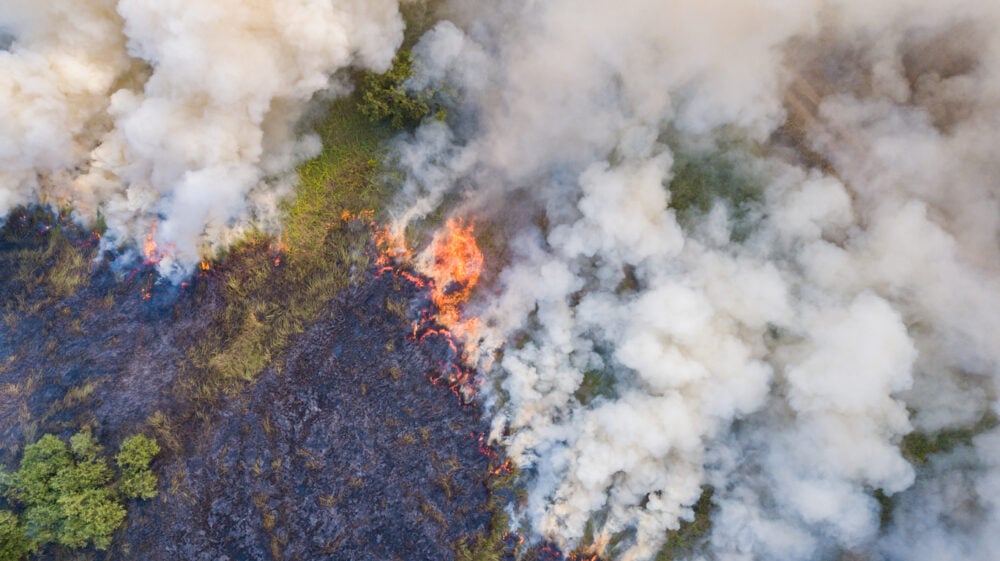
Wind, essential to sustaining fire behavior, changes as climate patterns evolve. Rising occurrences of altered wind paths help wildfires grow and expand their reach. Faster winds fan the flames farther, crossing natural or man-made barriers with ease.
Wildfire fronts spread rapidly when wind patterns change unexpectedly. Firefighters face new challenges when gusts shift direction, complicating control efforts. Communities nestled in fire-prone regions must prepare for the whims of changing winds, buttressing defenses against increasingly capricious fire behavior.
6. Heat waves dry out underbrush, providing more fuel for wildfires.
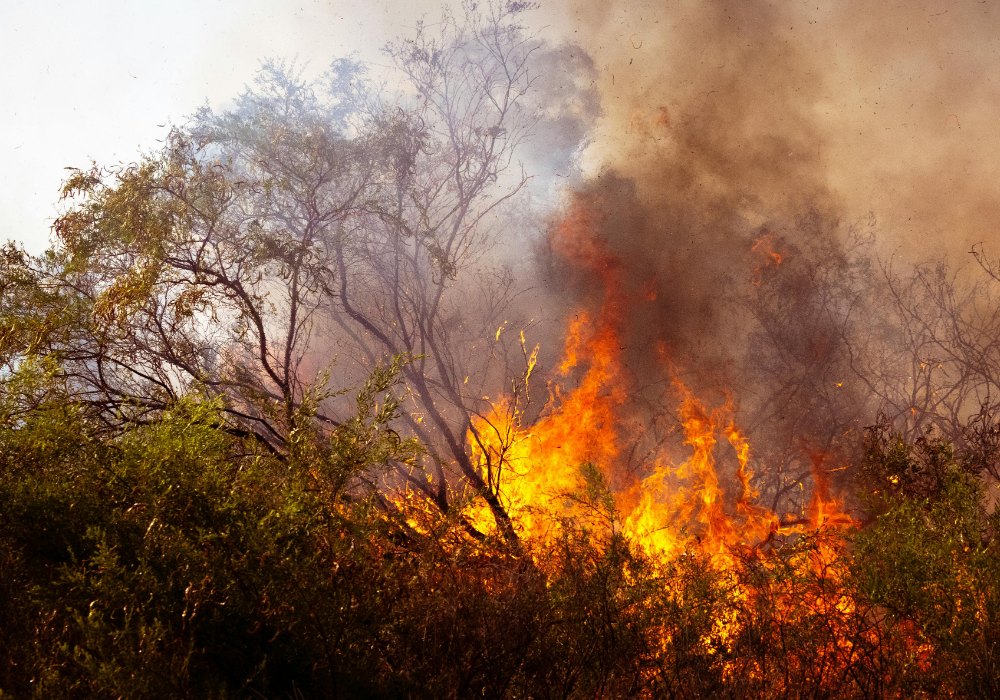
Underbrush typically retains moisture, but heat waves leave it dry and flammable. Once brush dries out, it becomes kindling, escalating fire intensity. Wildfires find abundant fuel in parched undergrowth, creating a chain reaction that propels flames swiftly through ecosystems.
Land previously cushioned by moist layers becomes a radiant expanse. Heat-dried underbrush reduces the effort required for fires to take hold. Fires reach larger areas more quickly, leaving scorched ground that takes years to recover. Urban expansion into prone areas demands adaptation and proactive fire management.
7. Elevated carbon dioxide levels encourage growth of flammable plant species.
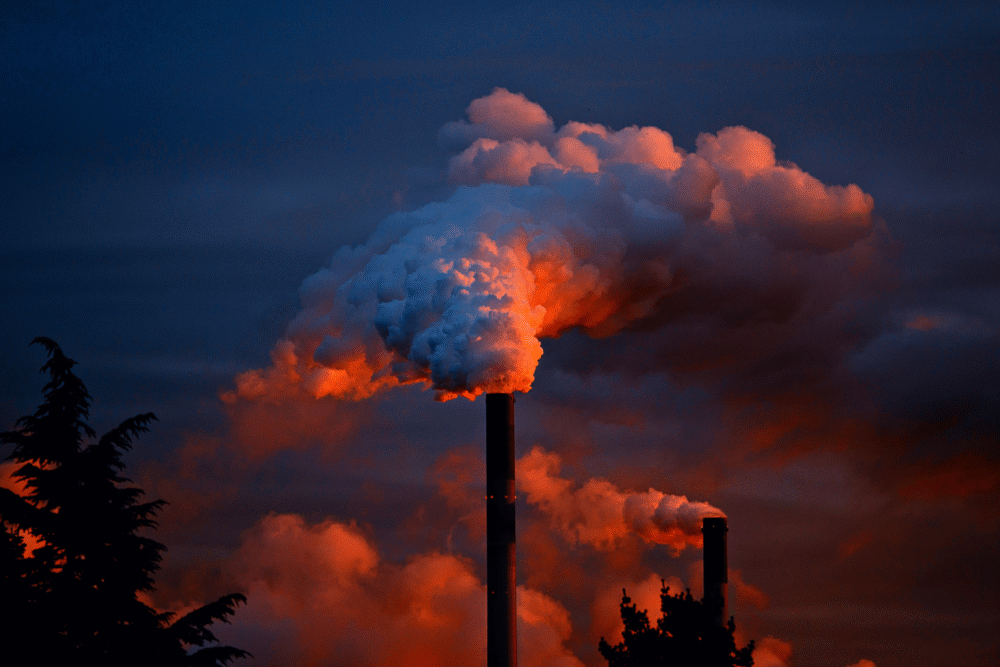
Elevating carbon dioxide levels accelerate plant growth, particularly species prone to combustion. Flammable shrubs and grasses flourish in these environments, providing ample fuel for potential fires. Increased plant density accelerates wildfire spread, augmenting fire intensity and challenging suppression efforts.
Fire-friendly species outcompete less flammable vegetation, shifting landscape dynamics. In periods of stress, these species veer towards desiccation, facilitating fuel accumulation. Carbon-rich environments tax firefighting abilities, demanding innovation in landscape management to mitigate risk as plant profiles change.
8. Earlier spring thaws extend the period of fire risk in many regions.
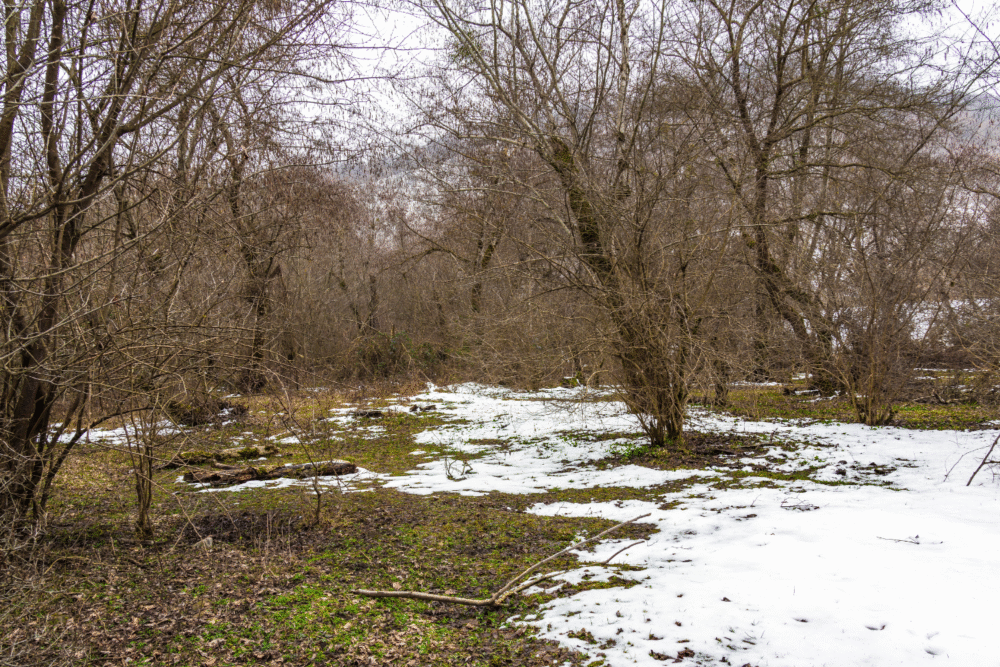
Earlier spring thaws shift traditional fire risk timelines, adding months to potential danger periods. Snow turns to runoff prematurely, removing a vital water source. This changes soil moisture levels, leaving regions vulnerable well ahead of usual expectations.
Habitats synchronized with gradual seasonal shifts confront new threats as cycles speed up. Fire departments strategize for lengthier periods of concern, adjusting practices to accommodate a longer calendar. Countries laden with early thaw alerts recalibrate risk assessments as nature’s signals realign.
9. Climate stress alters natural fire cycles, disrupting ecosystem balance.

Altered climate stresses disrupt longstanding natural cycles, impacting fire frequencies. As fire patterns deviate, ecosystems dependent on specific fire intervals face imbalance. Such disruptions threaten biodiversity, while shortened cycles give rise to brush and fuel buildup, intensifying all-out conflagrations.
Habitats struggle when accustomed cycles break, causing ripple effects through flora and fauna. Native species fail to adapt to accelerated cycles, and efforts to restore equilibrium face an uphill battle. Biomes not previously adaptable are tested by erratic fire schedules.
10. Expansion of urban areas into forested regions increases human fire causes.
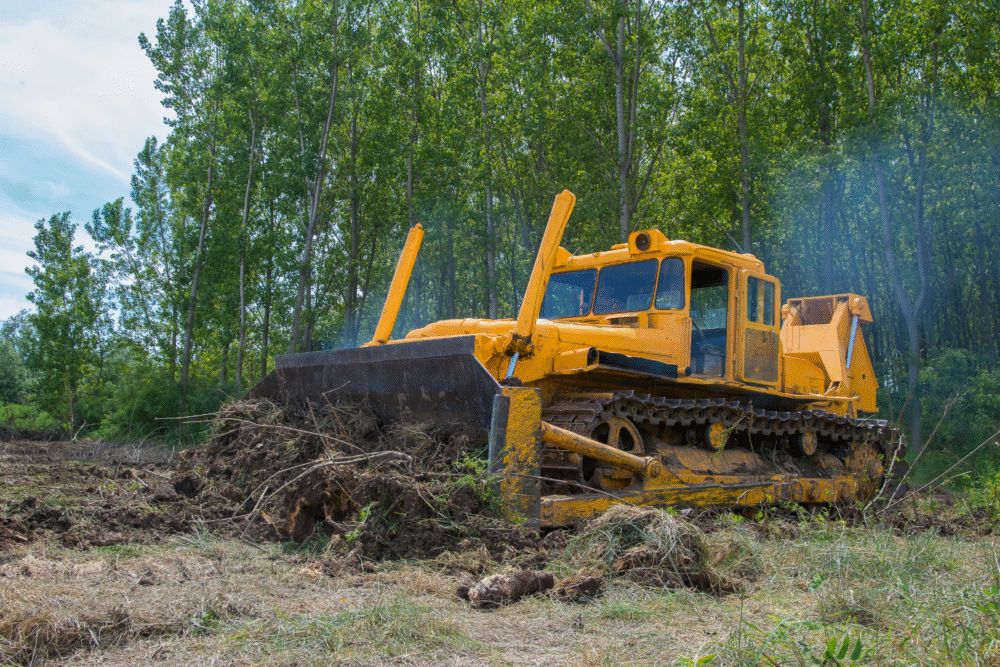
Urban sprawl penetrates forests, blending human infrastructure with wilderness. Proximity increases ignition opportunities, but many overlook the doubled risk of refined landscapes. Ignition from power lines, barbecues, and carelessness transforms adjacent woodlands into potential catastrophe sites.
Society stands at a crossroads where development meets nature’s raw edge. A civilization once cocooned by concrete must now confront combustible environments. Urban growth demands integrated planning, balancing expansion with environmental preservation to mitigate wildfire causes.
11. Rising humidity variability causes unpredictability in wildfire behaviors.
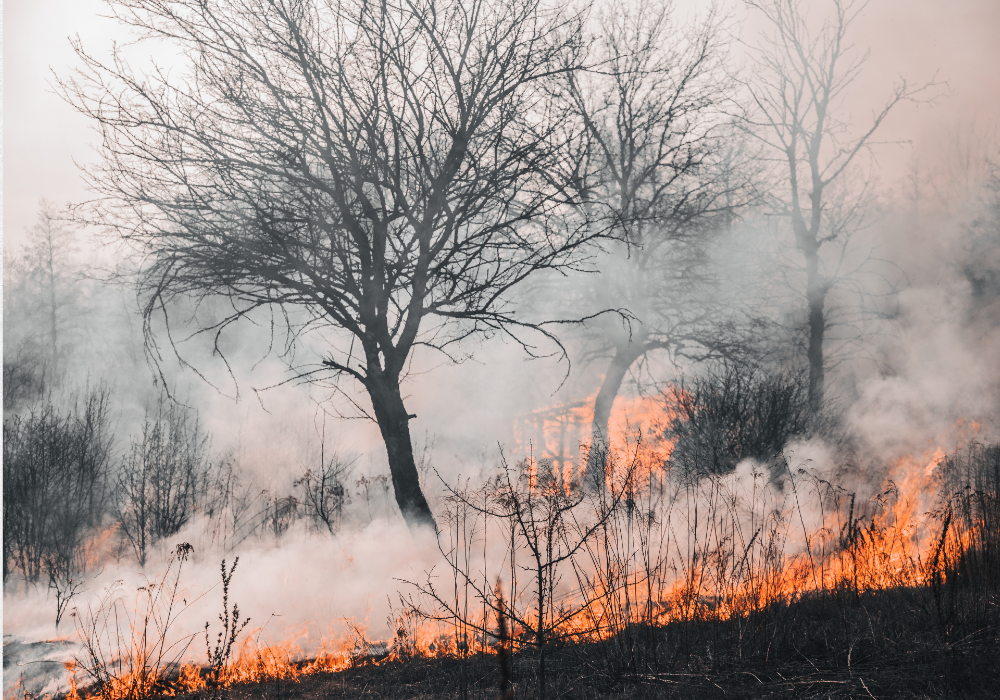
Fluctuations in humidity levels lead to wildfire unpredictability, affecting their behaviors. Variability dictates the ease with which fires ignite and spread, making forecasting challenging. Conditions swing from overly moist to bone-dry, defying pattern recognition deployed by fire suppression professionals.
Random humidity shifts disrupt the predictability on which firefighting strategies rely. Efforts to anticipate fire behavior encounter frustration in an era of unprecedented atmospheric inconsistency. Developing accurate predictions becomes crucial as operators navigate an increasingly erratic ecological landscape.