
New research shows coastal flooding and property risks could arrive decades sooner than once predicted.

Global sea levels are climbing faster than scientists previously predicted, driven primarily by melting ice sheets and warming oceans. This acceleration raises risks of coastal flooding, habitat disruption, and saltwater intrusion, affecting millions who live near shorelines. Understanding the scientific drivers and regional variations helps clarify why sea level rise is both an immediate challenge and a long-term concern. Awareness and adaptation are essential for building resilience in vulnerable communities.
1. Global sea levels have risen significantly over the past century.

Over the last century, global sea levels have risen over eight inches, driven by factors like glacier melt and expanding seawater. This long-term trend isn’t just a slow creep upwards; it’s quickening. Rising seas pose challenges to coastal communities, calling for revised urban plans.
Understanding past sea level changes helps grasp modern implications. For example, New York City builds smart flood barriers anticipating future increases. It’s not merely a chart number—higher seas reshape landscapes, affecting millions of residents living near the coast.
2. Melting ice sheets contribute heavily to the accelerating sea level rise.

As ice sheets in Greenland and Antarctica lose mass, their water flows into oceans. The resulting meltwater contributes significantly to sea level rise, increasing the frequency of coastal land submerged under tides. The extra water affects communities that haven’t experienced flooding historically.
Recent research suggests melting ice sheets could double or triple anticipated rates of rise. Coastal cities adapt through engineering and planning, reinforcing infrastructure with climate resilience in mind. For those communities, melting ice isn’t a far-off concept—it’s already at their doorstep.
3. Thermal expansion of ocean water causes additional increases in sea levels.

When water heats, it expands. This thermal expansion significantly contributes to rising sea levels, a little-known fact among common misconceptions. The effect, amplified by warming global temperatures, accounts for nearly half the observed rise over the past few decades.
Unlike melting glaciers, thermal expansion is invisible, yet it adds inches. A subtle temperature shift, like heating a pot, causes oceans to swell, affecting coastline dynamics. Local governments face challenges in predicting these changes, complicating regional planning for expected impacts.
4. Coastal regions face greater risks from rising waters and increased flooding.

Coastal areas face heightened risks as rising waters increase flood depths and frequencies. Infrastructure, delicate ecosystems, and human populations are exposed to significant damage. Coastal erosion, a slow instant threat, combines with rising levels to unsettle everyday life.
In some areas, periodic flooding already disrupts routines. The cumulative effect makes relocation discussions more frequent, underlining the urgent need for adaptive strategies. Communities previously safe from the ocean feel the encroaching threat, challenging long-held perceptions of coastal safety.
5. Rising sea levels can disrupt natural habitats and threaten biodiversity.

Rising sea levels can alter ecosystems, disrupting native species and affecting biodiversity balance. Mangroves, estuaries, and coral reefs are especially vulnerable as saltwater inundation changes habitats. The intricate web of life braces against the slow but steady threat of habitat loss.
Biodiversity shifts as habitats disappear and animals seek new homes. A lone sea turtle stranded on a shrunken beach or uprooted mangroves are all indications of broader environmental impacts. Survival depends not only on adaptation but also on comprehensive ecological planning.
6. Saltwater intrusion affects freshwater sources and agricultural lands near coasts.
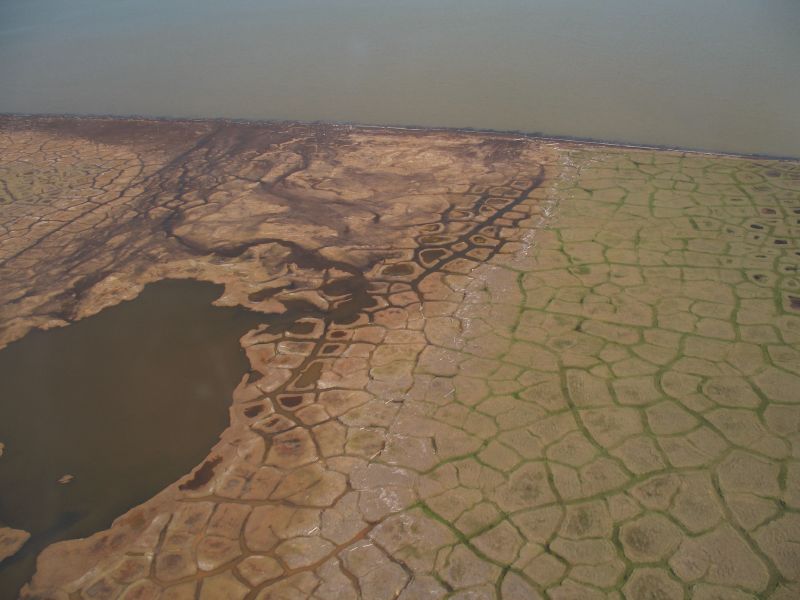
As seawater encroaches, it seeps into coastal aquifers, leading to saltwater intrusion. This phenomenon impacts freshwater availability and threatens agriculture reliant on untainted irrigation water. Ocean fronts change agricultural landscapes and necessitate innovative solutions to sustain productivity.
In agricultural zones near coasts, saltwater intrusion forces farmers to alter traditional practices. Salinity levels affect crop yields, prompting experimentation with salt-resistant varieties. Freshwater sources can become brackish, challenging communities to secure reliable water access.
7. Sea level rise varies regionally due to ocean currents and land subsidence.
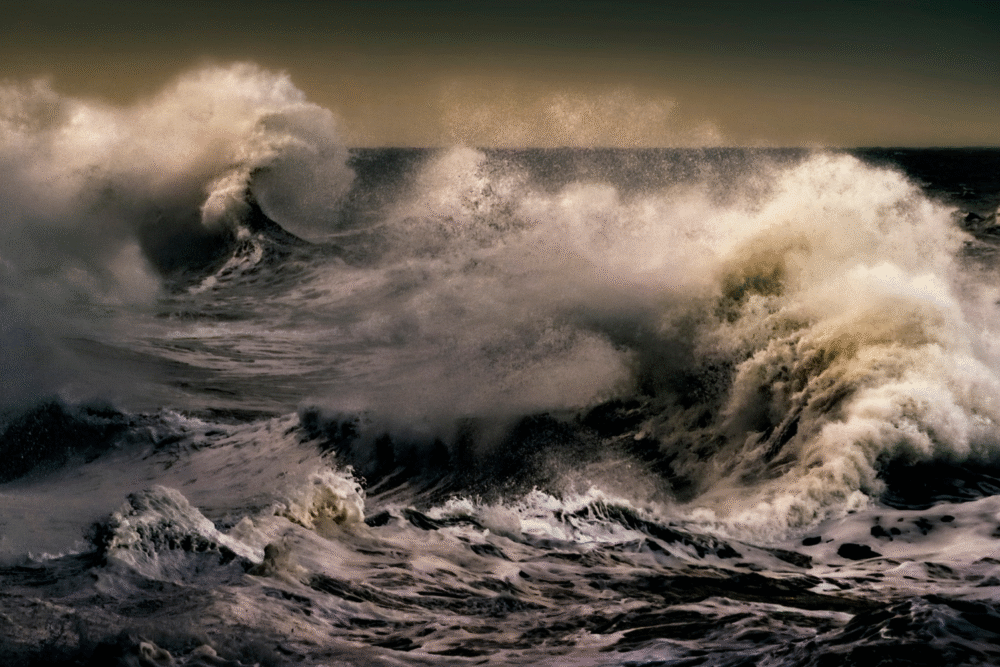
Regional variations in sea level rise result from shifting ocean currents and land subsidence. Not all places experience rising seas equally. Complex ocean dynamics, like changes in the Gulf Stream, alter localized impacts, while subsiding lands exacerbate water level changes.
Consider Jakarta, a sinking city where sea rise appears more dramatic due to land subsidence. Contrastingly, parts of Norway may witness stable ground levels. Regional differences drive unique responses in coastal planning, reflecting diverse environmental circumstances faced by communities.
8. Human activities, such as fossil fuel use, amplify factors driving sea rise.
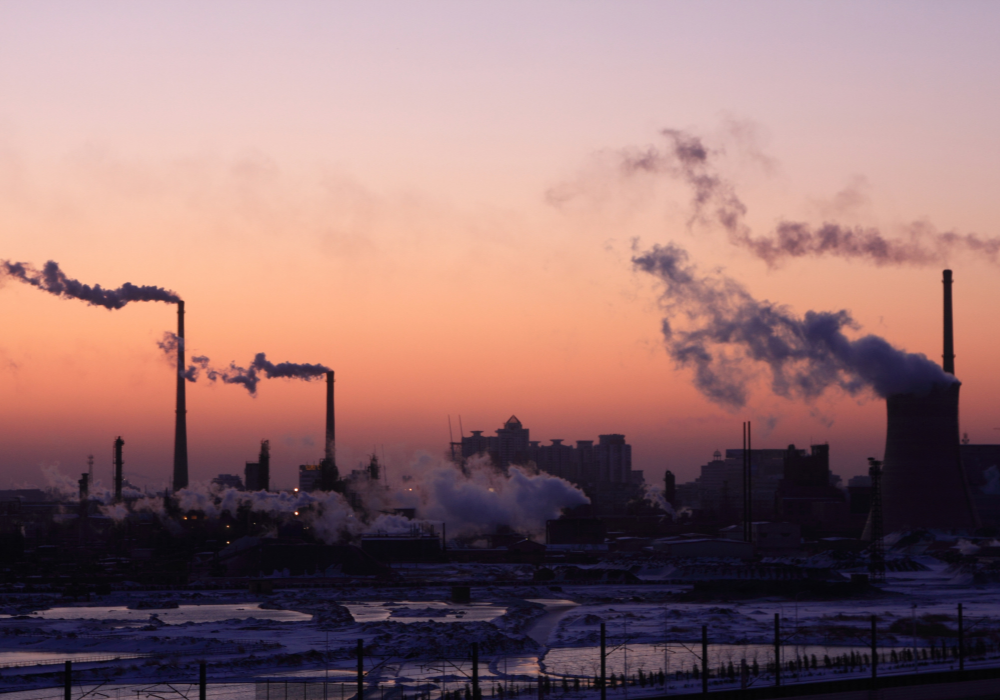
Fossil fuel use and deforestation release greenhouse gases, warming the planet and hastening ice melt. Human activities amplify sea level rise, a connection established through scientific consensus. These activities accelerate natural processes, leading to significant coastal challenges sooner than expected.
Unsurprisingly, policy discussions increasingly acknowledge sea rise’s anthropogenic factors. The ongoing shift towards renewable energies reflects recognition of human contributions. Efforts to curb emissions indirectly slow sea level rise, signaling global commitment toward future climate stabilization.
9. Higher sea levels increase the severity and frequency of storm surges.
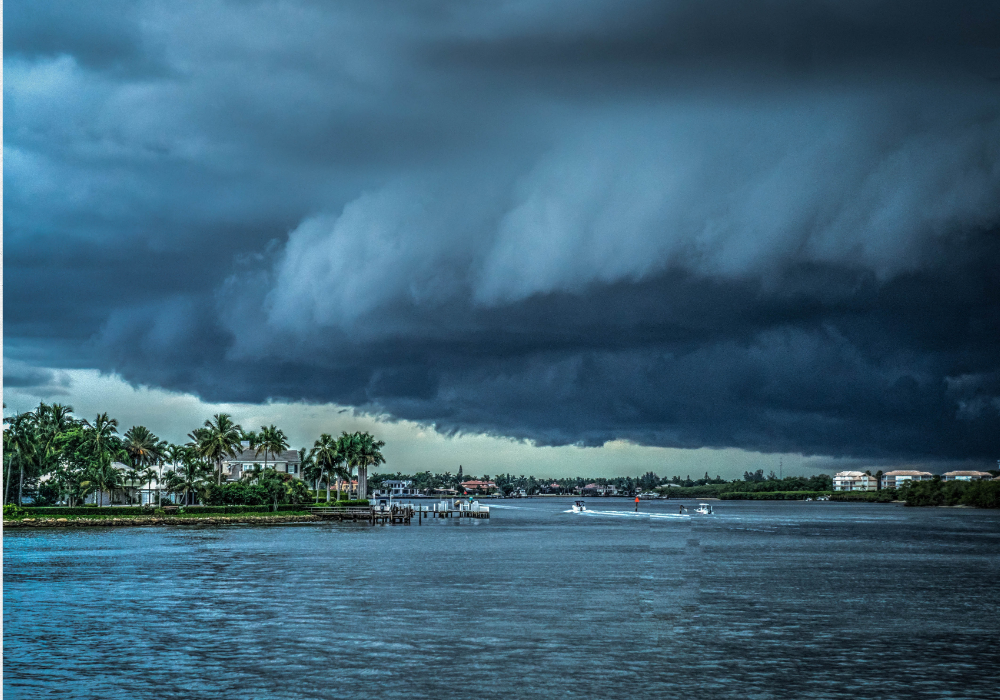
Higher seas intensify storm surges, making extreme weather events more devastating. A once-in-a-century storm can now occur more often as rising water levels create bigger, more destructive waves. Vulnerable urban areas realize new levels of risk during hurricane seasons.
Notably, storm-battered regions invest in flood defenses to mitigate impacts. With more frequent deluges, insurance premiums spike, affecting homeowner affordability. The relentless advance of water, driven by surges, underscores the urgency for comprehensive disaster preparedness systems.
10. Long-term planning and adaptation strategies are essential for vulnerable areas.
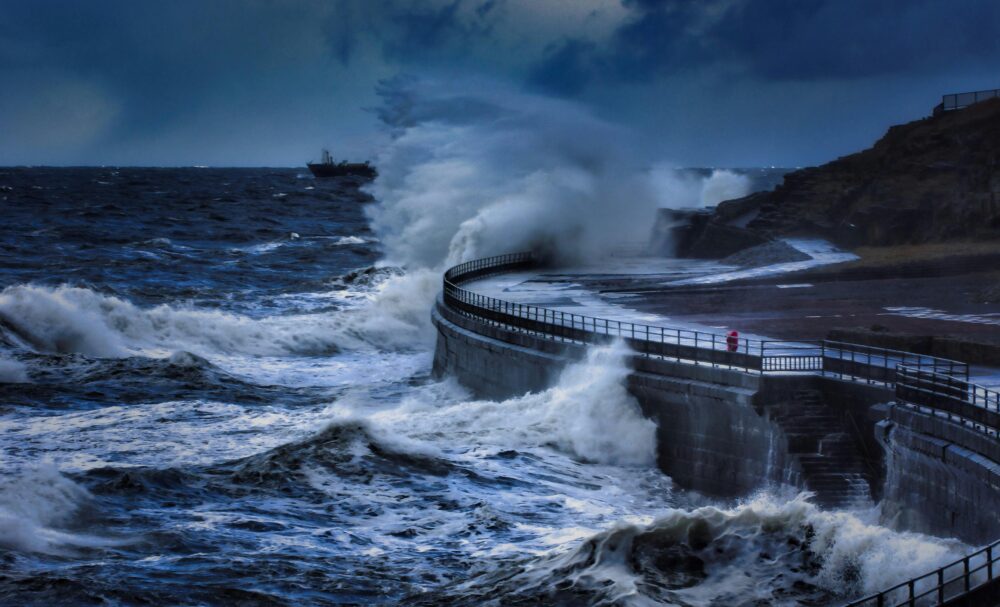
Long-term planning for sea level changes is critical. Infrastructure updates and urban redesigns ensure vulnerable regions withstand imminent threats. Adaptive strategies, integral to coastal resilience, address foreseeable flooding impacts and embrace sustainability measures on local and national scales.
Communities incorporate elevation designs and restore natural barriers to manage risk. Adapting cities become proactive, integrating green infrastructure that handles future offshore pressures. Through resilience, towns and cities aim to thrive despite forthcoming climatic upheavals.
11. Monitoring and predictive technology improve understanding of future sea level changes.
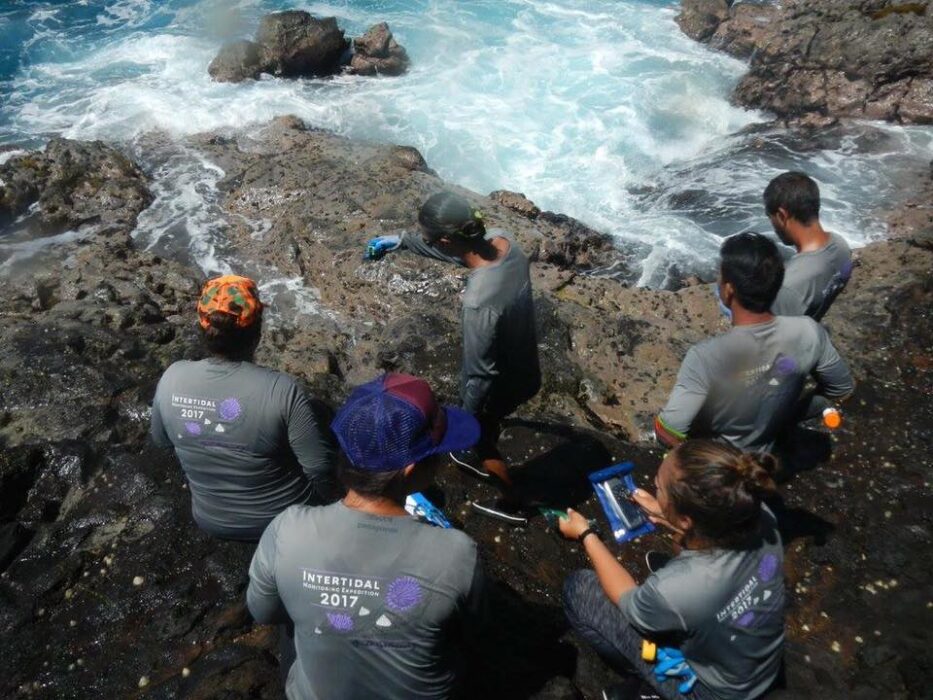
Technological advancements enhance monitoring and prediction, refining future sea level projections. Sophisticated models considering ice melt and thermal expansion allow scientists to forecast changes with greater accuracy. This knowledge shapes policy as governments prepare for expected sea level dynamics.
These enhanced insights facilitate timely infrastructure adaptations. Governments and institutions rely on predictive technology to plan coastal defenses and urban expansions, ensuring proactive resilience. The ongoing evolution of predictive models embodies collective readiness for critical environmental challenges.